

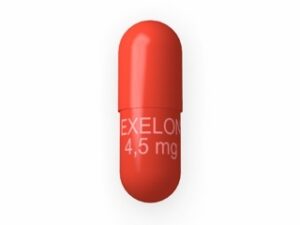
Donepezil (Donepezil hydrochloride) – Patient Information
Donepezil is a medicine used to help manage symptoms of certain types of dementia. If you or someone you care for has been diagnosed with Alzheimer’s disease (or a related condition), this guide explains how Donepezil works, how it is taken, and what to expect in day-to-day use in Australia.
This information is written for general understanding and should be read alongside advice from your healthcare professional and the product instructions supplied with your medicine.
Quick overview
- Common name: Donepezil
- Also known as: Donepezil hydrochloride
- Medicine type: Central nervous system (CNS) medicine
- What it’s used for: Symptomatic treatment of Alzheimer’s disease
- How it works: Helps increase acetylcholine signalling in the brain
- How it’s taken: Usually once daily, often in the evening
- Common strengths (varies by product): 5 mg and 10 mg tablets
Basic product information
| Category | Details |
|---|---|
| Active ingredient | Donepezil hydrochloride |
| Medicinal form | Tablets (brand/generic forms may vary by supplier) |
| Typical dosing schedule | Once daily (commonly at night); dose may be increased after a period |
| Therapeutic goal | Improve or stabilise symptoms of cognitive function and daily functioning |
| Onset of benefit | May take several weeks to notice a difference |
How Donepezil works (mechanism of action)
Donepezil is an acetylcholinesterase inhibitor. In Alzheimer’s disease, levels of the neurotransmitter acetylcholine in the brain are reduced. Acetylcholinesterase is the enzyme that breaks down acetylcholine.
Donepezil helps by inhibiting acetylcholinesterase, which can increase acetylcholine availability in brain synapses. This mechanism may help improve or maintain aspects of memory and thinking, as well as daily functioning for some people.
Important note: Donepezil does not cure dementia or stop the underlying disease process. It is intended for symptom management.
Pharmacokinetics (how the body handles Donepezil)
Pharmacokinetics describes what happens after you take a dose—how it is absorbed, distributed, metabolised, and eliminated. The exact numbers can vary by individual factors such as age and liver function.
- Absorption: Donepezil is generally absorbed well after oral administration. Peak levels occur after a period of time following the dose.
- Distribution: It distributes throughout the body, including the brain.
- Metabolism: Donepezil is metabolised primarily in the liver by enzyme systems such as CYP450.
- Elimination: Metabolites are excreted mainly via urine. The medicine has a relatively long terminal elimination half-life, supporting once-daily dosing.
Because of its long half-life, changes to dose may take time to fully reflect in steady levels, and it may remain in the body for a while after stopping.
Typical uses and indications
Donepezil is used for the symptomatic treatment of Alzheimer’s disease. It may be prescribed for mild, moderate, or severe stages depending on clinical judgement and product guidance.
- Indication: Symptomatic improvement or stabilisation in Alzheimer’s disease.
- Not a cure: It does not reverse disease progression.
- Individual response: Some people experience noticeable benefit; others may see little change.
Your treating team may also consider other causes of cognitive decline and whether additional medications or non-drug supports are appropriate.
Dosing (how to take Donepezil safely and effectively)
Dose should be determined by a healthcare professional based on your symptoms, tolerance, and other medicines you may be taking. The following is common practice information for understanding typical regimens.
Typical starting and maintenance doses
- Starting dose: Often 5 mg once daily.
- Dose increase: After a minimum of about 4–6 weeks (depending on tolerance and clinical plan), the dose may be increased to 10 mg once daily.
If side effects occur (e.g., nausea, diarrhoea, muscle cramps, sleep disturbance), a clinician may delay escalation, reduce the dose, or consider alternatives.
Timing of your dose
- Common schedule: Take once daily in the evening or at bedtime.
- Why evening? Some people experience mild side effects (such as vivid dreams or restlessness). Taking it in the evening may help align effects with sleep.
- Consistency matters: Try to take it at the same time each day.
If you miss a dose
- If you miss a dose, take it when you remember unless it is close to your next scheduled dose.
- Do not take a double dose to make up for the missed tablet.
- If you are unsure, ask your pharmacist for advice.
If you miss several consecutive days, speak with your healthcare professional before restarting at the previous dose.
Food interactions and whether you can take it with meals
Donepezil can generally be taken with or without food. Food is not typically expected to significantly change overall effectiveness, so you can choose what is easiest for you.
- With food: May help reduce stomach upset for some people.
- Without food: Still commonly acceptable if tolerated.
If you experience nausea or gastrointestinal discomfort, taking Donepezil with a meal (or after a small snack) may be more comfortable.
Alcohol and medicine interactions
Alcohol
Alcohol may worsen cognitive symptoms and increase the risk of side effects such as dizziness or sedation. For a person taking Donepezil—particularly older adults—it is generally advisable to limit alcohol and discuss safe amounts with a clinician.
Interactions with other medicines
Donepezil can interact with other medicines because of its effects on the nervous system and because it is metabolised in the liver. Always inform your pharmacist or prescriber of all medicines you take, including over-the-counter products and herbal supplements.
Common interaction categories to discuss:
- Other medicines affecting the heart: Donepezil may slow heart rate (bradycardia) in some people. Caution may be needed with drugs that also slow heart rate.
- Anticholinergic medicines: Medicines that block acetylcholine activity may reduce Donepezil’s effect.
- Cholinergic stimulants: Combination with similar agents may increase cholinergic side effects.
- Strong liver enzyme inducers or inhibitors: These can change Donepezil blood levels and increase the chance of side effects or reduce effect.
- Medications that cause nausea/diarrhoea: These can add to gastrointestinal effects.
- Sleep and nervous system medicines: Interactions may affect sleep patterns, alertness, or risk of dizziness.
If you begin a new medicine (including antibiotics, antifungals, anti-seizure medicines, or certain pain medicines), check with a pharmacist about compatibility.
Safety profile: common and serious side effects
Like all medicines, Donepezil can cause side effects. Many are mild and improve after dose stabilisation, but some require urgent attention. The list below is not exhaustive.
Common side effects
- Nausea
- Diarrhoea or loose stools
- Loss of appetite
- Muscle cramps
- Fatigue or weakness
- Headache
- Sleep disturbances (including vivid dreams)
- Dizziness
Less common but important side effects
- Slow heartbeat (bradycardia), fainting, or light-headedness
- Falls due to dizziness or low blood pressure
- Weight loss
- Urinary issues may occur in some individuals
- Skin reactions (uncommon)
Seek urgent medical help if you notice
- Signs of fainting, severe dizziness, or chest discomfort
- Severe vomiting, dehydration, or persistent diarrhoea
- Allergic reaction symptoms such as swelling of the face/lips, wheezing, or widespread rash
- Black/tarry stools or blood in stool (especially with severe stomach symptoms)
If side effects occur, do not stop the medicine abruptly without medical advice—tolerance and dose adjustments are often possible.
Practical use tips (helpful for daily care)
- Use the same time each day: A consistent routine can improve adherence and simplify monitoring of side effects.
- Track effects over time: Consider simple observations (sleep, appetite, bowel habits, confusion levels) for the first 1–3 months.
- Manage gastrointestinal effects: Taking with food, staying hydrated, and eating smaller meals may help if nausea or diarrhoea occurs.
- Prevent falls: Be extra careful when standing up, especially if dizziness is reported.
- Watch sleep patterns: Vivid dreams and insomnia may occur; taking in the evening may help, but adjust timing only with guidance.
- Check heart rate if advised: If you have a history of slow pulse, fainting, or heart rhythm issues, ask your doctor whether monitoring is needed.
- Review all medicines regularly: Supplements and over-the-counter drugs can interact.
- Use a pill organiser: Especially useful when care partners assist with dosing.
If a person taking Donepezil has trouble swallowing tablets, speak to a pharmacist about available formulations or strategies.
What to expect: benefits and time to response
Donepezil is designed to help symptoms rather than provide immediate “cure-like” results. Benefits—if they occur—may build gradually. Some people may notice improved alertness, attention, or daily function; others may only show modest changes.
- Early period (first weeks): Dose changes and side effect monitoring are common.
- After stabilisation: Clinical reviews often occur after several weeks to assess benefit and tolerability.
- Longer term: Ongoing assessment helps determine whether the medicine continues to provide meaningful benefit.
Alternative options
Depending on stage of dementia, symptoms, and individual health factors, clinicians may consider other medicines or non-drug supports. Alternatives may include:
Other acetylcholinesterase inhibitors
- Rivastigmine (available in oral and patch forms)
- Galantamine
Other symptomatic options
- Memantine (used for moderate to severe Alzheimer’s disease in some cases)
Non-medicine approaches
- Cognitive stimulation and structured activities
- Sleep and routine support
- Hearing/vision optimisation
- Caregiver education to manage behavioural changes
- Exercise and physical activity where appropriate
Your healthcare professional can help compare options based on side effect history, other conditions, and what matters most for daily quality of life.
Market and legal context in Australia
In Australia, Donepezil is a prescription-only medicine. Availability may require coordination through a licensed prescriber and dispensing through an approved pharmacy. Medicine access is supported by Australia’s medicines regulation and quality assurance systems.
Online pharmacy services in Australia commonly require:
- Identity and patient details verification
- Confirmation of medicine eligibility and product selection
- Delivery arrangements that meet storage and legal requirements
Because regulations and listings can change, always check the online pharmacy’s current ordering process and the product information on the site.
Recent guidance (general overview)
Recent healthcare messaging for dementia medicines has focused on:
- Individualised treatment decisions based on diagnosis and symptom severity
- Reviewing benefit and tolerability after starting and after any dose adjustments
- Monitoring side effects such as gastrointestinal symptoms, weight changes, sleep disturbance, and falls
- Regular medication reviews to reduce harmful interactions and unnecessary medicines
Guidance can evolve as evidence and clinical practice change, so ongoing communication with your healthcare team is recommended.
Delivery and availability (Australia)
Availability varies by brand and strength. Many online pharmacies in Australia can supply common strengths such as 5 mg and 10 mg, subject to stock levels. Delivery times depend on location, courier partners, and order processing schedules.
- Stock checks: Reputable online pharmacies typically show current availability before dispatch.
- Dispatch: Orders are commonly processed on business days.
- Tracking: Shipping with tracking is often available.
- Storage: Store tablets as directed on the label (typically in a cool, dry place).
If you need urgent supply or multiple repeats, contact customer support to confirm options.
Frequently asked questions (FAQ)
1) What is Donepezil used for?
Donepezil is used for the symptomatic treatment of Alzheimer’s disease. It may help improve or maintain memory and daily functioning for some people.
2) When should I take Donepezil?
It is commonly taken once daily in the evening or at bedtime. Taking it at the same time each day can improve consistency.
3) Can I take Donepezil with food?
Yes. Donepezil can usually be taken with or without food. If you get nausea, taking it with a meal may help.
4) Does alcohol affect Donepezil?
Alcohol may worsen confusion and increase risks such as dizziness or falls. It’s best to limit alcohol and discuss safe drinking habits with your clinician.
5) What interactions should I watch for?
Tell your pharmacist about all medicines you take—especially drugs that affect heart rate, medications with anticholinergic effects, and medicines that influence liver metabolism.
6) What side effects are common?
Common side effects include nausea, diarrhoea, loss of appetite, muscle cramps, sleep disturbance, and dizziness.
7) Is weight loss a concern?
Some people may lose weight. If appetite decreases or weight drops noticeably, seek advice from your healthcare team.
8) How long does it take to work?
Benefits may take several weeks to become noticeable. Clinicians typically reassess benefit and tolerability after an initial period.
9) What if I miss a dose?
If you miss a dose, take it when you remember unless it is close to the next dose. Do not take a double dose. Seek guidance if you miss several days.
10) Are there alternatives if Donepezil doesn’t suit me?
Yes. Other options can include different acetylcholinesterase inhibitors (such as rivastigmine or galantamine) and in some cases memantine, depending on your situation.
11) Who should be extra careful with Donepezil?
Extra caution may be needed if you have a history of slow heart rate, fainting, heart rhythm problems, gastrointestinal ulcers, or significant liver issues. Always discuss your medical history with your healthcare professional.
12) How should I store Donepezil?
Store tablets according to the instructions on the label—typically in a cool, dry place away from moisture and heat. Keep out of reach of children.
Summary
Donepezil is an acetylcholinesterase inhibitor used to manage symptoms of Alzheimer’s disease. It is generally taken once daily (often in the evening), can be taken with or without food, and may take weeks to show benefits. While many people experience mild side effects, it’s important to monitor for gastrointestinal symptoms, sleep changes, dizziness, weight loss, and any signs of slow heartbeat. In Australia, Donepezil availability is regulated and supplied through appropriate channels. If you’re considering Donepezil or already taking it, consult your healthcare professional or pharmacist for personalised advice—especially regarding interactions with other medicines and alcohol.