

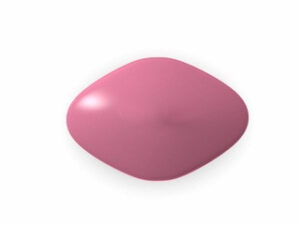

Medroxyprogesterone (Medroxyprogesterone Acetate) — Patient Guide (Australia)
Medroxyprogesterone acetate (often shortened to MPA) is a synthetic (man‑made) hormone medicine related to progesterone. It is used for a range of conditions in women and is also used in some gender-affirming hormone care settings under clinician guidance. This page explains what the medicine is, how it works, how it’s taken, and key safety information to help you use it confidently.
If you have been prescribed medroxyprogesterone acetate for your own health reasons, always follow the instructions provided by your healthcare professional. Information below is general and may not match every individual situation.
1) Basic product information
| Item | Details |
|---|---|
| Generic name | Medroxyprogesterone (as medroxyprogesterone acetate) |
| Medicine type | Progestogen (progesterone-like hormone) |
| How it’s available | Commonly tablet form; injectable forms may also be available depending on brand/indication |
| Common brand examples | May vary by strength and formulation |
| Hormone class | Progestin / progestogen |
| Who it’s used for | Women for hormonal conditions; sometimes used in other contexts under specialist care |
Availability can vary across Australian pharmacies and supply chains. Your pharmacist can confirm the formulation and strength you’re considering.
2) How medroxyprogesterone works (mechanism of action)
Medroxyprogesterone acetate is a progestogen. In the body, it binds to progesterone receptors and helps to:
- Stabilise the uterine lining (endometrium): reducing the risk of overgrowth when oestrogen is present in certain settings.
- Influence menstrual cycles: by altering hormone signalling in the brain and ovaries.
- Prevent endometrial proliferation: which is one reason it is used in conditions related to abnormal uterine bleeding.
- Modify hormone-dependent growth: for some hormone-sensitive conditions (under medical supervision).
The exact benefit depends on the indication (for example, abnormal uterine bleeding vs endometrial protection vs treatment of certain hormone-related conditions).
3) Pharmacokinetics (what the body does to the medicine)
Pharmacokinetics describes how the body absorbs, distributes, metabolises, and eliminates a medicine. While individual results vary, the following patterns are typical for medroxyprogesterone acetate:
- Absorption: after oral dosing, medroxyprogesterone is absorbed through the gastrointestinal tract. Peak levels generally occur within several hours (time to peak depends on the formulation).
- Distribution: it is distributed throughout body tissues and can cross into reproductive tissues.
- Metabolism: it is metabolised mainly in the liver.
- Elimination: metabolites are excreted primarily through urine. When injected formulations are used, drug release and elimination may occur over a longer period.
Because the medicine is hormone-based, timing matters—missing doses or stopping suddenly can change bleeding patterns and hormone effects.
4) Typical uses and indications
Medroxyprogesterone acetate may be used for a range of hormone-related conditions. Common indications include:
- Abnormal uterine bleeding: such as irregular, heavy, or dysfunctional uterine bleeding, depending on cause and clinical assessment.
- Endometrial protection: in some hormone therapy strategies where oestrogen is used and the uterine lining needs protection.
- Secondary amenorrhoea or menstrual regulation: when appropriate in selected patients (based on hormonal status and evaluation).
- Endometrial hyperplasia: under specialist care to help counter excess uterine lining growth.
- Other hormone-responsive conditions: in certain situations where progestogen therapy is considered beneficial.
Your clinician chooses medroxyprogesterone acetate based on your specific diagnosis, age, medical history, and risk factors. If you are unsure why you’ve been given it, ask your pharmacist or doctor for clarification.
5) How to take medroxyprogesterone (timing and administration)
The correct dose and schedule depend on your condition and the formulation you use (tablets vs injection). Always follow your prescribed instructions.
General tablet timing tips
- Pick a consistent time: taking it at the same time each day helps maintain steady hormone levels.
- Do not double up: if you miss a dose, follow your clinician’s or pharmacist’s advice on what to do next.
- Be aware of bleeding changes: spotting or changes in period timing can occur, especially early in treatment.
If using an injection (where applicable)
- Injection intervals matter: keeping appointments helps maintain effectiveness.
- Watch for delayed return of cycles: after stopping, menstrual changes may take time to settle.
If you’re switching between formulations (for example, injection to tablets), schedules and effects may differ—confirm details with your healthcare provider.
6) Food interactions
Medroxyprogesterone acetate is generally not strongly affected by food. However, taking it with or without food may influence comfort and can help you remember doses. For most people, it’s acceptable to take it the same way each day.
- Consistency helps: choose the approach that suits you (with breakfast, after dinner, etc.).
- Gastrointestinal upset: if you experience nausea, consider taking it after food.
If you have significant digestive conditions or you notice consistent symptoms, discuss with your pharmacist.
7) Alcohol and medicine interactions
Moderate alcohol intake is not always directly contraindicated with medroxyprogesterone acetate, but alcohol can worsen certain side effects and affect wellbeing. It can also increase dizziness or fatigue in some people.
Practical guidance
- Limit alcohol: especially if you notice dizziness, headaches, mood changes, or sleep disturbance.
- Consider bleeding changes: heavy alcohol use may contribute to irregular bleeding patterns independent of medications.
Medication interactions (general)
Some medicines can change how quickly medroxyprogesterone is metabolised or can alter hormone levels in the body. Always inform your pharmacist or doctor about all medicines you take, including:
- Some anticonvulsants (anti-seizure medicines)
- Some antibiotics (certain types)
- Antifungal medicines
- HIV medicines (some regimens)
- St John’s wort (herbal product) — may affect hormone metabolism
- Other hormone medicines or combination therapies
Do not start, stop, or switch medications without checking for interactions—your pharmacist can do this quickly.
8) Dosing (what doses are like)
Dosing varies widely depending on: your diagnosis, age, formulation (tablets vs injection), and treatment goal. The information below is educational and may not match your specific regimen.
Common dosing patterns include:
- Regimen-based dosing for uterine lining effects: progestogen is often taken for a set number of days within a cycle or continuously, depending on the condition.
- Short courses vs longer courses: some indications use shorter treatment periods; others may require longer therapy.
- Injection schedules: if an injection is used, it is given at defined intervals (for example, every few months), depending on the product and indication.
If you have a specific dose written on your label, follow it exactly. If your dose is unclear, check with your pharmacist before taking any further tablets.
9) Safety profile: side effects and warnings
Like all medicines, medroxyprogesterone acetate can cause side effects. Many are mild and improve over time, but some require urgent medical attention.
Common side effects
- Changes in bleeding: spotting, irregular bleeding, or changes in period timing
- Nausea or stomach discomfort
- Headache
- Breast tenderness
- Fluid retention (feeling puffy or bloated)
- Mood changes (irritability, mood swings) in some people
- Fatigue or sleep changes
- Vaginal symptoms may occur (dryness or discharge changes)
Less common but important risks
- Weight changes: some people experience weight gain, though response varies.
- Blood pressure changes: monitor if you have hypertension.
- Blood clots (thromboembolic risk): progesterone/progestogens are generally not the same as oestrogen-containing regimens, but hormone therapies can be associated with vascular risks in susceptible individuals. Risk depends on your overall health and other factors.
- Bone health considerations: certain long-term progestogen use patterns (especially some injectable formulations) may be associated with changes in bone mineral density. Your clinician may advise monitoring or lifestyle strategies (calcium/vitamin D, weight-bearing exercise).
Seek urgent medical help if you get
- Signs of a blood clot: sudden shortness of breath, chest pain, coughing blood, severe leg pain or swelling, or sudden weakness/numbness.
- Severe headache or vision changes.
- Yellowing of the skin/eyes (jaundice) or severe abdominal pain.
- Very heavy bleeding (soaking pads rapidly) or passing large clots.
- Allergic reaction symptoms: swelling of the face/lips, hives, difficulty breathing.
Who should use extra caution
Discuss your history with your pharmacist/doctor if you have (or have had):
- Unexplained vaginal bleeding
- History of blood clots or known clotting disorders
- Liver disease
- Breast cancer or hormone-sensitive cancers (current or previous)
- Severe migraines
- Diabetes or conditions affecting blood vessels
- Osteoporosis or significant bone risk factors
10) Practical use tips (getting the best results)
- Track your bleeding: note start/end dates, spotting days, and severity—this helps clinicians adjust therapy if needed.
- Take consistently: use a phone alarm or blister-pack reminders.
- Maintain bone-supportive habits: if you’re using longer-term therapy, consider calcium- and vitamin D–rich foods and regular weight-bearing exercise (ask your clinician for personalised advice).
- Report persistent symptoms: if bleeding is very irregular after the initial adjustment period, ask for assessment.
- Don’t ignore severe symptoms: seek help promptly for warning signs listed above.
11) Alternative options
Alternatives depend on the reason you’re taking medroxyprogesterone acetate. For some indications, other options may include:
- Other progestogens (different types or formulations)
- Combined hormone therapy approaches (where appropriate)
- Non-hormonal treatments for abnormal uterine bleeding (depending on diagnosis)
- Surgical or procedural options in selected cases (for example, where bleeding is due to structural causes)
- In some settings, levonorgestrel-releasing intrauterine systems may be considered
Your clinician selects alternatives based on your diagnosis, preferences, tolerance, and risk profile. If you’re considering a change, discuss benefits and risks rather than stopping suddenly.
12) Australia: market and legal context for supply
In Australia, medicines are supplied according to the relevant scheduling rules and Pharmaceutical Benefits Scheme (PBS) status where applicable. Availability of specific brands, strengths, and formulations may vary by state and supplier.
When buying online, always ensure the product listing matches:
- the correct active ingredient (medroxyprogesterone as acetate)
- the strength
- the formulation (for example, tablet vs injection—if applicable)
- the expiry date and storage conditions
Regulations require appropriate processes for medicine dispensing and consumer safety. Your local pharmacist can guide you on lawful availability and appropriate product selection.
13) Recent guidance and monitoring considerations
Guidance for hormone medicines can evolve as new safety data and clinical recommendations are released. In general, clinicians may consider:
- Individualised risk assessment (cardiovascular, clotting risk, liver status, cancer history).
- Monitoring for bleeding pattern changes and reassessing if symptoms persist.
- Bone health awareness for long-term progestogen use in certain formulations.
- Reviewing interacting medicines when starting or stopping other therapies.
Keep follow-up appointments so your treatment can be reviewed and adjusted if needed. If you develop new symptoms or your bleeding pattern changes significantly, seek advice promptly.
14) Delivery and availability (online pharmacy in Australia)
Online pharmacies may offer delivery across Australia depending on the product type and stock availability. Delivery times can vary based on location and whether the item is held in local warehouses or requires replenishment.
- Stock status: Some formulations may have limited supply at times.
- Packaging: Medicines are typically shipped in secure packaging to protect tablets and labels.
- Storage: Follow storage instructions on the pack (for example, room temperature vs temperature restrictions if stated).
- Order accuracy: Check the label for strength, form, and instructions before use.
If you need help confirming compatibility with your regimen or understanding how to take your dose, our pharmacy team can assist.
15) FAQ
How long does it take for medroxyprogesterone to start working?
Many people notice changes in bleeding patterns within the first days to weeks, depending on the indication and regimen. For cycle-related effects, changes may take one or more cycles to stabilise.
Will it stop my periods?
Some people experience reduced bleeding, irregular spotting, or temporary absence of periods. The pattern varies significantly by indication and dosage schedule. If bleeding is very heavy or persistent, seek advice.
What should I do if I miss a dose?
The best next step depends on your dosing schedule (daily vs cyclic, tablet vs injection). Check the instructions from your pharmacist or the product information leaflet, or contact your pharmacist for advice specific to your regimen. Avoid doubling up unless you’ve been told to.
Can I take it with food?
Usually yes. Taking it with food can help if you experience nausea. Keep the method consistent from day to day.
Is it safe to drink alcohol while taking medroxyprogesterone?
Moderate alcohol is not typically listed as an absolute interaction for all patients, but alcohol can worsen side effects such as dizziness, headaches, or mood changes. If you notice increased side effects after drinking, reduce or avoid alcohol and speak with your pharmacist.
Does it interact with other medicines?
Yes, some medicines can affect hormone metabolism or the effectiveness of hormone therapies. Tell your pharmacist about all medicines, including herbal products (especially St John’s wort) and any over-the-counter medicines you regularly use.
What side effects are most common?
Common effects include changes in bleeding, nausea, headaches, breast tenderness, fatigue, and fluid retention. If side effects are severe or concerning, seek medical advice.
When should I seek urgent help?
Seek urgent medical attention for possible blood clot symptoms (chest pain, shortness of breath, leg swelling/pain), severe headache with vision changes, jaundice, very heavy bleeding, or signs of an allergic reaction.
Can I drive or operate machinery?
If you feel drowsy, dizzy, or unwell, avoid driving and seek advice. Many people can drive normally, but individual reactions vary.
Are there alternatives if I can’t tolerate it?
Alternatives depend on your condition (other progestogens, different hormonal strategies, or non-hormonal options). Discuss symptoms and goals with your clinician or pharmacist before switching.
Summary
Medroxyprogesterone acetate is a progestogen medicine used for a variety of hormone-related conditions, particularly those involving the uterine lining and abnormal bleeding patterns. It works by influencing progesterone receptors and helping stabilise or regulate the endometrium and menstrual signalling. Like all hormonal medicines, it can cause side effects—most commonly bleeding pattern changes and mild systemic symptoms—and it requires individual risk assessment.
For safe and effective use in Australia, take your dose as directed, keep track of bleeding changes, and discuss interactions or concerns with a pharmacist. If you experience warning signs such as severe bleeding or symptoms suggestive of a blood clot, seek urgent medical care.