Aciclovir (Acyclovir) — Patient Guide
Aciclovir (also spelled acyclovir) is an antiviral medicine used to treat infections caused by certain viruses in the herpes group, such as herpes simplex virus (HSV) and varicella-zoster virus (VZV). It works by stopping viral replication so your immune system can better control the infection.
This guide is designed to help you understand how aciclovir works, when it’s used, typical dosing approaches, practical tips, possible side effects, and important interaction considerations for use in Australia.
Basic product information
| Category | Details |
|---|---|
| Active ingredient | Aciclovir (acyclovir) |
| Common uses | HSV infections (cold sores, genital herpes) and VZV (chickenpox, shingles) |
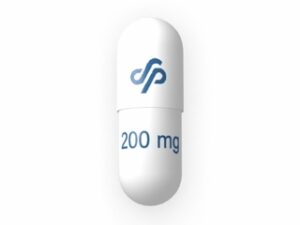
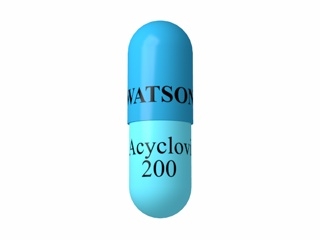
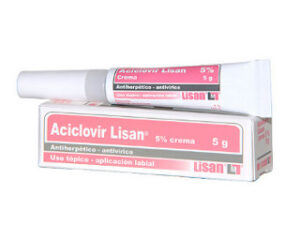
| Common forms | Tablets/capsules (oral), topical creams/ointments (skin), and injections in hospital settings |
| General drug type | Antiviral agent (nucleoside analogue) |
| How it’s taken | Depends on the product strength/form (oral dosing schedules vary) |
Product availability and brand names can vary between pharmacies. If you’re unsure which strength or form is right for you, ask your pharmacist.
How aciclovir works (mechanism of action)
Aciclovir is a nucleoside analogue. In simple terms, it mimics a building block used by viruses to copy their genetic material.
- Activation inside infected cells: Viral enzymes (more specifically, thymidine kinase in HSV and VZV infected cells) help convert aciclovir into its active form.
- Stopping viral DNA replication: The active form interferes with viral DNA synthesis, preventing new virus particles from being produced.
- Selective effect: Because activation is more dependent on viral enzymes, aciclovir tends to have stronger activity in infected cells than in uninfected cells.
The result is reduced viral shedding and fewer complications when started early in the course of infection (particularly for cold sores and shingles).
Pharmacokinetics (how your body handles aciclovir)
Pharmacokinetics describes what happens after you take aciclovir—absorption, distribution, metabolism, and elimination.
- Absorption: Oral aciclovir is absorbed from the gastrointestinal tract. Absorption can be affected by the specific formulation and whether it’s taken with food (details below).
- Distribution: It can distribute into body tissues and fluids, including areas affected by viral infection (e.g., skin lesions in HSV/VZV).
- Metabolism: Aciclovir is not extensively metabolised in the body.
- Excretion: Primarily eliminated through the kidneys via urine. Kidney function is therefore important for safe use.
Because elimination depends heavily on renal function, people with reduced kidney function may need dose adjustments.
Typical uses and indications
Aciclovir is used to treat and, in some situations, prevent outbreaks of infections caused by herpes viruses. The exact indication depends on your health condition and the form of aciclovir supplied.
Common indications
-
Herpes simplex virus (HSV):
- Cold sores (herpes labialis)
- Genital herpes (HSV infections)
- Other HSV-related conditions as advised by a clinician
-
Varicella-zoster virus (VZV):
- Shingles (herpes zoster)
- Chickenpox (varicella), particularly in certain higher-risk groups
In Australia, available products and approved indications can vary by brand and formulation. Always follow the instructions provided with your specific product.
Timing: when to start aciclovir for best results
Antivirals tend to work best when started early.
- Cold sores (HSV): Starting at the first sign (tingling, burning, or redness) may help reduce severity and duration.
- Shingles (VZV): Starting as soon as possible—ideally within the first 72 hours of rash onset—is commonly recommended to improve outcomes.
- Chickenpox (VZV): Treatment is typically most helpful when given early in illness, especially for those at higher risk of complications.
If symptoms are progressing quickly, don’t delay asking a healthcare professional or pharmacist for advice about starting therapy promptly.
Dosing information (general guidance)
Dosing schedules can differ based on the infection type, severity, age, and kidney function, and also on whether the product is oral, topical, or injectable. The sections below provide general patterns, not a personalised prescription for you.
Oral dosing (tablets/capsules) — general patterns
- Cold sores (HSV): Oral regimens commonly involve multiple doses per day for a short course.
- Genital herpes (HSV): Dosing frequency and duration depend on whether treatment is for an initial episode or recurrent outbreaks.
- Shingles (VZV): Oral regimens usually involve several doses per day over about 7 days.
- Chickenpox (VZV): Dosing often depends on age/weight and timing from symptom onset.
Topical aciclovir (cream/ointment) — general patterns
- Topical aciclovir is generally applied to affected skin at regular intervals.
- It is often used for early, localised herpes labialis rather than deep or widespread disease.
Kidney function and dose adjustment
- If you have kidney disease or you’re an older person, your clinician/pharmacist may recommend a lower dose or extended dosing interval.
- Staying well hydrated can support kidney clearance when oral therapy is used.
Practical dosing tips:
- Take each dose at evenly spaced times (unless your product instructions say otherwise).
- Use a reminder if you’re taking it multiple times daily.
- Complete the full course unless you’re advised to stop early.
Always check the label and patient information leaflet that comes with your specific product for the exact schedule.
Food interactions
Food may affect absorption of some oral medicines. In many cases, aciclovir can be taken with or without food.
- General approach: Follow the instructions provided with your specific tablet/capsule brand.
- If you get nausea: Taking doses with a light meal or snack may help (unless your product instructions advise otherwise).
- Maintain hydration: Regardless of food, drink enough fluids to support kidney function.
If you have a sensitive stomach, ask your pharmacist what timing is best for the exact product you have.
Alcohol interactions
There is no single “universal” aciclovir–alcohol interaction, but alcohol can still affect how you feel and how well you cope with infection.
- Immune response and recovery: Alcohol can worsen dehydration and may slow recovery from viral illness.
- Stomach irritation: Both alcohol and aciclovir (in some people) can contribute to stomach upset—especially during illness.
- Safety with other medicines: If you’re taking additional medications (pain relief, anti-nausea medicine, or others), alcohol may interact with those.
Recommendation: It’s generally best to limit alcohol while you’re unwell and taking antiviral therapy. If you plan to drink, check with your pharmacist for guidance based on your full medication list and health situation.
Medicine interactions (important considerations)
The most clinically important interactions are related to the kidneys and other medicines that may affect kidney function or compete for secretion into urine.
Examples of interaction categories
- Other medicines cleared by the kidneys: Some drugs are removed via the renal system. Concurrent use can increase risk of side effects if kidney function is affected.
- Nephrotoxic medicines: Medicines that can harm kidneys may raise risk of kidney-related adverse events when combined with aciclovir.
- Dehydrating drugs or situations: Diuretics, severe vomiting/diarrhoea, or illness-related dehydration can reduce kidney clearance.
What you should do
- Tell your pharmacist about all medicines you take, including over-the-counter products and supplements.
- Be especially careful if you take medicines for kidney disease, high blood pressure, or fluid tablets.
- If you’ve been advised to drink extra fluids or monitor kidney function, follow that advice closely.
Safety profile: side effects and warnings
Most people tolerate aciclovir well. However, like all medicines, it can cause side effects—some mild, others that require urgent attention.
Common side effects (usually mild)
- Nausea
- Diarrhoea
- Headache
- Dizziness (in some people)
- Skin reactions near application sites (for topical products)
Less common but important adverse effects
- Kidney-related effects: Particularly relevant for oral/injectable forms and in people with existing kidney problems or dehydration.
- Neurological symptoms: Rare, but can occur especially if high levels of the medicine develop (e.g., with kidney impairment). Symptoms may include confusion, agitation, or unusual drowsiness.
- Allergic reactions: Rare but potentially serious.
Seek urgent medical help if you experience
- Signs of an allergic reaction (e.g., swelling of the face/lips, breathing difficulties, widespread rash with hives)
- Severe reduction in urination, dark urine, or significant flank/back pain
- Severe confusion, fainting, or seizures
- Persistent vomiting preventing oral intake
Special populations
- Older adults: May be more sensitive to kidney-related side effects; dose adjustment and hydration are important.
- People with kidney disease: Extra caution and possible dose adjustment.
- Pregnancy and breastfeeding: Discuss risk vs benefit with a healthcare professional before use.
Practical use tips (how to get the best results)
- Start early: Use at the first signs of infection when appropriate (especially for cold sores).
- Stay hydrated: Particularly for oral therapy—help the kidneys clear the medicine.
-
Apply topical medicine correctly (if using a cream/ointment):
- Wash hands before and after use.
- Apply a thin layer to affected areas as directed.
- Avoid eyes and inside the mouth unless directed.
-
Reduce spread:
- For genital or oral herpes, avoid sexual contact or kissing during outbreaks if possible, and cover lesions if advised.
- Use barrier protection as appropriate to reduce transmission risk.
- Avoid sharing towels, razors, or lip products during an outbreak.
- Complete the course: Even if symptoms improve, finish your prescribed/labelled course unless instructed otherwise.
Alternative options for herpes virus infections
Depending on the virus, severity, and your individual situation, healthcare professionals may choose other antiviral medicines or supportive therapies.
Possible alternatives
- Valaciclovir: Often used for HSV and VZV; may offer simplified dosing for some people due to improved oral absorption.
- Famciclovir: Another antiviral option for HSV and shingles in selected circumstances.
- Topical antivirals: For localised HSV lesions, topical options may be considered.
- Supportive care: Pain relief, maintaining hydration, and lesion care are also important—especially with shingles.
The “best” option depends on factors such as how quickly you start treatment, kidney function, the type of infection, and whether you need short-course or longer-term management.
Aciclovir in the Australian market and legal context
In Australia, medicines are supplied through pharmacies in accordance with national scheduling rules, product approvals, and state/territory regulations. Availability of specific aciclovir products may depend on the formulation (oral vs topical vs hospital-only), strength, and local supply arrangements.
Online pharmacies in Australia typically provide medicines that are legally permitted for their service model. Some antiviral products may require a prescription, while others may be available through different supply pathways depending on current scheduling and product listing status.
To ensure safe supply, reputable online pharmacies will generally ask you to confirm key details such as your age, current symptoms, relevant medical history (especially kidney problems), and other medicines you use. If a medicine is not suitable, supply may be limited and advice may be provided to see a healthcare professional.
Recent guidance and best-practice updates (general)
While specific recommendations can change over time, commonly emphasised best practices for antiviral therapy in herpes virus infections include:
- Early initiation: Starting antiviral treatment promptly after symptom onset is crucial for maximal benefit (notably shingles and cold sores).
- Renal safety: Kidney function assessment and dose adjustment for oral therapy in high-risk groups.
- Supportive management: Managing pain and hydration, particularly in shingles and chickenpox.
- Transmission prevention: Advising on ways to reduce spread during active outbreaks.
Your pharmacist can explain how these principles apply to the product you are considering and whether additional monitoring is recommended.
Delivery and availability (online pharmacy)
Delivery options vary between Australian online pharmacies. In general, you can expect:
- Secure packaging to protect tablets/creams during transport
- Tracking for many standard delivery services
- Product availability checks depending on brand and strength
- Delivery timeframes that depend on your location (metro vs regional/remote)
If your first-choice aciclovir product is temporarily unavailable, a pharmacy may offer an alternative brand or formulation where permitted and clinically appropriate.
If you need the medicine urgently—especially for shingles—choose the fastest delivery option and check stock availability before placing an order.
FAQ — Aciclovir
1. What is aciclovir used for?
Aciclovir is an antiviral used for infections caused by HSV (such as cold sores and genital herpes) and VZV (such as shingles and chickenpox in certain people).
2. How quickly does aciclovir work?
Many people notice symptom improvement within a few days, but the course and timing depend on the infection type and how early treatment begins. Starting promptly gives the best chance of reducing duration and severity.
3. Can I use aciclovir for every herpes outbreak?
Aciclovir can be appropriate for HSV and VZV infections, but the form (oral vs topical), dose, and timing depend on your condition. If outbreaks are frequent or severe, your pharmacist or clinician may recommend a different strategy.
4. Should I take aciclovir with food?
Often aciclovir can be taken with or without food. If your stomach feels unsettled, taking it with a light meal may help—however, follow the instructions on your product label.
5. Can I drink alcohol while taking aciclovir?
There is no universal prohibition, but alcohol can worsen dehydration and recovery while you’re unwell. It’s generally best to limit alcohol and check if your other medicines or health conditions affect suitability.
6. What if I forget a dose?
Take the forgotten dose when you remember, unless it’s close to the next dose. Do not double up. For exact guidance, check the patient information leaflet or ask your pharmacist.
7. Are there any important kidney-related precautions?
Yes. Because aciclovir is primarily cleared by the kidneys, people with reduced kidney function may need dose adjustment. Staying well hydrated and reporting any kidney-related symptoms is important.
8. Who should be extra careful when using aciclovir?
Extra care is advised for older adults, people with kidney disease, and anyone taking other medicines that may affect kidney function. If you are pregnant or breastfeeding, discuss suitability with a healthcare professional.
9. What side effects should I watch for?
Common effects include nausea, diarrhoea, and headache. Seek urgent help for allergic reactions, severe confusion, reduced urination, or other serious symptoms.
10. Are there alternatives to aciclovir?
Yes. Depending on the condition, valaciclovir or famciclovir may be alternatives. Topical therapies and supportive care may also be used.
When to seek advice
Contact your pharmacist or seek medical help if you:
- Have severe symptoms, worsening pain, or signs of infection spreading
- Have eye involvement (eye pain, redness, or vision changes)
- Are immunocompromised
- Are pregnant or breastfeeding and symptoms suggest HSV or VZV
- Have kidney disease or you’re unable to keep fluids down
With prompt, appropriate antiviral use and good self-care, many herpes virus outbreaks resolve more quickly and with fewer complications.