Aldara (Imiquimod) — Patient Guide (Australia)
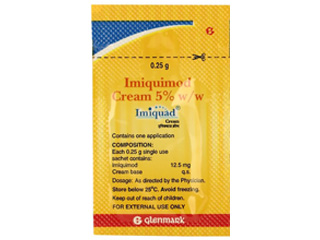
Aldara is a brand of imiquimod cream used on the skin for specific conditions. This guide explains how Aldara works, how it is typically used, what to expect, and important safety information. Always follow the instructions provided with your product and any guidance from your healthcare professional.
Quick Overview
- Active ingredient: Imiquimod
- Medicine type: Topical immune response modifier (skin cream)
- Common form: Cream for application to the affected area
- Where it’s used: Certain skin conditions (e.g., actinic keratosis, superficial basal cell carcinoma in eligible areas, and genital warts)
- How it works: Stimulates the local immune system to help fight abnormal or infected skin cells
Basic Product Information
Aldara contains imiquimod, a topical medicine applied directly to the skin. It is designed to act locally where it is applied, though some amount may be absorbed into the body.
| Category | Details |
|---|---|
| Medicine name | Aldara |
| Generic name | Imiquimod |
| Route of administration | Topical (skin) |
| Typical strength | 5% cream (common formulation) |
| Manufacturer/brand | Marketed as Aldara |
| How it is supplied | Tube or packet depending on local supply |
Note: Product presentation and strength can vary by region and supply. Check the package for exact details.
How Aldara Works (Mechanism of Action)
Imiquimod works by triggering parts of the immune system within the skin. When applied to the affected area, it stimulates receptors (including toll-like receptor 7) on immune cells in the skin. This helps the body release signalling proteins such as interferon-α and other cytokines.
These immune signals can help:
- Reduce abnormal growth in certain skin lesions
- Help clear infection-related lesions such as genital warts
- Support local immune recognition of targeted tissue
Importantly, Aldara is not an instant “freeze or burn” treatment—results often develop over the course of therapy and in the weeks after. The skin reaction you may see is part of the medicine’s immune activity (within safe limits).
Pharmacokinetics (Absorption and Body Handling)
Imiquimod is applied to the skin. Most of the dose stays local, but a small amount may be absorbed through the skin. The extent of absorption can increase if:
- The skin is irritated or inflamed
After absorption, imiquimod is metabolised in the body, and its metabolites are eliminated mainly through normal body processes. In practice, most patients experience the medicine’s effects as local skin changes rather than whole-body effects.
Typical Uses and Indications (What It’s Used For)
Aldara (imiquimod) is used for selected skin conditions where local immune activation is helpful. In Australia, the approved indications depend on the product registration and local prescribing guidance. Common examples include:
- Genital warts (caused by certain types of HPV) in adults
- Actinic keratosis (also called solar keratosis) in eligible patients/lesions
- Superficial basal cell carcinoma in selected cases where topical treatment is appropriate
Your healthcare professional will determine whether Aldara is suitable based on lesion characteristics (size, location, number), skin condition, and your medical history.
Dosing: How Aldara Is Usually Applied
Dosing schedules vary by indication, lesion location, and individual plan. Always follow the regimen on your product label or instructions you were given. The information below provides general guidance commonly used in practice.
General principles
- Apply at night to the affected area and leave it in place for the instructed period.
- Wash hands before and after applying (unless the hands are the treatment area, which is uncommon).
- Use the correct amount (often a thin layer covering the lesion area).
- Do not apply more often than instructed.
- Avoid broken skin and open wounds unless advised.
Common timing (typical pattern)
Many regimens use once daily several days per week for a defined course (commonly at night). Aldara is often applied for 5–7 nights per week or on an alternative schedule depending on the condition. The treatment course length also differs.
Do not change your regimen
If the skin reaction is intense, do not “double up” or increase frequency. If you develop severe symptoms, contact a healthcare professional promptly.
Timing Details: When to Apply and When to Wash Off
Aldara is typically applied before bedtime, left on the skin for the advised duration (often around 8 hours in many regimens), and then washed off.
- Best time: Evening/at night
- Leave-on period: Typically around 8 hours (follow your specific instructions)
- Wash off: Use mild water and a gentle cleanser
If your schedule changes, keep the leave-on duration within the recommended range. For example, if you apply later than usual, still wash off after the recommended leave-on time.
Food Interactions
Because Aldara is used on the skin, food interactions are not expected in the way they are with oral medicines. No specific dietary restrictions are generally required.
Alcohol and Medicine Interactions
Alcohol: There are no well-established direct interactions between Aldara and alcohol. However, alcohol may worsen skin irritation or dehydration and may affect your comfort during treatment. If you notice increased redness, burning, or swelling after drinking alcohol, consider reducing alcohol intake and discuss concerns with your healthcare professional.
Other medicines: The main practical “interaction” for topical medicines is the effect of other creams or products applied to the same area. To reduce irritation:
- Do not apply other creams, deodorants, or skin products over the treated area unless advised.
- Avoid harsh soaps, exfoliants, or alcohol-based skin products on the treated skin.
- Tell your healthcare professional about any other treatments you’re using (including other topical products).
Practical Use Tips (How to Get the Best Results)
Before you apply
- Wash and dry the treatment area gently.
- Apply only to the affected skin (and the recommended surrounding area if advised).
- Check that the skin is not severely broken or oozing unless your clinician instructed otherwise.
During application
- Use a small amount to form a thin layer.
- Rub in gently until the cream disappears.
- Wash hands immediately after (unless your hands are the treated area).
What to expect
- Local redness is common.
- You may also see swelling, itching, burning, erosion, or crusting.
- For some conditions, the lesion may look worse before it improves.
When treatment may need review
Contact a healthcare professional if you experience:
- Severe pain, blistering, or weeping
- Signs of infection (worsening warmth, spreading redness, pus, fever)
- Extensive skin reactions beyond the treatment site
- Any eye involvement
Safety Profile and Side Effects
Aldara can cause local skin reactions. Most are mild to moderate and settle with time, but some reactions can be significant. The safety information below is general; your product information document should be consulted for the complete list.
Common local side effects
- Redness (erythema)
- Swelling (oedema)
- Itching or burning sensation
- Dryness or flaking
- Skin tenderness
- Crusting or scabbing
Less common but important reactions
- Severe local irritation
- Blistering or ulceration
- Excessive pain or marked swelling
- General symptoms such as fatigue or flu-like feelings (uncommon)
When to seek urgent help
Seek urgent medical attention if you suspect an allergic reaction (e.g., widespread hives, facial swelling, breathing difficulty) or you develop rapidly spreading infection.
Who should be extra cautious
- People with a history of strong skin reactions or eczema in the treatment area
- Anyone with impaired immune function (discuss with a clinician)
- Pregnancy or breastfeeding (discuss with a clinician—topical use is sometimes considered case-by-case)
- Children (use only under appropriate guidance)
Dose Missed or Stopping Early
- If you miss a dose, apply it when you remember unless it is close to the next scheduled application. In general, do not double the amount.
- If skin reactions become too severe, do not self-adjust without guidance. Contact a healthcare professional for advice on pausing or changing the plan.
Food, Genital Use, and Sexual Health Considerations
Some Aldara regimens are used for genital warts. If your treatment involves the genital area, it can affect the skin and comfort during intimate contact.
- Avoid sexual activity until the treated skin is healed, if advised.
- Using condoms may be affected because irritation and cream components can influence condom comfort and integrity. Follow professional guidance.
- If you experience bleeding or severe pain, seek medical advice.
Alternative Options to Consider
Depending on the condition being treated and the location/size of lesions, alternative treatments may include:
- Cryotherapy (freezing lesions)
- Other topical medicines (for actinic keratosis or superficial skin lesions)
- Surgical approaches (excision or curettage for appropriate lesions)
- Laser or other local procedures
- For warts: destructive methods or other immune-modulating approaches
Your clinician can recommend the most suitable option based on the specific diagnosis, your skin type, lesion pattern, and preferences about treatment duration and expected side effects.
Market and Legal Context for Australia
In Australia, medicines are regulated under the Australian regulatory framework. Availability and classification can vary depending on the specific product form and indication. Topical prescription medicines and other regulated medicines must be supplied according to Australian laws and pharmacy practices.
For online pharmacy supply, reputable sellers typically confirm suitability and provide product information relevant to Australian consumers. Always ensure you purchase from a licensed Australian pharmacy or an authorised supply channel.
Remember: The safest and most effective use of Aldara depends on correct diagnosis and an appropriate regimen for your condition.
Recent Guidance and Monitoring (What Patients Should Know)
Guidance for topical therapies often emphasises:
- Appropriate diagnosis before starting therapy
- Following the exact application schedule and leave-on time
- Managing irritation safely (gentle cleansing, avoiding additional irritants)
- Regular follow-up when treating skin lesions, especially if lesions change, bleed, or do not improve
Because skin conditions can sometimes mimic each other, persistent or worsening lesions should be reviewed by a clinician. If a lesion does not respond as expected after completing therapy, further assessment may be needed.
Delivery and Availability (Australia)
Aldara is commonly supplied in Australia via pharmacies and may be available through approved online pharmacy services depending on market supply. Delivery time can vary by location and courier service.
- Typical delivery: Often within a few business days, depending on stock and your address.
- Order cut-off times: May affect next-day dispatch.
- Stock changes: Availability can fluctuate—if you need it urgently, contact customer support.
If the product requires refrigeration or special handling (most creams do not, but always verify the pack instructions), ensure it is stored correctly on arrival.
Storage and Handling
- Store at the temperature stated on the package.
- Keep the cream sealed and away from excessive heat and direct sunlight.
- Keep out of reach of children.
- Check the expiry date and do not use after expiry.
FAQ — Frequently Asked Questions
1) How long does it take to work?
Improvement often develops over the treatment course and continues after you finish. Local reactions can begin early (within days), while visible clearance can take longer. If your lesion does not improve as expected, discuss next steps with a healthcare professional.
2) Is Aldara safe if I get it on normal skin?
Aldara should be applied only to the affected area (and the recommended surrounding skin if instructed). If it spreads, it can cause irritation. Gently rinse the area with water if accidental contact occurs, then avoid further rubbing.
3) Can I use moisturisers with Aldara?
In general, avoid other products on the treated area unless your clinician or the product instructions advise it. After washing off Aldara and once irritation is improving, a gentle moisturiser may be used on surrounding skin if allowed. Avoid applying on the active treatment area unless directed.
4) What skin reactions are expected?
Redness, itching, burning, and crusting can be expected as the immune response is activated locally. Severe pain, blistering, or spreading reactions are not typical and should be discussed with a healthcare professional.
5) Should I stop if my skin becomes very sore?
Do not stop abruptly without advice unless you are experiencing a severe reaction or signs of infection. Severe reactions may require pausing or adjusting the plan, which should be guided by a clinician.
6) Can I shave or use hair removal products on the area?
Avoid shaving and hair removal on treated skin during therapy, as it can increase irritation and worsen skin reactions. Ask your clinician when it is safe to resume.
7) Can I be in the sun while using Aldara?
If you are treating sun-damaged skin (e.g., actinic keratosis), protecting the area from sun is important. Covering the area and using appropriate sun protection can reduce discomfort and reduce the chance of additional skin damage.
8) Does Aldara affect condoms or contraception?
For genital-area treatment, irritation and the condition of the skin may affect sexual comfort and condom use. Follow your healthcare professional’s advice. If condoms are recommended, use them correctly and stop intimate contact if pain or bleeding occurs.
9) Are there interactions with other topical treatments?
Yes, using other irritant products over the same area can worsen reactions. Generally avoid other creams, antiseptics, or exfoliating products on the treated area unless instructed.
10) What should I do if I miss several doses?
If you miss multiple doses, continue with the schedule as directed rather than “catching up” repeatedly. If the course becomes inconsistent, ask a clinician or pharmacist for tailored advice.
Summary: Key Points to Remember
- Aldara (imiquimod) is a topical immune response modifier used for specific skin conditions.
- Apply it at night and wash off after the recommended leave-on time.
- Local skin reactions are common; severe or spreading reactions need medical review.
- Avoid other irritant products on the treated area and protect from sun exposure when relevant.
- For best outcomes, use the correct schedule and complete the course unless advised otherwise.