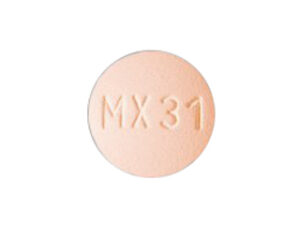
Bupropion (Bupropion Hydrochloride) – Patient Guide (Australia)
Bupropion is a medicine used to help treat certain mental health conditions and to support people who are trying to stop smoking. This guide explains how bupropion works, how it’s taken, key safety information, and practical tips to help you use it effectively.
If you have concerns about whether bupropion is right for you, talk with your healthcare professional. Everyone’s needs are different, and your clinician may adjust your dose based on your medical history and response.
Basic product information
- Generic name: Bupropion hydrochloride
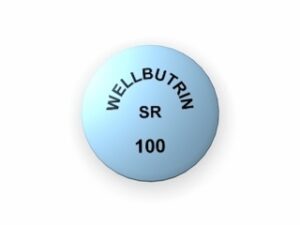
- Common brand examples (may vary): Depending on supply, bupropion may be available under different brand names
- Medicines commonly available: Bupropion formulations include immediate-release and extended-release products
- Available strengths: Varies by product and formulation
- ATC (where applicable): N06AX (antidepressants; other antidepressants)
- Medicine type: Antidepressant; smoking cessation aid (nicotine-free option)
Note: The exact formulation and dosing schedule can differ between immediate-release and extended-release versions, so always follow the instructions on your specific product label.
What bupropion is used for (indications)
Bupropion is used for:
- Depression: Particularly when healthcare professionals consider it appropriate based on your symptoms and personal factors.
- Smoking cessation support: To help people stop smoking and reduce cravings.
Indications and suitability can depend on your health history, including seizure risk and interactions with other medicines.
How bupropion works (mechanism of action)
Bupropion affects brain chemicals that influence mood, motivation, and reward pathways. While the exact mechanism is complex, bupropion is known to:
- Increase levels of key neurotransmitters (particularly norepinephrine and dopamine) by affecting their reuptake.
- Modulate certain neural circuits involved in cravings and mood regulation.
- Be different from some other antidepressants (for example, it generally has less sexual side effects than some selective serotonin reuptake inhibitors, though individual experiences vary).
For smoking cessation, the effect on dopamine and norepinephrine pathways may help reduce nicotine cravings and withdrawal-related symptoms.
Pharmacokinetics (how the body handles bupropion)
Pharmacokinetics describes absorption, metabolism, distribution, and elimination. Key points include:
- Absorption: Bupropion is absorbed after oral dosing. The speed and pattern depend on whether your product is immediate-release or extended-release.
- Metabolism: Bupropion is metabolised in the body, forming active metabolites.
- Active metabolites: At least one metabolite contributes significantly to the overall therapeutic effect.
- Elimination: The medicine and its metabolites are eliminated primarily through the kidneys.
- Duration: Extended-release formulations typically allow once-daily dosing for some regimens, while immediate-release products may require more frequent dosing.
Because bupropion and its metabolites can have a lasting effect, consistent dosing and careful dose changes are important.
Typical timing and how to take bupropion
Starting therapy
Many people begin with a lower dose to improve tolerability, then the dose may be adjusted based on response and side effects.
Time of day
- Morning dosing is often preferred to reduce the risk of insomnia or sleep disruption.
- For some regimens, doses are spaced during the day; follow your product-specific schedule.
Smoking cessation timing
If you’re using bupropion to help stop smoking, healthcare professionals often advise planning a stop date and starting bupropion before that date. Your clinician will provide the exact timing plan.
Practical tip: Set phone reminders or calendar alerts for your dosing times, especially in the first weeks.
Food interactions
Bupropion can generally be taken with or without food. Food may slightly affect absorption for some formulations, but it is usually not considered a major barrier to use.
- If your stomach feels unsettled, taking bupropion with food may help.
- Consistency can be helpful—try to take it the same way each day.
Always follow your clinician’s and pharmacist’s instructions for your specific product.
Alcohol and medicine interactions
Alcohol
It’s important to be cautious with alcohol while taking bupropion. Alcohol can affect your seizure threshold and may worsen side effects such as dizziness, drowsiness, or impaired coordination.
- Avoid heavy or binge drinking.
- If you drink alcohol regularly, discuss this with your healthcare professional before starting or changing bupropion.
Medicines that may interact
Interactions can occur through liver metabolism and other pathways. Tell your pharmacist or doctor about all medicines and supplements you take, including:
- Other antidepressants or medicines that affect neurotransmitters
- Medicines that can lower seizure threshold (some antipsychotics, stimulants, certain antibiotics, and others)
- Certain medicines for irregular heart rhythm (as some affect cardiac conduction)
- Monoamine oxidase inhibitors (MAOIs) – usually require careful timing due to interaction risk
- Medicines metabolised by liver enzymes (bupropion can interact with how other drugs are processed)
In addition to drug interactions, also consider that combining bupropion with substances that affect mood, sleep, or seizure risk may increase side effects.
Dosing: common approaches (details vary by product)
Dosing depends on the formulation (immediate-release vs extended-release), your condition, tolerability, and other medical factors (including seizure risk and kidney or liver function). The information below is general and does not replace product-specific directions from your healthcare professional.
| Condition | Typical dosing approach | Timing notes |
|---|---|---|
| Depression | Usually starts at a lower dose, then may be increased gradually depending on response and side effects. | Often taken in the morning; split dosing for some regimens. |
| Smoking cessation | A planned quit approach is used. Dose is based on the product’s schedule and your clinician’s plan. | Start before your quit date as instructed; maintain dosing consistently. |
Important safety dosing points:
- Do not increase your dose without medical advice.
- Do not crush or split extended-release tablets unless the product instructions explicitly allow it.
- Follow maximum daily doses stated by your product label or clinician.
- If you miss a dose, take it when you remember unless it’s close to your next dose—then skip and continue as normal. Do not double up.
If you want, tell me the exact product strength and whether it’s immediate-release or extended-release, and I can help you understand the typical schedule for that specific form.
When you’ll feel benefits (expected timeline)
Response times vary, but general expectations are:
- Depression: Some people notice changes in sleep, energy, or mood within the first 1–2 weeks, but fuller benefit may take several weeks (often longer).
- Smoking cessation support: Cravings and withdrawal symptoms may change relatively quickly once dosing is established, especially around the quit date.
If you do not notice improvement, or if side effects are difficult to manage, contact your healthcare professional rather than stopping suddenly on your own.
Safety profile and key precautions
Bupropion is generally well tolerated by many people, but it has important precautions. The most notable concerns include:
- Seizure risk: The risk increases with higher doses, certain risk factors, and interactions with other medicines/substances. People with specific seizure-related risks may not be suitable.
- Blood pressure/heart rate: Some people experience an increase in blood pressure or changes in cardiovascular parameters.
- Insomnia and agitation: Because of its activating effects, some people feel jittery, anxious, or have trouble sleeping—especially if taken late in the day.
- Risk of mood changes: As with other antidepressant treatments, monitor for worsening mood, unusual behaviour, or agitation—particularly early in treatment.
Common side effects
Many side effects are mild to moderate and often reduce after the first few weeks. Common ones include:
- Headache
- Nausea or stomach discomfort
- Dry mouth
- Insomnia or sleep disturbance
- Anxiety, restlessness, or feeling “wired”
- Dizziness
- Increased sweating
Less common but important warnings (seek urgent medical help)
- Seizures (convulsions, loss of consciousness, uncontrolled shaking)
- Severe allergic reactions (swelling of face/lips, difficulty breathing, widespread rash)
- Signs of severe mood changes such as escalating agitation, confusion, or thoughts of self-harm
- Symptoms of dangerously high blood pressure (severe headache, chest pain, shortness of breath, fainting)
If any of the above occur, seek urgent care or call emergency services in Australia (000).
Who should be extra careful
Your clinician may assess suitability more carefully if you have any of the following:
- A history of seizures or factors that increase seizure risk
- Eating disorders such as bulimia or anorexia
- Significant alcohol use with abrupt changes in drinking pattern
- Use of medicines that can lower seizure threshold
- Certain liver conditions (may affect dosing safety)
- High blood pressure or heart rhythm conditions
Practical use tips (to improve comfort and adherence)
- Take it at the same time each day to maintain stable levels.
- Choose a morning routine if insomnia occurs. Avoid late dosing.
- Stay consistent: sudden dose changes can increase side effects and reduce effectiveness.
- Manage dry mouth: sip water regularly; consider sugar-free gum.
- If nausea happens: take with food and keep meals regular.
- Track your symptoms: note sleep, mood, and cravings weekly to discuss progress with your clinician.
- Avoid abrupt alcohol changes: if you drink, discuss a safe plan rather than stopping suddenly.
If you experience persistent insomnia, increasing anxiety, or significant agitation, contact your healthcare professional promptly. Sometimes adjusting timing, dose, or formulation can help.
Alternative options
Depending on the condition being treated, clinicians may consider alternatives. Options may include:
- Other antidepressants (chosen based on your symptoms, side effect preferences, and interactions)
- Psychological therapies such as CBT (cognitive behavioural therapy) or other evidence-based supports for depression
- Smoking cessation approaches:
- Nicotine replacement therapies (patches, gum, lozenges)
- Varenicline (where appropriate)
- Behavioural support programs and quitline services
Your best alternative depends on your health profile, current medicines, and previous experiences with treatment. Always consult a healthcare professional before switching.
Market and legal context for Australia
In Australia, medicines containing bupropion are regulated under the Therapeutic Goods framework and are supplied in line with Australian medicines scheduling and prescribing rules. Availability may vary by formulation and brand, and dispensing is typically handled through licensed pharmacy channels.
For the latest information on product status, safety updates, and approved indications, you can refer to official Australian resources such as:
- Medicines Information and product details from the Australian Therapeutic Goods Administration (TGA)
- Resources from Australian medicines safety and health authorities
Guidance can evolve as new evidence and safety communications are released.
Recent guidance (what to watch for)
In recent years, emphasis in mental health treatment guidance has typically included:
- Careful screening for seizure risk and relevant contraindications.
- Monitoring early in treatment for worsening mood, unusual behaviour changes, or agitation.
- Reviewing interactions with other medicines and substances (including alcohol).
- Individualising dose and using suitable formulations to improve tolerability.
Your healthcare professional may also recommend regular follow-ups, especially during dose changes.
Delivery and availability (online pharmacy)
Availability of bupropion can vary based on local stock and formulation (immediate-release vs extended-release). Most online pharmacy services in Australia:
- Offer options for home delivery where permitted by law
- Provide secure packaging to protect product integrity
- Share delivery timeframes at checkout
- May require verification steps to comply with Australian regulations
When ordering, ensure you select the correct formulation and strength to match your intended dosing plan.
If you need urgent supply, contact the pharmacy directly to confirm current stock and dispatch times.
FAQ
1) Is bupropion the same as bupropion hydrochloride?
Yes. “Bupropion” refers to the active medicine; “bupropion hydrochloride” is the salt form used in tablets/capsules.
2) How long does bupropion take to work?
Some people notice early changes within 1–2 weeks, but meaningful improvement—especially for depression—often takes several weeks. Smoking cessation effects are typically noticeable around the quit date as the treatment plan begins.
3) Can I take bupropion with food?
Usually, yes. Taking with food may help if you get nausea. Consistency is recommended.
4) What should I do if I miss a dose?
If you remember soon after missing it, take it when you can. If it’s close to the next scheduled dose, skip the missed dose and continue as normal. Do not double up.
5) Will bupropion make me feel sleepy?
Bupropion is often described as more “activating” than some other antidepressants. Some people feel insomnia or restlessness, especially if taken late. Taking it in the morning may help.
6) Can I drink alcohol while taking bupropion?
It’s best to be cautious. Alcohol can increase risk of side effects and may affect seizure threshold. Avoid heavy or binge drinking and discuss your alcohol use with your healthcare professional.
7) Does bupropion have sexual side effects?
Sexual side effects can occur with many antidepressants. Bupropion is sometimes associated with fewer sexual side effects than certain other antidepressants, but individual responses vary.
8) What are the most serious risks?
The most urgent concerns include seizures, severe allergic reactions, and significant mood worsening or behavioural changes. Seek urgent help if you experience these.
9) Is bupropion suitable for everyone?
Not necessarily. Suitability depends on your medical history, other medicines, seizure risk factors, and liver/kidney function. Your healthcare professional will assess this.
10) What other options exist if bupropion isn’t suitable?
Alternatives may include other antidepressants, therapy options, and for smoking cessation, nicotine replacement therapies or varenicline (depending on your situation and clinician advice).
Important note
This information is designed to be patient-friendly and educational. It does not replace advice from your healthcare professional. If you have questions about your specific condition, formulation, or interactions with other medicines, ask your pharmacist or doctor.