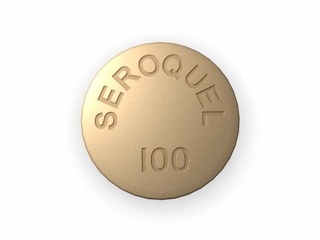

Seroquel (Quetiapine) – Consumer Medicine Information (Australia)
Seroquel is a brand of the medicine quetiapine. It belongs to a group of medicines called antipsychotics and is used to treat certain mental health conditions. Depending on the dose and formulation, quetiapine may also be used for mood-related symptoms.
This page is designed to help you understand how quetiapine works, what it’s used for, and what to expect during treatment. It also covers practical tips and safety information. Always follow the directions provided by your healthcare professional and read the Consumer Medicine Information (CMI) supplied with your medicine.
Quick facts
- Active ingredient: Quetiapine
- Medicines class: Atypical antipsychotic
- Common forms: Immediate-release (often taken 2–3 times daily depending on regimen) and modified-release (often taken once daily depending on product)
- How it’s taken: Swallowed tablets (timing varies by formulation)
- Typical effects: May reduce agitation, hallucinations, delusions, mood symptoms, and help improve sleep as side effects settle
How Seroquel works (mechanism of action)
Quetiapine affects several brain chemical pathways, particularly those involving:
- Serotonin (5-HT) receptors
- Dopamine receptors
- Some histamine (H1) receptors, which may contribute to drowsiness
- Some adrenergic (alpha-1) receptors, which may contribute to lowered blood pressure in some people
By balancing these signals, quetiapine may help improve symptoms related to psychosis and mood instability. The exact mechanism is complex, but the overall effect is calming and symptom control for the conditions it treats.
Pharmacokinetics (how the body handles quetiapine)
Understanding pharmacokinetics can help you understand why dosing schedules differ and why missed doses matter.
| Topic | What typically happens |
|---|---|
| Absorption | Quetiapine is absorbed after oral dosing. The degree of absorption can vary with food and with the specific formulation (immediate-release vs modified-release). |
| Peak concentration | Peak blood levels occur at different times depending on formulation—immediate-release generally peaks earlier, while modified-release peaks later. |
| Distribution | Quetiapine is widely distributed throughout the body, including the brain. |
| Metabolism | Mostly metabolised in the liver. Certain medicines can affect the enzymes involved, which may change quetiapine levels. |
| Elimination | Excreted mainly as metabolites. The half-life differs by formulation and patient factors, influencing how often it’s taken. |
| Individual factors | Age, liver function, other medicines, and smoking status may influence quetiapine levels and effects. |
What it’s used for (indications)
Seroquel/quetiapine may be used for conditions such as:
- Schizophrenia and other psychotic disorders
- Bipolar disorder (for example, mood episodes—your doctor will specify which type)
- Depressive episodes associated with bipolar disorder (in some cases, depending on local product indication)
- Adjunct treatment in certain mood disorders may be considered by clinicians
Indications can differ based on the specific product, dose, and formulation. Refer to the CMI for your exact product.
Typical dosing and timing
Dosing is individual. Your prescriber may start at a low dose and increase gradually to reduce side effects such as sleepiness, dizziness, and low blood pressure.
Starting and dose adjustment (general principle)
- Begin with a lower dose and increase slowly (“titration”).
- Changes may be based on symptom response and tolerability.
- Doses may be split across the day for immediate-release products; modified-release products are often once daily.
Example timing patterns (illustrative)
The following are general patterns only. Always use the schedule on your medication label.
- Immediate-release: often taken in the evening and/or divided during the day.
- Modified-release: typically taken once daily, often in the evening.
Missed dose
- If you miss a dose, take it when you remember unless it is close to your next dose.
- Do not take a double dose to make up for a missed dose.
- If you’ve missed several doses, consult your healthcare professional for advice on restarting.
Food interactions and how to take it with meals
Food can affect quetiapine absorption for some formulations. For the best results:
- Follow your label and CMI regarding whether to take with food.
- If your product is required to be taken with food (depending on formulation), try to take it consistently the same way each day.
- If switching how you take it (with or without food), discuss changes with your pharmacist.
Consistency helps maintain stable blood levels, which may improve symptom control and reduce side effects.
Alcohol and medicine interactions
Alcohol
Alcohol can increase the sedating effects of quetiapine and increase the risk of dizziness, falls, and impaired judgement. It may also worsen mood symptoms in some people. It’s generally recommended to avoid or minimise alcohol while taking Seroquel, and discuss your situation with your healthcare professional.
Common medicine interactions
Quetiapine levels may be affected by medicines that influence liver enzymes (particularly CYP3A4). Quetiapine may also increase the effect of other sedating medicines.
Tell your pharmacist/doctor if you take any of the following (not an exhaustive list):
- Strong enzyme inhibitors (can raise quetiapine levels), for example some antifungal medicines and certain antibiotics
- Enzyme inducers (can lower quetiapine levels), for example some seizure medications and rifampicin
- Other sedatives, including benzodiazepines, opioids, and some sleep or anxiety medicines
- Medicines that affect heart rhythm or lower blood pressure
- Antidepressants and mood medicines (the combination may be appropriate in some regimens but needs monitoring)
- Some antihistamines that cause drowsiness
Illicit drugs and smoking
- Smoking can affect how quickly some antipsychotics are metabolised. Keep your healthcare team informed if you smoke, reduce smoking, or quit.
- Illicit drug use can unpredictably change mental state and may increase safety risks.
Safety profile: common and serious side effects
Like all medicines, quetiapine can cause side effects. Many are more noticeable at the start or when the dose is increased and may improve as your body adjusts. Report concerning symptoms promptly.
Common side effects
- Sleepiness or fatigue
- Dizziness, especially when standing up
- Dry mouth
- Constipation
- Increased appetite and weight gain
- Low blood pressure (may cause light-headedness)
- Headache
Metabolic and cardiovascular considerations
Quetiapine can be associated with weight gain and changes in blood sugar and lipids. Your clinician may monitor:
- Weight and waist circumference
- Blood glucose (or HbA1c)
- Lipids (cholesterol and triglycerides)
- Blood pressure
Serious but less common risks
- Neuroleptic malignant syndrome (rare, serious): fever, muscle stiffness, confusion, fast heart rate
- Tardive dyskinesia (involuntary movements) with long-term use
- Severe allergic reaction (swelling, rash, breathing difficulty)
- Falls and accidents due to sedation or dizziness
- Changes in heart rhythm (your doctor may check an ECG in certain circumstances)
- Increased risk of thoughts/behaviours in some people early in treatment for mood disorders (closely monitored by clinicians)
Seek urgent medical help if you experience symptoms of a serious reaction or a medical emergency.
Driving and machinery
Because quetiapine may cause drowsiness and dizziness, be cautious with:
- Driving
- Operating machinery
- Any activity that requires alertness
Avoid these activities until you know how Seroquel affects you.
Practical use tips for daily life
The following tips may help you get the most from treatment and reduce avoidable problems:
- Use consistent timing: take it at the same time(s) each day unless your label says otherwise.
- Plan for drowsiness: if you feel sleepy, consider adjusting your schedule (e.g., avoid morning driving early in treatment, if advised).
- Stand up slowly: to reduce dizziness from low blood pressure.
- Hydrate and manage constipation: include fluids and fibre; ask a pharmacist about safe options if constipation occurs.
- Track side effects: note weight changes, sleepiness, and any unusual movements or symptoms; share with your clinician.
- Don’t stop suddenly: abrupt discontinuation can cause problems. If you need to stop, your clinician will guide a safe taper.
Alternatives to Seroquel (quetiapine)
There are other treatment options for the conditions Seroquel is used for. The best choice depends on your diagnosis, previous responses, side effects, medical history, and current medicines.
Other antipsychotics
- Olanzapine
- Risperidone
- Aripiprazole
- Ziprasidone
- Paliperidone
- Lurasidone (for certain bipolar depression indications depending on product guidance)
Mood disorder options
For bipolar disorder and depression, other classes may include mood stabilisers and antidepressant strategies, depending on the individual.
- Lithium
- Valproate
- Lamotrigine
- Other strategies such as structured psychotherapy
Discuss alternatives with your clinician—switching antipsychotics or mood medicines requires careful planning to maintain symptom control and minimise withdrawal or rebound effects.
Australia: market and legal context
In Australia, medicines containing quetiapine are regulated. Availability, packaging, and prescribing/dispensing requirements depend on the Australian regulatory framework and the specific product strength and form. For online pharmacies, orders are typically processed in line with Australian laws and pharmacy regulations.
Product listings may differ between brands and strengths. Your pharmacy team can help you confirm: the exact formulation, strength, and instructions for use for the item you’re ordering.
Recent guidance and monitoring (what to expect)
Ongoing clinical guidance for atypical antipsychotics commonly emphasises:
- Baseline assessment (weight/BMI, blood pressure, blood sugar and lipids where relevant)
- Ongoing monitoring for metabolic changes, sedation, and movement-related effects
- Review of benefit vs side effects over time
- Careful assessment of risk for people at higher risk of falls, cardiovascular issues, or metabolic disease
- Medication review for drug–drug interactions, especially with liver enzyme modifiers
Your clinician may schedule check-ins early in treatment and again during dose changes.
Delivery and availability
At an online pharmacy in Australia, availability and delivery can vary based on stock levels and local regulations. When you place an order for quetiapine/Seroquel, your pharmacy may:
- Confirm the product strength and formulation (immediate-release vs modified-release)
- Check that your required dispensing information is correct
- Pack your order securely to prevent damage
- Use standard or express delivery options where available
Delivery timeframes depend on your location and the pharmacy’s dispatch schedule. You can usually find estimated delivery details at checkout.
What to do if you miss a dose or feel unwell
If you miss doses, experience severe drowsiness, fainting, chest palpitations, or any concerning reaction, contact a healthcare professional promptly. If you have difficulty breathing, signs of an allergic reaction, or symptoms suggesting a medical emergency, seek urgent help.
FAQ: Seroquel (Quetiapine)
1) Why do doctors start with a low dose?
Starting at a low dose and increasing gradually can reduce side effects such as sleepiness, dizziness, and low blood pressure.
2) Will Seroquel make me sleepy?
Many people experience drowsiness, especially early in treatment or after dose increases. Over time, some people adapt, but sedation can remain. Avoid driving or operating machinery until you know how you respond.
3) Can I take Seroquel at night?
Often, quetiapine is taken in the evening—particularly if your product label supports it and your clinician has recommended this schedule. Always follow the instructions on your label for your exact formulation.
4) Is it safe to drink alcohol while taking quetiapine?
Alcohol can increase sedation and dizziness. It’s generally safest to avoid alcohol or discuss what’s appropriate for you with your healthcare professional.
5) Are there foods I should avoid?
Most dietary restrictions are not absolute, but food may affect absorption depending on the formulation. Follow the CMI and label instructions for whether to take with food.
6) What if I feel better—should I stop?
Even if you feel better, stopping suddenly can cause problems. Do not stop on your own—talk to your clinician about a safe plan if treatment changes are needed.
7) How long does it take to work?
Some benefits may be noticed early (such as reduced agitation or improved sleep), but full effects on mood or psychosis can take longer. Your prescriber may continue dose adjustments over time based on response and side effects.
8) What should I tell my doctor/pharmacist before starting?
Tell them about:
- All medicines and supplements you take
- Any liver problems or cardiovascular history
- Past reactions to antipsychotics
- Alcohol use
- Whether you smoke
- Any history of seizures, diabetes, or high cholesterol
9) Can quetiapine be used for insomnia?
Quetiapine can cause sleepiness, but insomnia treatment decisions should be based on your diagnosis and the best evidence-based option for your situation. If you are taking it for sleep, your prescriber will tailor the regimen to your needs and monitor safety.
10) What monitoring might I need?
Your clinician may check weight, blood pressure, blood glucose, lipids, and sometimes heart rhythm (ECG) depending on your risk factors and the dose.
Important safety note
This information is general and may not cover all situations. Quetiapine can have important interactions and may not be appropriate for everyone. If you’re unsure about side effects, drug interactions, or how to take your specific Seroquel product, speak with your pharmacist or healthcare professional.