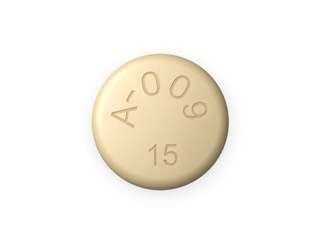

Abilify (Aripiprazole) — Patient-Friendly Guide (Australia)
Abilify is a brand of aripiprazole, a medicine used to treat several mental health conditions. This page explains how it works, how it is usually taken, what to expect, and important safety information in a clear, patient-friendly way for people in Australia.
Quick overview
- Active ingredient: Aripiprazole
- Brand name: Abilify
- Common forms: Tablets, oral solution (where available); injectable forms also exist for some patients.
- Typical uses: Schizophrenia, bipolar disorders, and other specified conditions depending on local product indications.
- How it works: Modulates dopamine and serotonin activity in the brain.
- Key considerations: Side effects, monitoring, and avoiding drug/alcohol interactions.
1) Basic product information
In Australia, aripiprazole is marketed under brand names including Abilify. Your exact product strength, dosage form, and dosing schedule depend on the condition being treated and your individual health profile.
Important: Always use the specific pack and strength you were instructed for, and follow directions from your treating healthcare professional.
Common strengths and formulations
Product strengths vary by market and formulation. If you’re unsure which one you have (e.g., tablet strength or oral solution concentration), check the pack label and pharmacy directions.
2) How Abilify works (mechanism of action)
Aripiprazole belongs to a group of medicines called antipsychotics (second-generation/atypical). Its action is different from many other antipsychotics.
- Partial agonist at dopamine D2 receptors: It can both reduce or increase dopaminergic signalling depending on baseline dopamine activity—helping “stabilise” dopamine pathways.
- Partial agonist at serotonin 5-HT1A receptors: May support mood and anxiety-related pathways.
- Antagonist at serotonin 5-HT2A receptors: Contributes to its effects on psychotic symptoms and mood.
In practical terms, this “balanced” receptor activity is designed to help improve symptoms while aiming for a side-effect profile that may differ from other antipsychotic medicines.
3) Pharmacokinetics (how the body handles it)
Pharmacokinetics describes what happens to a medicine in the body—absorption, distribution, metabolism, and elimination. While individual results vary, these general points help you understand what to expect.
Absorption
Aripiprazole is absorbed after oral dosing. Peak blood levels occur within a few hours for many formulations.
Distribution
The medicine distributes into body tissues, including the brain, to produce its intended effects.
Metabolism
Aripiprazole is mainly metabolised by liver enzymes, particularly CYP2D6 and CYP3A4. This means other medicines that strongly affect these enzymes can change aripiprazole levels.
Elimination and half-life
Aripiprazole has a long elimination half-life. Its main metabolite also contributes to overall activity. This is one reason dosing is often once daily for many patients.
4) Typical uses and indications
Aripiprazole is used for multiple conditions. In Australia, the exact approved uses can vary by formulation and product schedule. Common clinical uses include:
- Schizophrenia (helping manage symptoms such as hallucinations, delusions, disorganised thinking)
- Bipolar I disorder:
- Mania or mixed episodes
- Maintenance to help prevent relapse
- Irritability associated with autism spectrum disorder in certain paediatric groups (subject to local approval and clinical criteria)
- Other specific indications as per local product information and prescriber assessment
Your clinician will match the medicine to your diagnosis, symptom pattern, and treatment history.
5) When and how to take Abilify (timing and dosing basics)
Abilify is commonly taken once daily for oral formulations. The best time of day can depend on how it affects you (e.g., alertness or sleepiness) and whether you have side effects like nausea.
Timing tips
- Consistency helps: Try to take it at the same time each day.
- If you feel sleepy: ask your pharmacist or prescriber whether evening dosing may suit you.
- If you feel restless or “activated”: consider morning dosing discussions with your healthcare professional.
- Missed dose: do not double up unless your healthcare professional advises. Follow the instructions provided with your medicine or your pharmacist’s advice.
Dosing (general guidance)
Dosing must be individualised. Typical starting and target doses depend on the condition, age, formulation, and other medicines you may be taking. Your healthcare professional may start at a lower dose and adjust gradually.
| Condition (examples) | Typical approach | Notes |
|---|---|---|
| Schizophrenia | Once daily dosing with gradual adjustment | Clinical response may take days to weeks; full benefit can take longer. |
| Bipolar I disorder (mania/mixed) | Once daily dosing with adjustment based on symptoms and tolerability | Close monitoring is important during dose changes. |
| Bipolar I disorder (maintenance) | Once daily dosing to help prevent relapse | Do not stop suddenly without medical guidance. |
| Other approved uses | Dose determined by age and indication | Paediatric dosing schedules vary by product and criteria. |
For exact dosing: refer to your label or your healthcare professional’s instructions.
6) Food interactions
Aripiprazole can generally be taken with or without food. However, individual tolerance may vary.
- With food: Some people find it easier on the stomach.
- Without food: If nausea occurs, taking it after a light meal may help.
- Consistency: Using a similar routine each day can reduce side effects.
Always follow the directions on your medicine label and the advice of your pharmacist.
7) Alcohol and medicine interactions
Alcohol
It is generally recommended to avoid alcohol or keep it minimal when taking aripiprazole. Alcohol can worsen dizziness, drowsiness, mood changes, and judgement, which may affect safety and overall symptom management.
Medicines that may interact (key examples)
Because aripiprazole is metabolised by liver enzymes (especially CYP2D6 and CYP3A4), other medicines that affect these pathways may change aripiprazole levels.
- CYP3A4 inhibitors may increase aripiprazole exposure (e.g., some antifungals and certain antibiotics). This could raise side-effect risk.
- CYP3A4 inducers may decrease exposure (e.g., some seizure medications and smoking-related enzyme changes), potentially reducing effectiveness.
- CYP2D6 inhibitors can also increase aripiprazole levels.
- Other central nervous system (CNS) medicines: Combining with sedatives (such as certain sleep medicines, opioids, or strong antihistamines) may increase sedation or impair coordination.
Tell your pharmacist about all products
Include prescription medicines, over-the-counter products, vitamins, herbal supplements, and any recent changes. In particular, review:
- Medicines for depression, anxiety, sleep, or ADHD
- Medicines for epilepsy/seizures
- Antifungals and some antibiotics
- St John’s wort (an herbal product that can affect enzyme activity)
- Smoking status and changes (nicotine can be associated with enzyme induction in some people)
8) Safety profile: side effects and when to seek help
Like all medicines, aripiprazole can cause side effects. Many are mild and may improve as your body adjusts. However, some symptoms require prompt medical attention.
Common side effects
- Akathisia (inner restlessness) or agitation
- Nausea
- Headache
- Sleep changes (insomnia or somnolence)
- Dizziness
- Constipation
- Fatigue
Metabolic and weight-related effects
Some antipsychotic medicines can affect weight, cholesterol, and blood sugar. Your clinician may monitor:
- Weight and waist changes
- Blood glucose
- Cholesterol and triglycerides
While the risk may vary between medicines and individuals, monitoring helps catch changes early.
Movement-related effects
Antipsychotics can cause extrapyramidal symptoms in some people, including:
- Restlessness (akathisia)
- Muscle stiffness
- Tremor
- Uncontrolled movements (less common but important)
Seek urgent medical attention if you have
- Signs of an allergic reaction (swelling of face/lips, rash, difficulty breathing)
- Symptoms of a serious blood disorder or infection (high fever, severe sore throat, unusual bruising)
- Neuroleptic malignant syndrome signs: high fever, severe muscle stiffness, confusion, sweating
- Severe worsening of mood or thoughts of self-harm
- Unusual movements that concern you
Important safety considerations
- Driving and machinery: If you feel dizzy, sleepy, or impaired, avoid driving or operating machinery until you know how the medicine affects you.
- Fall risk: Take care when getting up quickly, especially at the start of treatment.
- Suicidal thoughts: If you notice worsening depression or suicidal thoughts, seek urgent help.
9) Practical use tips for best results
Taking Abilify consistently and supporting your overall health can improve outcomes. The following tips are practical and patient-friendly.
- Give it time: Some benefits may appear within days, but symptom improvement can take several weeks. Keep taking it as directed.
- Don’t stop suddenly: Stopping abruptly can cause problems. If you need to change treatment, discuss a gradual plan with your healthcare professional.
- Track side effects: Note new symptoms such as restlessness, sleep changes, or nausea. This helps your clinician adjust dose or timing.
- Support sleep routine: A stable sleep schedule can reduce insomnia or daytime fatigue.
- Monitor weight and activity: Follow a balanced diet and stay active where possible. Small routine changes can help with metabolic side effects.
- Take with water: For tablets, swallow with a full glass of water unless your pharmacist advises otherwise.
- Keep appointments: Regular follow-ups are important to assess effectiveness and side effects.
10) Missed doses and dose changes
If you miss a dose, follow the instructions given with your medicine or the advice of your pharmacist. In general, many medicines are resumed when remembered unless it is near the next scheduled dose.
Do not change your dose or take extra tablets unless you have clear instructions to do so.
11) Alternative options
Depending on your diagnosis and personal factors, your healthcare team may consider other treatment options. Alternatives can include:
- Other atypical antipsychotics (choice depends on symptoms and side-effect profile)
- Different formulations (e.g., longer-acting injectable options for some patients to improve consistency)
- Psychosocial supports such as psychological therapies, family/carer support, and rehabilitation programs
- For bipolar disorder: mood stabilisers and other adjunct strategies may be used in combination or instead
The “best” alternative varies from person to person. Discuss options with a healthcare professional to match symptoms, risk factors, and previous experiences.
12) Abilify in Australia: market and legal context
In Australia, medicines are regulated through the Therapeutic Goods Administration (TGA). Aripiprazole products are distributed under Australian medicines scheduling and prescribing frameworks. Availability may depend on formulation, strength, and local supply.
For safe use, Australian pharmacies follow regulatory requirements for dispensing, patient counselling, and documentation.
Recent guidance and monitoring themes
Guidance for antipsychotic use generally focuses on:
- Individualised dosing and careful dose adjustments
- Baseline and ongoing monitoring (weight, blood glucose, cholesterol where appropriate)
- Side-effect awareness, including movement disorders, sedation, and metabolic effects
- Reviewing benefit vs. risk over time
- Careful interaction checks with other medicines
Specific recommendations can vary by product, patient group, and evolving safety communications. Your clinician can provide the most up-to-date plan for your situation.
13) Delivery and availability (Australia)
Availability of Abilify depends on the specific formulation and strength. Online pharmacies in Australia typically aim to source medicines through established supply channels, subject to inventory and regulatory requirements.
- Delivery: Delivery times vary by location and supplier arrangements.
- Packaging: Medicines are supplied in appropriate manufacturer or pharmacy packaging.
- Storage: Follow storage instructions on the label (often room temperature and protection from moisture/heat).
- Receiving your order: Check the product name, strength, and expiry date when it arrives.
If you have questions about availability for your exact strength or formulation, contact the pharmacy or check the product listing for current stock status.
14) Abilify FAQ
How long does it take to work?
Some people notice changes in restlessness, sleep, or agitation within days. Broader symptom improvement may take several weeks. Your follow-up appointments help assess response and whether any dose or timing adjustments are needed.
Can I take Abilify with food?
Yes. Aripiprazole can generally be taken with or without food. If you experience stomach upset, taking it after a light meal may help.
What should I do if I feel more restless after starting?
Restlessness (sometimes called akathisia) can occur. Contact your healthcare professional promptly so they can assess whether a dose adjustment or supportive treatment is appropriate.
Does Abilify cause weight gain?
Some people experience weight changes. Monitoring weight and discussing lifestyle strategies can be helpful. Your clinician may also check blood glucose and cholesterol periodically.
Can I drink alcohol while taking Abilify?
It’s usually best to avoid or limit alcohol because it can increase dizziness, impair coordination, and worsen mood or sleep.
What medicines commonly interact with aripiprazole?
Medicines that affect liver enzymes (especially CYP2D6 and CYP3A4) can alter aripiprazole levels. Also, medicines that increase sedation may add to drowsiness or impaired coordination. Always ask your pharmacist about your specific medicines and supplements.
Is it safe to stop Abilify suddenly?
Do not stop suddenly unless your healthcare professional advises. If treatment needs to change, a supervised plan is usually recommended to reduce the risk of symptom relapse or withdrawal-related issues.
What if I miss a dose?
Follow the instructions on your medicine label or the advice from your pharmacist. In many cases, you resume your regular schedule rather than doubling up.
How should Abilify be stored?
Store according to the instructions on the label and keep out of reach of children. Avoid heat, moisture, and direct sunlight unless the label states otherwise.
Are there monitoring tests I should expect?
Your clinician may monitor weight, blood pressure, blood glucose, cholesterol, and movement-related side effects as appropriate for your personal risk factors and length of treatment.
Remember: This information is designed to help you understand Abilify (aripiprazole). Your individual treatment plan should always be guided by your healthcare professional and the specific product information supplied with your medicine.