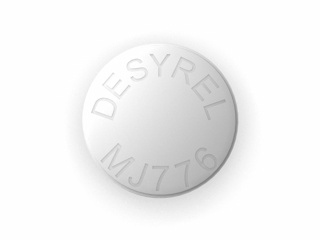


Desyrel (Trazodone) – Patient-Friendly Guide (Australia)
Desyrel is the brand name for trazodone, a medicine used mainly to treat depression. It works by affecting brain chemicals involved in mood and sleep. Many people also experience improved sleep because trazodone can help with insomnia symptoms that often accompany depression.
This page explains how Desyrel works, how it is typically used, important safety information, interactions to watch for (including alcohol), and what to expect in Australia.
Quick overview
- Medicine: Desyrel (trazodone)
- Common uses: Depression; may also help with sleep problems related to depression
- How it works: Modifies serotonin activity and blocks certain receptors involved in sleep and mood regulation
- Typical dosing: Usually started at a lower dose and adjusted gradually
- Key cautions: Drowsiness, dizziness, sleepiness; interactions with alcohol and certain medicines; rare heart rhythm effects in susceptible people
Basic product information
Desyrel contains trazodone. It comes as an oral formulation. Your exact product strength and dosing instructions will depend on the product available to you and your prescriber’s plan.
In Australia, trazodone medicines are generally supplied through standard pharmacy channels and are subject to local regulatory requirements. Availability may vary by supplier and formulation.
How Desyrel works (mechanism of action)
Depression and sleep are influenced by several chemical pathways in the brain. Trazodone mainly affects serotonin—a neurotransmitter involved in mood, anxiety, and sleep regulation.
Key actions include:
- Serotonin reuptake and receptor effects: Trazodone increases serotonin activity and also acts on serotonin receptors (including 5-HT2 receptors), which may help improve mood and reduce insomnia.
- Antagonism of certain receptors: By blocking some serotonin and other receptors, trazodone can contribute to calming effects and sleepiness.
- Balance of neurotransmission: Compared with many other antidepressants, trazodone’s receptor profile can produce a distinct pattern of side effects—often including sedation—especially when started at lower doses.
Important: The exact benefit and side effect profile can vary from person to person. Some people notice sleep improvement earlier than mood improvement.
Pharmacokinetics (how the body handles the medicine)
After you swallow Desyrel, it is absorbed and processed by the body. The medicine is metabolised mainly in the liver, producing active and inactive metabolites. Ultimately, most of it is eliminated by the body through normal excretion processes.
General points (may vary by individual):
- Absorption: Trazodone is absorbed from the gastrointestinal tract after oral dosing.
- Metabolism: Primarily hepatic (liver) metabolism.
- Elimination: Metabolites are cleared from the body, with clearance affected by liver function, age, and other medications.
- Onset: Sedation can be felt sooner; antidepressant effects typically take longer.
If you have liver disease, significant liver impairment, or take multiple medicines, you may need extra monitoring and careful dose adjustment.
What is Desyrel used for?
The primary indication for Desyrel is the treatment of depression. It is often considered where insomnia or sleep disturbance is also a prominent feature.
Possible clinical goals include:
- Reducing depressed mood and associated symptoms
- Improving sleep quality (especially when sleep problems occur with depression)
- Helping restore normal daily functioning
Your healthcare professional may tailor use to your individual symptoms, including dose timing to support sleep.
How to take Desyrel: typical timing and dosing approach
Many people take trazodone in the evening because it can be sedating. Your exact dose will be determined by your healthcare provider based on your symptoms, tolerability, age, and other medicines.
Typical dosing principles
- Start low: A lower starting dose is commonly used to reduce dizziness, sedation, and other early side effects.
- Adjust gradually: Doses may be increased stepwise if needed and tolerated.
- Consider timing: If you experience drowsiness, evening or bedtime dosing is often used.
Timing tips
- For sleep-related symptoms: Often taken in the evening or at bedtime.
- When first starting: Avoid driving or operating machinery until you know how Desyrel affects you.
- Consistency matters: Try to take it at the same time each day.
- Missed dose: If you miss a dose, take it when you remember only if it is close to your next scheduled time. Otherwise, skip it—don’t double up.
Do not change your dose or stop suddenly without medical advice. Stopping antidepressants abruptly can lead to withdrawal-like symptoms in some people.
Dosing table (general guidance)
Dosing varies between individuals. The table below is for general orientation only—follow your healthcare professional’s instructions and the medicine label.
| Situation | General approach | Key notes |
|---|---|---|
| Starting treatment | Lower dose first, then gradual increase if needed | Helps reduce early side effects like sleepiness or dizziness |
| Predominant sleep difficulty | Evening or bedtime dosing may be preferred | Plan your evening routine to avoid late driving and alcohol |
| Older adults | Often lower starting dose and slower adjustment | Higher sensitivity to side effects may occur |
| Ongoing depression | Adjust to the lowest effective dose | Symptom improvement may take weeks |
| Concomitant medicines / liver impairment | More careful monitoring and possible dose adjustment | Reduced metabolism can increase side effects |
What to expect: timing of benefits
How quickly you notice effects depends on the symptom you’re targeting:
- Sleep: Some people feel calmer or more drowsy soon after starting, which may improve sleep within days.
- Mood symptoms: Antidepressant effects generally require several weeks. Early days are often about tolerability.
- Overall improvement: Many people notice changes gradually rather than immediately.
If symptoms worsen or you develop concerning side effects, contact your healthcare team promptly.
Food interactions
Food can affect how some medicines are absorbed. For trazodone, changes in absorption may occur depending on meal timing and individual metabolism.
Practical guidance:
- Take it as directed: If your prescriber recommends taking with or after food, follow that advice.
- Be consistent: If you tolerate it well with meals, keep your routine stable.
- Watch for dizziness: If you feel light-headed after dosing, consider whether meal timing or dehydration might be contributing.
If you experience nausea or stomach upset, taking Desyrel with food may help (ask your pharmacist if this is appropriate for your regimen).
Alcohol and medicine interactions
Alcohol (important)
Avoid alcohol while taking Desyrel unless your healthcare professional specifically advises otherwise.
Alcohol can intensify trazodone’s sedative effects, increasing the risk of:
- Drowsiness and impaired reaction time
- Dizziness and falls
- Worsening mood symptoms
- Increased risk of dangerous sedation when combined with other medicines that depress the central nervous system
Medicines that may interact
Trazodone can interact with other drugs that influence serotonin levels, liver metabolism, bleeding risk, and heart rhythm. Some combinations may increase side effects or change medicine levels in your body.
Common interaction categories to discuss:
- Other serotonergic medicines: e.g., some antidepressants, migraine medicines (triptans), tramadol, linezolid, and certain herbal products (like St John’s wort). This can increase the risk of serotonin syndrome.
- CNS depressants: e.g., benzodiazepines, opioids, some sleep medicines, some antihistamines. The combination can increase sedation.
- Medications affecting heart rhythm (QT prolongation): Some antipsychotics, certain antibiotics, and other medicines can affect the heart’s electrical timing. Combining risk factors may raise the chance of abnormal rhythm.
- Liver-metabolised medicines: Drugs that inhibit or induce liver enzymes can raise or lower trazodone levels, affecting effectiveness and side effects.
- Anticoagulants/antiplatelet medicines: Trazodone may influence bleeding risk in some people when combined with medicines that thin the blood.
Always tell your healthcare professional about every medicine and supplement you use—including “natural” or over-the-counter products—so interactions can be assessed.
Safety profile: side effects and who needs extra caution
Like all medicines, Desyrel can cause side effects. Many are mild and improve as your body adjusts, but some require prompt medical attention.
Common side effects
- Drowsiness or daytime sleepiness
- Dizziness, light-headedness
- Dry mouth
- Nausea or stomach discomfort
- Headache
- Blurred vision (less commonly)
- Constipation
Less common but important side effects
- Orthostatic hypotension: a drop in blood pressure when standing, leading to dizziness or fainting
- Abnormal bleeding: report unusual bruising or bleeding
- Serotonin syndrome (rare): symptoms can include agitation, confusion, sweating, fever, tremor, diarrhoea, and fast heart rate—seek urgent medical care if suspected
- Heart rhythm concerns: rare rhythm disturbances; symptoms may include palpitations, fainting, or severe dizziness
- Mania/hypomania: in people with bipolar disorder or vulnerability—watch for unusually elevated mood, increased energy, reduced need for sleep, or risky behaviour
Seek urgent help if
- You have signs of an allergic reaction (swelling of face/lips, rash, breathing difficulty)
- You experience severe agitation, confusion, fever, muscle stiffness, or tremor (possible serotonin syndrome)
- You faint, have severe chest symptoms, or feel a very irregular heartbeat
- You have worsening depression with thoughts of self-harm
Who should use extra caution?
- Older adults (higher risk of falls, dizziness, and sedation)
- People with liver impairment (dose adjustment and monitoring may be needed)
- People with heart rhythm problems or risk factors for QT prolongation
- People with glaucoma or urinary retention risk (anticholinergic-like effects may occur in some individuals)
- People taking multiple medicines (increased interaction risk)
Practical use tips
- Plan for the first week: Expect possible sleepiness. Consider taking a lower dose initially if that is how you were instructed.
- Stand up slowly: If you feel light-headed, rise gradually from sitting or lying positions.
- Sleep hygiene helps: Keep a regular bedtime and limit caffeine later in the day.
- Track symptoms: Note changes in mood, sleep, and side effects to help your healthcare professional adjust your plan.
- Do not mix with sedatives: Avoid alcohol and be cautious with other sedating medications unless explicitly approved.
- Check driving safety: If you feel drowsy, avoid driving and dangerous tasks.
- Keep follow-up appointments: Early check-ins can help adjust the dose and improve tolerability.
Missed dose, overdose, and stopping
If you miss a dose
- Take it only if it’s close to your usual time.
- If it’s near the next dose, skip the missed one.
- Do not double the dose.
Overdose concerns
Taking too much trazodone can be dangerous. If an overdose is suspected, seek urgent medical assistance immediately (call emergency services or contact a poisons service in your state/territory).
Stopping the medicine
Do not stop suddenly without medical advice. Stopping antidepressants can sometimes lead to symptoms such as dizziness, irritability, insomnia, or “flu-like” feelings. A gradual taper is often safer.
Alternative options
Depending on your symptoms and medical history, other medicines may be considered in place of or alongside trazodone. Alternatives can include:
- Other antidepressants: from several classes, chosen based on symptom pattern and side-effect profile.
- Sleeping medications (short-term): sometimes used for acute insomnia; selection depends on safety and interaction risks.
- Psychological therapies: such as cognitive behavioural therapy for depression or insomnia (often used alongside medication).
- Lifestyle strategies: consistent sleep schedule, reducing late caffeine/alcohol, and stress management.
If you’re considering alternatives due to side effects, discuss options with your healthcare professional so the benefits and interaction risks can be carefully weighed.
Australia: market and legal context (general overview)
In Australia, access to medicines is regulated to support safety, quality, and appropriate use. Desyrel (trazodone) is supplied through authorised pharmacy networks and must be used according to approved product information and clinician guidance.
Availability can vary by:
- Brand vs generic supply
- Formulation (for example, strength and release type if relevant)
- Supply chain and prescribing preferences
Pharmacy teams can help check stock, substitution options (where clinically appropriate), and expected delivery timeframes.
Recent guidance and monitoring considerations (Australia)
Ongoing clinical guidance emphasises:
- Individualised dosing: starting low and adjusting based on response and tolerability
- Monitoring early side effects: especially sedation, dizziness, and blood pressure changes
- Serotonin syndrome awareness: particularly when combining serotonergic medicines
- Heart rhythm caution: if there are cardiovascular risk factors or interacting QT-prolonging medicines
- Mental health safety: monitoring for changes in mood and suicidal thinking, particularly early in treatment or after dose changes
Your healthcare professional may schedule follow-up visits or ask for symptom updates, especially during the first weeks.
Delivery and availability (online pharmacy information)
When ordering online in Australia, product availability and delivery times may vary by location and supplier. Many pharmacies dispatch within standard business hours, and express options may be offered where available.
- Stock status: Desyrel availability can fluctuate; the pharmacy may confirm the closest available supply promptly.
- Packaging: Products are typically supplied in manufacturer packaging with product information leaflets.
- Delivery: Standard and express delivery options may be available depending on your postcode.
If you have questions about lead times or alternatives available in-store or via courier, contact the pharmacy’s customer support before placing an order.
FAQ about Desyrel (Trazodone)
1) Is Desyrel only for sleep problems?
No. Desyrel is primarily used for depression. Improved sleep can be a beneficial side effect, particularly if insomnia occurs with depression.
2) When will I feel better?
Sleep-related effects may appear within days, but mood improvement often takes several weeks. Don’t judge the treatment based on the first few days alone.
3) Will it make me sleepy the next day?
It can. Drowsiness is common, especially at the start or after dose increases. If you feel groggy, speak with your healthcare professional—dose timing or dose adjustment may help.
4) Can I drive while taking Desyrel?
Avoid driving or operating machinery until you know how Desyrel affects you. If you feel sleepy, dizzy, or your reaction time is slower, do not drive.
5) Can I take Desyrel with other antidepressants?
Sometimes combinations are used, but they must be carefully managed due to interaction risks (including serotonin syndrome). Always check with your healthcare professional or pharmacist.
6) What should I avoid?
Avoid alcohol and be cautious with other medicines that cause drowsiness or affect serotonin levels. Also avoid stopping suddenly without advice.
7) What if I miss a dose?
Follow the guidance on the product label or from your healthcare professional. Generally, skip it if it’s close to your next dose—don’t double up.
8) Are there withdrawal symptoms if I stop?
Stopping antidepressant medicines can sometimes cause discontinuation symptoms. A gradual taper guided by a healthcare professional is usually safer.
9) Who should be extra careful with trazodone?
Extra caution is often needed for older adults, people with liver problems, those with heart rhythm risk factors, and anyone taking multiple interacting medicines.
10) What if I get unusual symptoms like fever or confusion?
If you experience symptoms that may suggest serotonin syndrome (such as fever, confusion, sweating, tremor, severe agitation), seek urgent medical care immediately.
Need personalised advice? If you’re unsure whether Desyrel is suitable for you, or you’re concerned about interactions, speak to a qualified healthcare professional or pharmacist. They can review your current medications, health history, and treatment goals.