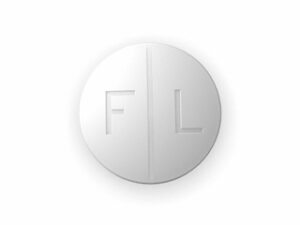



Fluvoxamine (Fluvoxamine maleate) — Patient Information (Australia)
Fluvoxamine is a prescription medicine used to treat certain mental health conditions, most commonly obsessive-compulsive disorder (OCD) and related disorders. It belongs to a group of antidepressant medicines known as SSRIs (selective serotonin reuptake inhibitors). This page explains how fluvoxamine works, how it’s taken, what to expect, and how to use it safely.
If you have questions about your specific situation, speak with a pharmacist or doctor. Information below is general and may not apply to everyone.
Quick Facts
- Generic name: Fluvoxamine
- Common form: Tablets (often as fluvoxamine maleate)
- Medicinal class: SSRI antidepressant
- Common uses: OCD (including adults and sometimes children/adolescents, depending on local guidance)
- How long it takes to work: often weeks; some symptom changes can appear earlier
- Typical dosing frequency: usually once daily or divided doses (varies by product and age)
How Fluvoxamine Works (Mechanism of Action)
Fluvoxamine increases the availability of serotonin in the brain. Serotonin is a natural chemical messenger involved in mood, anxiety, sleep, appetite, and emotional regulation.
Specifically, fluvoxamine is an SSRI, meaning it blocks serotonin reuptake (it helps prevent serotonin from being taken back into the nerve cells). This can improve the balance of serotonin signalling over time.
While SSRIs are often described as antidepressants, fluvoxamine’s benefits in conditions like OCD relate to how repetitive thoughts and compulsive behaviours are modulated through brain circuits that use serotonin.
Pharmacokinetics (Absorption, Distribution, Metabolism and Elimination)
Understanding how the body handles fluvoxamine can help explain timing and interactions.
- Absorption: Fluvoxamine is absorbed after oral dosing, with peak levels typically occurring within a few hours (varies between individuals).
- Distribution: It distributes through the body and crosses into tissues, including the brain.
- Metabolism: Fluvoxamine is primarily metabolised in the liver (largely via CYP enzymes). This is one reason it can interact with other medicines.
- Elimination: Metabolites are removed mainly through the kidneys and, to a lesser extent, via other routes.
- Half-life (practical implication): The medicine stays in the body long enough for once-daily dosing in many cases, but steady effects develop over days to weeks.
Because fluvoxamine can influence liver enzymes, it may raise or lower levels of other medicines, depending on what you take and how your body metabolises drugs.
Typical Uses in Australia
Fluvoxamine is mainly used for:
- Obsessive-compulsive disorder (OCD) — reducing obsessions (intrusive thoughts) and compulsions (repetitive behaviours)
- Related anxiety disorders — in some situations, based on clinician assessment and local product information
Your prescriber may choose fluvoxamine based on symptom pattern, prior responses to medicines, side-effect tolerability, and interaction risks.
When to Start Feeling Better (Timing)
It can take time for fluvoxamine to show full benefit.
- First days to 1–2 weeks: You may notice some change in anxiety, sleep, or intrusive thoughts, but this is variable. Side effects can also appear during this phase.
- 3–6 weeks: Many people notice meaningful improvement in OCD symptoms.
- 6–12 weeks (sometimes longer): Further improvement may continue as dosing is optimised and symptoms settle.
Important: Do not stop early if you’re not immediately better. Many benefits develop gradually. If side effects are difficult, speak with your doctor or pharmacist—adjustments can often be made.
How to Take Fluvoxamine (Dosing & Administration)
Dosing depends on age, condition, formulation, and how you respond. Always follow the instructions provided with your medicine.
General principles
- Start low, go slow: Doses are often increased gradually to improve tolerability.
- Take consistently: Try to take it at the same time each day.
- Do not crush or alter tablets unless your specific product instructions allow it.
Typical adult dosing patterns (may vary)
Many patients are prescribed dosing that may start once daily (often in the evening) or with divided doses early on, then adjusted. The exact dose range should be confirmed using the product’s directions and your clinician’s plan.
| Patient group | Common dosing approach | Notes |
|---|---|---|
| Adults with OCD | Often once daily or divided doses | Dose is usually titrated based on response and side effects. |
| Older adults | Often start lower and titrate carefully | Higher sensitivity to side effects can occur; review interactions closely. |
| Children & adolescents | Dosing depends on weight/age and product guidance | Use only when specifically advised for the patient; close monitoring is important. |
If you miss a dose
- If you remember soon after the missed dose, take it as directed.
- If it’s nearly time for your next dose, skip the missed dose—do not double up.
- If you miss several doses, ask a pharmacist or doctor for advice.
Do not stop suddenly
Stopping SSRIs abruptly can cause withdrawal-like symptoms (commonly called discontinuation symptoms). If your treatment ends, it should usually be tapered gradually under medical guidance.
Food Interactions (Can You Take it With Meals?)
Fluvoxamine can usually be taken with or without food. Taking it with food may reduce nausea for some people. Follow the instructions provided for your specific product.
Practical tip: If you experience stomach upset after dosing, try taking fluvoxamine with a meal or at a time when your stomach is less sensitive.
Alcohol & Medicine Interactions
Alcohol
It’s generally recommended to avoid or limit alcohol while taking fluvoxamine. Alcohol may worsen mood, anxiety, sleep quality, and may increase the risk of side effects such as dizziness or impaired judgment.
Other medicines that may interact
Fluvoxamine has a higher potential for medicine interactions because it can affect liver enzyme activity. Always tell your pharmacist or doctor about all medicines you take, including:
- Other antidepressants
- Triptans for migraine
- Linezolid (an antibiotic with MAOI-like effects)
- Tramadol and other pain medicines that affect serotonin
- St John’s wort (herbal product)
- Anticoagulants/antiplatelet medicines (e.g., warfarin) and some NSAIDs
- Medicines that affect bleeding risk
- Some antiarrhythmics or antipsychotic medicines
- Medicines metabolised by liver pathways influenced by fluvoxamine
Serotonin syndrome risk
Combining fluvoxamine with other drugs that increase serotonin can rarely lead to a serious condition called serotonin syndrome. Seek urgent medical help if you experience a combination of symptoms such as:
- Agitation or confusion
- Fever
- Fast heartbeat
- Tremor, muscle stiffness, or loss of coordination
- Severe sweating, diarrhoea
Blood thinning and bleeding
SSRIs may increase bleeding tendency, especially when combined with medicines that also affect blood clotting. Watch for unusual bruising, nosebleeds, bleeding gums, blood in urine/stool, or prolonged bleeding from cuts.
Important note on starting new medicines
If you’re starting, stopping, or changing dose of any medicine, confirm safety with your pharmacist. Many interactions are avoidable with correct timing and dose adjustments.
Safety Profile (Common Side Effects & Serious Warnings)
Most people tolerate fluvoxamine well, but side effects can occur—especially early in treatment or after dose changes. Everyone reacts differently.
Common side effects
- Nausea or upset stomach
- Headache
- Dizziness
- Sleep changes (sleepiness or insomnia)
- Dry mouth
- Increased sweating
- Reduced appetite
- Sexual side effects (e.g., reduced libido or difficulty achieving orgasm)
- Fatigue
Side effects often improve after the first couple of weeks. If symptoms are severe or persistent, speak with your pharmacist or doctor.
Less common but important risks
- Suicidal thinking in young people: As with other antidepressants, there is a known risk of increased suicidal thoughts/behaviours in some patients, particularly early in treatment or after dose changes. Close monitoring is important.
- Mania/hypomania: In people with bipolar disorder or those prone to mood elevation, antidepressants may trigger mania symptoms (e.g., unusually elevated mood, decreased need for sleep, impulsive behaviour).
- Serotonin syndrome: Rare but serious—see the interaction section above.
- Hyponatraemia (low sodium): SSRIs can occasionally lower blood sodium, especially in older adults or those taking diuretics. Symptoms can include headache, confusion, weakness, and unsteadiness.
- Bleeding: Watch for bruising or bleeding issues, especially with anticoagulants/antiplatelets or NSAIDs.
- QT prolongation considerations: Although not as prominent as some other agents, any medicine may require review if you have a history of heart rhythm problems or take interacting medications.
When to seek urgent help
Get urgent medical attention if you have:
- Signs of serotonin syndrome
- Fainting, severe dizziness, or signs of serious allergic reaction (swelling of face/lips, difficulty breathing)
- New or worsening agitation, severe restlessness, or concerning mood changes
- Severe bleeding or black/tarry stools
Practical Use Tips (Patient-Friendly Guidance)
- Take it at the same time each day. If it makes you sleepy, consider evening dosing (only if appropriate for your plan).
- Track early effects. Note side effects and symptom changes for the first few weeks; bring this to your review.
- Manage nausea. Taking with food, smaller meals, hydration, and allowing a couple of weeks can help.
- Don’t “skip to see.” Missing doses can reduce consistency and make side effects or symptoms more noticeable.
- Plan dose changes with support. If your dose is adjusted, expect side effects to sometimes reappear temporarily.
- Be cautious with other serotonin-active products. Include herbal products like St John’s wort in your conversation.
Alternative Options (What Might Be Considered Instead)
Treatment choice depends on your diagnosis, symptom severity, past response, medical history, and interaction risk. Alternatives to fluvoxamine may include:
- Other SSRIs (commonly used for OCD and related conditions, depending on local guidance)
- Clomipramine (a tricyclic antidepressant sometimes used for OCD in selected cases)
- Psychological therapies, particularly CBT with exposure and response prevention (ERP) for OCD
- Combination therapy (medicine plus therapy) for best long-term outcomes
If you’re considering switching medicines due to side effects or lack of response, don’t change on your own. Switching requires careful planning to reduce withdrawal effects and interaction risk.
Market and Legal Context for Australia
In Australia, fluvoxamine is supplied under regulated medicine frameworks. Availability and supply processes may depend on:
- Product brand and formulation
- Pharmacy supply requirements
- Local prescribing and monitoring practices
- Age and indication as guided by relevant product information and clinical recommendations
For online pharmacy customers, it’s important to ensure you select the correct product strength and formulation, and that the order is processed in accordance with Australian healthcare regulations.
Note: Always use medicines only as directed for your circumstances.
Recent Guidance and Monitoring (General Overview)
Clinical practice for SSRIs commonly includes:
- Early follow-up: reviews may occur soon after starting or changing dose, especially in adolescents and young adults.
- Symptom and side-effect monitoring: tracking mood, anxiety, sleep, and adverse effects.
- Checking for interactions: especially with other serotonergic medicines, bleeding-risk medicines, and liver-metabolised drugs.
- Assessing suitability for people with comorbidities: such as bipolar disorder history, seizure risk, bleeding risk, or hyponatraemia history.
Your pharmacist can help you understand what monitoring is typically recommended for your situation and what to watch for.
Delivery & Availability (What to Expect From an Online Pharmacy)
Availability can vary by supplier and stock levels. When ordering fluvoxamine online in Australia, you can typically expect:
- Product verification: confirming the correct strength/form and matching it to your order details.
- Packaging: supplied in manufacturer packaging where possible.
- Delivery times: depend on your location and courier service.
- Cold-chain: generally not required for tablets (unless your specific product indicates otherwise).
If your area has specific delivery timeframes or you need assistance with availability, contact customer support. Some medicines may require additional processing time.
FAQ: Fluvoxamine (Australia)
1) How long does fluvoxamine take to work for OCD?
Many people notice changes within 3–6 weeks, with further improvement often over 6–12 weeks (sometimes longer). Consistent use and dose optimisation are key.
2) Can I take fluvoxamine with food?
Yes. It can usually be taken with or without food. If nausea occurs, taking it with meals may help.
3) Can I drink alcohol while taking fluvoxamine?
It’s best to avoid or limit alcohol. Alcohol can worsen mood and anxiety and may increase side effects like dizziness or sleep disturbance.
4) What should I do if I miss a dose?
Take it when remembered if it’s close to the scheduled time. Otherwise, skip and take the next dose as planned. Do not double up.
5) Are there foods or drinks I must avoid?
There are no common dietary restrictions like with some other medicines. However, be cautious with substances that can affect the brain (such as alcohol) and inform your pharmacist about supplements you use.
6) Can fluvoxamine cause withdrawal symptoms if I stop?
Yes. Stopping SSRIs abruptly can cause discontinuation symptoms (e.g., dizziness, nausea, irritability, “electric shock” sensations). Stopping should usually be gradual and guided by a clinician.
7) What interactions are most important?
Key interaction categories include other serotonin-active medicines (risk of serotonin syndrome), medicines that affect bleeding (increased bruising/bleeding risk), and medicines metabolised through liver pathways influenced by fluvoxamine. Always review your full medicine list with a pharmacist.
8) Will fluvoxamine affect my sleep?
It can. Some people feel sleepy; others feel more alert or have insomnia—especially early on. If sleep changes are problematic, ask about dose timing adjustments.
9) Is it safe for everyone?
Not necessarily. People with certain medical histories (e.g., bipolar disorder risk, bleeding disorders, previous hyponatraemia, seizure history, or significant heart rhythm issues) need careful assessment and monitoring. Your pharmacist can help identify safety considerations.
10) What if I need a different medicine for pain or migraine?
Tell your pharmacist what you’re taking. Some pain and migraine medicines can interact with fluvoxamine due to serotonin effects or metabolism changes. Your pharmacist can advise on the safest options for your situation.
Summary
Fluvoxamine is an SSRI medicine used primarily for obsessive-compulsive disorder (OCD). It works by altering serotonin signalling, and benefits often build gradually over several weeks. While many people experience manageable side effects, it’s important to watch for significant reactions and to carefully consider interactions—especially with other serotonergic medicines and those affecting bleeding. Consistent dosing, patience during the early adjustment phase, and regular review with your healthcare team can help you get the most from treatment.