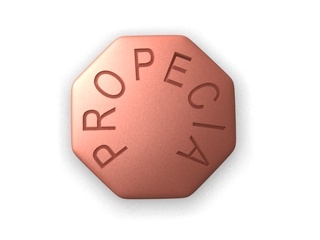
Propecia (Finasteride) – Patient Information (Australia)
Propecia contains finasteride, a medicine used to treat certain hormone-related hair and prostate conditions. This guide is written to help you understand how Propecia works, how it is typically taken, what to expect, and important safety considerations. It is intended for general information and should not replace advice from a healthcare professional.
| Product | Active ingredient | Common uses | Typical dosing (adult) |
|---|---|---|---|
| Propecia | Finasteride | Male pattern hair loss (androgenetic alopecia); sometimes used in selected prostate-related situations under clinical guidance | 1 mg once daily for hair loss |
Basic product information
- Medicine name: Propecia
- Active ingredient: Finasteride
- Strength commonly used for hair loss: 1 mg tablets
- Class (general): 5-alpha-reductase inhibitor
- Who it’s for: Typically adult men with male pattern hair loss
Important: Finasteride is not intended for women and must not be used where pregnancy is possible due to potential risk to a developing male foetus.
How Propecia works (mechanism of action)
Propecia reduces levels of dihydrotestosterone (DHT). DHT is a hormone derived from testosterone by an enzyme called 5-alpha-reductase. In genetically susceptible individuals, DHT contributes to hair follicle miniaturisation—leading to thinner, shorter hair growth and gradual pattern hair loss.
- Finasteride inhibits 5-alpha-reductase, lowering DHT production.
- With lower DHT, many men experience slower hair loss and hair regrowth or thickening over time.
It does not “switch off” testosterone completely. Instead, it targets the conversion to DHT, aiming to reduce the hormone effect most linked to hair loss.
Pharmacokinetics (how the body handles finasteride)
Understanding how a medicine moves through the body can help set expectations for results and side effects.
Absorption
Finasteride is absorbed after oral dosing. It reaches peak concentration after approximately 1–2 hours in many individuals.
Distribution
Finasteride distributes through the body. It can be present in blood and other tissues, reflecting its systemic action.
Metabolism
Finasteride is metabolised primarily in the liver via metabolic pathways that break down the drug into inactive or less active metabolites.
Elimination (half-life)
The elimination half-life of finasteride is roughly 6 hours. However, the medicine’s effect on DHT can persist beyond the immediate presence of the drug due to how hormone pathways respond to inhibition.
Implications for taking it
- Because it is taken once daily, the aim is steady suppression of DHT.
- Stopping can allow DHT levels to gradually return, and any hair benefits typically decrease over time.
Typical use and indications
In Australia, finasteride products are used according to locally approved indications and prescribing practices. Common indications for finasteride include:
- Male pattern hair loss (androgenetic alopecia): to slow hair loss and support hair regrowth/thickening in men.
- Prostate-related indications: finasteride is used for selected prostate conditions based on clinical assessment.
Not for:
- Women (including those who are or may become pregnant)
- Children or adolescents
If you are unsure which condition your medicine is intended to treat, check the product label or speak to a healthcare professional.
Dosing: how to take Propecia
The most widely used dosing for male pattern hair loss is:
| Condition | Typical adult dose | How often | Maximum dose (general) |
|---|---|---|---|
| Male pattern hair loss | 1 mg | Once daily | Usually 1 mg/day |
How to take:
- Take one tablet once daily.
- Swallow whole with water.
- You can take it with or without food (see food interactions below).
- Try to take it at the same time each day to help you remember.
Missed dose
If you miss a dose, take it as soon as you remember on the same day. If it is almost time for your next dose, skip the missed dose and continue as normal. Do not take a double dose.
Timing: when results can be expected
Hair changes don’t happen overnight. Propecia affects the hormone environment in hair follicles, so improvement typically takes time.
- First signs: Some people notice changes between 3–6 months.
- More meaningful results: Often between 6–12 months.
- Longer-term outcome: Benefits are typically evaluated around 12 months and beyond.
Tip: If you’re using Propecia for hair loss, be consistent with daily dosing and give it adequate time before judging results.
When to reassess: If you have no benefit after a reasonable trial (commonly at least 12 months), discuss with a healthcare professional to review whether it is the right option for you.
Food interactions
Finasteride can generally be taken with or without food. There are no common clinically significant interactions with typical dietary intake.
Practical note: If you find food helps reduce stomach upset (for example, nausea or indigestion), taking it with a meal may be more comfortable, but it is not required for effectiveness.
Alcohol interactions
There is no widely recognised direct interaction between finasteride and moderate alcohol intake. However:
- Alcohol may affect your overall health, sleep, hormone balance, and adherence to daily routines.
- If you experience dizziness, mood changes, or other side effects from the medicine or from alcohol, avoid combining them and seek advice.
Safety approach: If you plan heavy drinking or have liver disease, speak with a healthcare professional for personalised guidance.
Interactions with other medicines
Finasteride has a relatively low interaction profile. Still, medicines can affect liver enzymes and overall drug levels.
General interaction principles
- Tell a healthcare professional or pharmacist about all medicines you use, including prescription medicines, over-the-counter products, vitamins, herbal supplements, and supplements marketed for hair or bodybuilding.
- Be cautious with drugs that strongly affect liver metabolism (enzyme inducers/inhibitors), as they can alter how some medications are processed.
Common “watch-outs” to discuss
- Other hormone-related therapies: If you use testosterone, anabolic steroids, or DHT blockers, discuss potential combined effects.
- Medications for prostate symptoms: Finasteride may be used in some prostate treatments; your care plan should account for your full medication list.
- Herbal supplements: Some supplements can affect hormone levels or liver function. Examples include certain “prohormone” or bodybuilding supplements.
Always consult for personalised medication interaction advice, especially if you have liver disease or take multiple medicines.
Safety profile and side effects
Like all medicines, Propecia can cause side effects. Not everyone experiences them. Some effects may improve with continued use or after stopping, but others may persist in a small number of people. If you develop concerning symptoms, contact a healthcare professional.
Common side effects (may occur in some men)
- Sexual effects: reduced libido, erectile dysfunction, reduced volume of ejaculate
- Breast changes: tenderness or enlargement (rare but important to monitor)
- Rash or skin reactions: occasionally reported
Less common but important symptoms
- Mood changes: depression or changes in mood have been reported by some individuals
- Hypersensitivity reactions: swelling of the face/lips, difficulty breathing, or severe rash (seek urgent help)
Prostate testing considerations
Finasteride can reduce prostate-specific antigen (PSA) levels in the blood. If you are using finasteride for hair loss or prostate-related care, ensure clinicians know you take finasteride, so PSA readings can be interpreted appropriately.
Pregnancy and exposure precautions
For safety around pregnancy:
- Women who are pregnant or may become pregnant must not handle crushed or broken tablets.
- Tablets are typically film-coated to reduce risk, but if tablets are broken, seek advice and follow local safety guidance.
- Keep medication out of reach of children and away from unintended contact.
Who should use caution
Discuss Propecia before starting if you have:
- Liver disease
- A history of breast lumps or unexplained breast discharge
- Significant depression or mood disorders
- Concerns about sexual side effects with previous medications
Practical use tips (to get the best chance of benefit)
- Be consistent: Take one tablet daily at the same time.
- Track progress: Consider photos every 4–6 weeks using similar lighting and angles. This can help you see subtle changes over time.
- Allow adequate time: Evaluate hair results at around 6–12 months.
- Know what to watch for: Monitor sexual side effects, breast tenderness/enlargement, skin reactions, or mood changes.
- Don’t share: Propecia is for men who meet the intended use criteria. Do not share with others.
- Review other hair treatments: You may use topical options alongside finasteride, but confirm compatibility with a pharmacist or clinician.
What if I stop Propecia?
Stopping Propecia typically leads to a gradual return of DHT levels. Hair benefits may diminish over time, and further thinning may resume. If you’re considering stopping, discuss it with a healthcare professional to understand expected outcomes and manage any concerns.
Alternative options for male pattern hair loss
If Propecia isn’t suitable or you prefer other approaches, several alternatives may be considered. The best choice depends on your pattern of hair loss, goals, tolerance for side effects, and overall health.
Common alternatives
- Minoxidil (topical): Often used to stimulate hair growth. Results can take several months.
- Low-level laser therapy (LLLT): Some devices claim to support hair density; evidence varies.
- Hair transplantation: Surgical approach for restoring density in selected areas.
- Cosmetic options: Styling strategies, camouflage products, or hair systems.
- Combination therapy: Many people use finasteride with topical minoxidil for additive effects (discuss suitability).
Important: Always consult a healthcare professional before starting or combining treatments, particularly if you have other medical conditions or take multiple medicines.
Market and legal context in Australia
Medicines in Australia are regulated by the Therapeutic Goods Administration (TGA). Availability and classification can vary depending on the formulation and indication. For online pharmacy purchases, eligibility rules may apply.
- Regulatory oversight: The TGA monitors safety, quality, and performance of therapeutic goods.
- Prescribing and supply pathways: Some medicines require assessment or specific supply conditions. Online pharmacies typically follow Australian requirements for safe supply.
- Branding and generics: Propecia is a brand containing finasteride; other finasteride products may also be available depending on market listings.
Recent guidance: Clinicians and regulators periodically update information on safety and monitoring for medicines, including finasteride. It’s wise to check current product information and discuss your individual risk factors with a pharmacist or doctor.
Delivery and availability (online pharmacy)
Online pharmacies in Australia commonly offer:
- Home delivery to eligible locations
- Discrete packaging for privacy
- Tracking where available
- Customer support to answer questions about correct use and storage
Availability: Stock levels can vary. If Propecia is not currently available, the pharmacy may offer an alternative finasteride option (if appropriate) or advise when it is expected back in stock.
Storage: Keep tablets in their original packaging, store below 30°C (unless the label states otherwise), and protect from moisture.
FAQ (Frequently Asked Questions)
1) What is Propecia used for?
Propecia (finasteride) is used primarily for male pattern hair loss (androgenetic alopecia). In some clinical contexts, finasteride may also be used for specific prostate-related conditions under appropriate medical guidance.
2) How long does it take to work?
Hair results usually take time. Some men notice changes after 3–6 months, with more meaningful outcomes often around 6–12 months. Consistency is important.
3) Can I take Propecia with food?
Yes. Finasteride is generally taken with or without food. Choose what helps you remember and tolerate it comfortably.
4) What happens if I miss a dose?
Take it when you remember on the same day, unless it’s close to the next scheduled dose. If so, skip the missed dose and continue with your regular schedule. Do not take a double dose.
5) Is Propecia safe to drink alcohol with?
There is no common, well-established direct interaction between finasteride and moderate alcohol. However, alcohol may worsen side effects in some people (for example, mood or sexual performance). If you experience any concerning symptoms, avoid alcohol and seek advice.
6) Will Propecia affect my PSA test?
Finasteride can lower PSA levels. If you undergo prostate screening or testing, ensure your clinician knows you are taking finasteride so PSA results are interpreted correctly.
7) Can women take Propecia?
Propecia is not intended for women. Pregnant women or those who may become pregnant should not handle crushed or broken finasteride tablets due to potential risk to a developing male foetus.
8) What side effects should I watch for?
Potential side effects may include sexual side effects (such as reduced libido or erectile dysfunction), breast tenderness/enlargement, skin reactions, and mood changes. Seek urgent help if you develop signs of an allergic reaction (e.g., swelling of the face/lips or difficulty breathing).
9) Do I need blood tests?
Routine tests aren’t required for everyone. However, if you’re also being assessed for prostate health, clinicians may check PSA and other relevant parameters. Follow local clinical advice and product information.
10) Are there alternatives if Propecia doesn’t suit me?
Yes. Options may include topical minoxidil, combination approaches, laser therapy, surgical hair restoration, and cosmetic solutions. Discuss with a pharmacist or healthcare professional to choose the safest and most appropriate approach for your situation.
When to seek medical advice
Contact a healthcare professional promptly if you experience:
- Breast lumps, nipple discharge, or persistent breast tenderness/enlargement
- Severe allergic symptoms (swelling, rash with breathing difficulty)
- Significant or persistent mood changes
- Any troubling sexual side effects that affect your quality of life
Remember: Effective treatment for hair loss typically requires ongoing daily use and time. If you’re uncertain whether Propecia is appropriate for you, ask a healthcare professional or pharmacist to help assess your needs and safety.