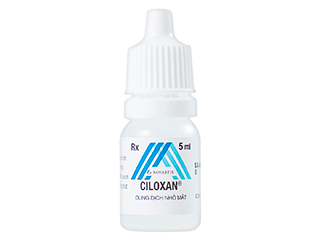
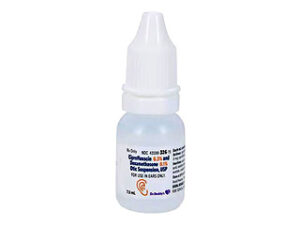
Ciloxan (Ciprofloxacin) – Patient Information (Australia)
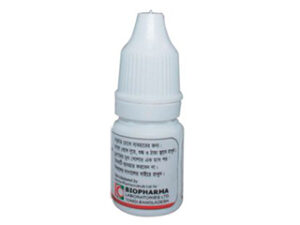
Ciloxan is a brand of ciprofloxacin, an antibiotic medicine. It is commonly used for certain bacterial infections of the eye and, depending on the product type available in Australia, may also be used for infections affecting other areas such as the ear (where indicated on the specific label). This page explains how Ciloxan works, typical uses, practical tips, and important safety information.
Always follow the instructions provided with your specific Ciloxan product (eye drops/ointment/other form). Different strengths and dosing schedules may apply.
Quick product overview
- Medicine: Ciloxan (ciprofloxacin)
- Type: Antibiotic (fluoroquinolone)
- Common forms: Eye drops and/or eye ointment (depending on availability)
- Used for: Bacterial eye infections (and certain other bacterial infections, depending on the formulation/indication)
- Key action: Stops bacteria from multiplying
- Not for: Viral infections (e.g., typical cold-related conjunctivitis), unless specifically advised
How Ciloxan works (mechanism of action)
Ciprofloxacin belongs to the fluoroquinolone group of antibiotics. It works by interfering with essential bacterial enzymes: DNA gyrase and topoisomerase IV. These enzymes are needed for bacteria to copy and repair their DNA.
By blocking these enzymes, ciprofloxacin prevents bacteria from multiplying and can lead to bacterial cell death. It has activity against a range of Gram-negative organisms and some Gram-positive bacteria, depending on susceptibility.
Pharmacokinetics (how the medicine is processed)
The behaviour of ciprofloxacin varies by route (eye vs. other forms). For eye products, only small amounts may enter the bloodstream compared with oral dosing, because the eye is designed to limit systemic absorption. However, some absorption can occur through the eye tissues and through normal drainage pathways (such as the tear ducts).
- Absorption: After topical eye application, ciprofloxacin can be absorbed locally in the eye. A small systemic absorption may occur.
- Distribution: Drug levels are highest in ocular tissues and tear fluid; systemic levels are typically low.
- Metabolism: Ciprofloxacin is partially metabolised.
- Elimination: Ciprofloxacin is eliminated mainly via the kidneys (and to a lesser extent through other pathways), with elimination influenced by kidney function.
If you have kidney disease, tell your doctor or pharmacist, as this can affect antibiotic clearance—especially if you are using ciprofloxacin in other forms as well.
Typical uses and indications
Ciloxan is used for eye infections caused by bacteria. The exact indication depends on the formulation and local product information. In general, it may be used for conditions such as:
- Bacterial conjunctivitis (when caused by susceptible bacteria)
- Corneal infections (including some types of bacterial keratitis, as directed)
- Other local bacterial eye infections where ciprofloxacin is appropriate
Ciloxan is not effective for viral eye infections and will not treat allergies. If your symptoms include itching, tearing with seasonal patterns, or exposure to allergens, this may suggest an allergic cause rather than a bacterial one.
Seek urgent medical attention if you have severe eye pain, marked light sensitivity, vision changes, or symptoms after eye injury or contact with foreign material.
When to use it and how quickly it may help
In bacterial eye infections, many people begin to notice improvement within a short time, but treatment duration matters. Even if symptoms improve, you should complete the course as directed by your healthcare professional or as written on the product instructions.
- Timing of doses: Typically every 4–8 hours depending on severity and the product.
- Expected response: Some improvement may occur in 24–48 hours, but if there is no improvement after this period, contact a healthcare professional for review.
- Do not stop early: Stopping too soon can lead to recurrence or persistent infection.
Dosing information (general guidance)
Dosing must match the specific Ciloxan product and the condition being treated. Use only the strength and schedule on the packaging or as directed.
Typical examples (may vary by product and condition):
- Eye drops: Often used several times daily at the start, then reduced as the infection improves.
- Eye ointment: Commonly used less frequently than drops, and may be used at night because ointments can blur vision.
If you miss a dose: Use it as soon as you remember. If it is close to the next dose, skip the missed dose and continue your regular schedule. Do not use double the amount.
How to apply: See “Practical use tips” below for step-by-step instructions.
Food interactions
Because Ciloxan is typically used topically in the eye, food interactions are usually minimal. However, if you are also taking ciprofloxacin by mouth or other antibiotics, there can be interactions depending on the overall regimen.
For eye products, the most relevant “interaction” is usually between the medicine and other eye products (e.g., contact lenses or additional eye drops/ointment), rather than food. Still, maintain your regular diet unless your doctor advises otherwise.
Alcohol and medicine interactions
With topical eye use, systemic exposure is generally low; therefore, alcohol-related interactions are less likely than with oral ciprofloxacin. However, if you are taking other medicines that interact with alcohol (or you experience side effects such as dizziness), be cautious.
Important: If you are using ciprofloxacin in more than one form (e.g., tablets plus eye drops), discuss with a healthcare professional or pharmacist before drinking alcohol, especially if you have liver disease or are taking multiple medicines.
Also tell your pharmacist about all medicines you use, including:
- Blood thinners (anticoagulants)
- Antacids or supplements (especially if taking oral ciprofloxacin)
- Medicines that affect the nervous system
- Other eye drops (to manage spacing and avoid mixing)
Safety profile and side effects
Most people tolerate Ciloxan well, especially when used briefly and as directed. However, topical antibiotics can cause local irritation and, rarely, more serious allergic reactions.
Common side effects
- Stinging or burning in the eye after application
- Temporary redness
- Watery eyes or mild irritation
- Blurred vision (more common with ointment)
- Dryness or discomfort
Less common but important side effects
- Allergic reaction (itching, swelling of eyelids, rash)
- Worsening symptoms or lack of improvement
- Severe eye pain or significant light sensitivity
When to stop and seek urgent help
Contact a healthcare professional urgently if you experience any of the following:
- Sudden or severe swelling around the eye
- Marked vision changes
- Severe pain that is not improving
- Severe worsening redness or discharge
- Signs of a serious allergic reaction (e.g., difficulty breathing)
Long-term safety considerations
Using antibiotics for longer than necessary can increase the risk of antibiotic resistance and may disturb normal eye flora. If symptoms do not improve as expected, do not extend treatment on your own—seek review.
Practical use tips (step-by-step)
Correct application helps the medicine reach the infected area and can improve outcomes. Follow these general instructions:
- Wash your hands thoroughly before touching your eye or opening the bottle/tube.
- Check the tip of the dropper or tube for damage or contamination.
- Prepare to apply: Tilt your head back slightly and look upward. Gently pull down the lower eyelid to create a small “pocket.”
- Apply the dose: Place the prescribed number of drops into the pocket, or apply a ribbon of ointment. Avoid touching the eye surface with the tip.
- Close the eye gently for 1–2 minutes. Do not rub.
- Reduce drainage: If advised or comfortable, press lightly at the inner corner of the eye (near the nose) for about 1 minute to reduce the medicine draining into the tear duct.
- Replace the cap immediately and keep the medicine stored as directed on the label.
- Remove contact lenses: Contact lenses should generally be avoided during treatment unless your product-specific guidance allows otherwise. If you wear lenses, ask your pharmacist or doctor when you can restart.
If you need to use other eye drops, space them by at least 5–10 minutes to avoid washing out the first product. Ointments are usually the last product applied.
Contact lenses, eye hygiene, and comfort measures
- Avoid wearing contact lenses during a suspected or confirmed bacterial eye infection unless specifically instructed.
- Do not share towels, pillows, or eye makeup.
- Replace eye makeup (discard and replace after the infection clears) to reduce re-infection risk.
- Do not touch the dropper tip to the eye, eyelids, or eyelashes.
- Clean discharge gently with clean tissues. Use separate tissues for each wipe.
Alternative options (what else may be used)
Treatment depends on the suspected cause, severity, and local resistance patterns. Alternatives to ciprofloxacin may include:
- Other topical antibiotics used for bacterial eye infections (examples depend on product availability and local guidance)
- Antiviral or supportive therapy if the cause is viral or allergic
- Referral to an eye specialist for complicated cases (e.g., contact lens–related infections, suspected keratitis)
Your pharmacist or doctor can help choose the most appropriate option based on your symptoms and history.
Recent guidance and antibiotic stewardship
Across healthcare systems, there is increasing emphasis on antibiotic stewardship—using antibiotics only when needed and selecting the most appropriate medicine for the likely bacteria. In eye infections, this means careful assessment to distinguish bacterial disease from viral or non-infectious causes, and avoiding unnecessary prolonged use.
If symptoms are not improving within the expected timeframe, reassessment may be needed. In some cases, a sample or specialist evaluation is considered to confirm the diagnosis and guide treatment.
Market and legal context for Australia
In Australia, medicines are regulated by the Therapeutic Goods Administration (TGA). Availability and classification (for example, whether a product is prescription-only or can be supplied through pharmacy under specific conditions) depend on the product formulation and strength.
Ciloxan (ciprofloxacin) eye products are commonly supplied through pharmacy channels in Australia, and the availability may vary by:
- Product type (drops vs. ointment)
- Strength and pack size
- Indication as listed in the product information
- Current regulatory scheduling and pharmacy supply rules
Always use the medication only for the condition described on your product information and follow the instructions provided by your healthcare professional.
Delivery and availability (online pharmacy experience)
Ciloxan may be available online from Australian pharmacies subject to stock and product ordering processes. Delivery options, dispatch times, and fees can vary by supplier and location.
- Stock status: Some strengths or forms (drops vs. ointment) may be temporarily unavailable.
- Packaging: Products are typically shipped in sealed packaging to protect sterility and integrity.
- Storage: Store according to the label directions (often at room temperature, but always check your product).
- Check expiry date: Use before the expiry date shown on the carton and bottle/tube.
If you have urgent symptoms, check delivery timeframes before relying on shipping. Eye infections can sometimes require timely assessment.
FAQ
1) What is Ciloxan used for?
Ciloxan (ciprofloxacin) is used to treat bacterial eye infections as indicated by the specific product instructions. It is not intended for viral or allergic eye conditions.
2) How fast will it work?
Many people notice improvement within 1–2 days. If symptoms are not improving after 24–48 hours or if they worsen, seek medical advice.
3) Can I use Ciloxan if I wear contact lenses?
During treatment, contact lenses are usually avoided because infection can worsen and because lenses can reduce the correct dosing and potentially trap bacteria. Ask your pharmacist or doctor when it is safe to restart lenses.
4) Can I drink alcohol while using Ciloxan eye drops?
With topical eye use, significant alcohol interactions are less likely. However, avoid alcohol if you feel unwell or dizzy, and discuss any concerns if you are taking ciprofloxacin tablets or other interacting medicines.
5) Are there food interactions?
Food interactions are generally not a concern for eye drops because absorption is mainly local. If you are taking oral ciprofloxacin or other medicines, tell your pharmacist about your full medication list.
6) What should I do if I miss a dose?
Apply it as soon as you remember. If it is close to the next dose, skip the missed dose and continue normally. Don’t use extra doses to make up for the missed one.
7) Is it safe to share Ciloxan with family or friends?
No. Antibiotics should not be shared. Each person’s eye symptoms need appropriate assessment to confirm the cause and correct treatment.
8) What if my symptoms come back after finishing the treatment?
Recurrence may indicate incomplete treatment, a resistant organism, a different diagnosis, or reinfection. Contact a healthcare professional for assessment—especially if you wear contact lenses or had recent eye injury.
9) Can I drive after using the ointment?
Eye ointment can blur vision. Avoid driving or operating machinery until your vision is clear.
10) When should I seek urgent medical help?
Seek urgent care if you have severe eye pain, significant light sensitivity, vision changes, swelling around the eye, or rapid worsening symptoms.
Summary
Ciloxan (ciprofloxacin) is a fluoroquinolone antibiotic used for bacterial eye infections. It works by blocking bacterial DNA enzymes, helping stop bacterial growth. For best results, use the correct dosing schedule, apply it carefully, avoid contact lenses unless advised, and do not stop early. If symptoms do not improve within 24–48 hours, or if you experience severe pain, vision changes, or suspected allergy, seek medical advice promptly.