
Ciprodex (Ciprofloxacin / Dexamethasone) Ear Drops – Patient Guide (Australia)
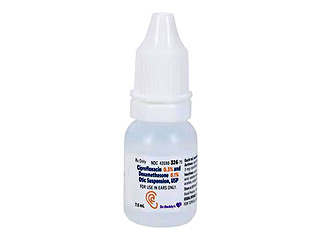
Ciprodex is a prescription ear medicine that contains two active ingredients: ciprofloxacin (an antibiotic) and dexamethasone (a corticosteroid). It is used for certain ear infections where both bacterial treatment and reduced inflammation are needed.
This patient-friendly guide explains how Ciprodex works, how it is typically used, what to expect, and the important safety information you should know. Always follow the directions given by your healthcare professional and the information on the product label.
Basic product information
| Category | Details |
|---|---|
| Brand | Ciprodex |
| Active ingredients | Ciprofloxacin + Dexamethasone |
| Typical form | Ear drops |
| Main uses | Infected ear conditions with inflammation (e.g., otitis externa; specific indications depend on clinical assessment) |
| How it works | Antibiotic + anti-inflammatory steroid |
Note: The exact strength and presentation can vary by product format. Check the label or packaging for the concentration stated for your bottle/box.
How Ciprodex works (mechanism of action)
Ciprodex combines two medicines that work in different ways to help the ear improve:
- Ciprofloxacin (antibiotic): Ciprofloxacin belongs to the fluoroquinolone antibiotic group. It targets bacterial DNA replication by interfering with key bacterial enzymes (commonly described as DNA gyrase and topoisomerase II). This prevents bacteria from multiplying and helps eliminate the infection.
- Dexamethasone (corticosteroid): Dexamethasone reduces inflammation by acting on multiple inflammatory pathways. It helps decrease swelling, redness, pain, and itchiness associated with ear inflammation.
Together, the antibiotic helps treat the cause (bacterial infection) while the steroid helps relieve the inflammatory symptoms that often drive discomfort.
Pharmacokinetics (how the body handles it)
Because Ciprodex is applied to the ear, most activity occurs locally in the ear canal. The amount absorbed into the body can vary depending on factors such as:
- whether the eardrum is intact or there is a perforation
- how inflamed or damaged the ear canal is
- how the drops are used and how long they remain in the ear
General practical takeaway: Local treatment is the goal. Small amounts may enter the bloodstream, but clinically significant systemic effects are uncommon when used as directed for the recommended period. If you have concerns (e.g., repeated courses, long-term use, or unusual symptoms), speak with your healthcare professional.
Typical use and indications
Ciprodex is used to treat certain bacterial ear infections where there is also a significant inflammatory component. Your clinician will choose this medicine based on the likely cause of the infection and your ear examination results.
Common indications discussed in clinical practice include:
- Otitis externa (inflammation/infection of the outer ear canal), particularly when bacterial infection is suspected or confirmed and inflammation is prominent.
- Cases with inflammation and drainage where local antibiotic + anti-inflammatory effects are desired.
Important: Ear infections can have non-bacterial causes (for example, viral infections, fungal infection, allergy, eczema, or ear canal irritation). A proper ear assessment helps ensure the right treatment.
When to use Ciprodex (timing and how to take it)
Typical dosing schedules are often twice daily (morning and evening) for a limited number of days, depending on the condition being treated. The exact schedule and duration should be confirmed by your healthcare professional and the product label.
Practical timing tips:
- Try to use the drops at consistent times each day.
- Use it at the times you can maintain the routine (e.g., after breakfast and after dinner).
- If you miss a dose, use it when you remember unless it is close to the next dose—then skip the missed dose and continue normally.
How to apply the drops (step-by-step practical use)
Correct administration helps the medicine reach the affected area. Follow the instructions provided with your product.
- Wash your hands before and after use.
- Warm the bottle in your hand for a moment if it feels cold—this can make the drops more comfortable.
- Position your head: Tilt your head so the affected ear faces upward. If helpful, lie on your side for a few minutes.
- Apply the correct number of drops into the ear canal. Avoid touching the dropper tip to the ear or surrounding skin.
- Keep the position for about 1–5 minutes (or as advised by your clinician) to allow the drops to spread.
- Wipe away excess around the ear with a clean tissue. Do not insert cotton buds or other objects into the ear canal.
If you have discharge or the canal is very blocked: Your clinician may need to clean the ear canal before treatment for best results. Do not attempt deep cleaning yourself.
Food interactions
Ciprodex is administered in the ear canal, so food interactions are not expected in the way they can occur with oral medicines. However, your general health—such as hydration and managing pain or fever—can affect how you feel during infection recovery.
If you are taking other medications by mouth, check for interactions with those medicines separately (see “Alcohol and medicine interactions”).
Alcohol and medicine interactions
Because Ciprodex is applied locally, alcohol is not known to directly interact with the ear drops in a major way. Nevertheless, it may indirectly worsen symptoms such as dehydration or impair recovery if you drink heavily.
Consider avoiding alcohol while you are unwell—especially if you are also taking other medicines (e.g., pain relief, antibiotics by mouth, antihistamines). If you are unsure, ask your pharmacist or healthcare professional.
Dosing (typical regimen)
Dosing for Ciprodex depends on the specific ear condition, severity, and clinical judgement. Many patients are instructed to use Ciprodex twice daily.
Common approach (general information):
- Adults and older children: Often 4 drops twice daily in the affected ear for a course determined by your clinician.
- Course length: Commonly a limited number of days (for example, around 7–10 days), but follow your clinician’s plan.
Always use the exact dose prescribed for you. If you are treating a child, dosing frequency and number of drops should be specifically confirmed by a clinician and the medicine label.
Safety profile and side effects
Like all medicines, Ciprodex can cause side effects. Many people tolerate it well, and side effects are often mild and limited to the ear.
Common side effects (may occur)
- Ear discomfort (temporary stinging or irritation when drops are applied)
- Itching or mild irritation in the ear canal
- Temporary changes in how the ear feels (fullness or mild soreness)
Less common or important to report
- Worsening pain or increasing swelling after starting treatment
- Rash, hives, or signs of allergic reaction
- Persistent discharge beyond the expected improvement window
- Hearing changes that do not improve
Seek urgent medical advice if
- you develop signs of a serious allergic reaction (e.g., facial swelling, difficulty breathing)
- there is severe or rapidly worsening pain, fever, or you look/feel significantly unwell
- you suspect complications (for example, severe dizziness, significant hearing loss, or complications of infection)
Precautions
- Eardrum status matters: Tell your clinician if you have a known eardrum perforation, ear tubes (grommets), or a history of ear surgery.
- Avoid contamination: Keep the bottle clean; don’t touch the dropper tip to the ear.
- Do not use longer than recommended: Prolonged use can increase the risk of irritation and may promote resistant organisms.
Practical use tips for best results
- Complete the course even if symptoms improve early (unless told to stop).
- Don’t share your drops with others.
- Keep the ear dry when possible during infection (ask your clinician whether water precautions are needed for your specific diagnosis).
- Manage pain appropriately using advice from a clinician or pharmacist.
- Confirm improvement: Symptoms usually begin to improve within a few days. If you’re not improving, or symptoms worsen, contact your healthcare professional.
Common reasons drops may appear not to work: incorrect technique, not using consistently, ear canal blockage preventing medication contact, an incorrect diagnosis, or infection that is not responsive to the chosen treatment.
Alternative options
The best alternative depends on the specific cause of the ear problem and findings from ear examination. Options a clinician may consider include:
- Other topical ear drops (different antibiotics and/or different corticosteroids)
- Antifungal ear drops if fungal otitis externa is suspected
- Management of skin conditions (e.g., eczema/dermatitis) if inflammation is driven by non-infectious causes
- Pain relief and ear care measures alongside treatment
- Aural toilet / cleaning if discharge or debris prevents medication penetration
If symptoms do not improve, it’s important to be re-evaluated rather than switching randomly between products.
Market and legal context in Australia (important information)
In Australia, ear medicines containing antibiotics and/or corticosteroids are regulated under the national medicines framework and are supplied according to their scheduling and prescribing requirements. Availability for patients depends on compliance with Australian health regulations and the product’s legal classification.
For online pharmacy supply, reputable sellers will:
- provide product information clearly and accurately
- ensure appropriate supply pathways (where required)
- deliver to eligible addresses in accordance with state and national rules
Reminder: For the correct ear diagnosis and safety considerations (especially around eardrum status), always follow advice from a qualified healthcare professional.
Recent guidance and antimicrobial stewardship (what it means for you)
Like many countries, Australia follows guidance that supports antimicrobial stewardship. This aims to ensure antibiotics are used appropriately—at the right time, at the right dose, and for the right duration.
Practical implications for patients:
- Use Ciprodex only for the condition it was chosen for.
- Do not extend beyond the recommended course unless a clinician advises it.
- If symptoms don’t improve, seek review—persistence may indicate a resistant organism, the wrong diagnosis, incorrect administration, or additional complications.
Delivery and availability (online pharmacy)
Ciprodex may be available through authorised online pharmacies in Australia depending on stock and supply arrangements. Availability can vary by:
- manufacturer or pack size
- current demand and shipping timelines
- prescriber-related requirements for supply (where applicable)
When ordering, check:
- the product name and active ingredients to ensure you receive Ciprodex
- the pack size and expiry date
- delivery timeframes and shipping costs shown at checkout
Storage reminder: Store the bottle as directed on the packaging (often at controlled room temperature, away from excessive heat and direct sunlight). Keep out of reach of children.
FAQ
1) What is Ciprodex used for?
Ciprodex is used for certain bacterial ear infections where inflammation is also present. Your healthcare professional selects it based on your ear examination findings.
2) How fast should I feel better?
Many people notice improvement within a few days. If you do not improve after a short time, or symptoms worsen, contact your clinician for reassessment.
3) Can I use Ciprodex if I have an ear tube or a perforated eardrum?
You should tell your clinician about your eardrum status and any ear tubes/grommets or previous ear surgery. These details help ensure the drops are appropriate and safe for your situation.
4) What if I accidentally use too many drops?
If you use more than directed, stop and follow the dosing schedule once your next dose is due. If you used a very large amount or your symptoms are severe, seek medical advice.
5) What should I do if I miss a dose?
Use it as soon as you remember if it’s not close to the next dose. If it is nearly time for the next dose, skip the missed dose and continue normally.
6) Is it safe to swim or get water in the ear?
Water exposure may worsen some ear conditions. Ask your clinician whether you should keep the ear dry during treatment for your specific diagnosis.
7) Are there any food or vitamin interactions?
Food interactions are not expected because Ciprodex is applied to the ear. However, if you take other medicines, check interactions separately.
8) Can I drink alcohol while using Ciprodex?
A direct interaction is not expected with ear drops, but it’s wise to avoid alcohol if you feel unwell and to follow your healthcare professional’s advice—especially if you are taking other medications.
9) What if the ear still itches or feels blocked after the antibiotic course?
Some ear symptoms may linger as inflammation settles. However, persistent or worsening symptoms should be reviewed to ensure the infection has resolved and that there isn’t another cause (such as fungal infection, ongoing skin inflammation, or drainage blockage).
10) What are alternatives if Ciprodex doesn’t work?
Alternatives depend on the diagnosis (bacterial vs fungal vs inflammatory/skin-related). Your clinician may adjust treatment or clean the ear canal to improve contact.
Key safety summary
- Use Ciprodex exactly as directed for your condition.
- Contact a clinician if symptoms worsen, do not improve, or if you develop signs of allergy.
- Tell your clinician about eardrum perforation, ear tubes, or ear surgery history.
- Do not use longer than recommended without medical advice.
If you have questions about whether Ciprodex is appropriate for your symptoms, a pharmacist or healthcare professional can help you understand the options and how to use them safely.