Ocuflox (Ofloxacin) — Patient Information for Australia
Ocuflox is a brand of ofloxacin, an antibiotic medicine. It is used to treat certain bacterial eye infections. This guide explains how Ocuflox works, how it is typically used, what to watch for, and practical tips to help you use it safely and effectively in Australia.
Always follow the instructions provided with your medicine and the advice of your clinician or pharmacist.
1) Basic product information
- Active ingredient: Ofloxacin
- Brand name: Ocuflox
- Medicine type: Antibiotic (fluoroquinolone)
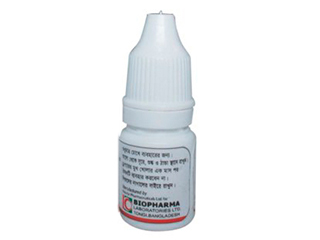
- Common form: Eye drops (ophthalmic solution)
- Use: Treatment of certain bacterial infections of the eye and its surface
- Country context: Available through Australian pharmacy channels depending on local supply and product registration
Important: Ocuflox is intended for eye use only. It should not be swallowed and should not be used in the ear, nose, or elsewhere unless specifically directed.
2) What is ofloxacin and how does it work? (Mechanism of action)
Ofloxacin belongs to the fluoroquinolone group of antibiotics. It works by interfering with bacterial enzymes that are essential for DNA replication and repair:
- DNA gyrase (topoisomerase II) inhibition
- Topoisomerase IV inhibition
By disrupting these processes, ofloxacin helps stop bacterial growth and can lead to bacterial death. It is most effective against susceptible bacteria responsible for the infection.
Note: Eye symptoms can be caused by viruses, allergies, irritants, or other non-bacterial conditions. Antibiotics like Ocuflox won’t help if the cause is not bacterial.
3) Pharmacokinetics (How the medicine moves in the body)
When used as eye drops, only a portion of the medicine is absorbed systemically. Most of the medicine acts locally on the eye surface.
- Local action: Ofloxacin penetrates ocular tissues to reach therapeutic concentrations where infection is present (for example, cornea and conjunctival tissues).
- Systemic absorption: Some absorption can occur through the tear film and nasal drainage pathway.
- Distribution: Systemic levels are typically low compared with oral dosing.
- Elimination: Any absorbed drug is eliminated mainly through the kidneys.
Because systemic exposure is generally low with ophthalmic use, most people experience side effects confined to the eye. However, uncommon systemic reactions can still occur.
4) Typical indications (When Ocuflox may be used)
Ocuflox (ofloxacin) eye drops may be used for bacterial eye infections such as:
- Conjunctivitis (infective bacterial conjunctivitis)
- Corneal infections or ulcers caused by susceptible bacteria
- Blepharitis when bacterial infection is suspected (depending on clinician assessment)
- Other localized bacterial eye infections determined by a clinician
Guidance point: If you wear contact lenses, certain corneal infections can be more serious. Seek prompt assessment if you have significant pain, light sensitivity, reduced vision, or worsening redness.
5) How and when to use Ocuflox (Timing and administration)
Proper technique helps the drops work better and reduces the risk of contamination.
Typical timing
Dosing frequency depends on the specific eye condition and severity. Many ophthalmic bacterial infections are treated with multiple daily doses initially, then reduced as symptoms improve.
Follow your label or clinician instructions. If you’re unsure, ask your pharmacist.
Practical steps for using eye drops
- Wash your hands thoroughly before touching your eye or the bottle.
- Shake gently only if your specific product instructions say to do so.
- Remove contact lenses before using the drops (unless your clinician advises otherwise). Put lenses back only when advised and after symptoms improve.
- Lower your eyelid to create a small pocket.
- Hold the bottle over your eye, without letting the tip touch the eye or eyelashes.
- Place the recommended number of drops into the lower eyelid pocket.
- Close your eye gently and press lightly on the inner corner of your eye (near the nose) for about 1 minute. This can help reduce drainage into the bloodstream.
- Wipe away excess with a clean tissue.
- Wash your hands again.
If you miss a dose
- Use it as soon as you remember.
- If it is almost time for the next dose, skip the missed dose.
- Do not double up unless instructed.
How long to use
Even if symptoms improve quickly, complete the course as directed. Stopping early can allow bacteria to regrow and may lead to recurrence.
6) Food interactions (Do I need to avoid certain foods?)
Because Ocuflox is used as eye drops, food interactions are not generally expected. Food does not typically affect absorption of ophthalmic medicine to a meaningful degree.
However, if you are taking other medicines or have underlying conditions, discuss them with your healthcare professional to ensure overall safety.
7) Alcohol and medicine interactions
Alcohol
There is typically no direct alcohol interaction expected with ophthalmic ofloxacin because systemic absorption is low.
That said, avoid alcohol if it worsens your symptoms or if you are taking other medicines that may interact with alcohol.
Interactions with other medicines
Systemic drug interactions are uncommon with topical eye drops, but medication interactions can still matter, especially if you’re using multiple eye products.
- Other eye drops/ointments: Use at least 5–10 minutes between different eye products unless otherwise advised. Ointments may be applied last, because they can reduce the absorption of drops.
- Contact with the eye: Avoid touching the dropper tip to prevent contamination.
- Systemic medicines: If you take medicines that affect blood clotting or have complex medication regimens, it’s wise to check with your pharmacist—especially if you have previously had fluoroquinolone-related reactions.
If you’re unsure about interactions, share your current medicines (including eye drops, contact lens solutions, herbal products, and supplements) with a pharmacist.
8) Dosing information (How much to use)
Dosing for Ocuflox depends on the eye infection type, severity, and clinician assessment. Common regimens for bacterial eye infections involve frequent dosing initially.
Always use the exact dosing instructions provided for your product and condition.
General dosing principles
- Start promptly: Begin as soon as instructed.
- Use the recommended frequency: Many infections require doses several times per day.
- Adjust if advised: Clinician may reduce frequency after improvement.
- Do not stop early: Completing the course helps prevent relapse.
Contact lens note: If you wear contact lenses, your clinician may recommend extra precautions because some bacterial infections (particularly corneal) can be more serious in lens wearers.
9) Safety profile and side effects
Most people tolerate Ocuflox well. Side effects are usually mild and short-lived, related to the eye.
Common or mild side effects
- Burning, stinging, or irritation after instillation
- Watery eyes or mild redness
- Blurred vision temporarily (avoid driving until vision is clear)
- Dryness or discomfort
Seek urgent medical help if you experience
- Severe eye pain that does not improve
- Sudden or worsening vision changes
- Marked swelling around the eye or eyelids
- Severe light sensitivity
- Allergic reaction symptoms such as rash, hives, facial swelling, or difficulty breathing
- Symptoms that rapidly worsen despite treatment
Allergic reactions and sensitivity
Although uncommon, anyone with a known allergy or previous severe reaction to quinolone antibiotics should use caution and speak with a clinician or pharmacist.
When symptoms aren’t improving
If your symptoms are not improving after a short period (often within 24–48 hours, depending on the condition), contact a healthcare professional promptly. Eye infections can worsen quickly and may require reassessment or different treatment.
10) Practical use tips for better results
- Keep it sterile: Don’t let the dropper tip touch your eye or lashes.
- Use good hygiene: Wash hands before and after use.
- Remove contacts: Generally avoid contact lenses during treatment. Ask when it’s safe to restart.
- Don’t share drops: Sharing can spread infection.
- Monitor for improvement: Reduced redness, discharge, and discomfort usually occur within a couple of days if bacteria are the cause.
- Continue the course: Even if you feel better, finish as directed.
- Storage: Follow the package directions. Keep the bottle in a cool, dry place and protect from contamination.
11) Alternative options (What else might be used?)
Alternatives depend on the infection type, severity, and likely bacteria. A clinician may choose different antibiotic classes or supportive treatments.
Possible alternatives
- Other topical antibiotics (for example, different fluoroquinolones or aminoglycosides) may be considered based on local resistance patterns and the suspected organism.
- Lubricating drops can help comfort symptoms, especially if irritation is prominent (separate timing from the antibiotic drops).
- Antiviral or anti-allergy treatments may be used if the cause is viral conjunctivitis or allergic conjunctivitis.
- Oral antibiotics are sometimes required for eyelid or orbital infections, depending on clinical judgement.
Why correct diagnosis matters: Using an antibiotic when the cause isn’t bacterial can delay the right treatment and potentially worsen outcomes.
12) Market and legal context for Australia
In Australia, antibiotic medicines including ophthalmic products are regulated under the Australian Register of Therapeutic Goods (ARTG) and dispensed according to Australian medicines scheduling rules. Many antibiotics are classified under supply categories that may require pharmacist or prescriber involvement, depending on the specific product and concentration.
For customers: When ordering online, you may be asked to confirm relevant health information and follow any supply requirements applied by Australian pharmacy regulations and product scheduling status.
Clinicians and pharmacists in Australia also consider antimicrobial stewardship—using antibiotics appropriately to help reduce resistance over time.
13) Recent guidance and stewardship considerations
Across Australia, guidance for eye infections emphasises:
- Right diagnosis and right indication (bacterial vs viral vs allergy)
- Prompt reassessment if there is no improvement
- Appropriate duration to reduce resistance risk
- Contact lens safety, as lens wear is associated with higher risk of certain corneal infections
Fluoroquinolones are effective for many bacterial pathogens, but they are also an important antibiotic class. As a result, healthcare professionals aim to use them when clinically appropriate.
14) Delivery and availability (Australia)
Availability of Ocuflox depends on the specific product listing, pharmacy supply chain, and current stock levels. When ordering online in Australia:
- In-stock items may ship within the indicated dispatch timeframe.
- Cold-chain requirements are generally not expected for ophthalmic drops unless the product label states otherwise.
- Packaging should be intact and comply with Australian pharmacy dispensing standards.
Helpful tip: Check the expiry date before use and do not use a product that looks damaged or contaminated.
15) Frequently Asked Questions (FAQ)
Is Ocuflox safe for children?
Use in children depends on the specific condition, age, and formulation. Ask a clinician or pharmacist for advice and follow the dosing instructions for the patient’s situation.
Can I wear contact lenses while using Ocuflox?
In many cases, you should avoid contact lenses during treatment. Contact lenses can worsen irritation and may increase the risk of corneal complications. Ask your pharmacist or clinician when you can safely restart lens use.
How soon should I feel better?
With bacterial infections, some improvement is often seen within 24–48 hours. If symptoms worsen or do not improve, seek prompt assessment.
What should I do if my eye gets worse after starting drops?
Stop using the drops only if you were advised to do so due to a suspected allergy or severe reaction. Otherwise, contact a healthcare professional immediately—especially if you have increasing pain, light sensitivity, or vision changes.
Can I use Ocuflox with other eye drops?
Yes, but spacing matters. Use other eye products at least 5–10 minutes apart unless your clinician advises otherwise. Ointments are commonly applied last.
Does Ocuflox cause blurred vision?
Temporary blurred vision or discomfort can occur right after instillation. Avoid driving or operating machinery until your vision is clear.
Is it okay to use the drops if I have a “pink eye” (conjunctivitis)?
“Pink eye” can have different causes. If it’s bacterial, antibiotic drops like Ocuflox may help. If the cause is viral or allergic, antibiotic treatment may not be beneficial. Seek advice if symptoms are significant, recurrent, or not improving.
How should I store Ocuflox?
Store according to the product label. Keep the bottle clean, tightly closed, and away from contamination. Note the recommended time to discard after opening if stated on the pack.
What happens if I accidentally touch the dropper tip to my eye?
Clean contamination risk is usually low, but the risk of introducing bacteria increases. If the tip touches the eye, avoid touching it again. If you develop worsening symptoms or are concerned, speak to a pharmacist.
Summary
Ocuflox (ofloxacin) is an antibiotic eye drop used to treat certain bacterial eye infections. It works by stopping bacterial DNA-related processes, helping clear the infection. Most side effects are mild and local to the eye. Use it correctly—washing hands, avoiding contact lens use during treatment, separating it from other eye products, and completing the course as directed. If symptoms worsen or do not improve, seek prompt clinical assessment.
Need help choosing the right treatment? If you’re unsure whether your symptoms are likely bacterial, or if you have contact lens–related concerns, speak with a pharmacist or clinician for guidance.