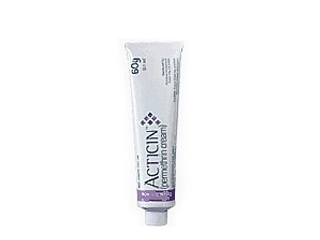

Acticin (Permethrin) – Patient Information (Australia)
Acticin contains permethrin, a medicine used to treat certain skin infestations caused by parasites. It is widely used in Australia for conditions such as scabies and lice, and it works by targeting the nervous system of the parasite.
This page explains how Acticin works, how it is used, what to expect, and important safety information. If you are unsure which product strength you have (or how it should be used for your condition), speak with a pharmacist or healthcare professional.
Quick facts
- Active ingredient: Permethrin
- Common uses: Scabies and some lice infestations (depending on product type)
- How it works: Kills mites/lice by affecting nerve signalling
- Typical application: Applied to the skin (for scabies) and left for a specified period before washing off
- Key practical point: Treat household/close contacts when advised to reduce reinfestation
Basic product information
| Category | Details |
|---|---|
| Medicine | Acticin (permethrin) |
| Active ingredient | Permethrin |
| Dosage form | Topical application (skin lotion/cream depending on product pack) |
| How it is used | Applied to the affected area and often repeated based on condition and guidance |
| Who it’s for | People and households affected by scabies and certain lice infestations |
| Where it works | On skin/infested areas; minimal systemic absorption in most users |
How Acticin (Permethrin) works
Permethrin belongs to a group of medicines called pyrethroids. It acts on the nerve cells of the parasite (such as scabies mites or lice). Specifically, it:
- Disrupts nerve signalling by interfering with sodium channels in nerve membranes
- Causes paralysis of the parasite
- Leads to death of the parasite
Because it targets the parasite’s nervous system, correct application to the entire affected area (and recommended close contacts) is essential for best results.
Pharmacokinetics (how the body handles permethrin)
Absorption: When used as directed on intact skin, permethrin is absorbed to a limited extent. Absorption can be higher if the skin is inflamed, broken, or after extensive application.
Metabolism: Any absorbed permethrin is mainly broken down by the liver into metabolites.
Elimination: Metabolites are largely eliminated through the kidneys (urine).
Clinical implication: Systemic effects are uncommon with proper topical use, but it’s still important to follow the directions on your specific pack and to avoid over-application.
Typical use and indications
Acticin (permethrin) is used to treat skin infestations including:
- Scabies (caused by the scabies mite, Sarcoptes scabiei)
- Lice (depending on the specific product formulation/strength and local prescribing and dispensing advice)
Important: Management of scabies often includes treatment of close contacts and environmental measures (laundering items, bedding, and clothing as advised). Treating only one person may lead to reinfestation.
When and how to use Acticin (timing)
Always follow the instructions provided with your specific Acticin pack. Timing can vary between formulations and conditions.
In general, for many scabies regimens, permethrin is:
- Applied to the skin for a specified period
- Left on according to pack instructions
- Washed off after the recommended time
- Often repeated if advised (commonly to cover newly hatched mites)
For best results:
- Use on all treated areas you are instructed to cover (including commonly missed sites such as between fingers, around wrists, under nails, and other areas specified in pack guidance).
- Apply to dry skin unless the pack suggests otherwise.
- Keep to the correct contact time—do not shorten or extend without advice.
Dosing (typical approach)
Dose depends on the condition, the area of skin involved, the age of the person, and the specific Acticin formulation. The amount used is often described in relation to the body surface area rather than a single “mg dose.”
For scabies: follow the pack directions carefully. A common approach is thorough coverage of the skin from the neck down (and sometimes including the scalp in some age groups), paying attention to folds and creases, and treating close household contacts as advised.
For lice: the product direction will differ depending on whether it is for head lice or other lice types, and may involve applying product to hair and scalp with a combing routine.
Always check:
- Which Acticin strength you have
- Whether your pack recommends a single treatment or repeat dosing
- Whether treatment for household contacts is advised
Mechanism-based rationale for repeat treatment
Some parasites (especially scabies mites) may have stages that survive initial treatment. Repeat application (when recommended) helps to eliminate newly emerging mites and reduces the chance that symptoms persist due to ongoing infestation.
Food interactions
Food interactions are not typically relevant for topical permethrin products because the medicine is applied to the skin and systemic absorption is limited when used correctly.
Even so, to support overall care:
- Maintain normal nutrition and hydration.
- Report any unexpected systemic symptoms (e.g., dizziness, severe nausea) to a healthcare professional, though these are uncommon with topical use.
Alcohol interactions
There are no well-established direct interactions between topical permethrin and alcohol. However, as with any medication, avoid unnecessary risks:
- If you experience dizziness or feeling unwell, avoid alcohol and seek advice.
- Do not ingest permethrin or allow it to contact eyes/mouth.
Interactions with other medicines
Because permethrin is mainly used topically and absorption is limited, drug–drug interactions are uncommon.
Still, it’s wise to consider potential interactions in these situations:
- If you’re using other topical products on the same area (creams, steroid creams, moisturisers), ask a pharmacist whether they should be applied at the same time.
- If the skin is highly inflamed, tell your pharmacist, as it may influence absorption and skin tolerance.
- If you are also using medicated skin treatments (e.g., emollients, topical steroids, antiseptics), ask for a simple routine so treatments don’t interfere with each other.
Safety profile and precautions
Most people tolerate Acticin well when used correctly. However, side effects can occur, particularly at the application site.
Common side effects
- Skin irritation (burning, stinging, redness)
- Itching (may continue after successful treatment)
- Dryness or mild skin discomfort
Less common but important adverse effects
- Allergic reactions (e.g., rash beyond the application area, swelling)
- Severe skin reactions (rare)
- Eye irritation if product gets into the eyes
When to seek urgent medical help
- Facial swelling, breathing difficulty, widespread hives, or severe allergic symptoms
- Severe burning pain, blistering, or rapidly worsening redness
Who should take extra care
- Young children: follow pack directions precisely and consult a pharmacist if unsure
- Pregnancy or breastfeeding: seek advice before use
- People with very irritated or broken skin: ask for guidance to minimise irritation and over-absorption
Practical use tips (to improve success)
Whether you are treating scabies or lice, careful application is key. Here are practical tips that can help:
1) Apply thoroughly
- Cover all recommended areas, including hard-to-reach spots.
- Use enough product to achieve an even layer—avoid “spotty” application.
2) Follow the wash-off time
- Wash off at the recommended time.
- Avoid extra washing or excessive reapplication unless instructed.
3) Treat close contacts when advised
- Scabies spreads through close skin contact. Household contacts may need treatment at the same time to prevent reinfestation.
4) Environmental measures (especially for scabies)
- Launder bedding, clothing, and towels used recently as advised in your pack or guidance.
- Bag items that can’t be washed, if advised.
5) Manage itching after treatment
Itching may continue for some time even after successful eradication. This can occur because the skin remains reactive. If itching is severe, ask your pharmacist about supportive options (such as moisturisers, antihistamines, or topical anti-itch measures appropriate for your situation).
What to expect after treatment
- Itching may persist for days to weeks after treatment, even when mites are gone.
- New bumps may appear early on; this can still be part of the inflammatory response.
- If live mites persist after the recommended follow-up, or infestation seems to be continuing, get advice on whether repeat treatment or alternative therapy is needed.
Alternative options (if Acticin is not suitable)
Depending on the condition and individual circumstances, other treatments may be considered. Options may include:
- Other topical scabicides/lice treatments (based on what is available and appropriate locally)
- Systemic medicines for scabies in some cases (commonly used when topical treatment is difficult or for certain outbreak situations)
- Non-medicinal measures that support recovery and reduce reinfestation (laundering, bagging items, treating contacts)
Your pharmacist can advise what options are suitable for your age group, your diagnosis, and the severity of symptoms.
Market and legal context in Australia
In Australia, topical permethrin products like Acticin are accessed through appropriate pharmacy channels according to product scheduling and local regulatory requirements. Availability and exact pack instructions can vary by brand and formulation.
For scabies and lice management, Australian health guidance often emphasises:
- Early treatment of the affected person
- Treatment of close contacts to prevent reinfestation
- Careful environmental control (especially for outbreaks in shared settings)
- Appropriate follow-up if symptoms persist or reoccurrence is suspected
Recent guidance (general trend): Health services continue to reinforce correct application and contact/environment management. Scabies outbreaks in institutions (such as aged care, disability residences, and some schools) often require coordinated treatment and clear hygiene measures to control spread.
Delivery and availability (online pharmacy)
Acticin may be available online through Australian pharmacies, subject to stock and the specific formulation/strength. Delivery options can vary depending on location and courier services.
- Check product details on the listing to confirm the formulation you need.
- Verify expiry date on receipt where possible.
- Store according to the label (typically at room temperature, away from excessive heat).
Storage and handling
- Keep the container tightly closed.
- Store out of reach of children.
- Avoid heat and direct sunlight unless the label instructs otherwise.
Common questions (FAQ)
1) Is Acticin safe for children?
Acticin may be used in children when appropriate for the condition and age group, but directions differ by product and age. Always check the pack instructions and ask a pharmacist if you are treating a young child or using it for the first time.
2) Can I use Acticin more than once?
For some conditions (particularly scabies), repeat treatment may be recommended based on the pack instructions and clinical guidance. Do not repeat early or repeatedly beyond directions without advice. If symptoms persist, check whether this is a normal post-treatment response or suggests treatment failure or reinfestation.
3) Why am I still itchy after treatment?
Itching can persist after mites/lice are eliminated due to ongoing skin inflammation and immune reaction. This is common. However, if you continue to find new lesions or suspect ongoing infestation, speak with a pharmacist or healthcare professional for advice on next steps.
4) What areas should I cover for scabies?
Follow the pack instructions for the full list of treatment areas. Many people miss sensitive areas or body folds. Correct coverage is one of the most important factors for success.
5) Should I treat my household contacts at the same time?
Often yes—especially for scabies—because treatment of close contacts helps prevent reinfestation. Your pharmacist can advise the appropriate approach based on who is affected and how close contact occurs in your household.
6) Do I need to wash bedding and clothes?
In many scabies scenarios, environmental measures are recommended. The exact approach depends on guidance and your situation. Follow the instructions provided with your product or by your pharmacist.
7) What if the medicine gets in my eyes?
Rinse eyes thoroughly with water for several minutes. Seek medical advice if irritation persists or is severe.
8) Can I apply Acticin after a bath?
Follow the pack directions. Some products work best on dry skin and may specify whether you should wash before or after application. Ask if you’re unsure.
9) Are there any food or alcohol restrictions?
No specific food interactions are expected with topical permethrin. Alcohol is not known to directly interact with permethrin, but you should still follow general health precautions and avoid ingestion of the product.
10) What if there are signs of allergy?
Stop using the product and seek medical advice urgently if you develop swelling, breathing problems, widespread rash, or other signs of serious allergy.
Summary
Acticin (permethrin) is a topical pyrethroid used for infestations such as scabies and certain types of lice. It works by disrupting the parasite’s nervous system and is generally well tolerated when applied correctly. Success depends not only on how you apply the product, but also on treating close contacts and following environmental measures recommended for the condition.
If symptoms do not improve, worsen, or seem to return, consult a pharmacist for advice on appropriate next steps, including whether repeat treatment or an alternative option is needed.