
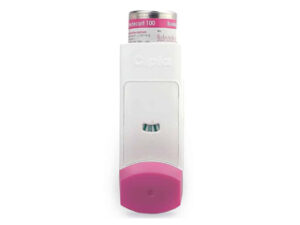

Clenbuterol (Clenbuterol Hydrochloride): Patient-Friendly Guide for Australia
Clenbuterol is a medicine sometimes discussed for its effects on breathing and its “beta-agonist” activity. In Australia, its availability and legal status are tightly regulated. This page is designed to help you understand what clenbuterol is, how it works, how it behaves in the body, and the key safety considerations—so you can make informed decisions and talk with a qualified healthcare professional.
Important note: Clenbuterol use can carry significant risks, and regulatory status in Australia may affect availability. Always follow local rules and professional advice.
Basic product information
| Category | Details |
|---|---|
| Generic name | Clenbuterol (commonly as clenbuterol hydrochloride) |
| Drug class | Beta-2 adrenergic agonist (a sympathomimetic) |
| Main action | Stimulates beta-2 receptors → bronchodilation and effects on muscle/metabolism |
| Common formulation forms | Varies by country; tablets and solutions have historically been used |
| Typical setting of use | Respiratory conditions in some jurisdictions; fitness/bodybuilding misuse is widely discussed |
Because formulations and legal availability differ between countries, always check the exact product details (strength, route, and instructions) provided by the dispensing organisation.
How clenbuterol works (mechanism of action)
Clenbuterol is a beta-2 (β2) adrenergic receptor agonist. Beta-2 receptors are found in the airways (smooth muscle) and other tissues.
- In the lungs: Activation of β2 receptors relaxes airway smooth muscle, which can improve airflow (bronchodilation).
- System-wide effects: Stimulation of adrenergic pathways can increase alertness and influence heart rate and metabolic processes.
- Thermal/metabolic effects (why it’s misused): Some users pursue weight-loss or performance-related effects, largely based on β-adrenergic stimulation. These effects are not a substitute for medically supervised care and carry real safety risks.
Pharmacokinetics: what the body does to clenbuterol
Pharmacokinetics describes how the body absorbs, distributes, metabolises, and excretes a medication.
- Absorption: Clenbuterol is generally absorbed through the gastrointestinal tract when taken orally (depending on formulation).
- Distribution: It can distribute into tissues and may show prolonged effects due to relatively extended activity.
- Metabolism: It is metabolised primarily in the liver (the exact pathway can vary by individual factors).
- Elimination (half-life): Clenbuterol is known for a relatively long duration of action compared with many short-acting bronchodilators. This contributes to lingering effects and longer washout periods after stopping.
Why this matters: Because effects may last longer than expected, dosing errors, missed safety considerations, or drug interactions can have a stronger impact.
Typical use and timing
In medical settings (where authorised), clenbuterol may be used for respiratory symptoms such as bronchospasm. However, local Australian regulations may limit legitimate access.
Timing: The timing of doses depends on the prescribed schedule and the product’s strength. Due to its longer-lasting activity, dosing is often not as frequent as short-acting relievers.
- Follow product instructions: Take it at the times recommended by the dispensing information.
- Be consistent: If a schedule is provided, staying consistent helps maintain predictable effects.
- Watch for side effects early: With beta-agonists, heart-related symptoms may appear soon after dosing.
Indications (approved/medically supervised contexts)
Indications refer to the conditions a medicine is intended to treat. Clenbuterol is a beta-agonist, so its medically relevant indications commonly relate to airway narrowing and bronchospasm in certain contexts.
However: Because medicines can be regulated differently across jurisdictions and because clenbuterol is also widely discussed for non-medical uses, it’s essential to align your use with authorised indications in Australia and your clinical situation.
- Respiratory conditions: Considered in some regions for symptoms of bronchoconstriction under medical supervision.
- Not a routine substitute: It is not intended to replace standard asthma/COPD therapies unless specifically directed by qualified professionals.
Dosing: general guidance and caution
Exact dosing must be determined based on the product strength, your clinical condition, kidney/liver function, age, and other medicines you take.
Because clenbuterol is associated with significant side effects, there is no “one-size-fits-all” schedule that is appropriate for everyone. If you have been provided with dosing instructions, follow them exactly.
- Start low (if medically directed): Clinicians may use a cautious approach to reduce the risk of tremor, palpitations, and other beta-agonist effects.
- Do not exceed the recommended amount: Higher doses increase the likelihood of adverse effects.
- Stop and seek help if severe symptoms occur: See the Safety section for warning signs.
Common practical note: Many beta-agonist-related adverse effects are dose-related and may worsen quickly.
Food interactions
Food interactions can influence absorption and tolerability for some medicines. For clenbuterol, the key practical considerations are usually about tolerability rather than dramatic absorption changes.
- Take with or without food as directed by the product label/dispensing instructions.
- If you get nausea or stomach discomfort: Taking it with food may improve comfort (unless your product instructions advise otherwise).
- Avoid sudden dietary changes around dosing: While not always a direct interaction, stable eating patterns can help you monitor side effects.
If you’re unsure, ask your pharmacist how your specific product should be taken.
Alcohol and medicine interactions
Clenbuterol affects the sympathetic nervous system pathways and may influence heart rate, blood pressure, and tremor risk. Alcohol can worsen dehydration, dizziness, and cardiovascular strain, which may heighten side effects.
- Alcohol: It’s generally advisable to limit or avoid alcohol while taking clenbuterol, especially if you experience palpitations, dizziness, or tremor.
- Other stimulants: Medicines or supplements that stimulate the heart (e.g., certain cold remedies, caffeine-heavy products, some decongestants) can increase jitteriness and heart-related side effects.
- Cardiovascular medicines: Interactions may occur with medicines affecting rhythm or blood pressure. Seek pharmacist advice if you take antihypertensives, anti-arrhythmics, or cardiac medications.
- Thyroid disease medicines: If you take levothyroxine or have hyperthyroidism, beta-agonist effects on the body may be more noticeable.
Electrolyte considerations: Some adrenergic-type agents can be associated with shifts in potassium levels. If you are at risk of electrolyte problems or take diuretics, discuss safety measures with a healthcare professional.
Safety profile: common and serious side effects
Beta-agonists like clenbuterol can cause predictable side effects. The risk increases with higher doses, missed safety checks, or interactions with other drugs.
Common side effects
- Tremor (shakiness)
- Headache
- Fast heartbeat or palpitations
- Nervousness or feeling “on edge”
- Muscle cramps
- Sweating
- Insomnia (difficulty sleeping)
Less common but important risks
- Blood pressure changes
- Chest discomfort
- Shortness of breath that worsens instead of improves
- Abnormal heart rhythms (arrhythmias)
Seek urgent medical help if
- Severe chest pain or pressure
- Fainting or severe dizziness
- Very fast or irregular heartbeat that doesn’t settle
- Severe headache with neurological symptoms
- Swelling of the face/lips or trouble breathing
These symptoms require urgent assessment.
Practical use tips (safer day-to-day approach)
If you are using clenbuterol in a legitimate medical context, the following tips can help reduce risk and improve tolerability.
- Confirm your exact product details: Strength and instructions can differ by formulation.
- Monitor your pulse: If you notice persistent palpitations, stop and seek advice promptly.
- Choose the right time of day: If insomnia occurs, your healthcare professional may suggest adjustments to timing.
- Hydrate: Dehydration can make dizziness and palpitations more likely.
- Be careful with other beta-agonists: Combining similar medications may increase side effects.
- Avoid “stacking” stimulants: Coffee concentrates, pre-workout products, or decongestants may compound heart-related effects.
- Do not share medication: Clenbuterol is not appropriate for others’ symptoms and carries safety risks.
Alternative options
Depending on your respiratory condition, safer and more commonly used alternatives may include:
- Short-acting beta-agonist inhalers (often used as relievers for bronchospasm in asthma-like symptoms)
- Inhaled corticosteroids or combination inhalers for longer-term control (where clinically indicated)
- Long-acting bronchodilators for COPD management under specialist guidance
- Non-pharmacological strategies (smoking cessation, trigger avoidance, pulmonary rehabilitation)
If you’re considering clenbuterol for fitness or performance reasons, discuss evidence-based options with a clinician. Many “alternative” approaches in this space are not risk-free and can violate rules for sport or workplaces.
Market and legal context for Australia
In Australia, medicines are regulated by TGA (Therapeutic Goods Administration) and controlled through frameworks that may include prescription-only classifications, scheduling, and supply restrictions. The legal status of clenbuterol can be complex and may differ based on formulation, intended use, and whether the product is authorised for therapeutic use.
Additionally, clenbuterol has been associated with misuse in fitness contexts. Because of this, authorities may monitor supply channels and use closely.
Practical implications for buyers:
- Only use products that are legally supplied in Australia and come with verifiable quality information.
- Avoid products that lack proper labelling, batch information, or Australian compliance details.
- If you have questions about whether a product is authorised, ask your pharmacist or refer to TGA information.
Recent guidance and awareness
While specific “recent guidance” can vary over time, the broader regulatory and clinical theme in recent years has been consistent:
- Strengthening safety communications about misuse of beta-agonists and sympathomimetic agents.
- Emphasising evidence-based respiratory care for asthma and COPD rather than unapproved alternatives.
- Encouraging consultation when respiratory symptoms are persistent or severe.
If you’re using clenbuterol for breathing symptoms, ensure you also have an appropriate long-term respiratory plan.
Delivery and availability (Australia)
Availability depends on legal status and whether an authorised product can be supplied through legitimate channels. Where a compliant supply is possible, online pharmacies typically handle delivery according to:
- Order processing times
- Packaging and temperature requirements (where applicable)
- Delivery timeframes by location across Australia
- Identity and compliance checks (if required for certain medicines)
What to expect: You may receive tracking updates and an estimated delivery window. If a product is unavailable due to regulatory constraints, the pharmacy may offer alternatives or direct you to local support.
For the most accurate information, check the product listing on our site for current availability, estimated shipping times, and any ordering requirements.
FAQ
Is clenbuterol used for asthma or COPD?
In some jurisdictions, clenbuterol has been used in respiratory contexts due to beta-2 activity. In Australia, the authorised status and clinical use may differ. For asthma/COPD, the standard of care often involves inhalers and controller therapies. Discuss the best option for your condition with a pharmacist or clinician.
How long does clenbuterol stay in the body?
Clenbuterol is known for a relatively long duration of action compared with many short-acting drugs. Exact clearance varies by individual factors such as liver function and age. Because of this longer effect, side effects may persist beyond the moment you take a dose.
What should I do if I miss a dose?
Follow the instructions provided with your specific product. In general, do not double doses. If you are unsure, contact a pharmacist for advice tailored to your schedule.
Can I take clenbuterol with food?
Many people tolerate beta-agonists better with food, but always follow the product instructions. If your label says “take on an empty stomach” or “take with food,” follow that guidance.
Can I drink alcohol while taking clenbuterol?
Alcohol may worsen dizziness, dehydration, and cardiovascular side effects. For safety, it’s recommended to limit or avoid alcohol and ask a healthcare professional for personalised advice.
What medicines should I avoid combining with clenbuterol?
Avoid combining without advice if you take stimulant medicines, certain cold/decongestant products, heart rhythm medications, blood pressure medications, or diuretics (especially if you have electrolyte concerns). Your pharmacist can screen your current medicines for potential interactions.
What are the most important warning signs?
Seek urgent medical help for severe chest pain, fainting, severe dizziness, or very fast/irregular heartbeat. Contact medical services promptly if you experience troubling palpitations or breathing symptoms that worsen.
Is clenbuterol safe for everyone?
No. People with heart rhythm problems, uncontrolled hypertension, certain metabolic conditions, liver impairment, pregnancy, or breastfeeding may face higher risk. Safety must be assessed individually.
Are there safer alternatives?
Yes—depending on why you want it. For respiratory conditions, standard inhaled therapies are typically the evidence-based option. If you’re considering it for fitness/weight goals, discuss safer evidence-based strategies and avoid unapproved or risky approaches.
Summary
Clenbuterol is a beta-2 adrenergic agonist with effects on airway smooth muscle and additional systemic activity. Its pharmacokinetics can involve a longer duration of action, and its safety profile includes risks such as tremor, palpitations, and possible rhythm disturbances—especially with higher doses or interactions (including alcohol and other stimulants).
If you’re considering clenbuterol in Australia, ensure you understand the legal availability, follow product instructions exactly, and seek professional advice—particularly if you have any cardiovascular conditions, take other medications, or experience persistent respiratory symptoms.