Singulair (Montelukast) – Patient Information (Australia)
Singulair is a brand of montelukast, a medicine used to help prevent and control certain allergic and breathing conditions. It works by blocking a substance in the body called leukotriene, which plays a key role in inflammation and airway narrowing.
This page provides patient-friendly information about how Singulair works, when it’s used, how it’s taken, potential side effects, and practical guidance for safe use in Australia. If you have any questions about your personal treatment, speak with your doctor or pharmacist.
Key product information
| Item | Details |
|---|---|
| Brand name | Singulair |
| Generic name | Montelukast |
| Medicine type | Leukotriene receptor antagonist (LTRA) |
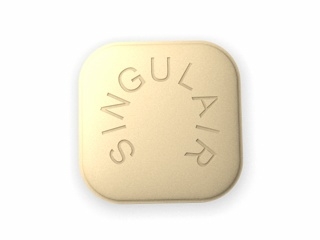
| Common forms | Tablets (e.g., strength depends on age), chewable tablets, and oral granules (formulation varies by country/brand packaging) |
| Typical dosing frequency | Once daily (often taken in the evening, depending on condition) |
| Therapeutic areas | Asthma prevention; allergic rhinitis (hay fever); prevention of exercise-induced asthma; aspirin/NSAID-related respiratory symptoms |
How Singulair works (mechanism of action)
Leukotrienes are chemicals released by the body during allergic responses and inflammation. In the lungs and airways, leukotrienes can cause:
- Airway narrowing (bronchoconstriction)
- Swelling (inflammation)
- Increased mucus production
- Greater sensitivity of the airways
Montelukast blocks leukotriene receptors, particularly the cysLT1 receptor. This helps reduce the effects of leukotrienes, supporting:
- Better asthma control over time
- Reduced frequency of symptoms such as coughing, wheezing, and shortness of breath
- Relief of symptoms of allergic rhinitis (for some patients)
Important: Singulair is generally used for prevention and long-term control of symptoms. It is not intended as a “quick-relief” medicine for sudden asthma attacks.
Pharmacokinetics (how the body handles the medicine)
Pharmacokinetics describes how montelukast is absorbed, distributed, metabolised, and eliminated.
- Absorption: Montelukast is absorbed after oral administration. Tablet and granule formulations are designed to be taken by mouth and absorbed through the gastrointestinal tract.
- Onset: Some symptom improvement may be noticed after starting treatment, but for asthma, benefits typically develop over days to weeks with consistent daily use.
- Peak levels: After an oral dose, blood levels generally peak within a few hours (exact timing can vary by individual and formulation).
- Metabolism: The medicine is metabolised mainly in the liver through enzyme pathways.
- Elimination: Montelukast and its metabolites are eliminated from the body primarily via bile and faeces, with some clearance through urine.
- Half-life: Montelukast has a dosing schedule that supports once-daily use for most indications.
Kidney impairment often does not require special adjustment for many patients, but liver impairment may be relevant—your pharmacist can advise based on your situation.
What it’s used for (indications in plain language)
In Australia, montelukast (Singulair) is commonly used for:
- Asthma (maintenance/prevention): Helping control symptoms and reducing the risk of asthma attacks, especially in people whose asthma is triggered by allergies or who have a leukotriene-driven component.
- Prevention of exercise-induced bronchoconstriction: Helping reduce symptoms triggered by exercise.
- Allergic rhinitis (hay fever): Relief of symptoms such as sneezing, runny or blocked nose in selected patients (sometimes as part of combination allergic management).
- Aspirin/NSAID-related respiratory symptoms: In some patients with asthma who also experience sensitivity to aspirin or non-steroidal anti-inflammatory drugs (NSAIDs).
Not for sudden attacks: If you have asthma, always ensure you have an appropriate reliever inhaler available as advised by your healthcare professional.
Typical timing: when to take Singulair
Many patients take Singulair once daily in the evening. This timing can suit how symptoms and inflammation behave throughout the day and night, and it may also align with advice from your clinician.
General practical guidance:
- Take it at the same time each day to maintain consistent levels.
- If you miss a dose, take it as soon as you remember unless it’s nearly time for the next dose. Do not take a double dose.
- Continue daily use even if you feel well—montelukast is designed for ongoing control.
Example schedules (illustrative):
- Asthma/allergic rhinitis: usually evening (e.g., 8–10 pm)
- Exercise-related symptoms: taken as directed so it covers the period before exercise
Always follow the dosing instructions on your packaging or as provided by your doctor or pharmacist.
Dosing (how much and how often)
Dosing depends on the age, indication, and the formulation (tablet strength vs chewable vs oral granules). Because strengths vary, it’s important to use the correct product and dose for your specific situation.
Common approach (general information):
- Adults and adolescents: typically once daily dosing, often 10 mg for many asthma and allergic rhinitis indications, depending on the exact medicine presentation.
- Children: lower doses are used, often depending on age bands and whether the medicine is chewable or granules.
Check your pack for the exact strength and instructions. If you’re unsure, ask your pharmacist to confirm the right dose for your age and condition.
How to take it
- Tablets: swallow whole with water.
- Chewable tablets: chew thoroughly before swallowing.
- Oral granules: may be mixed with soft food or taken as directed by the product instructions. Do not change the preparation method without checking the leaflet.
Consistency matters: If you use a once-daily schedule, try not to skip doses.
Food interactions (including alcohol)
With food
Montelukast can usually be taken with or without food. Many patients find it easiest to take with an evening meal or snack, but the critical factor is taking it regularly.
If you are using granules, preparation instructions may specify mixing with soft food. Follow those directions carefully.
With alcohol
There is no universal rule that montelukast must never be taken with alcohol. However:
- Alcohol may worsen asthma control in some people by irritating airways or affecting sleep and immunity.
- Alcohol can also affect wellbeing and alertness, which matters if you experience mood or sleep-related side effects.
If you choose to drink alcohol, consider keeping it moderate and monitor whether your breathing, sleep, or mood feels worse afterward. If you’re concerned, speak to your pharmacist.
Medicine interactions (general guidance)
Montelukast can interact with certain medicines through effects on drug metabolism, but many common medicines can be used alongside it under normal circumstances.
Tell your pharmacist or doctor about all medicines you take, including:
- Prescription medicines
- Over-the-counter medicines (including cold and flu products)
- Herbal remedies and supplements
- Any asthma medicines (inhalers and tablets)
Common interaction themes to be aware of
- Other asthma/allergy treatments: Montelukast is often used in combination with inhaled corticosteroids and/or antihistamines. Combination plans should be personalised.
- Enzyme inducers or inhibitors: Some medicines can affect the way montelukast is metabolised. Your pharmacist can check your specific medication list.
- Avoiding duplicate leukotriene medicines: Do not take more than one leukotriene receptor antagonist (or combination products containing similar actives) unless advised.
Practical tip: If you start or stop any medicine, check that it doesn’t require timing changes or monitoring.
Safety profile and side effects
Like all medicines, Singulair may cause side effects. Many people experience none or only mild effects. Some side effects may require stopping the medicine and seeking medical advice.
Common side effects
- Headache
- Abdominal pain or stomach upset
- Unusual tiredness or sleepiness
- Dizziness
Less common but important side effects
Neuropsychiatric effects: There have been reports of mood and behaviour changes, including:
- Agitation
- Anxiety
- Sleep disturbances (including insomnia)
- Depression
- Tremor
- Hallucinations
- Suicidal thoughts or actions (rare)
Seek urgent medical help if you or your child experiences severe behavioural changes, worsening depression, suicidal thoughts, or any sudden alarming change in mood or behaviour.
Allergic reactions (seek immediate help)
- Swelling of the face, lips, tongue or throat
- Difficulty breathing
- Hives or widespread rash
When to contact a healthcare professional promptly
- Side effects that persist or worsen
- New or unusual symptoms after starting the medicine
- Worsening asthma symptoms or increased need for reliever inhaler
Practical use tips for best results
- Use it daily as directed: Montelukast generally works best when taken consistently, not only “when symptoms are bad.”
- Keep your asthma action plan: Ensure you know when to use your reliever inhaler and when to seek medical help.
- Monitor triggers: Allergens, cold air, exercise, and viral infections can worsen symptoms—montelukast may help, but you still need avoidance strategies where possible.
- Track symptoms: If you keep notes on cough, wheeze, night symptoms, and exercise tolerance, you can help your healthcare professional assess whether the plan is working.
- Sleep and mood awareness: If you notice sleep problems, agitation, anxiety, or mood changes after starting or increasing dose, contact your pharmacist or doctor for advice.
- Don’t stop suddenly without guidance: If you need to stop because of side effects or lack of benefit, ask for advice on the safest approach.
Alternative options (depending on your condition)
Alternatives vary by whether you’re treating asthma, allergic rhinitis, or both, and by your age and symptom pattern.
Asthma control alternatives
- Inhaled corticosteroids (ICS): foundational prevention therapy for many people.
- Combination inhalers (ICS/LABA): for additional control in some patients.
- Leukotriene alternatives: Some people may be prescribed different anti-inflammatory or allergy-targeted medicines depending on their profile.
Allergic rhinitis options
- Intranasal corticosteroid sprays
- Oral or intranasal antihistamines
- Allergen avoidance measures (e.g., dust mite control, pollen strategies)
Your healthcare professional can help match an alternative to your specific symptoms, triggers, and medical history. Do not switch therapies without guidance.
Market and legal context for Australia
In Australia, medicines are regulated by the Therapeutic Goods Administration (TGA). The availability and classification of individual products (for example, whether they are prescription-only or have restrictions) can differ by formulation and strength.
For online pharmacy purchasing and supply:
- Products must meet Australian regulatory requirements for quality, packaging, and labelling.
- Some medicines may require additional checks before supply to ensure suitability and safety.
- Consumers should always use the exact product name and strength recommended for their age group and condition.
Guidelines and safety communications may be updated over time. It’s important to read the consumer medicine information (CMI) leaflet provided with your product and follow healthcare professional advice.
Recent guidance and important safety updates (consumer-focused)
Over recent years, regulatory agencies internationally have issued safety communications about neuropsychiatric side effects associated with montelukast. As a result, clinicians and patients are encouraged to:
- Be alert to changes in sleep, mood, behaviour, or thinking
- Discuss risks and benefits before starting treatment, especially for mild or intermittent symptoms
- Seek medical advice promptly if troubling psychological symptoms occur
What this means practically: If you’re starting Singulair or restarting after a break, watch for new symptoms, particularly in children and teenagers. If anything feels out of character, contact a healthcare professional promptly.
Delivery and availability (online pharmacy)
Singulair (montelukast) is commonly stocked by Australian online pharmacies, subject to availability and product formulation. Delivery times vary based on location, order processing, and courier services.
When ordering online, you’ll typically see:
- Product strength and dosage form (e.g., tablet vs chewable/granules)
- Quantity available
- Estimated delivery times
- Packaging details required for safe storage
Storage: Keep the medicine in its original packaging, protected from excessive heat and moisture, and out of reach of children.
FAQ
Is Singulair used for asthma attacks?
No. Singulair is generally used for long-term prevention and control. It is not a quick-relief medicine for sudden asthma symptoms. Keep your prescribed reliever medicine available and follow your asthma action plan.
How long does it take to work?
Some people notice improvement after starting, but for asthma control, benefits often develop over days to weeks with consistent daily use. Allergic rhinitis benefit may also build over time, particularly during pollen seasons or when taken consistently.
Can I take Singulair with my inhaler?
Many people use Singulair alongside other asthma medicines (such as inhaled corticosteroids and relievers). Follow your personalised plan. If you’re unsure about your combination therapy, ask your pharmacist to review your regimen.
What if I miss a dose?
Take it as soon as you remember unless it is close to the next scheduled dose. Do not take two doses together to make up for a missed one.
Should I stop if I feel better?
Do not stop without advice. If Singulair is supporting asthma control or allergic symptoms, stopping can lead to return of symptoms. Discuss any concerns with your healthcare professional.
Are there restrictions around age?
Doses and formulations can differ by age group. Always use the strength and form indicated for your age and condition as directed on the pack or by your pharmacist.
Does food affect Singulair?
Generally, montelukast can be taken with or without food. If you have granules, follow the specific mixing/preparation instructions in the product leaflet.
Can I drink alcohol while taking Singulair?
Moderate alcohol is not automatically forbidden, but alcohol may worsen asthma symptoms in some people and could affect mood or sleep. If you notice breathing, sleep, or mood issues after drinking, reduce alcohol or seek advice.
What should I do if I notice mood or sleep changes?
Contact your doctor or pharmacist promptly. Seek urgent help if symptoms are severe—such as intense agitation, depression, hallucinations, or suicidal thoughts or behaviours.
Are there alternatives if it doesn’t help?
Yes. Depending on whether you’re treating asthma or allergic rhinitis, alternatives may include inhaled anti-inflammatory therapy, antihistamines, intranasal sprays, or other prevention strategies. Your clinician can recommend the best option for your symptoms and risk profile.
Remember: Always read the consumer medicine information (CMI) leaflet for your specific Singulair product and follow healthcare professional advice. If symptoms worsen or you experience concerning side effects, seek medical advice promptly.