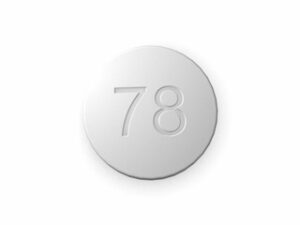
Levlen (Ethinyl estradiol / Levonorgestrel) — Oral Contraceptive Pill
Levlen is a combined oral contraceptive pill containing ethinyl estradiol and levonorgestrel. It is commonly used to help prevent pregnancy and may also help manage certain menstrual-related symptoms. This page explains how Levlen works, how to take it, important safety information, interactions, and practical tips for use in Australia.
Basic product information
| Category | Combined oral contraceptive (COC) |
|---|---|
| Active ingredients | Ethinyl estradiol + Levonorgestrel |
| Route | Oral tablet |
| Common uses | Contraception; may help with menstrual symptoms |
| How it’s taken | Daily dosing according to pack instructions (21 active + 7 placebo/days off, depending on brand format) |
| Typical duration | Cycles repeated monthly while you need contraception |
| Availability | Typically supplied through Australian pharmacies |
Levlen brands can vary in pack design (e.g., number of active and hormone-free tablets). Always follow the specific instructions on your Levlen pack, because the dosing calendar and the “off days” plan can differ between product formats.
How Levlen works (mechanism of action)
Levlen is a combined pill that uses two hormones—ethinyl estradiol and levonorgestrel—to reduce the chance of pregnancy. It works mainly by:
- Preventing ovulation: The hormones suppress signals from the brain (pituitary/hypothalamus) that normally trigger ovulation.
- Thickening cervical mucus: Levonorgestrel helps make it harder for sperm to move through the cervix.
- Changing the endometrium: The lining of the uterus becomes less suitable for implantation.
While Levlen’s primary goal is contraception, it can also lead to more predictable bleeding patterns and may help with symptoms such as dysmenorrhoea (painful periods) or acne in some people.
Pharmacokinetics (how the body processes it)
Pharmacokinetics describes what the body does with a medicine—how it is absorbed, distributed, metabolised, and eliminated. Levlen’s components behave differently from one another:
- Absorption: Both hormones are absorbed after oral administration. Taking the pill at a consistent time each day supports steady hormone levels.
- Distribution: Ethinyl estradiol and levonorgestrel bind to plasma proteins. This affects how hormones circulate throughout the body.
- Metabolism: Both hormones are primarily metabolised by the liver.
- Elimination: Metabolites are cleared from the body primarily via biliary/hepatic and renal pathways (including excretion into urine).
Why this matters for users: If you miss tablets, vomit shortly after taking them, or take certain medicines that alter liver enzymes, hormone levels may drop—reducing contraceptive reliability. Consistent daily use and attention to missed doses are important.
Typical use and benefits
Many people choose Levlen for contraception because it is taken as a daily pill and can provide additional cycle control benefits. Depending on the individual, it may also help:
- Prevent pregnancy when taken correctly
- Make periods more regular and easier to predict
- Reduce menstrual bleeding symptoms (varies by person)
- Help with acne in some users (not guaranteed)
- Reduce menstrual cramps (varies by person)
Levlen does not protect against sexually transmitted infections (STIs). Condoms or other barrier methods are still recommended for STI protection.
Timing and how to take Levlen
Choose a consistent daily time
For best results, take your Levlen tablet at about the same time each day. This helps maintain more consistent hormone levels and reduces the chance of accidental missed pills.
Starting Levlen
How to start can depend on your circumstances (for example, whether you’re switching from another contraceptive, postpartum, or starting after a pregnancy loss). Follow the instructions included with your specific pack. In general, starting at the right time helps provide earlier contraceptive protection.
During the pack cycle
Many combined oral contraceptives are taken for a set number of days of active hormone tablets, followed by hormone-free tablets or a “tablet-free” interval. During the hormone-free interval, many users experience a withdrawal bleed.
- Keep taking active tablets daily according to the calendar pack.
- Do not extend the hormone-free interval beyond pack instructions.
- Start the next pack on time to maintain contraceptive effectiveness.
If you miss a dose
Missed tablets can reduce effectiveness. The recommended approach depends on how many tablets were missed and which week of the pack you’re in. If you’re not sure, consult the pack leaflet guidance. If guidance is unclear, seek advice from a healthcare professional or pharmacist.
General principle: The sooner you take a missed tablet and continue correctly, the better.
Vomiting or severe diarrhoea
If you vomit shortly after taking a tablet (or have severe diarrhoea), your body may not fully absorb the dose. Follow the pack leaflet instructions for “missed” tablets in this situation—often treating it similarly to a missed dose.
Food, alcohol, and medicine interactions
Food interactions
Levlen can generally be taken with or without food. However, certain situations can affect absorption or comfort:
- Vomiting: vomiting soon after a dose may reduce absorption (treat as a missed dose).
No specific common foods are known to directly negate the pill’s effect, but maintaining a routine and staying hydrated can help reduce stomach-related problems that may interfere with tablet absorption.
Alcohol
Moderate alcohol intake does not usually directly reduce contraceptive effectiveness. The bigger issue is that heavy or frequent alcohol use may increase the likelihood of missed pills, vomiting, or impaired adherence. If you’re concerned about missed dosing, choose a time that works for you and set reminders.
Medicine interactions (important)
Some medicines can reduce the effectiveness of combined oral contraceptives by increasing liver enzyme activity or altering hormone metabolism. Others may affect bleeding patterns.
Examples include (not exhaustive):
enzyme-inducing medicines (some anti-epileptics, certain antibiotics like rifampicin/rifabutin,
and some medicines used for tuberculosis or HIV treatment regimens) and herbal supplements such as St John’s wort.
- Ask your pharmacist or check the medicine leaflet when starting any new medicine.
- Use extra contraception (e.g., condoms) if advised, especially during the time enzyme-inducing medicines are used and for a period after stopping them.
- Tell healthcare professionals that you use Levlen, including dentists and other specialists.
What about other hormones and supplements?
- Herbal products: St John’s wort can be a significant concern for contraceptive effectiveness.
- Cholestyramine and certain bile-acid binders: may affect absorption of hormones.
- Other prescription medicines: may affect bleeding patterns or hormone levels.
If you take long-term medicines for chronic conditions, it’s especially important to have a medication review to confirm the best contraceptive choice and dosing plan.
Indications (what Levlen is used for)
In Australia, combined oral contraceptives like Levlen are generally used for:
- Contraception to prevent pregnancy.
- Management of menstrual symptoms in some individuals (for example, more regular cycles and reduced menstrual discomfort).
The suitability of Levlen depends on your individual risk factors and medical history. Combined pills are not appropriate for everyone, particularly those with certain cardiovascular or clotting risk factors.
Dosing
The dose of Levlen is designed as a fixed-dose regimen based on the pack format. Follow the instructions in the pack leaflet for your specific brand version.
Typical regimen (general outline)
Many Levlen packs use a cycle such as:
- Active hormonal tablets taken daily for a set number of days.
- Hormone-free tablets or tablet-free interval for the remaining days of the cycle.
- Start the next pack after the scheduled interval.
Important: Do not alter the order of tablets or change the schedule unless advised by the pack instructions or a pharmacist/doctor.
Missed tablets (high-level guidance)
Because recommendations vary depending on how many tablets were missed and where you are in the pack, the pack leaflet provides the correct step-by-step instructions.
If you have missed tablets and are unsure what to do, consider:
- Check your pack leaflet’s missed dose section.
- Use condoms until you have taken tablets correctly for the recommended period.
- Consider pregnancy testing if you have had significant missed doses and no withdrawal bleed occurs.
Safety profile and warnings
Like all hormonal contraceptives, Levlen can have side effects and some people should not use combined pills. The most serious risks relate to blood clot formation.
Common side effects
- Nausea or stomach discomfort
- Breast tenderness
- Headache (including migraine in some cases)
- Spotting or breakthrough bleeding, especially in the first few cycles
- Mood changes
- Changes in libido
- Changes in weight (varies; may be due to fluid changes or appetite effects)
Many side effects improve after a few months as your body adjusts.
Serious risks (blood clots) — know the warning signs
Combined oral contraceptives increase the risk of venous thromboembolism (VTE) (such as deep vein thrombosis or pulmonary embolism) compared with not using them. The risk is higher in certain situations (for example, with some medical conditions or after surgery).
Seek urgent medical attention if you experience signs of clotting, such as:
- Leg symptoms: swelling, pain, warmth, or redness in one leg
- Breathing symptoms: sudden shortness of breath, chest pain, coughing blood
- Stroke symptoms: sudden weakness/numbness on one side, trouble speaking, facial droop, severe sudden headache, dizziness
- Eye symptoms: sudden partial or complete vision loss
When Levlen may not be suitable
Levlen may be unsuitable if you have certain conditions or risk factors. In Australia, clinicians commonly avoid combined pills when there is:
- A current or past history of blood clots
- Some types of migraine (especially migraine with aura)
- Severe liver disease
- Uncontrolled high blood pressure or certain cardiovascular risk factors
- Known or suspected hormone-sensitive cancers (depending on type)
- Unexplained vaginal bleeding that hasn’t been evaluated
- Pregnancy or suspected pregnancy
- Recent major surgery with prolonged immobilisation (risk may increase)
If you’re unsure whether your history affects eligibility, talk with a pharmacist or healthcare professional before using a combined pill.
Cholestasis and liver-related warnings
In rare cases, combined pills can be associated with liver-related problems. Report yellowing of the skin/eyes, dark urine, or severe itching promptly.
Smoking and age considerations
Smoking increases cardiovascular risk. If you smoke, especially if you are older, combined pills may be less suitable. Discuss your individual risk profile with a pharmacist or doctor.
Important notes on withdrawal bleeding
Not everyone bleeds the same way each cycle. If bleeding changes significantly, or if you miss hormone-free intervals or experience symptoms of pregnancy, consider pregnancy testing and follow medical advice.
Practical use tips (to make Levlen easier and safer)
- Use a daily reminder: phone alarm, calendar, or medication reminder app.
- Keep pills visible: place them where you’ll notice them after brushing teeth or breakfast.
- Follow the pack order: don’t mix up tablets—use the calendar strip.
- If you’re travelling: carry enough tablets for your trip plus a buffer, and take your dose based on your schedule.
- Manage missed doses early: check the pack leaflet guidance as soon as you realise a dose was missed.
- Consider backup contraception: if you miss tablets, are unwell with vomiting/diarrhoea, or start interacting medicines.
- Record symptoms: note unusual bleeding, severe headaches, or side effects to discuss with a clinician.
Storage
Store Levlen tablets according to the instructions on the pack, typically at controlled room temperature conditions. Keep out of reach of children and protect from excessive moisture and heat.
Alternative options
If Levlen isn’t suitable due to side effects, risk factors, or personal preference, there are other contraceptive options. Choice depends on your health profile, goals, and how you prefer to take or receive contraception.
Other pill options
- Progestogen-only pill (POP): does not contain oestrogen; may be suitable for some people who cannot take combined pills.
- Different combined pills: other formulations with different progestogens may be better tolerated.
Long-acting reversible contraception (LARC)
- Hormonal IUD: releases progestogen locally in the uterus; may reduce bleeding.
- Copper IUD: non-hormonal; may increase bleeding/cramps for some users.
- Implant: a progestogen-releasing rod inserted under the skin; effective for multiple years.
Barrier methods and emergency contraception
- Condoms help reduce pregnancy risk and protect against STIs.
- Emergency contraception may be an option after missed pills or unprotected sex; timing is important.
If you’re switching methods, timing and overlap can matter. A pharmacist can help you plan a smooth transition.
Market and legal context for Australia
In Australia, contraceptive medicines—including combined oral contraceptives—are regulated and supplied through Australian pharmacies. Availability may depend on the specific product presentation, brand, and local pharmacy policies.
Health information and consumer medicines details are typically aligned with the Australian regulatory framework, including requirements for product labelling, consumer medicine information (CMI), and safe-use messaging. Pharmacies and healthcare professionals support safe dispensing practices.
For online purchasing, reputable pharmacies will verify patient details and provide appropriate counselling resources. Always check that the product is sourced from legitimate supply channels and that the pack you receive matches the advertised medicine.
Recent guidance and best-practice considerations
Contraceptive guidance evolves as new evidence emerges. Current best practice generally emphasises:
- Assessing individual clot and cardiovascular risk before prescribing or starting combined pills.
- Reviewing medicines and supplements that can reduce pill effectiveness (especially enzyme-inducing drugs and St John’s wort).
- Supporting adherence through reminders and clear missed-dose instructions.
- Recognising warning symptoms early and seeking urgent help if clot or stroke symptoms occur.
- Regular follow-up when side effects are troublesome or bleeding patterns change significantly.
If you develop new risk factors (for example, smoking changes, new migraines with aura, or after major surgery), ask a pharmacist or healthcare professional whether your contraceptive choice is still appropriate.
Delivery and availability in Australia
Levlen is generally available through pharmacies across Australia. Online pharmacy availability may vary by state and stock levels. When ordering online, ensure:
- The product name and strength match what you intended to buy (check the active ingredients and pack format).
- You receive the correct pack type (active vs hormone-free tablet layout may differ).
- Delivery conditions suit medication storage needs (protect from excessive heat when possible).
- Use-by dates are current at the time of delivery.
If you have questions about how to start, switch, or manage missed doses, many Australian pharmacies provide support via phone or online chat.
FAQ — Levlen (Ethinyl estradiol / Levonorgestrel)
1) How effective is Levlen?
Combined oral contraceptives are highly effective when taken correctly every day. Effectiveness decreases if doses are missed, if tablets are not absorbed due to vomiting/diarrhoea, or if interacting medicines reduce hormone levels. Use condoms for additional protection if you’ve missed doses or started a medicine that may interfere with Levlen.
2) What should I do if I miss a Levlen tablet?
The right action depends on how many tablets were missed and which part of the pack you’re in. Refer to the missed-dose instructions in your Levlen pack leaflet. If unsure, contact a pharmacist for guidance and consider using condoms until recommended tablet-taking has resumed.
3) Can I take Levlen with food?
Yes, Levlen can generally be taken with or without food. The main absorption concerns are vomiting soon after taking a tablet or severe diarrhoea—these may require “missed dose” steps.
4) Does alcohol affect Levlen?
Moderate alcohol typically doesn’t directly reduce contraceptive effectiveness. However, heavy drinking may increase the chance you miss tablets or vomit—both of which can affect effectiveness.
5) What medicines can interact with Levlen?
Some medicines can reduce the effectiveness of combined pills by altering liver enzyme activity. Common examples include certain anti-epileptics and rifampicin/rifabutin-type antibiotics, and herbal supplements like St John’s wort. Always check with your pharmacist when starting or stopping any medicine or supplement.
6) Will Levlen protect me from STIs?
No. Levlen prevents pregnancy but does not protect against sexually transmitted infections. Barrier methods (such as condoms) can help reduce STI risk.
7) What side effects are common?
Common side effects include nausea, breast tenderness, headaches, spotting, and mood changes. Many improve after a couple of cycles. Seek advice if side effects are severe or persist, or if you notice warning signs of blood clots (such as leg swelling, chest pain, or sudden shortness of breath).
8) When should I seek urgent medical care?
Get urgent medical help if you suspect a blood clot or stroke—for example, sudden breathing difficulty, chest pain, coughing blood, one-sided leg swelling/pain, or sudden weakness, speech difficulty, or severe sudden headache.
9) Can I use Levlen if I have migraines?
Some people with migraine can use combined pills, but migraines with aura are generally a contraindication because risk may be higher. Discuss your migraine type and history with a pharmacist or doctor before using Levlen.
10) Is it safe to keep taking Levlen if I miss my withdrawal bleed?
Withdrawal bleeding can vary, but if you’ve missed active tablets, had vomiting/diarrhoea, or started interacting medicines, consider pregnancy testing and follow guidance in the pack leaflet. If you’re worried, speak with a pharmacist or healthcare professional.