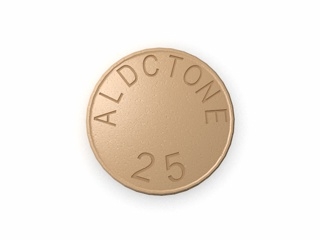
Aldactone (Spironolactone) – Patient Information (Australia)
Aldactone is a brand of spironolactone, a medicine commonly used to help manage fluid retention and to treat certain hormone-related conditions. This page explains how Aldactone works, what it’s used for, how to take it safely, and what to expect. It is written for general information only and does not replace advice from a healthcare professional.
Quick Overview
- Active ingredient: Spironolactone
- Medicine group: Potassium-sparing diuretic; aldosterone antagonist
- Common uses: Fluid retention (oedema) in selected conditions; high blood pressure in certain cases; hormonal acne; conditions involving excess aldosterone
- Key safety point: Can raise potassium (hyperkalaemia), so blood tests may be needed
- Typical timing: Once or twice daily, often with food to improve stomach comfort
Basic Product Information
| Category | Details |
|---|---|
| Brand name | Aldactone |
| Generic name | Spironolactone |
| How it’s supplied | Oral tablets (strengths vary by product availability) |
| How it’s taken | By mouth, with or without food (often with food) |
| Who may prescribe/use | Used by clinicians to treat selected fluid and hormonal conditions |
Availability and product strength can vary. If you’re unsure which formulation you have, check the package label or consult your pharmacist.
How Aldactone Works (Mechanism of Action)
Spironolactone belongs to a class of medicines called potassium-sparing diuretics. It works by blocking the effects of aldosterone, a hormone that helps your body manage salt and water.
In the kidneys, aldosterone typically:
- Increases sodium reabsorption (keeping salt in the body)
- Increases potassium excretion (removing potassium in urine)
- Promotes water retention indirectly
Spironolactone blocks aldosterone receptors, which results in:
- More sodium and water loss (mild diuretic effect)
- Less potassium loss (potassium-sparing)
- Lower strain on the cardiovascular system in appropriate conditions
Because of its hormone effects, spironolactone can also help with certain androgen-related skin conditions such as acne (in selected patients).
Pharmacokinetics (What the Body Does to the Medicine)
Understanding timing and how the medicine is processed can help explain why effects may take time.
- Absorption: Spironolactone is absorbed after oral dosing. Taking it with food may improve tolerance and can support more consistent absorption.
- Metabolism: Spironolactone is extensively metabolised in the body, producing active metabolites.
- Onset: For fluid-related uses, diuretic effects may begin within hours, but noticeable benefits can take several days depending on the condition and dose.
- Half-life: The parent drug and metabolites have differing elimination rates. The active metabolites can contribute to a longer-lasting effect than the parent compound alone.
- Elimination: Metabolites are cleared mainly via the kidneys and also through biliary routes.
Note: Individual response varies. Your clinician may adjust dosing based on symptoms and blood results, particularly potassium and kidney function.
Typical Uses and Indications in Plain Language
Aldactone is used when blocking aldosterone is beneficial. Depending on the clinical situation, it may be used for:
- Fluid retention (oedema) associated with certain conditions such as heart failure or liver-related fluid accumulation (when appropriate).
- Conditions with excess aldosterone (or suspected aldosterone-driven salt retention).
- Hypertension in selected cases, particularly where aldosterone is thought to contribute.
- Hirsutism (excess hair growth) and other androgen-sensitive conditions in appropriate patients.
- Acne in some patients where hormonal factors may play a role.
Not every use is appropriate for every patient. Your healthcare team will consider your medical history, current medicines, kidney function, and potassium levels.
How to Take Aldactone (Dosing Guidance)
Important: Dose is determined by your treating clinician based on the condition being treated, kidney function, and potassium levels. The information below is general and may not match your personal plan.
General dosing principles
- Start low, adjust gradually: Many patients begin with a lower dose to reduce the risk of side effects.
- Blood tests guide dosing: Potassium and kidney function may be checked, especially after starting or changing dose.
- Consistency matters: Taking the dose at the same times each day helps maintain steady effects.
Typical dosing schedule (general)
- Once daily or divided doses: Commonly taken once daily or split into two doses depending on the total daily amount and tolerability.
- With meals: Many people find it more comfortable to take Aldactone with food.
If you miss a dose, take it when you remember unless it’s near the time for the next dose. Avoid taking double doses. If you’re unsure, ask your pharmacist for advice tailored to your schedule.
When Does Aldactone Start Working? (Timing)
Timing varies by condition:
- Fluid retention: Some diuretic effect may be noticed within the first 24 hours, but meaningful symptom improvement often takes several days.
- Blood pressure: Blood pressure lowering may occur within days, with more stable effect often developing over 2–6 weeks.
- Hormonal skin effects (e.g., acne): Results are usually gradual; changes may take 6–12 weeks or longer.
Keep taking it as directed even if you don’t feel an immediate change. Stopping suddenly may worsen fluid symptoms in some conditions.
Food Interactions and Practical Eating Tips
There is no single “required” diet with Aldactone, but nutrition can influence potassium levels.
Food and drink considerations
- Potassium-rich foods: Generally, most people can still eat a normal balanced diet. However, if you have kidney disease, your clinician may advise limiting high-potassium foods (for example, very large portions of bananas, dried fruit, or salt substitutes).
- Salt substitutes: Many salt substitutes contain potassium. Using them without guidance may increase potassium risk.
- High-salt diets: These can counteract the benefits in fluid and blood pressure control.
Taking with food
To improve comfort, many patients take Aldactone with food. Food can also help reduce nausea for some people. You can usually take it with or without food if tolerated, but follow your clinician’s instructions.
Alcohol Interactions
Moderate alcohol may not directly interact with spironolactone in a predictable way for everyone, but alcohol can affect blood pressure, hydration, and electrolyte balance.
Be cautious if:
- You already have low blood pressure, dizziness, or dehydration risk
- You are taking medicines that affect blood pressure or potassium
- You have heart failure or kidney issues
If you choose to drink alcohol, consider starting with a small amount and monitor for dizziness, lightheadedness, or unusual tiredness. If you develop symptoms, avoid alcohol and seek advice.
Medicine Interactions (Very Important)
Aldactone can raise potassium, so interactions often involve medicines that also increase potassium or affect kidney function.
Medicines that can increase potassium
- ACE inhibitors (e.g., enalapril, lisinopril)
- Angiotensin II receptor blockers (ARBs) (e.g., losartan, valsartan)
- Direct renin inhibitors (e.g., aliskiren)
- Potassium supplements or potassium-containing salt substitutes
- Other potassium-sparing diuretics (e.g., amiloride, triamterene)
- Some anti-inflammatory medicines (NSAIDs) (e.g., ibuprofen, naproxen, diclofenac), especially with kidney impairment
Medicines that may affect kidney function or diuretic response
- NSAIDs can reduce kidney blood flow in some people and may increase risk of kidney problems when combined with other medicines that affect renal function.
- Diuretics (other “water tablets”): combinations may require monitoring, as electrolyte changes can occur.
Hormonal and other medicines
- Hormonal therapies: Aldactone’s anti-androgen effects can interact with hormone-related treatment plans. Your clinician may adjust therapy accordingly.
- Other medicines should be reviewed for specific interaction risk.
Always tell your pharmacist or clinician about all medicines and supplements you take, including “natural” products, magnesium, herbal preparations, and over-the-counter anti-inflammatory drugs.
Safety Profile: What to Watch For
Aldactone is generally well tolerated when monitored appropriately, but there are important safety considerations.
Common side effects
- Increased urination (often mild compared with other diuretics)
- Stomach upset, nausea
- Headache
- Dizziness, especially when standing
- Breast tenderness or enlargement (more common in some populations)
- Menstrual irregularities
Serious risks (seek medical advice promptly)
- High potassium (hyperkalaemia): This can be dangerous. Symptoms may include muscle weakness, tingling, slow or irregular heartbeat, or severe fatigue. In many cases, it’s detected by blood tests before symptoms occur.
- Kidney problems: Risk may be higher in dehydration, kidney impairment, or certain drug combinations.
- Allergic reactions: Swelling of face/lips, rash, or difficulty breathing require urgent medical attention.
- Severe dizziness/fainting: Could indicate low blood pressure or other issues.
Who needs extra caution?
- People with kidney disease
- People with high baseline potassium
- Older adults (higher likelihood of electrolyte changes and kidney function changes)
- People taking interacting medicines (especially ACE inhibitors/ARBs, potassium supplements, or NSAIDs)
Practical Use Tips (Getting the Best Results)
- Use blood tests as planned: Potassium and kidney function checks help keep treatment safe.
- Stay hydrated appropriately: Don’t over-restrict fluids unless your clinician advises it, but avoid excessive dehydration—especially if you’re also taking other diuretics.
- Stand up slowly: If you feel lightheaded, rise gradually from sitting or lying positions.
- Track symptoms: Note changes in swelling, urine frequency, blood pressure symptoms, or skin changes.
- Avoid potassium-containing products unless approved: This includes supplements and many salt substitutes.
- Don’t stop suddenly: If you stop, symptoms may return. If you’re considering stopping, talk to your pharmacist or clinician first.
Alternative Options
Alternatives depend on the reason you’re taking Aldactone. Your clinician may consider different options such as:
For fluid retention / diuretic needs
- Other diuretics (e.g., loop diuretics or thiazide-type diuretics) depending on your condition and electrolyte needs.
- Adjusting diet and underlying treatment (salt restriction, managing heart failure triggers, etc.).
For hormonal acne, hirsutism, or androgen-related symptoms
- Other hormonal treatments (your clinician will assess suitability based on your individual health profile).
- Topical therapies and other acne medications may be used alongside or instead of spironolactone.
Important
Switching medicines should be supervised. If you have concerns about side effects or results, discuss them promptly—there may be dose adjustments or alternative treatments.
Market & Legal Context in Australia (What to Expect)
In Australia, spironolactone is widely available through established pharmacy supply chains. Depending on your specific product and the reason it’s being used, access may vary.
- Australian medicines regulation: Medicines are regulated by the Australian Therapeutic Goods Administration (TGA).
- Prescribing and pharmacist oversight: Pharmacy professionals may require clinical information to ensure safe dispensing and to check interactions and suitability.
- Product availability: Brands and strengths can vary based on supply; some patients may use the generic name “spironolactone” if available.
For the most accurate guidance for your situation, follow the advice given by your healthcare professional and the dispensing pharmacy.
Recent Guidance & Monitoring (General)
Across many countries, including Australia, clinical practice commonly emphasises:
- Electrolyte monitoring: Regular blood tests for potassium and kidney function, especially after initiation or dose changes.
- Medication review: Careful checking of combinations that can increase potassium or impair kidney function.
- Individualised dosing: Lower doses may be used initially, with titration based on response and safety results.
Reminder: Your clinician’s monitoring plan is tailored to your condition and risk factors. Always follow your planned testing schedule.
Delivery and Availability (Online Pharmacy Considerations)
When ordering Aldactone online in Australia, availability and dispatch timing can depend on:
- Stock levels at the pharmacy or distribution centre
- Product strength and formulation
- National delivery routes and courier schedules
What to check before purchasing:
- Confirm the strength and quantity shown on the listing.
- Ensure your personal medication details match the product (avoid confusion between similar medicines).
- Check delivery estimates at checkout, including any cut-off times for same/next-day dispatch (where available).
Storage: Keep tablets in a cool, dry place and store them according to the instructions on the packaging. Keep out of reach of children.
FAQ: Aldactone (Spironolactone)
1. What is Aldactone used for?
Aldactone (spironolactone) is used for conditions where blocking aldosterone is helpful, such as fluid retention in certain medical conditions, some cases of high blood pressure, and selected hormone-related problems (including androgen-driven acne in some patients).
2. How long does Aldactone take to work?
Effects depend on what you’re treating. Fluid-related benefits may begin within days, blood pressure changes often become clearer within weeks, and skin-related improvements (like acne) typically take longer—often 6 to 12 weeks or more.
3. Should I take it with food?
Many people find it more comfortable with food. Follow the instructions you received. If your stomach feels upset, taking it with meals can help.
4. Will Aldactone make me pee more?
It can increase urination, though spironolactone is generally considered a milder diuretic compared with some other “water tablets.” Your response depends on your dose and condition.
5. Why do I need blood tests while taking it?
Spironolactone can raise potassium and affect kidney function. Blood tests help monitor safety and guide dosing.
6. Can I take ibuprofen or other anti-inflammatories?
NSAIDs such as ibuprofen may increase kidney risk and can affect potassium levels in some situations. Check with your pharmacist or clinician before using NSAIDs regularly, especially if you have kidney problems or take other medicines that can affect kidney function.
7. Can I drink alcohol while on Aldactone?
Small amounts may be tolerated by some people, but alcohol can contribute to dizziness or dehydration and may worsen blood pressure-related symptoms. If you experience lightheadedness or feel unwell, avoid alcohol and seek advice.
8. What foods should I avoid?
You may need to be careful with potassium-containing salt substitutes and very high potassium intake if you have kidney impairment or elevated potassium. Your healthcare team can provide personalised advice.
9. What side effects are most common?
Common side effects include mild stomach upset, dizziness, and increased urination. Hormone-related effects like breast tenderness or menstrual changes can also occur in some people.
10. When should I get urgent help?
Seek urgent medical attention if you experience symptoms that could suggest high potassium (such as severe weakness, tingling, or irregular heartbeat), an allergic reaction (swelling, rash, difficulty breathing), or fainting/severe dizziness.
Summary
Aldactone (spironolactone) is a potassium-sparing diuretic that blocks aldosterone, helping manage fluid retention and supporting treatment of selected hormone-driven conditions. Because it can raise potassium, safe use often involves careful medication review and blood test monitoring—particularly for kidney function and potassium levels. With appropriate dosing and follow-up, many patients benefit from improved symptoms and stabilised fluid or hormone-related effects.