
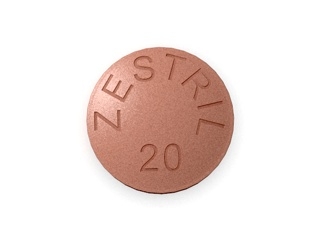

Zestril (Lisinopril) – Patient Information (Australia)
Zestril contains the active ingredient lisinopril, which belongs to a group of medicines called ACE inhibitors (angiotensin-converting enzyme inhibitors). It is used to treat a range of cardiovascular conditions and is commonly prescribed in Australia for people who need to lower blood pressure and/or protect the heart and kidneys.
This page is written to help you understand how Zestril works, when it is typically taken, and what to consider for safe use. Always follow the instructions provided with your medicine and consult a healthcare professional for advice tailored to you.
Basic product information
- Brand name: Zestril
- Generic name: Lisinopril
- Medicine type: ACE inhibitor
- Common dosage forms: Oral tablets
- Uses: Hypertension, heart failure, and related cardiovascular/renal protection
How Zestril works (mechanism of action)
Zestril works by blocking the ACE enzyme. ACE is involved in producing angiotensin II, a substance that tightens blood vessels and stimulates the release of hormones that increase salt and fluid retention.
By reducing angiotensin II levels, Zestril helps to:
- Relax and widen blood vessels (lowering blood pressure)
- Reduce resistance the heart must pump against
- Lower production of aldosterone, which can reduce salt and water retention
- Protect organs over time, particularly the heart and kidneys in selected conditions
Typical uses and indications
Zestril may be used for several conditions. Your exact indication depends on your medical history and risk factors. Common clinical indications in Australia include:
- High blood pressure (hypertension): to lower blood pressure and reduce cardiovascular risk.
- Heart failure: to improve symptoms and reduce the risk of hospitalisation in suitable patients.
- After a heart attack (myocardial infarction): in certain patients to reduce risk of further events, depending on clinical circumstances.
- Diabetic kidney disease or proteinuric kidney disease: to help protect kidney function in selected patients (exact eligibility varies and requires clinician assessment).
If you’re unsure why you’ve been prescribed Zestril, ask your doctor or pharmacist.
Pharmacokinetics (how your body handles lisinopril)
Pharmacokinetics describes what happens to the medicine in the body—absorption, distribution, metabolism, and elimination. Key points for lisinopril include:
- Absorption: Lisinopril is absorbed after oral dosing. Absorption is not significantly affected by food for most people.
- Peak concentration: The medicine reaches its highest blood levels typically within about 6 hours after a dose.
- Distribution: It distributes to body tissues; it is not extensively protein-bound.
- Metabolism: Lisinopril is not extensively metabolised by the body.
- Elimination: It is mainly eliminated by the kidneys. This means kidney function can strongly influence how long it stays in your system.
- Half-life: The elimination half-life is approximately 12 hours (may vary with kidney function).
Because lisinopril is cleared by the kidneys, dose adjustments may be needed if you have impaired kidney function. Your healthcare professional may also monitor blood tests after starting or changing dose.
When to take Zestril (timing and routine)
Zestril is usually taken . Many people find it easiest to take it at the same time each day, such as in the morning or evening. Your prescriber will provide the specific instructions for you.
- Consistency helps: Try to take it at the same time each day.
- If you miss a dose: Take it when you remember if it is not close to your next dose. If it is nearly time for the next dose, skip the missed dose—do not double up.
- Don’t stop suddenly: Stopping ACE inhibitors without medical advice can worsen blood pressure and heart conditions.
How quickly it works: Blood pressure often begins to lower within hours, with a fuller effect typically taking days to weeks depending on your condition and dose.
Food interactions
In general, food does not significantly change lisinopril absorption for most patients. This means you can usually take Zestril with or without food.
However, if your clinician advises a specific routine for tolerability, follow that plan. If you experience stomach upset, try taking it with food (unless told otherwise).
Alcohol and medicine interactions
Alcohol
Alcohol can increase the chance of side effects such as dizziness, light-headedness, and low blood pressure, especially when you first start Zestril or if you increase the dose.
- Consider limiting alcohol or avoiding it initially until you know how your body responds.
- Be cautious with driving or operating machinery if you feel dizzy.
Common medicine interactions (important)
Several medicines can interact with ACE inhibitors. Tell your doctor or pharmacist about everything you take, including over-the-counter products and supplements.
- Potassium supplements or salt substitutes containing potassium: may increase the risk of high potassium levels (hyperkalaemia).
- Potassium-sparing diuretics (e.g., spironolactone, eplerenone, amiloride, triamterene): can raise potassium and may require closer monitoring.
- Diuretics (especially “water tablets”): can increase risk of low blood pressure, particularly when starting.
- Non-steroidal anti-inflammatory drugs (NSAIDs) (e.g., ibuprofen, naproxen, diclofenac): regular or high-dose NSAID use can reduce kidney benefits and may increase kidney risk when combined with ACE inhibitors.
- Other blood pressure medicines: combination therapy can further lower blood pressure; your dose may need adjustment.
- Lithium: ACE inhibitors can increase lithium levels, potentially causing toxicity.
- Diabetes medicines: ACE inhibitors can enhance glucose-lowering effects in some people, increasing the chance of low blood sugar (particularly with insulin or sulfonylureas).
- Immunosuppressants or medicines affecting kidney function: may require careful monitoring.
This is not a complete list. For the safest plan, provide your pharmacist with an up-to-date list of your medicines.
Dosing: typical adult regimens
Dosing varies widely depending on the condition being treated, your kidney function, blood pressure, and other medicines. Only use the dose prescribed for you.
Below is a general guide often used in clinical practice for adults. Your actual schedule may differ.
| Condition | Typical starting approach | How dose may be adjusted |
|---|---|---|
| Hypertension | Lower starting dose, particularly in people at risk of low blood pressure | Titrated based on blood pressure response and tolerability |
| Heart failure | Very careful starting dose under clinician supervision | Slow titration; close monitoring of blood pressure, kidney function, and electrolytes |
| Post–heart attack (selected patients) | Initiation typically within a defined timeframe after the event | Adjusted based on stability and lab monitoring |
| Kidney protection in proteinuric disease | Individualised based on kidney function and overall treatment plan | May be titrated to achieve target outcomes safely |
Kidney function matters: If your kidneys don’t filter as well as expected, clinicians may start at a lower dose and monitor more closely.
Blood tests: After starting (and after dose changes), your healthcare professional may check:
- Potassium levels
- Creatinine / kidney function
- Blood pressure and symptoms
Safety profile and side effects
Most people tolerate Zestril well, but like all medicines it can cause side effects. Many side effects are dose-related, especially early in treatment.
Common side effects
- Dizziness or light-headedness (often due to lower blood pressure)
- Headache
- Dry cough (a hallmark effect of ACE inhibitors)
- Fatigue
- Low blood pressure symptoms, especially when standing up
Less common but important effects
- High potassium (hyperkalaemia): may be symptom-free but can be detected by blood tests
- Changes in kidney function: usually monitored through blood tests after starting
- Rash or taste changes in some individuals
Seek urgent medical help if you develop
- Swelling of the face, lips, tongue, or throat (angioedema)
- Difficulty breathing or swallowing
- Severe dizziness/fainting
- Signs of severe allergic reaction
Angioedema is rare, but it is a recognised risk with ACE inhibitors and requires immediate emergency assessment.
Who needs extra caution?
- People with kidney disease or reduced kidney function
- Those with high potassium or at risk of hyperkalaemia
- People prone to dehydration (for example, from vomiting/diarrhoea)
- Older adults who may be more sensitive to blood pressure changes
- People taking multiple medicines that affect the kidneys, potassium, or blood pressure
Practical use tips for safer day-to-day handling
- Stay hydrated: Unless your clinician has restricted fluids, adequate hydration can help reduce the risk of dizziness and kidney strain (especially if you have diarrhoea or vomiting).
- Stand up slowly: If you feel light-headed, rise gradually from sitting or lying positions.
- Use consistent dosing: Taking the medicine at the same time each day helps adherence.
- Monitor symptoms: Report persistent cough, swelling, or fainting sensations promptly.
- Don’t add potassium: Avoid potassium supplements or salt substitutes unless your clinician approves.
- Take NSAIDs carefully: If you need pain relief, ask your pharmacist what is safest with ACE inhibitors. Frequent high-dose NSAID use may not be suitable.
- Keep lab appointments: Blood tests are important, particularly after starting or dose changes.
Alternative options (if Zestril isn’t suitable)
If Zestril isn’t appropriate due to side effects or medical circumstances, clinicians may consider alternative treatments. Options vary by condition and patient factors.
Other ACE inhibitors
- Examples in the same medicine class exist, but the best choice depends on individual tolerability and response.
ARBs (angiotensin receptor blockers)
For some people who cannot tolerate ACE inhibitors (for example, persistent cough), a doctor may consider an ARB. ARBs have a similar “blood pressure and organ protection” role but typically do not cause the same dry cough pattern.
Other blood pressure and heart failure medicines
- Depending on your diagnosis, other options may include beta-blockers, calcium channel blockers, thiazide-type diuretics, and more specialised treatments.
Your pharmacist can explain which alternatives may be appropriate for your situation, based on your condition and the medicines you take.
Market and legal context for Australia
Zestril is an established medicine in Australia. As with other prescription medicines, supply and use in Australia is regulated and must align with Australian healthcare and medicines governance requirements.
In Australia, medicines are listed and managed through the Therapeutic Goods Administration (TGA) framework. Many medicines on the Australian market also have PBS (Pharmaceutical Benefits Scheme) listings that determine subsidised access for eligible patients. Eligibility and subsidy status depend on individual circumstances and the relevant PBS criteria.
Pharmacy dispensing must follow Australian medicines handling standards. Online pharmacies in Australia should ensure they comply with relevant legal requirements for sourcing, storing, and delivering medicines.
Recent guidance and monitoring considerations
Ongoing clinical practice generally emphasises safe initiation and monitoring for ACE inhibitors such as lisinopril. In recent years, consistent themes in guidance and risk communication have included:
- Baseline and follow-up blood tests for kidney function and potassium, especially after starting or dose changes.
- Careful risk assessment for people susceptible to low blood pressure or kidney impairment.
- Medication reconciliation to avoid interacting drugs (for example, potassium-raising medicines, NSAIDs, or lithium).
- Prompt attention to symptoms of angioedema (swelling) or significant dizziness/fainting.
Your prescriber may update monitoring frequency based on your health profile, including age, comorbidities, and lab results.
Delivery and availability (online pharmacy)
Zestril availability can vary by strength and brand stocking patterns. When you order online, availability depends on the pharmacy’s supplier access and warehouse stock at the time of processing.
- Check the product strength: Ensure you select the correct tablet strength (and quantity) as directed.
- Processing time: Orders typically require verification and dispatch workflows.
- Shipping estimates: Delivery times depend on your location within Australia and courier schedules.
- Packaging: Medicines are generally delivered in secure packaging to protect product integrity.
If a medicine is temporarily unavailable, your pharmacist may contact you about an alternative strength/form or an ETA, depending on policy.
FAQ
1) What is Zestril used for?
Zestril (lisinopril) is used to treat conditions such as high blood pressure, heart failure, and—depending on the patient—post–heart attack care and kidney protection in certain diseases.
2) How long does it take to work?
Blood pressure may start to lower within hours, but the full effect can take days to weeks. Heart failure and kidney-protective effects develop over time.
3) Can I take Zestril with food?
Yes. Food usually does not significantly affect lisinopril absorption, so you can take it with or without food.
4) Is a dry cough normal?
A dry, persistent cough is a known side effect of ACE inhibitors like Zestril. If the cough bothers you or doesn’t settle, contact your healthcare professional—alternatives may be considered.
5) What should I do if I miss a dose?
Take it when you remember unless it is close to your next dose. If it’s nearly time for the next dose, skip the missed dose. Do not double up.
6) Can I drink alcohol while taking Zestril?
Alcohol may increase dizziness and low blood pressure. Limit alcohol and be cautious, especially when starting or after dose changes.
7) Are there foods I must avoid?
There are no specific food restrictions for lisinopril for most people. However, you should avoid potassium-rich salt substitutes unless approved by your clinician.
8) What interactions should I watch for?
Important interaction categories include potassium supplements/salt substitutes, diuretics that affect potassium, NSAIDs (frequent/high-dose), lithium, and other blood pressure medicines. Always tell your pharmacist about all medicines and supplements you use.
9) Can Zestril affect kidney function?
It can in some patients. That’s why kidney function (creatinine) and potassium are often monitored, particularly after starting or changing dose. Seek medical advice promptly if you become very unwell, dehydrated, or notice reduced urine output.
10) What is the safest way to stop taking Zestril?
Don’t stop on your own. If you need to stop or switch medicines, talk to a healthcare professional who can guide a safe plan.
Important note: This information is general and does not replace personalised medical advice. If you have concerns, side effects, or questions about suitability for your health situation, speak with a pharmacist or doctor.