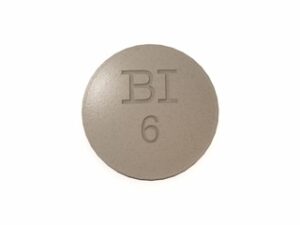
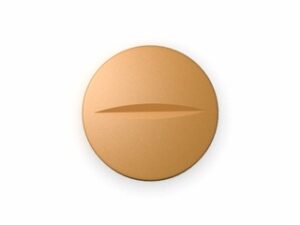
Beloc (Metoprolol) – Patient Information (Australia)
Beloc contains metoprolol, a medicine widely used in Australia for conditions related to the heart and blood circulation. This guide is written to help you understand how Beloc works, how it’s usually taken, key safety points, and common interactions. Always follow the directions on your medicine label and any advice from your healthcare professional.
Quick Overview
- Active ingredient: Metoprolol (a beta-blocker)
- Common uses: High blood pressure, angina (chest pain), heart rhythm problems, and some post–heart attack situations
- How it works: Slows the heart rate and reduces the heart’s workload
- Typical timing: Once or twice daily depending on the formulation and your regimen
- Common cautions: Do not stop suddenly; monitor for dizziness, slow heart rate, and breathing problems
- Important interactions: Some medicines for rhythm, heart failure, depression, and some asthma/COPD medicines
Basic Product Information
Beloc is a brand name for metoprolol, a medication from the group called beta-blockers. Metoprolol works mainly on beta-1 receptors in the heart, helping to control heart rate and reduce strain on the cardiovascular system.
In Australia, Beloc products may be available in different forms (for example, immediate-release or modified-release formulations). Your specific dosing schedule may differ depending on which product you have been prescribed and your condition.
How Beloc (Metoprolol) Works
Mechanism of action
Metoprolol blocks beta-adrenergic receptors, particularly beta-1 receptors in the heart. This leads to:
- Slower heart rate (reduces how fast the heart beats)
- Lower force of contraction (reduces workload)
- Reduced blood pressure (helps long-term control of hypertension)
- Stabilisation of heart rhythm in certain rhythm disorders
- Reduced oxygen demand of the heart, which can help with angina
Pharmacokinetics (How the Body Handles the Drug)
Pharmacokinetics describes how the body absorbs, distributes, metabolises, and eliminates a medicine. For metoprolol, key points include:
- Absorption: Metoprolol is absorbed after swallowing.
- Metabolism: It is primarily metabolised in the liver (by enzymes including CYP2D6).
- Effect of formulation: Immediate-release and modified-release versions may have different peak levels and dosing frequency.
- Elimination: Metabolites are eliminated mainly through the kidneys (urine).
Because liver metabolism contributes significantly, medicines that affect liver enzymes or transporter proteins may alter metoprolol levels. This is one reason certain drug interactions matter.
What Beloc Is Used For (Indications)
Metoprolol is used for a range of cardiovascular conditions. Common indications include:
- High blood pressure (hypertension): Helps lower blood pressure and reduce cardiovascular risk.
- Angina: Helps reduce the frequency and severity of chest pain episodes.
- Heart rhythm problems: Such as certain tachycardias (fast heart rhythms), including atrial fibrillation/atrial flutter where rate control is needed.
- After a heart attack (myocardial infarction): In some patients to support long-term management and reduce risk of complications.
- Some heart failure scenarios: In carefully selected patients, often as part of a specialist-led treatment plan.
Your exact indication determines dosing and monitoring. If you are unsure why Beloc was recommended for you, ask your pharmacist or doctor.
Typical Dosing and Timing
Dosing is individual and depends on your condition, heart rate, blood pressure, age, other medicines, and whether you use an immediate-release or modified-release formulation. Below is general guidance to help you understand typical regimens. Do not use this as a substitute for your personalised label instructions.
General dosing principles
- Start low, go slow: Many patients begin with a lower dose to minimise side effects such as dizziness or bradycardia (slow pulse).
- Monitoring matters: Heart rate and blood pressure are often checked after starting or adjusting the dose.
- Consistency: Take your dose at the same times each day to keep levels steady.
- Do not stop abruptly: Stopping suddenly can worsen angina or cause rapid increases in heart rate and blood pressure.
Common timing (what patients often experience)
- Immediate-release formulations: Often taken twice daily (morning and evening).
- Modified-release formulations: Often taken once daily, depending on your product strength and plan.
If you miss a dose, follow the instructions on the pack or those given by your healthcare professional. In general, if you only miss a dose by a short time, you may take it when remembered; if it is close to the next scheduled dose, skip the missed dose. Avoid doubling up unless your healthcare professional has advised otherwise.
How to Take Beloc (Practical Use Tips)
- Swallow whole: If your tablet is not designed to be split or crushed, swallow it whole with water.
- Try with food if needed: Some people find it easier on the stomach when taken with meals.
- Keep a routine: Tie it to daily habits (e.g., breakfast/dinner) to avoid missed doses.
- Monitor symptoms: Watch for dizziness, unusual fatigue, or unusually slow pulse and report persistent concerns.
- Carry medication info: If you travel, keep a list of medicines, including metoprolol, for emergency care.
Food Interactions
Food can influence how quickly metoprolol is absorbed. In many cases, taking metoprolol with food can be helpful for tolerability.
- General approach: If your label says “with or after food,” follow that guidance.
- Consistency: If you take it with food, try not to change your pattern suddenly.
- Alcohol and meals: Alcohol may worsen dizziness, and large meals may affect how you feel (though they don’t usually cause a dangerous direct interaction).
If you have specific dietary plans or experience stomach upset, speak with your pharmacist for formulation-specific advice.
Alcohol and Medicine Interactions
Alcohol
Alcohol may increase the risk of dizziness, light-headedness, and falls by lowering blood pressure and affecting balance. If you drink alcohol, consider:
- Start with small amounts
- Avoid binge drinking
- Do not drive if you feel dizzy or unusually tired
- Be cautious after dose increases
Medicine interactions (important examples)
Tell your pharmacist or doctor about all medicines and supplements you use. Several medicine groups can affect metoprolol’s effects or risk. Examples include:
- Other heart medicines: e.g., certain antiarrhythmics or medicines that also slow heart rate (can increase risk of slow pulse or low blood pressure).
- Calcium channel blockers: e.g., verapamil or diltiazem—may increase effects on heart rate and conduction when used together.
- Medicines for blood pressure: combining agents may further lower blood pressure (sometimes beneficial, sometimes excessive).
- Medicines affecting liver enzymes (CYP2D6): some antidepressants and other medicines can raise metoprolol levels.
- Asthma/COPD medicines: beta-blockers can affect response to certain inhalers. Cardio-selective beta-blockers like metoprolol may still be used carefully, but monitoring is important.
- Clonidine: stopping clonidine and beta-blockers at the wrong time can cause rebound blood pressure changes.
- Diabetes medicines: beta-blockers may mask warning signs of low blood sugar (such as fast heartbeat).
This is not a complete list. If you have any new medication prescribed or you buy something over-the-counter, confirm it’s compatible with metoprolol.
Safety Profile and Side Effects
Like all medicines, Beloc (metoprolol) can cause side effects. Many are dose-related and improve as your body adjusts, but some require prompt attention.
Common side effects
- Dizziness or light-headedness (especially when standing)
- Fatigue or tiredness
- Slow heart rate (bradycardia)
- Cold hands or feet
- Headache
- Nausea or stomach discomfort
Less common but important effects
- Worsening of breathing problems in people with asthma/COPD (seek advice if wheezing increases)
- Low blood pressure (may cause fainting)
- Sleep disturbance or vivid dreams
- Sexual dysfunction (discuss with your doctor if bothersome)
- Mood changes in some individuals
Seek urgent medical help if
- Fainting, severe dizziness, or feeling like you might collapse
- Chest pain that is new, worsening, or not relieved as usual
- Breathing difficulty, wheezing, or severe shortness of breath
- Very slow pulse or palpitations with weakness
- Signs of an allergic reaction (swelling of face/lips, rash with breathing difficulty)
Do not stop suddenly
Stopping metoprolol abruptly can lead to rebound effects, including worsening angina or increased heart rate and blood pressure. If you need to discontinue, your clinician will usually reduce the dose gradually.
Who Should Take Extra Care?
Metoprolol may not be suitable for everyone. Extra caution is needed if you have:
- Asthma or other breathing conditions (your doctor may monitor closely)
- Very slow heart rate, certain conduction problems, or heart block
- Low blood pressure or a history of fainting
- Diabetes (watch for low blood sugar symptoms)
- Liver impairment (may require dose adjustments depending on situation)
- Peripheral circulation problems (may worsen coldness)
If any of these apply to you, discuss your medical history with your healthcare professional.
Recent Guidance and Ongoing Monitoring
In recent years, cardiovascular guidance has continued to support the role of beta-blockers for conditions such as angina, arrhythmias, and post–heart attack management, while emphasising:
- Individualised selection: Not every patient needs a beta-blocker, and the choice depends on diagnosis and comorbidities.
- Careful titration: Starting with lower doses and gradually increasing helps reduce adverse effects.
- Monitoring response: Blood pressure, heart rate, symptoms, and tolerance are reviewed after changes.
- Attention to contraindications: Particularly in patients with asthma/COPD, conduction disturbances, or very low heart rate.
Your clinician may adjust the plan based on your response and any new symptoms.
Alternative Options
Depending on why you’re taking metoprolol, other medications may be considered. Your doctor decides the best alternative based on your diagnosis, heart rate, blood pressure, and other conditions.
Possible alternatives
- Other beta-blockers: e.g., bisoprolol or atenolol (selection depends on formulation and suitability).
- Calcium channel blockers: e.g., amlodipine for blood pressure, or diltiazem/verapamil for some heart rhythm issues (not always suitable with beta-blockers).
- ACE inhibitors/ARBs: often used for blood pressure and certain heart conditions.
- Diuretics: may be used for fluid control and blood pressure depending on the cause.
If Beloc isn’t tolerated or isn’t effective for you, ask for a review rather than adjusting on your own.
Market and Legal Context for Australia
In Australia, medicines are regulated under the Therapeutic Goods Administration (TGA). Many cardiovascular medicines, including beta-blockers, may have specific scheduling and dispensing requirements depending on the product strength and formulation.
Online pharmacies may require verification to ensure appropriate supply in line with Australian regulations and safety standards. Availability may vary between brands, formulations (immediate-release vs modified-release), and stock levels.
Delivery and Availability (Online Pharmacy)
Beloc availability can vary by strength and formulation. When ordering online in Australia, delivery timing depends on:
- Stock status: in-stock items ship faster
- Location: metropolitan vs regional areas
- Packaging and transport requirements: most tablets are shipped without special temperature control
- Dispatch cut-off times: affects next-day processing
If you need a specific strength (e.g., different tablet strengths or release types), double-check the product details before checkout. If you’re not sure which formulation you use, check the pack and/or your medication list.
FAQ
1) What is Beloc used for?
Beloc (metoprolol) is commonly used for conditions such as high blood pressure, angina, and some heart rhythm problems. It is also used in selected cases after a heart attack and in certain heart-related conditions as determined by your clinician.
2) How quickly will it work?
Many people notice effects such as reduced heart rate or fewer angina symptoms within days. Blood pressure improvements typically build over time. Your clinician may adjust the dose based on your response and monitoring results.
3) Can I drink alcohol while taking metoprolol?
Alcohol may increase dizziness or lower blood pressure. If you choose to drink, keep it moderate, avoid binge drinking, and be extra cautious when you first start or after dose changes.
4) What if I miss a dose?
Follow the advice on the pack or from your pharmacist. Generally, don’t double up. If you’re unsure, contact your pharmacist for guidance based on your dosing schedule.
5) Can I stop Beloc suddenly if I feel better?
No. Do not stop suddenly unless your healthcare professional specifically advises it. Stopping abruptly can lead to rebound increases in heart rate and blood pressure and may worsen angina.
6) Does metoprolol affect my ability to exercise?
Some people feel less energetic at first or notice changes in stamina due to slower heart rate. Over time, many adapt. If you experience severe shortness of breath, dizziness, or worsening symptoms, seek medical advice.
7) Is metoprolol safe if I have asthma or COPD?
Metoprolol is a beta-1 selective beta-blocker, which may be used cautiously in some patients with asthma/COPD. However, it can still affect breathing in susceptible individuals. Your clinician should assess the risks and monitor symptoms carefully.
8) Will it mask symptoms of low blood sugar?
Beta-blockers can reduce awareness of some low blood sugar symptoms, such as fast heartbeat. People with diabetes should monitor blood sugar more carefully and discuss tailored strategies with their healthcare professional.
9) Are there foods I must avoid?
There are no universal “forbidden foods” for metoprolol, but consistency is helpful. If your label says to take it with food, follow that. If you experience stomach upset, talk to your pharmacist.
10) What medicines commonly interact with metoprolol?
Interactions can occur with certain heart rhythm medicines, calcium channel blockers, some antidepressants and other drugs that affect metabolism, and some diabetes or asthma-related treatments. Always check with a pharmacist if you are starting or stopping any medicine or supplement.
Dosing Summary Table (General Guidance)
| Topic | What you should know |
|---|---|
| Timing | Often once daily (modified-release) or twice daily (immediate-release), based on your product and plan. |
| With food | Many patients take metoprolol with or after food for tolerability. Follow your label instructions. |
| Missed dose | Usually do not double up. Follow pack directions or ask your pharmacist. |
| Stopping | Do not stop suddenly. Dose reductions are usually gradual under clinician guidance. |
| Monitoring | Heart rate and blood pressure may be monitored, especially when starting or adjusting dose. |
When to Contact Your Pharmacist or Doctor
Contact a healthcare professional if you experience persistent dizziness, fainting, new/worsening chest pain, significant fatigue that interferes with daily activities, breathing changes, or symptoms that concern you. It’s always better to ask early—especially if you’ve recently had a dose change or started another medicine.
This information is general and may not cover every individual situation. For advice about your specific treatment, refer to your product label or speak with your pharmacist.