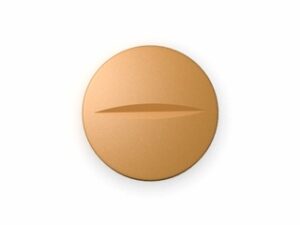
Amiloride: Patient-Friendly Guide (Australia)
Amiloride is a medicine used to help remove excess fluid from the body (a “diuretic”) while also helping to protect against low potassium levels. In Australia, it is commonly used for certain types of high blood pressure and fluid retention, and it may be prescribed to reduce the risk of potassium loss when used with other diuretics.
This guide explains how amiloride works, how it’s taken, key safety considerations, interactions (including with alcohol and other medicines), and practical tips to help you use it safely. Always follow your healthcare professional’s instructions and read the consumer medicine information (CMI) provided with your product.
Quick facts
- Medicine name: Amiloride
- What it does: Helps your kidneys remove salt and water, while conserving potassium
- Common roles: High blood pressure, fluid retention (oedema), preventing/treating low potassium (hypokalaemia)
- Key safety watch-outs: Too much potassium (hyperkalaemia), kidney problems, certain interacting medicines
- Typical dosing timing: Often once daily or divided dosing depending on your situation
Basic product information
| Category | Details |
|---|---|
| Drug class | Potassium-sparing diuretic (epithelial sodium channel inhibitor) |
| Typical strengths | Varies by brand and formulation (check your pack label) |
| Common formulations | Tablets |
| How it’s usually taken | By mouth, with or without food (follow product instructions) |
| Availability | Prescription medicines in Australia; availability may depend on your local pharmacy and stock |
Mechanism of action (how amiloride works)
Amiloride acts on the kidneys. Specifically, it targets the epithelial sodium channel (ENaC) in the distal nephron. By blocking ENaC, amiloride reduces the reabsorption of sodium and water, which increases urine output (diuretic effect).
The important “twist” is that ENaC blockade also helps limit the electrical changes that drive potassium secretion. As a result, amiloride is often described as potassium-sparing: it tends to reduce potassium loss compared with many other diuretics.
Why potassium matters
Potassium balance is essential for normal heart rhythm and muscle function. While traditional “loop” and “thiazide” diuretics can lower potassium, amiloride helps counter that effect. However, because it conserves potassium, it can also contribute to too much potassium in people at risk (especially those with kidney impairment or using interacting medicines).
Pharmacokinetics (what the body does to the medicine)
“Pharmacokinetics” describes how amiloride is absorbed, distributed, metabolised, and eliminated. While individual responses vary, the general patterns help explain expected onset and duration.
Absorption
Amiloride is generally absorbed after oral administration. Peak effects occur after absorption, and timing can vary based on individual factors and whether the medicine is taken with food.
Distribution
Amiloride reaches the kidneys where it exerts its effect. It may have limited metabolism and is largely handled by renal mechanisms.
Metabolism
Metabolism may be limited. In many cases, renal excretion is a key route of elimination.
Elimination
Amiloride is mainly eliminated via the kidneys. This is why kidney function is a central safety factor. Reduced kidney function can increase medicine levels and the risk of side effects (especially high potassium).
Typical uses and indications
Amiloride is used for conditions where diuresis (fluid removal) and potassium balance are important. Common indications include:
- High blood pressure (hypertension), particularly when potassium conservation is desired
- Fluid retention (oedema), such as in certain cardiac or other fluid-balance conditions
- Prevention or treatment of low potassium caused by other diuretics
- Needing a potassium-sparing strategy when other diuretics increase potassium loss
Your treatment plan may involve amiloride alone or with other medicines, depending on your symptoms, blood pressure, kidney function, and electrolyte results.
Dosing (how much and how often)
Dosing varies by the condition being treated, your age, kidney function, and your potassium level. The information below is general; follow the dose on your medication label and any instructions you were given.
General dosing principles
- Start low when appropriate: People with reduced kidney function or higher risk of hyperkalaemia may need lower doses.
- Monitor blood tests: Potassium and kidney function guide adjustments.
- Do not change your dose without advice: Adjustments should be guided by lab results and clinical response.
How to take amiloride
- Take the tablet by mouth with water.
- With or without food is usually acceptable; choose what fits your routine.
- If you miss a dose, take it when you remember unless it’s close to your next dose. Don’t take a double dose.
Timing and when to expect effects
The diuretic effect can be noticeable after taking amiloride, but the exact timing varies. If your healthcare professional has advised a specific schedule, follow it—particularly if you need to manage bathroom trips at work or at night.
- Best time for many people: Often earlier in the day to reduce night-time urination.
- Consistency helps: Try to take it around the same time each day.
- Blood pressure improvement: Blood pressure effects may take days to weeks, especially when treatment is being adjusted.
- Electrolyte stability: Potassium and kidney-related safety checks may be scheduled shortly after starting or changing dose.
Food interactions and dietary considerations
Food can influence absorption for some medicines, but amiloride is often taken with or without food. However, the biggest dietary concern is potassium intake.
Be cautious with high-potassium diets
If you are taking amiloride, your healthcare professional may advise limiting foods or supplements high in potassium if you’re at risk of hyperkalaemia. Do not start high-potassium supplements without medical advice.
Potassium-containing salt substitutes
Many “low-sodium” salt substitutes contain potassium chloride. These can increase potassium levels. Ask your pharmacist whether your salt substitute is suitable.
Alcohol and meal timing
Alcohol can lower blood pressure and may worsen dehydration if fluid intake is inadequate. If you notice dizziness after alcohol, discuss dose timing and safety with your healthcare professional.
Alcohol interactions
There is no single universal interaction that affects everyone, but alcohol can indirectly affect amiloride safety by:
- Increasing dizziness or light-headedness, especially when blood pressure is lowered
- Worsening dehydration if alcohol intake is high
- Potentially affecting electrolyte balance indirectly, particularly in people with liver disease or poor nutrition
If you drink alcohol, consider moderating intake and monitoring for symptoms such as dizziness, cramps, unusual weakness, or palpitations. If you experience these, seek advice promptly.
Medicine interactions (important)
Interactions can affect either blood pressure, kidney function, or potassium levels. The most important risk with amiloride is hyperkalaemia (high potassium). Tell your pharmacist or doctor about all medicines you take, including over-the-counter products and herbal supplements.
Medicines that can raise potassium
- ACE inhibitors (e.g., perindopril, enalapril)
- ARBs (e.g., losartan, valsartan)
- Direct renin inhibitors (in some regimens)
- Other potassium-sparing diuretics
- Potassium supplements or potassium-containing salt substitutes
- Some anti-inflammatory medicines (NSAIDs) such as ibuprofen, naproxen, or diclofenac—especially with long-term use or in higher doses
Medicines that may affect kidney function
- NSAIDs (pain relief/anti-inflammatories) can reduce kidney blood flow in some situations
- Some other medicines may also be kidney-sensitive (your pharmacist can check your list)
Other diuretics and blood pressure medicines
If amiloride is used with other diuretics or blood pressure-lowering medicines, you may be more likely to experience low blood pressure symptoms or changes in electrolytes. Monitoring is important.
Herbal and supplement considerations
Herbal products are not always predictable. Avoid starting supplements that may influence potassium or fluid balance without advice.
Safety profile and side effects
Like all medicines, amiloride can cause side effects. Many are mild, but some require urgent medical attention—particularly those suggesting high potassium or serious allergic reactions.
Common or mild side effects
- Dizziness (especially when standing up quickly)
- Headache
- Nausea or stomach discomfort
- Increased urination (diuretic effect)
Serious side effects (seek urgent medical help)
Contact emergency services or seek urgent care if you experience symptoms that may indicate dangerous high potassium (hyperkalaemia) or a serious reaction.
- Irregular heartbeat, palpitations, or severe weakness
- Chest pain or collapse
- Severe muscle cramps or inability to move normally
- Allergic symptoms such as swelling of the face/lips, trouble breathing, or widespread rash
When to call your healthcare professional promptly
- New or worsening fatigue, weakness, or tingling
- Persistent vomiting or severe diarrhoea (can worsen dehydration and electrolyte imbalance)
- Symptoms of kidney problems (reduced urine output, significant swelling, or feeling very unwell)
Who needs extra caution
People at higher risk of high potassium or kidney-related complications should be monitored more closely. Extra caution is commonly required if you have:
- Kidney disease or reduced kidney function
- Diabetes (especially if kidney function is affected)
- Heart failure or other conditions affecting circulation and kidney perfusion
- Use of interacting medicines such as ACE inhibitors/ARBs, NSAIDs, or potassium supplements
- Dehydration from illness, vomiting, or poor fluid intake
Practical use tips (to get the best outcomes)
- Keep up with blood tests: Potassium and kidney function are key safety parameters. Attend planned lab appointments.
- Check your “salt substitutes”: Confirm whether they contain potassium chloride.
- Stay hydrated appropriately: Avoid becoming dehydrated unless your healthcare professional has restricted fluids.
- Stand up slowly: If dizziness occurs, rise gradually from sitting or lying positions.
- Track symptoms: Note dizziness, muscle weakness, palpitations, or changes in urination and report them early.
- Inform healthcare providers: Tell every clinician and dentist you see that you take amiloride.
Missed dose and extra-dose guidance
If you miss a dose, take it when you remember unless it is close to the next dose. If you’re unsure, ask your pharmacist for advice. Do not take extra tablets to “catch up.” Taking more than prescribed can increase the risk of electrolyte problems.
Alternative options
Depending on why you are taking amiloride, alternative treatments may include other diuretic types and non-diuretic strategies. Options vary widely, so your best alternative depends on your condition and test results.
Possible alternative diuretics (examples)
- Thiazide-type diuretics (may lower potassium, so monitoring is important)
- Loop diuretics (strong diuresis; often requires electrolyte monitoring)
- Other potassium-sparing diuretics (with different safety considerations)
Non-diuretic alternatives
- Antihypertensive medicines such as ACE inhibitors, ARBs, calcium channel blockers, or others
- Heart failure therapies tailored to individual needs
- Diet and lifestyle measures such as reducing salt intake and managing fluid balance (as advised)
If you’re considering switching medicines, do so only under medical guidance—especially because potassium and kidney function can change when treatments change.
Market, legal and regulatory context in Australia
In Australia, amiloride is regulated under medicines and pharmacy legislation. It is typically considered a prescription medicine and is supplied through pharmacies with appropriate patient counselling. Your pharmacist may request information about your health, including kidney function and any other medicines you use, to help support safe use.
Australia’s medicines monitoring includes:
- Product quality and supply oversight through the Australian regulatory framework
- Pharmacovigilance and reporting of adverse events (including to support ongoing safety review)
- Updated prescribing and consumer information as new evidence becomes available
Recent guidance (what to watch for)
While specific local updates can vary over time, the most consistent safety themes for amiloride are:
- Regular monitoring of potassium and kidney function, especially after starting therapy or changing doses
- Extra caution with high-risk combinations (ACE inhibitors/ARBs, NSAIDs, potassium supplements)
- Managing illness-related dehydration: during vomiting/diarrhoea, potassium and kidney safety can change quickly
If you develop an acute illness or dehydration, contact a healthcare professional for advice about continuing medicines and monitoring. This is particularly important for people at higher risk of hyperkalaemia or kidney impairment.
Delivery and availability (Australia)
Availability can depend on manufacturer supply, your location, and pharmacy stock levels. When ordering online in Australia, reputable pharmacies may:
- Confirm availability before dispatch
- Provide estimated delivery times
- Offer substitution options only where permitted and appropriate
- Ensure packaging supports safe transport
Delivery times vary by service and location. If your order is urgent, check the pharmacy’s delivery policy and consider calling to confirm stock.
FAQ about amiloride
1) What is amiloride used for?
Amiloride is used to treat conditions where diuresis is needed, such as high blood pressure and fluid retention. It may also help prevent or treat low potassium when caused by other diuretics.
2) Why does amiloride help with potassium?
It blocks the ENaC channel in the kidney, which reduces potassium loss that can occur with some other diuretics. However, because it conserves potassium, high potassium can still occur in people at risk.
3) How soon will I feel the effects?
The diuretic effect may begin after a dose, but the strongest impact on blood pressure and long-term fluid control may take days to weeks. Your response depends on the reason for treatment and your overall health.
4) Can I take amiloride with food?
Usually yes—amiloride can typically be taken with or without food. Use the routine that helps you remember and follow the instructions on your pack or from your pharmacist.
5) Does alcohol affect amiloride?
Alcohol can increase dizziness and may contribute to dehydration, which can affect blood pressure and kidney function. Moderate intake and monitor for symptoms like light-headedness, weakness, or palpitations.
6) What foods should I avoid?
Be careful with high-potassium foods and supplements, especially if you’ve been told you’re at risk of high potassium. Also check salt substitutes—many contain potassium chloride.
7) What medicines commonly interact with amiloride?
Medicines that can raise potassium or affect kidney function may interact, including ACE inhibitors, ARBs, potassium supplements, and NSAIDs (such as ibuprofen or naproxen). Always provide your pharmacist with your full medication list.
8) What side effects are most concerning?
The most concerning are signs of high potassium such as palpitations, severe weakness, or serious heart rhythm symptoms. Seek urgent help if these occur.
9) Do I need blood tests?
In many cases, yes. Doctors often monitor potassium and kidney function—particularly after starting, changing the dose, or if you use interacting medicines.
10) Can I stop amiloride suddenly?
Do not stop abruptly without advice. Stopping may worsen fluid retention or blood pressure control. If you have side effects or concerns, talk to your pharmacist or healthcare professional about safe options.
Summary
Amiloride is a potassium-sparing diuretic that helps your body remove extra salt and water while conserving potassium. It can be valuable for treating conditions such as high blood pressure, fluid retention, and for managing potassium balance in people using other diuretics. Because it can increase potassium levels—especially with reduced kidney function or interacting medicines—ongoing monitoring and careful attention to interactions are key to safe use.
If you have any questions about how to take amiloride safely, what to do about missed doses, or whether your current medicines are likely to interact, speak with your pharmacist or healthcare professional.