Acamprosate (Alcohol Dependence) – Patient-Friendly Guide (Australia)
Acamprosate is a medicine used to support recovery in people with alcohol dependence, helping reduce the likelihood of relapse after abstinence. It works on brain signalling systems related to alcohol’s effects and may be used as part of a broader care plan that can include counselling and support services.
This guide explains how acamprosate works, how it is taken, what to expect, and important safety and interaction information. It is written for online pharmacy customers in Australia. If you have concerns or questions about your personal situation, speak with a qualified healthcare professional.
Quick Product Information
| Category | Details |
|---|---|
| Medicine | Acamprosate |
| Common purpose | Helps maintain abstinence and reduce relapse risk in alcohol dependence |
| How it’s taken | Oral tablets (dose depends on individual and kidney function) |
| Typical timing | Usually taken three times daily; keep consistent dosing |
| Food interaction | Generally can be taken with or without food; absorption may differ slightly |
| Key safety point | Requires careful consideration in kidney impairment |
What Acamprosate Is and What It Is Used For
Acamprosate is used in adults to support treatment of alcohol dependence. Its main goal is to help people stay away from alcohol after they have stopped drinking. It is typically considered when a person has already achieved abstinence and wishes to reduce the risk of relapse.
Indications (Typical Reasons Doctors May Use It)
- Maintenance of abstinence in people with alcohol dependence.
- Relapse prevention when alcohol use has stopped or is being actively controlled.
How Acamprosate Works (Mechanism of Action)
Alcohol affects multiple brain systems. Over time, chronic alcohol use can change the balance between calming and excitatory signals in the nervous system. When someone stops drinking, the brain can become “imbalanced,” contributing to cravings, discomfort, and increased relapse risk.
Acamprosate is thought to help restore balance in the brain by influencing neurotransmission systems involved in alcohol-related dependence. A key target is the glutamatergic system (including modulation of signalling at glutamate-related sites). By helping normalise aspects of brain chemical activity, acamprosate may reduce the intensity of withdrawal-related neurochemical changes that can contribute to relapse.
Pharmacokinetics (How the Body Handles Acamprosate)
Pharmacokinetics describes what happens to a medicine after you take it—how it’s absorbed, distributed, metabolised, and eliminated. This information helps explain dosing frequency and why kidney function matters.
Absorption
- Acamprosate is absorbed from the gastrointestinal tract, but absorption is not complete.
- Food may have some effect on absorption rates; however, it is commonly considered suitable to take with or without food.
Distribution
- Acamprosate distributes into body tissues and can reach areas involved in brain function.
Metabolism
- Acamprosate is not extensively metabolised by the liver.
- This can be relevant for drug–drug interactions.
Elimination
- Acamprosate is largely eliminated through the kidneys via the urine.
- Because of this, kidney impairment can increase exposure, requiring dose adjustment or suitability review.
Typical Use and Treatment Approach
Acamprosate is generally used as part of a structured approach to alcohol dependence. Medicines work best when combined with supportive strategies such as counselling, relapse-prevention planning, peer support, and addressing triggers.
When to Start
- Acamprosate is most commonly started when someone has stopped drinking and is aiming to maintain abstinence.
- Your healthcare professional may advise when to begin based on your individual withdrawal history and overall plan.
How Long to Use It
Treatment duration varies depending on individual needs, progress, and risk of relapse. Some people use acamprosate for a period of months as a stability and relapse-prevention support while longer-term behavioural strategies build.
Timing: How Often to Take Acamprosate
Acamprosate is usually taken three times daily. Consistent timing helps maintain steady levels in the body. Choose a schedule that fits your day (for example, morning, afternoon, and evening), and try not to skip doses.
Practical Dosing Routine Example
- Morning: take at a consistent time
- Afternoon: take roughly 6–8 hours after the morning dose
- Evening: take roughly 6–8 hours after the afternoon dose
If you miss a dose, follow advice provided with your specific product or from your healthcare professional. In general, avoid doubling up to make up for missed doses unless advised.
Food Interactions: Can You Take It With Meals?
Food interaction is generally not a major limitation for acamprosate. Many people take it with food to reduce stomach upset or to fit daily routines.
- You can generally take acamprosate with or without food.
- Try to keep a consistent routine day to day to support adherence.
- If your stomach feels sensitive, taking with a meal may help.
Alcohol and Medicine Interactions
Alcohol While Taking Acamprosate
Acamprosate is designed to support abstinence. Drinking alcohol while taking it may undermine the benefits of treatment and may increase the risk of relapse and harm.
If you do drink, it’s important to be honest with your healthcare professional so your plan can be adjusted safely.
Interactions With Other Medicines
Because acamprosate is not extensively metabolised in the liver, it may have a lower risk of certain metabolic drug interactions. However, interactions can still occur depending on your overall medicine list and health conditions.
- Tell your healthcare professional about all medicines, supplements, and herbal products you use.
- Pay extra attention if you take medicines that affect the kidneys or require frequent monitoring.
- If you start or stop any medicine, check whether your acamprosate dose and schedule need review.
Dosing: How Much Is Usually Taken?
Dosing depends on the individual and particularly on kidney function. Always follow the instructions provided for your specific product and your healthcare professional’s guidance.
Typical Adult Dosing (General Guidance)
- Acamprosate is commonly prescribed as 500 mg three times daily in adults with normal kidney function.
Dose Adjustment for Kidney Impairment
Since acamprosate is eliminated by the kidneys, dose adjustments may be required if you have reduced kidney function. In some situations, acamprosate may not be suitable.
- Kidney impairment can increase the likelihood of side effects.
- Healthcare professionals may use blood tests (like creatinine clearance/eGFR) to guide safe dosing.
Missed Dose Guidance (General)
- Take your next dose at the usual time if you miss one.
- Do not take an extra dose to “catch up” unless advised.
- If missed doses are frequent, speak with your healthcare professional—adjustments to support adherence may help.
Safety Profile: Common and Serious Side Effects
Most people tolerate acamprosate well, but side effects can occur. The safest approach is to be aware of possible reactions and know when to seek help.
Common Side Effects
- Diarrhoea (often the most commonly reported)
- Nausea
- Abdominal discomfort
- Headache
- Dizziness
- Fatigue
Less Common but Important Reactions
- Skin reactions such as rash (seek advice if you develop a significant rash or signs of allergy)
- Symptoms suggesting dehydration if diarrhoea is severe
Seek Urgent Medical Attention If
- Signs of an allergic reaction occur (e.g., swelling of face/lips, trouble breathing, widespread hives)
- Severe or persistent diarrhoea leading to dehydration (especially in older adults or people with other health issues)
- Any serious worsening of wellbeing or concerns that feel urgent
Who Should Use Extra Caution?
- People with kidney disease or reduced kidney function
- People who are frail, elderly, or at higher risk of dehydration
- People taking multiple medicines or with complex medical conditions
Practical Use Tips for Better Results
1) Make the schedule easy
- Use a daily routine cue (e.g., breakfast, lunch, dinner) or a phone alarm.
- Keep doses consistent—regular timing supports stable medicine levels.
2) Hydration matters
If you experience diarrhoea, drink fluids and monitor symptoms. Persistent gastrointestinal symptoms should be discussed with a healthcare professional.
3) Avoid “stop-start” patterns
For relapse prevention, the benefits often depend on regular use over time. If you’re thinking about stopping, talk to a healthcare professional first.
4) Combine with support
- Consider structured counselling or therapy.
- Build a relapse-prevention plan: identify triggers, coping strategies, and support contacts.
- Use community and national support options where appropriate.
5) Review your medicines regularly
If your health changes, if kidney function declines, or if you start new medications, ask for a review of the whole plan.
Alternative Options for Alcohol Dependence (What Might Be Considered)
Treatment is individual. Depending on your goals, medical history, and preferences, healthcare professionals may consider other evidence-based approaches. Alternatives may include behavioural strategies, counselling, and sometimes different medicines.
Possible Medication Alternatives (Discuss With a Clinician)
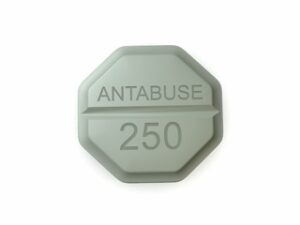
- Disulfiram (helps deter drinking; works differently and requires careful education and monitoring)
- Naltrexone (targets alcohol craving/reward pathways; suitable for some people)
- Other supportive and guideline-based strategies including structured psychosocial care
The “best” option depends on factors such as liver and kidney function, current drinking pattern, previous treatment response, and comorbid health conditions.
Market and Legal Context in Australia
In Australia, medicines are supplied under regulatory frameworks designed to ensure safety and appropriate use. Acamprosate is included in the Australian healthcare system and is supplied through pharmacies according to applicable requirements.
- Medicines may be listed on the Australian Register of Therapeutic Goods (ARTG).
- Clinical use is guided by Australian prescribing practices and relevant professional guidance.
- Dispensing is subject to standard pharmacy processes and medication safety checks.
Availability can vary between brands and strengths, and customers may receive a product form depending on stock and prescribing instructions.
Recent Guidance and Clinical Practice Notes
Clinical guidance for alcohol dependence in Australia emphasises:
- Combination treatment: medicines plus psychosocial support for best outcomes
- Individualised assessment: particularly kidney function for acamprosate
- Monitoring: early follow-up to assess side effects and adherence
- Relapse prevention planning: addressing triggers and building coping strategies
Because guidance can evolve, it is important to follow the most current advice from your healthcare professional and pharmacist.
Delivery and Availability (Online Pharmacy Australia)
Online pharmacies in Australia typically offer home delivery and may provide options such as standard shipping or express delivery depending on location. Stock availability can vary by brand, strength, and form.
- Check product availability on the website before placing your order.
- Delivery timeframes depend on your postcode and dispatch schedules.
- Some items may require pharmacy review before dispatch in line with regulatory and safety processes.
If you need the medicine urgently, contact the pharmacy team for the most accurate dispatch and delivery estimates.
FAQ – Acamprosate (Australia)
1) What is acamprosate used for?
Acamprosate is used to support treatment of alcohol dependence, most commonly to help maintain abstinence and reduce the risk of relapse after stopping alcohol.
2) How quickly does it work?
People often notice support with cravings and relapse risk over time rather than as an instant effect. Consistent daily dosing is important. If you’re concerned about progress, discuss it early with your healthcare professional.
3) Can I take acamprosate with food?
Yes—acamai prosate can generally be taken with or without food. Many people prefer taking it with meals to help with stomach comfort and to make the schedule easier to remember.
4) Is it safe to drink alcohol while taking it?
Acamprosate is intended to support abstinence. Drinking alcohol while taking it can undermine the treatment goal and increase the chance of relapse. For safest and best outcomes, aim to avoid alcohol and seek support if you slip.
5) What should I do if I miss a dose?
If you miss a dose, take the next dose at the usual time. Do not double doses unless a healthcare professional or the product instructions advise otherwise.
6) Who needs extra caution with acamprosate?
Extra caution is needed in people with kidney impairment, because acamprosate is cleared mainly by the kidneys. Dose adjustment or a suitability review may be necessary.
7) What are the most common side effects?
The most commonly reported side effects include diarrhoea, nausea, abdominal discomfort, headache, and dizziness. If side effects are severe or persistent, contact a healthcare professional.
8) Are there interactions with other medicines?
Interactions can occur with any medicine, supplements, or herbal products. Acamprosate may have a lower risk of liver-based metabolic interactions, but kidney-related considerations and overall medicine reviews are still important. Tell your pharmacist or healthcare professional about everything you take.
9) Can I take acamprosate long-term?
Some people may use acamprosate for months as part of a relapse-prevention plan, but the appropriate duration is individual. Discuss ongoing use and any concerns during follow-ups.
10) How should I store acamprosate?
Follow the storage instructions on the package. In general, store medicines at room temperature and keep them out of reach of children. Do not use medicines past the expiry date.
Need Help Choosing the Right Treatment?
If you’re unsure whether acamprosate is suitable for you—or you have questions about dosing, kidney function, or side effects—speak with a pharmacist or healthcare professional. They can help you understand the benefits and risks and how to use the medicine safely as part of an overall recovery plan.
For people experiencing alcohol-related harm, support is also available through local healthcare services and counselling options. If you or someone else is in immediate danger, contact emergency services.