Tolvaptan (Australia) – Patient-Friendly Medicine Information
Tolvaptan is a prescription medicine used in specific situations where doctors need to help remove excess water from the body (a process often described as “water diuresis”). This page explains how Tolvaptan works, how it behaves in the body, typical uses, timing, food and alcohol considerations, safety information, and practical tips.
Important: Always follow the directions given by your healthcare professional and read the Consumer Medicine Information (CMI) provided with your medicine. This content is for general information only.
Basic product information
| Category | Details |
|---|---|
| Medicine name | Tolvaptan |
| Drug class | Vasopressin (ADH) receptor antagonist (selective V2 receptor antagonist) |
| Common intended effect | Increases free water clearance (aquaresis), raising serum sodium in appropriate conditions |
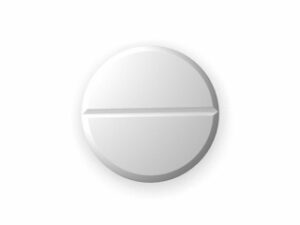
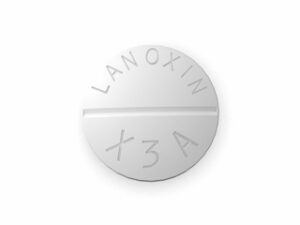
| Typical formulation | Oral tablets (strength and brand details vary by product/market) |
| Who it is for | People with specific diagnoses and monitored by clinicians due to safety requirements |
How Tolvaptan works (mechanism of action)
Your body regulates water balance largely through a hormone called vasopressin (also known as antidiuretic hormone, ADH). When vasopressin is high, the kidneys tend to hold onto water, which can dilute blood sodium levels.
Tolvaptan blocks the V2 receptor in the kidney. This prevents vasopressin from acting on kidney collecting ducts. As a result, the kidneys excrete more free water while typically having less effect on salt (sodium, chloride) balance compared with traditional diuretics.
In practical terms, Tolvaptan can help:
- Raise low sodium levels in selected patients with certain types of hyponatraemia (low serum sodium).
- Slow the progression of kidney disease in certain inherited conditions by reducing fluid retention pathways linked to ADH.
What Tolvaptan is used for (indications)
Tolvaptan is used for specific indications. Your exact use depends on your diagnosis and local prescribing criteria. The most common categories include:
- Hyponatraemia (low blood sodium): In adults with clinically significant euvolaemic or hypervolaemic hyponatraemia who require treatment to raise serum sodium. This often occurs in hospital or under close supervision because sodium must be monitored to avoid too-rapid correction.
- Autosomal dominant polycystic kidney disease (ADPKD): Tolvaptan is used to slow decline in kidney function in adults at risk of rapidly progressing disease. Monitoring of kidney function and liver safety is essential in this setting.
Note: Indications, eligibility, and monitoring requirements can differ depending on patient factors and evolving guidance. Your healthcare team will determine whether Tolvaptan is appropriate for you.
Typical dosing and timing
Dosing depends on the reason for use, the strength of the tablet provided, and your monitoring results. Below are general patterns you may encounter—please rely on your own prescription label and clinician instructions for exact dosing.
1) Hyponatraemia (selected cases)
- Starting approach: Often begins with a single daily dose and close monitoring of sodium.
- Monitoring: Blood sodium is checked frequently after starting and during dose changes to ensure a safe correction rate.
- Hydration considerations: Because Tolvaptan promotes free water excretion, fluid balance must be managed carefully.
2) ADPKD (slowing disease progression)
- Common schedule: Tolvaptan is typically taken in divided doses across the day to reduce peak exposure and help manage tolerability and liver safety monitoring.
- Time-of-day importance: Many regimens use morning and afternoon/evening dosing (exact times vary by plan).
- Long-term monitoring: Periodic lab tests for kidney and liver function are required.
If you miss a dose: Follow your medication plan. If you are unsure, ask your pharmacist for advice. In ADPKD therapy, consistency with dosing times is often important for safety and effectiveness.
When should you take Tolvaptan?
Many patients are advised to take Tolvaptan at times that fit their monitoring and lifestyle needs, particularly to manage increased urination. In ADPKD regimens, doses are usually scheduled earlier in the day to reduce disruption from nocturia (night-time urination).
- Take at the times your clinician specifies.
- Plan fluids carefully: You may need to drink according to your care plan, especially if you experience increased thirst.
- Avoid taking extra doses to “catch up” without advice.
Food interactions and what to eat/drink
Tolvaptan absorption can be influenced by food and fluid intake. Your pharmacist or CMI will provide product-specific instructions, but these general points are commonly relevant:
- Food: Tolvaptan can be taken with or without food in many regimens, but effects on exposure may vary by formulation. If your CMI advises a specific approach (e.g., with water, around meals), follow that guidance.
- Water intake: Because Tolvaptan increases free water excretion, you may feel more thirsty. Your clinician may recommend maintaining adequate hydration, particularly early in treatment or when adjusting dose.
- Avoid sudden large changes to fluid habits unless instructed—rapid changes can affect sodium levels and overall tolerance.
If you have fluid restrictions (for example, for heart failure or other medical reasons), clarify how Tolvaptan fits with your restriction plan.
Alcohol and medicine interactions
Alcohol
Alcohol can worsen dehydration, dizziness, and sleep disruption—effects that may be more noticeable when taking medicines that increase urination. For many people, it is best to limit alcohol and monitor how you feel. If you have hyponatraemia, liver disease risk, or are prone to falls, alcohol may increase risk.
Interactions with other medicines
Tolvaptan can interact with other drugs, particularly those affecting liver enzymes and transport proteins. This can change Tolvaptan levels and safety. Tell your healthcare professional about all medicines you use, including over-the-counter products and herbal supplements.
Examples of medicines that may be relevant include:
- CYP3A inhibitors (may increase Tolvaptan exposure): certain antifungals (e.g., azoles), some antibiotics (e.g., clarithromycin), and some HIV medicines.
- CYP3A inducers (may reduce Tolvaptan exposure): some anticonvulsants and rifampicin-type antibiotics.
- Other medicines affecting sodium balance: diuretics, antidepressants (including SSRIs in some cases), and other drugs that influence ADH pathways.
- Liver-metabolism sensitive medicines: because Tolvaptan has liver-related warnings, stacking multiple liver-metabolised medicines may matter.
Your pharmacist can check for interactions with your exact medication list and help you understand which combinations to avoid or monitor more closely.
Pharmacokinetics (how the body handles Tolvaptan)
Pharmacokinetics describes absorption, distribution, metabolism, and elimination. While individual values vary, the following general features are helpful to understand:
Absorption
- Tolvaptan is absorbed after oral dosing.
- Absorption may be influenced by food and timing, so consistency with how you take it is helpful.
Distribution
- Tolvaptan distributes into body tissues; it is designed to act on kidney V2 receptors.
Metabolism
- Tolvaptan is metabolised mainly in the liver.
- This contributes to the need for liver monitoring during treatment, especially in ADPKD where therapy may be long-term.
Elimination
- Metabolites are eliminated primarily via hepatic pathways.
- Because metabolism involves the liver, liver impairment can significantly affect Tolvaptan levels and safety.
Practical takeaway: Tolvaptan exposure can increase when liver metabolism is reduced (for example, with certain interacting medicines), which is why drug interaction checks and liver blood tests are crucial.
Safety profile and key warnings
Tolvaptan can be effective, but it requires careful monitoring. The most common concerns relate to water balance (thirst and urination) and liver health (in specific treatment contexts).
Common effects
- Increased urination (polyuria) and thirst
- Dry mouth
- Dehydration risk if fluid intake does not match losses
- Electrolyte changes (including effects on sodium levels in hyponatraemia patients)
- Headache or dizziness may occur in some people
Serious risks
-
Liver injury: Tolvaptan has a risk of liver-related adverse effects, especially with longer duration therapy.
Liver function tests are typically performed at scheduled intervals.
Seek medical attention promptly if you develop symptoms such as:
- yellowing of the skin or eyes (jaundice)
- dark urine
- unusual fatigue
- loss of appetite
- upper abdominal pain
- persistent nausea or vomiting
- Too-rapid correction of sodium: In hyponatraemia treatment, sodium must be corrected safely. Rapid changes can be dangerous; therefore frequent monitoring is standard.
- Volume depletion: Excess free water loss can lead to dehydration, dizziness, low blood pressure, or fainting—particularly in people who already have low circulating volume.
Who needs extra caution
- People with liver impairment
- People with risk of dehydration or poor fluid intake
- People with significant electrolyte disturbances
- People taking medicines that may interact (especially those affecting liver metabolism)
- Older adults, who may be more susceptible to dizziness and dehydration
Practical use tips (to improve day-to-day safety)
Manage increased urination
- Plan fluids according to your care plan (avoid both under-drinking and sudden over-drinking).
- Reduce evening fluid excess if nighttime urination becomes disruptive (discuss personalised timing with your clinician).
- Keep access to bathroom facilities, especially during the first days after starting or changing dose.
Watch for dehydration
- Be alert for dry mouth, extreme thirst, dizziness, weakness, or reduced urination.
- Stand up slowly to reduce fall risk if you feel light-headed.
- If you are told to monitor blood pressure at home, do so as advised.
Follow monitoring schedules
- Attend all scheduled blood tests, particularly liver tests and kidney function checks.
- In hyponatraemia, ensure sodium measurements are taken at the recommended times.
Use a consistent routine
- Take doses at the specified times daily.
- Keep a medication reminder if adherence is challenging.
- If you change diet or hydration habits significantly, inform your clinician—this can affect sodium balance.
Alternative options
The “best alternative” depends on the reason you’re taking Tolvaptan and your specific health conditions. If Tolvaptan is not suitable, clinicians may consider:
For hyponatraemia
- Fluid restriction (for appropriate causes)
- Hypertonic saline in acute or severe cases under medical supervision
- Other medications targeting sodium balance, selected based on cause and severity
For ADPKD
- Supportive kidney care (blood pressure control, lifestyle measures, monitoring)
- Specialist evaluation for disease-modifying options if available for your clinical profile
Discuss alternatives with a nephrologist or treating clinician. Medicine choices depend heavily on diagnosis, risk level, and monitoring feasibility.
Market and legal context for Australia
In Australia, Tolvaptan is regulated under the national medicines framework. Medicine access is generally based on conditions such as:
- Approved indications listed in Australian medicine information resources
- Prescriber and patient selection criteria
- Required safety monitoring (including blood tests where relevant)
Availability can vary by brand, packaging, and supply updates. Your pharmacy can confirm the currently available product details and expected delivery timeframes.
Recent guidance and monitoring updates (what to know)
Clinical practice around Tolvaptan includes strong emphasis on:
- Liver function monitoring at defined intervals
- Patient education on liver injury symptoms
- Electrolyte and hydration monitoring, especially when correcting sodium
- Adjusting or pausing treatment if lab results or symptoms indicate increased risk
Guidance may evolve as new evidence becomes available. Your healthcare provider will follow the most current Australian clinical approach and medicine information.
Delivery and availability (Australia)
Tolvaptan availability through an online pharmacy may depend on stock, brand/formulation, and supply schedules. Delivery timelines may vary by your location and the courier service used.
What you can expect
- Dispatch times depend on stock availability.
- Cold chain: Tolvaptan is not typically temperature-controlled, but follow packaging instructions if provided.
- Packaging: Medicines should arrive in appropriate child-resistant packaging where required.
- Medication information: Your order should include the product label and consumer information documents if applicable.
If you have urgent timing needs (for example, dose continuity), contact customer support to confirm dispatch and delivery estimates.
FAQ
1) What does Tolvaptan treat?
Tolvaptan is used for selected adults with clinically significant hyponatraemia and for certain patients with autosomal dominant polycystic kidney disease (ADPKD) who are at risk of rapid disease progression. Your healthcare professional will decide if it’s appropriate for your diagnosis and risk profile.
2) How long does it take to start working?
Tolvaptan works by blocking kidney V2 receptors, which leads to increased free water excretion. In many cases, effects on urination and water balance are noticed relatively soon after taking doses, which is why monitoring is important.
3) Will Tolvaptan make me pee more?
Yes. Increased urination and thirst are common effects because the medicine promotes free water clearance. This can be disruptive initially; planning doses earlier in the day (where advised) and maintaining adequate hydration can help.
4) Can I drink alcohol while taking Tolvaptan?
Alcohol may increase dehydration risk and worsen dizziness or sleep disruption. It’s generally best to limit alcohol and discuss with your clinician—especially if you have hyponatraemia, kidney impairment, or liver safety concerns.
5) What should I do if I develop symptoms of liver problems?
Seek medical attention promptly if you notice signs such as jaundice, dark urine, severe fatigue, loss of appetite, upper abdominal pain, or persistent nausea/vomiting. Do not wait for routine tests.
6) Are there any food restrictions?
Food interactions can affect how Tolvaptan is absorbed. Follow the instructions on the product label or CMI regarding with or without food and timing. Maintain hydration according to your care plan and avoid sudden, large changes in fluid intake unless advised.
7) What drug interactions should I be aware of?
Tell your healthcare professional about all medicines, including over-the-counter products and supplements. Tolvaptan is metabolised in the liver and may interact with medicines that affect liver enzymes (especially CYP3A). Interaction checks help avoid unsafe increases in Tolvaptan exposure.
8) What happens if I miss a dose?
If you miss a dose, follow the instructions provided with your medicine or ask your pharmacist. Avoid doubling doses unless explicitly directed. Missing doses can affect tolerability and, depending on indication, the overall treatment plan.
9) Who should not take Tolvaptan?
Suitability depends on your diagnosis and medical history, particularly liver function, hydration status, and concurrent medicines. Your clinician will assess whether Tolvaptan is appropriate and safe for you.
10) Is monitoring required?
Yes. Monitoring is an essential part of Tolvaptan therapy—commonly including liver function tests and, when used for hyponatraemia, frequent sodium checks to ensure safe correction.
Summary
Tolvaptan is a V2 receptor antagonist that helps the kidneys excrete free water and can be used in specific conditions such as hyponatraemia and ADPKD. Because it affects water balance and may impact liver safety, it requires careful dosing, planning, and regular monitoring.
If you have questions about timing, side effects, hydration, or interactions, speak with your pharmacist or treating clinician.