

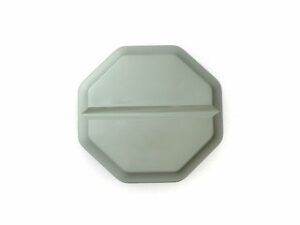
Campral (Acamprosate) — Patient-Friendly Guide (Australia)
Campral is a medicine used to support people who have stopped drinking alcohol and want to reduce the chance of relapse. This guide explains how Campral works, how it’s used, important safety considerations, and what to expect in everyday life in Australia.
Important: Always follow the instructions provided by your healthcare professional and the information on the product label. If you have questions or you experience side effects, talk to your doctor or pharmacist.
Quick Product Information
- Medicine name: Campral
- Active ingredient: Acamprosate
- Medicinal form: Tablets (commonly taken multiple times daily)
- What it’s for: Helping maintain abstinence in people with alcohol dependence
- Common use setting: After stopping alcohol (often with other supports such as counselling or structured care)
What Campral Is Used For (Indications)
Campral is indicated to help maintain abstinence from alcohol in adults who are dependent on alcohol.
It is designed for ongoing support after alcohol has been stopped, rather than as a treatment for sudden intoxication.
Who may benefit?
- People who have recently stopped drinking and want to reduce the likelihood of returning to alcohol use
- People who are engaged in a comprehensive care plan (for example, psychological support, behaviour strategies, and monitoring)
How Campral Works (Mechanism of Action)
Campral contains acamprosate, which helps rebalance chemical signalling in the brain that is disrupted by long-term heavy alcohol use.
Alcohol dependence is associated with changes in neurotransmitter systems involved in motivation, reward, and stress responses. Acamprosate is thought to work by influencing pathways involving glutamate (and related neurotransmission), helping normalise brain activity during abstinence. This can reduce craving and the stress-related drive that may contribute to relapse.
Key point: Campral is not an “anti-craving stimulant.” It’s more like a stabilising therapy for the nervous system during the abstinence period.
Pharmacokinetics (How the Body Handles Campral)
Pharmacokinetics describes how a medicine moves through the body—absorption, distribution, metabolism, and excretion.
Absorption
- Campral is absorbed from the gastrointestinal tract after oral dosing.
- Absorption can be influenced by food intake (see “Food interactions” below).
Distribution
- After absorption, acamprosate distributes throughout the body; it acts primarily via its effect on brain neurotransmission pathways.
Metabolism
- Acamprosate is not extensively metabolised by the liver. This matters for people with liver disease, though kidney function remains important (see below).
Excretion
- Acamprosate is mainly eliminated via the kidneys. Because of this, dose adjustment is often needed when kidney function is reduced.
Clinical implication: Kidney health is a key factor for safe use.
Typical Timing and How to Take Campral
Campral is usually taken three times daily in divided doses to keep steadier levels in the body.
When to start
- Campral is intended for use in people who have already stopped drinking and are aiming to stay abstinent.
- Your healthcare team will advise the best start point based on your situation.
How to take it
- Take tablets at consistent times each day.
- Swallow tablets whole with water.
- Try to avoid missed doses—adherence improves the chance of benefit.
What if you miss a dose?
- Follow the instructions on your product label or as advised by your pharmacist.
- In general, if you forget a dose, take it when you remember unless it’s close to the next dose—then skip the missed dose. Do not double up.
Food Interactions: Does Campral Need to Be Taken With Meals?
Food can affect how much Campral is absorbed.
- General guidance: Take Campral as directed by your healthcare professional and refer to the product label for whether it should be taken with or without food.
- If your prescribed instructions include taking it with meals, try to keep that routine consistent.
If you’re unsure, ask your pharmacist which approach best suits your dosing schedule.
Alcohol and Medicine Interactions
Alcohol
Campral is used to help maintain abstinence; therefore, the goal is to avoid alcohol while taking it. Drinking alcohol may undermine the treatment’s benefits and can worsen health and safety.
Campral with other medicines
Campral has a relatively limited role in liver metabolism, which may reduce some drug interaction risks. However, interactions can still occur due to overlapping effects, kidney function changes, or other factors.
Always tell your pharmacist or doctor about:
- All medicines you take (including prescription and non-prescription)
- Herbal products and supplements
- Any kidney problems or changes in urine output
Medicines that may require extra caution
Some medicines may affect kidney function or electrolyte balance, which can be relevant for acamprosate. Your pharmacist can check your specific list for safety.
Dosing (General Information)
Dosing depends on factors such as kidney function, age, and the treatment plan you and your healthcare provider agree on.
Typical adult dose
- Campral is commonly prescribed as a three-times-daily regimen for adults.
- Dosing is often tailored based on renal function.
Kidney impairment and dose adjustment
Because acamprosate is cleared by the kidneys, dose adjustments may be necessary for people with reduced kidney function. In some cases, Campral may not be suitable.
Clinical note: If you have kidney disease, kidney transplant, or reduced kidney function, discuss this before starting Campral.
Older adults
- Older adults may have reduced kidney function; dose and safety checks may be needed.
Always use the exact dose prescribed for you.
How Long Should You Use Campral?
Campral is usually used as part of a structured abstinence plan and may be continued for months. The optimal duration varies depending on individual risk of relapse, progress, and support strategies.
- Your healthcare professional will review your progress and decide whether and when to continue or stop.
- Do not stop suddenly without discussing it, especially if you’re still at high risk of relapse.
Safety Profile: Side Effects and When to Get Help
Like all medicines, Campral can cause side effects. Many people experience mild or moderate effects that may lessen over time.
Common side effects
- Diarrhoea or loose stools
- Nausea
- Abdominal discomfort
- Headache
- Dizziness
- Fatigue
Less common or serious reactions (seek medical advice urgently)
Contact a healthcare professional promptly if you experience:
- Severe or persistent diarrhoea (especially if you become dehydrated)
- Signs of an allergic reaction such as swelling of the face/lips, rash, wheezing, or difficulty breathing
- Confusion, fainting, or severe weakness
- Any symptoms that feel severe, unusual, or rapidly worsening
Dehydration warning
If you develop diarrhoea, it may increase the risk of dehydration—this can be especially important if you have kidney issues. Drink fluids as recommended and seek medical advice if symptoms are significant.
Driving and operating machinery
- Some people may feel dizziness or fatigue. If you’re affected, avoid driving or operating machinery.
Practical Use Tips (Helpful for Daily Life)
- Set reminders: Campral is often taken three times daily. Phone alarms or a medication organiser can help you stay on schedule.
- Use a routine: Pair doses with consistent daily activities (for example, morning, midday, and evening).
- Stay hydrated: If diarrhoea occurs, focus on adequate fluid intake and discuss ongoing symptoms with your pharmacist.
- Avoid alcohol completely: Staying alcohol-free is essential for the medicine’s intended purpose.
- Plan support: Consider counselling, peer support, or structured addiction services alongside medication.
- Know your kidney status: If you’ve ever had kidney disease, ask your doctor or pharmacist whether monitoring is needed.
Alternative Options for Alcohol Dependence Support
When maintaining abstinence, several evidence-based approaches may be considered, depending on your health profile and preferences. Options can include counselling, psychosocial support, and other medications.
Non-medicine supports
- Alcohol counselling and cognitive behavioural strategies
- Behavioural therapy and relapse-prevention planning
- Support groups and peer mentoring
- Family or relationship support services
Medicine options (discuss with a clinician)
In Australia, other pharmacological options may be considered for alcohol dependence, depending on your situation. Your healthcare provider can advise which is most appropriate.
- Naltrexone (used in selected people, sometimes more focused on reducing heavy drinking)
- Disulfiram (works differently and requires strict avoidance of alcohol)
- Other individualised treatment plans based on risk factors and comorbidities
Note: The best choice depends on your goals (for example, maintaining abstinence), kidney function, and overall medical history.
Campral in the Australian Context: Market, Regulation, and Guidance
In Australia, medicines are regulated under the TGA (Therapeutic Goods Administration). Healthcare professionals may prescribe medicines according to Australian guidelines for alcohol dependence, and ongoing care commonly includes behavioural support.
Access may depend on local prescribing and dispensing practices, your health assessment, and whether there are formulary considerations in your situation.
Recent guidance considerations
Clinical guidance for alcohol dependence can evolve. In practice, treatment plans often emphasise:
- Assessment of withdrawal risk and medical stability
- Combined care (medication plus psychosocial support)
- Monitoring for safety, including kidney function where relevant
- Relapse-prevention strategies and structured follow-up
If you want the most current recommendations, your pharmacist or doctor can refer to the latest local resources.
Delivery and Availability (What to Expect)
Availability can vary by pharmacy and supplier. When ordering online in Australia, delivery timelines depend on stock levels and your location.
Typical online pharmacy experience
- Stock checks: The pharmacy may confirm availability before dispatch.
- Shipping: Delivery options typically vary by postcode/region.
- Packaging: Medicines are usually delivered in secure packaging to protect product integrity.
- Tracking: Many services provide tracking details.
Advice: If you need Campral urgently, contact customer support to confirm availability and estimated dispatch time.
Storage and Handling
- Store tablets according to the instructions on the package.
- Keep out of reach of children.
- Protect from moisture and heat where indicated.
If the product label provides specific storage conditions, follow those exactly.
Campral: Summary Table (Key Points at a Glance)
| Topic | What to know |
|---|---|
| Uses | Helps maintain abstinence in adults with alcohol dependence |
| How it works | Supports stabilisation of brain neurotransmission linked to alcohol dependence during abstinence |
| When to start | Typically after you have stopped drinking; part of an ongoing abstinence plan |
| How often | Usually three times daily (follow your exact prescription/label instructions) |
| Food interactions | Food may affect absorption; follow label or pharmacist advice for with/without meals routine |
| Kidney involvement | Cleared mainly by kidneys; dose may be adjusted for reduced kidney function |
| Alcohol while taking it | Avoid alcohol—treatment is intended to support abstinence |
| Common side effects | Diarrhoea, nausea, abdominal discomfort, headache, dizziness, fatigue |
FAQ: Campral (Acamprosate)
1. Is Campral for alcohol withdrawal?
No. Campral is intended to help maintain abstinence in alcohol dependence. Withdrawal management and detoxification require medical assessment and may involve different treatment approaches.
2. How soon will Campral start working?
People may notice support for craving and relapse prevention as abstinence continues. The medicine is typically used as part of a longer-term plan, so benefit is often assessed over weeks to months.
3. Can I drink alcohol “just once” while taking Campral?
It’s strongly advised to avoid alcohol while taking Campral, because the treatment is intended to support full abstinence. Drinking can increase relapse risk and may worsen side effects or health outcomes.
4. What should I do if I get diarrhoea?
Mild symptoms may settle, but persistent or severe diarrhoea can lead to dehydration. If symptoms are significant, contact your pharmacist or doctor for advice. Seek urgent help if you feel faint, severely unwell, or unable to keep fluids down.
5. Does Campral affect the liver?
Acamprosate is not extensively metabolised by the liver. However, liver health is still important for overall safety, and your clinician may still consider liver function as part of your broader care.
6. What if I have kidney disease?
Kidney function is important for dosing and safety. Discuss your kidney health with your healthcare professional before starting. They may adjust the dose or determine whether Campral is suitable.
7. Can I take Campral with other medications?
Often, yes—but interactions can vary depending on your medicine list and health status. Provide your full medication (including supplements) to your pharmacist or doctor so they can check for compatibility.
8. Is Campral habit-forming?
Campral is not generally considered addictive. However, it should still be used exactly as directed and as part of a relapse-prevention plan.
9. What happens if I stop Campral?
Stopping may increase relapse risk for some people. If you want to stop, discuss it with your healthcare professional so your plan for ongoing support and monitoring is clear.
10. How should I store Campral?
Store tablets as directed on the packaging, and keep them protected from moisture and heat where indicated. Keep out of reach of children.
When to Seek Medical Advice
Get medical help promptly if you experience:
- Severe diarrhoea or signs of dehydration
- Symptoms of an allergic reaction (rash, swelling, breathing difficulty)
- Worsening mental health symptoms or any concerns that feel urgent
- Any unexpected side effects after starting Campral
Remember: Campral can be an important part of maintaining abstinence, especially when combined with counselling and structured relapse-prevention strategies.