
Disulfiram (Disulfiram Tablets) — Patient Information for Australia
Disulfiram is a medicine used as part of a structured treatment plan for alcohol dependence. It works by helping the body produce unpleasant effects when alcohol is consumed. This discourages drinking and supports recovery goals.
This page is designed to be clear and patient-friendly. It explains how disulfiram works, how it’s typically used, what to expect, key safety points, and how to manage interactions—especially with alcohol and certain medicines.
Quick product overview
- Active ingredient: Disulfiram
- Medicine type: Alcohol deterrent (aversive therapy)
- Common form: Oral tablets
- How it works: Interferes with alcohol metabolism, causing unpleasant reactions if alcohol is taken
- Typical setting: Used under ongoing clinical supervision and as part of an alcohol treatment plan
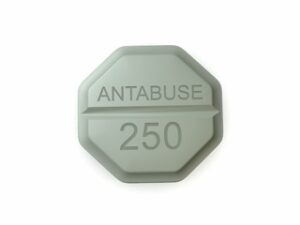
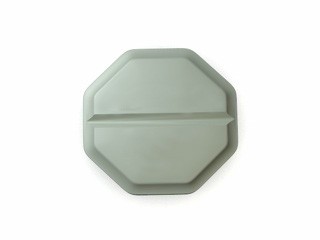
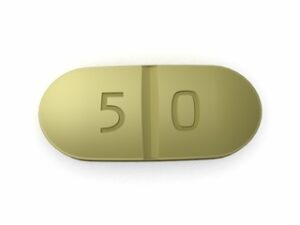
Note: Brand names, tablet strengths, and packaging may vary. Always check the label on your product for exact dosing instructions and tablet strength.
How disulfiram works (mechanism of action)
After alcohol is consumed, the body breaks it down in stages. One important step involves an enzyme called aldehyde dehydrogenase. Disulfiram inhibits this enzyme.
As a result, alcohol metabolism is disrupted and acetaldehyde levels rise. Acetaldehyde accumulation is linked to the unpleasant “reaction” people experience when drinking alcohol while on disulfiram.
- Key effect: Blocks the normal breakdown of alcohol (and acetaldehyde)
- Outcome: Causes symptoms such as flushing, nausea, vomiting, headache, and palpitations when alcohol is taken
- Purpose: Creates a strong deterrent to drinking, supporting behavioural change
Pharmacokinetics (how the body handles disulfiram)
Pharmacokinetics describes how disulfiram is absorbed, distributed, metabolised, and eliminated. Individual responses vary.
- Absorption: Disulfiram is absorbed after oral administration.
- Metabolism: It is metabolised in the body; effects can persist beyond the dose period.
- Duration of effect: Disulfiram’s deterrent effect may last for days after the last dose. The exact duration varies between individuals.
- Elimination: Metabolites are cleared mainly through the body’s normal elimination pathways (e.g., kidneys and metabolism products).
Practical takeaway: Because the effect can persist, it is important to avoid alcohol even after stopping disulfiram until you’ve been advised it is safe.
What disulfiram is used for (indications)
Disulfiram is mainly used for:
- Alcohol dependence as part of a comprehensive treatment approach
It is typically considered when a person wants an alcohol-deterrent approach and can reliably follow safety guidance (including avoiding alcohol-containing products).
Typical use and treatment approach
Disulfiram is not simply “take and forget.” It is most effective when used alongside other supports such as counselling, coping strategies, and relapse-prevention planning.
Common features of a disulfiram plan include:
- Alcohol abstinence commitment: Disulfiram relies on avoiding alcohol.
- Education: Learning about hidden alcohol sources (some tonics, cough syrups, mouthwashes, cooking ingredients, etc.).
- Follow-up: Ongoing monitoring for side effects and adherence.
Timing: how to take disulfiram
Dosing schedules can vary depending on your situation and tablet strength. Many people take disulfiram once daily, usually at the same time each day.
General timing guidance (confirm with your product instructions):
- Start time: Often initiated after alcohol has been avoided for a suitable period, per your clinician’s advice.
- Daily routine: Choose a time you can consistently remember.
- Missed dose: Follow the instructions on your medicine pack or seek advice from your pharmacist.
If you are planning travel, surgery, dental procedures, or medical treatments, inform your healthcare team so they can avoid alcohol-containing preparations where possible.
Food interactions and alcohol-containing foods/ingredients
Disulfiram’s most important interaction is with alcohol—including small amounts in some foods, beverages, and everyday products. Food interactions are less about direct tablet absorption and more about accidental alcohol exposure.
Be cautious with:
- Alcoholic drinks: beer, wine, spirits, cocktails, and “low alcohol” beverages
- Alcohol-containing cooking ingredients: wine sauces, cooking wine, some marinades
- Some vinegars and dressings: check labels if you’re unsure
- Fermented products: some products may contain alcohol, depending on preparation
General tip: If a product’s ingredients list includes alcohol (e.g., ethanol) or contains wording indicating alcohol content, avoid it unless your pharmacist confirms it’s safe.
Alcohol and medicine interactions (very important)
Disulfiram is designed to produce an unpleasant reaction if alcohol is consumed. The reaction can be triggered by:
- Drinking alcohol (most direct and dangerous)
- Alcohol in medicines such as some liquid preparations, tonics, and certain cough/cold products
- Alcohol-based mouthwashes and some oral hygiene products (check labels)
- Alcohol-containing topical products where absorption may occur (discuss with your pharmacist)
Why this matters: Even small amounts of alcohol can cause symptoms in some people. Symptoms may include:
- Flushing (red, warm skin)
- Nausea, vomiting
- Headache
- Palpitations or a fast heartbeat
- Low blood pressure symptoms (dizziness, weakness)
- Shortness of breath or chest discomfort (seek urgent help if severe)
Always tell healthcare providers and pharmacists that you are taking disulfiram so they can check for hidden alcohol ingredients.
Medicines that may interact with disulfiram
Disulfiram can interact with certain medicines, affecting side effects or metabolism. Because interaction potential can depend on individual health and dosing, always check before starting new medicines.
Some interaction categories to discuss with a pharmacist include:
- Medicines affecting liver function: disulfiram can be stressful to the liver in some people
- Drugs that may cause sedation: if combined with other sedatives, drowsiness risk may increase
- Other alcohol-deterrent or aversive treatments: avoid combining without advice
- Medicines with potential to interact with metabolism: your pharmacist can check for known interactions
Practical safety step: Provide your pharmacist with a full list of medicines and supplements you use, including “as needed” products (e.g., cold/flu remedies, liquid medications, and herbal products).
Dosing: typical approach and important considerations
Dosing varies based on clinical factors such as the treatment plan, previous alcohol use pattern, liver health, and tolerance of side effects.
Commonly used starting strategies (general information):
- Initial dose: May start lower and be adjusted upward as appropriate.
- Maintenance dose: Often continued at the lowest effective dose.
Do not increase the dose on your own. Disulfiram can have significant safety considerations, especially related to the liver and reactions to alcohol.
Label instructions: For the most accurate dosing, follow the dosing directions on your specific product pack.
Safety profile: what to watch for
Like all medicines, disulfiram can cause side effects. Some are mild, while others require urgent medical attention.
Common or expected side effects
- Headache
- Fatigue or drowsiness
- Nausea or stomach upset
- Metallic or unpleasant taste
- Skin reactions (in some individuals)
Serious side effects — seek urgent medical help
Contact urgent medical services or go to emergency care if you experience signs of a severe reaction, such as:
- Severe or persistent vomiting
- Chest pain, severe shortness of breath, or fainting
- Severe dizziness or confusion
- Signs of liver injury (e.g., yellowing of the eyes/skin, dark urine, severe upper abdominal pain, unusual bruising or bleeding, persistent nausea)
Important safety considerations
- Liver health: Disulfiram may affect liver function in some people. Your clinician may arrange blood tests.
- Neurological symptoms: Rarely, disulfiram has been associated with neuropathy (nerve issues). Seek advice if you develop numbness, tingling, or weakness.
- Psychiatric symptoms: Report mood changes, agitation, or severe anxiety to a healthcare professional promptly.
Do not drink alcohol while taking disulfiram and until your healthcare team confirms it is safe to resume after stopping.
Practical use tips (daily life with disulfiram)
These tips help reduce the risk of accidental alcohol exposure and make treatment safer and more manageable.
1) Check ingredients for “hidden alcohol”
- Read labels on liquid medicines and cough/cold products
- Check mouthwash ingredients (some contain ethanol)
- Consider non-alcoholic alternatives where available
2) Communicate with your healthcare team
- Tell dentists, surgeons, and other providers that you take disulfiram
- Ask pharmacists to verify medication ingredients (including excipients)
3) Plan for emergencies
- Keep a list of your medications and allergy/intolerance information
- Let someone close to you know what to do if a reaction occurs
4) Avoid accidental exposure
- Be careful with hand sanitisers or products applied to large areas if advised by a clinician
- Use caution with foods prepared with wine or spirits
- Avoid “non-alcoholic” drinks that still contain measurable ethanol if you are sensitive
5) Keep follow-up appointments
- Your progress matters and safety monitoring may be recommended
- Report new symptoms early rather than waiting
Alternative options for alcohol dependence
Several treatment approaches are available for alcohol dependence. The best choice depends on your medical history, preferences, risk factors, and support needs.
- Behavioural counselling and therapy: relapse prevention, motivational approaches, and structured support programs
- Medications that reduce cravings: there are options that can help some people maintain abstinence or reduce heavy drinking
- Medications that create aversion: disulfiram is one approach; other options may be considered in specific circumstances
- Support groups: peer support can improve long-term outcomes
- Acute withdrawal management: if stopping alcohol abruptly is unsafe, medical supervision may be needed
Tip: If disulfiram isn’t suitable (for example due to side effects, liver concerns, or difficulty avoiding alcohol), ask your pharmacist or healthcare professional about alternative medications and supports.
Market and legal context for Australia (overview)
In Australia, medicines are regulated by the Therapeutic Goods Administration (TGA). Availability and prescribing/dispensing requirements depend on the medicine category, formulation, and approved indications.
On online pharmacies, products are typically supplied in line with Australian pharmacy and regulatory requirements, including identity checks and safety screening when required. Requirements can vary depending on the medicine’s scheduling and the pharmacy’s processes.
Important: If disulfiram is not suitable for you, it may not be dispensed. Your healthcare safety is the priority.
Recent guidance and safety updates (how to stay informed)
Recommendations for alcohol dependence treatments can evolve. While general safety principles (especially avoiding alcohol) remain constant, the best course of action is to:
- Follow current advice from Australian health services and your treating team
- Check for updated product information from your pharmacist
- Report new symptoms promptly, especially those involving the liver or severe reactions
If you have concerns about whether your current plan aligns with the latest guidance, ask a pharmacist or doctor for updated advice.
Delivery and availability (Australia)
Availability of disulfiram can vary by pharmacy stock levels and supply chain schedules. Many online pharmacies offer delivery across Australia.
Typical delivery details you can expect:
- Packaging: Your medicine should arrive in secure packaging with label details intact.
- Shipping times: Delivery timelines vary by location and courier service.
- Tracking: Many deliveries can be tracked.
- Cold chain: Disulfiram tablets generally do not require refrigeration.
What to do on arrival: Check tablet strength, expiry date, and that the packaging matches your order. If there’s any discrepancy, contact the pharmacy promptly.
FAQ: Disulfiram (Australia)
1) Can I drink “non-alcoholic” beer or wine while on disulfiram?
Many “non-alcoholic” beverages contain small amounts of ethanol. Because disulfiram reactions can occur in sensitive individuals, it’s safest to avoid any product that may contain alcohol. If you’re unsure, check the label alcohol content and ask your pharmacist for guidance.
2) What happens if I accidentally drink alcohol?
Symptoms can occur such as flushing, nausea, vomiting, headache, palpitations, or low blood pressure symptoms. If symptoms are severe, persistent, or you develop chest pain, severe breathing difficulty, fainting, or confusion, seek urgent medical care. For mild symptoms, contact a healthcare professional for advice.
3) How long should I avoid alcohol after stopping disulfiram?
Disulfiram’s deterrent effect may persist after the last dose. The safe interval varies by person. Ask your pharmacist or doctor for an individualised timeframe before resuming alcohol.
4) Does disulfiram interact with mouthwash?
Some mouthwashes contain ethanol. If you use a disulfiram-containing regimen, choose an alcohol-free mouthwash or ask your pharmacist to recommend alternatives.
5) Are there foods I should avoid?
Avoid alcohol-containing foods such as cooking wines and sauces. Read ingredient lists carefully. If a food product contains ethanol or clearly indicates alcohol content, avoid it or confirm safety with a pharmacist.
6) Can I take cough or cold medicines while on disulfiram?
Many liquid medicines may contain alcohol as an ingredient. Check the product label for ethanol and other alcohol-containing excipients. Your pharmacist can verify whether a specific product is suitable.
7) Can I take disulfiram with pain relief or antibiotics?
Some antibiotics and pain medicines may be compatible, but you must check for interactions and for alcohol content in liquid formulations. Provide your full medication list to your pharmacist.
8) What liver warning signs should I watch for?
Seek urgent medical attention if you develop yellow eyes/skin (jaundice), dark urine, severe upper abdominal pain, persistent nausea/vomiting, severe tiredness, or unexplained bruising/bleeding.
9) Is disulfiram safe for everyone with alcohol dependence?
Not necessarily. Suitability depends on individual health, including liver function, overall medical history, and ability to avoid alcohol-containing products. A clinician/pharmacist can assess risks and benefits.
10) What should I do if I miss a dose?
Follow the instructions on your medicine label or pack. If you’re unsure, ask your pharmacist for advice. Do not double the dose without guidance.
Summary
Disulfiram is an alcohol deterrent used as part of alcohol dependence treatment. It works by blocking a key step in alcohol metabolism, leading to unpleasant reactions if alcohol is consumed. Because the effects can last and hidden alcohol sources exist, strict avoidance of alcohol and careful medication selection are essential.
If you’re starting disulfiram or have questions about a specific food, medicine, or product ingredient, ask your pharmacist before use.
Product information table (at-a-glance)
| Category | Information |
|---|---|
| Active ingredient | Disulfiram |
| Therapeutic use | Alcohol dependence (aversive therapy) |
| Core mechanism | Inhibits aldehyde dehydrogenase, increasing acetaldehyde after alcohol |
| Most important interaction | Alcohol (including hidden sources in medicines and products) |
| Key safety focus | Liver health and avoidance of alcohol to prevent severe reactions |
| Common form | Oral tablets |
| Patient tips | Check labels, choose alcohol-free alternatives, tell healthcare providers |