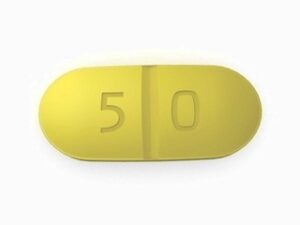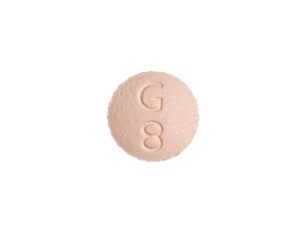


Stromectol (Ivermectin) – Patient Information (Australia)
Stromectol is a brand of ivermectin, an antiparasitic medicine used to treat certain parasitic infections. This page provides patient-friendly information about how ivermectin works, how it’s used, common precautions, and what to expect. It is written for an Australian audience and includes general guidance relevant to medicines in Australia.
Quick overview
- Active ingredient: Ivermectin
- Brand name: Stromectol
- Type of medicine: Antiparasitic (anthelmintic/ectoparasitic)
- Common forms: Oral tablets (strengths may vary by product)
- How it is taken: Usually as a single dose or short course, depending on the condition
Basic product information
In Australia, ivermectin is available under different brand names and formulations depending on the indication. Stromectol is the oral brand commonly used for specific parasite infections. Exact presentation (tablet strength and pack size) can vary, so always check the packaging and your medicine label.
Ivermectin is used to treat infections caused by certain parasites, including:
- Strongyloidiasis (a type of intestinal worm infection)
- Onchocerciasis (river blindness; typically managed under specialist care)
- Scabies in selected circumstances (oral ivermectin may be used in specific settings)
- Other filarial and parasitic infections in accordance with local medical guidance
The most appropriate use and dosing depend on the infection type, your age, weight, and overall health.
How Stromectol (ivermectin) works (mechanism of action)
Ivermectin works by interfering with the nervous system of parasites. It binds to specific glutamate-gated chloride channels and related chloride channels in parasite nerve and muscle cells. This increases chloride conductance, leading to paralysis and death of the parasite.
In simple terms: ivermectin helps stop the parasite’s ability to function, allowing your body to clear the infection.
Pharmacokinetics (how the body handles ivermectin)
Pharmacokinetics describe what the body does to a medicine—absorption, distribution, metabolism, and elimination. While exact values vary among individuals, key points include:
- Absorption: Ivermectin is absorbed from the gut. Taking it with food can increase absorption.
- Distribution: It distributes throughout the body and can reach tissues where parasites may reside.
- Metabolism: Ivermectin is metabolised mainly in the liver.
- Elimination: The medicine is eliminated largely via bile and faeces (with less excretion in urine).
- Half-life: It has a relatively long terminal half-life, supporting effectiveness after a single dose in some conditions.
If you are pregnant, breastfeeding, have liver problems, or take interacting medicines, your clinician may consider these factors when choosing the safest approach.
Typical uses and indications
Ivermectin is indicated for specific parasitic infections. The exact list depends on local approvals and product labelling. Commonly, oral ivermectin is used for:
Intestinal worm and parasitic infections
- Strongyloidiasis (caused by Strongyloides species)
Filarial infections
- Onchocerciasis (river blindness, caused by Onchocerca volvulus)
- Other filarial infections as determined by local protocols
Scabies (in selected cases)
Oral ivermectin may be used when scabies is widespread, in institutional outbreaks, or when topical therapy is not suitable. Treatment plans may also involve treating close contacts and cleaning the home environment.
Important: Always confirm the indication with the medicine plan provided for your situation. Ivermectin is not a treatment for bacterial or viral infections.
Dosing guidance (general information)
Dosing of ivermectin is commonly based on body weight and the specific infection being treated. The exact dose and timing should follow the guidance provided by your healthcare professional and the product’s instructions.
General principles:
- Weight-based dosing is often used to ensure adequate drug exposure.
- Single-dose vs repeated dosing depends on the parasite life cycle and infection type.
- Special situations may require adjustments (e.g., certain severe infections, co-infections, or liver impairment).
Timing and missed doses
- Timing: Take ivermectin at the time directed by your treatment plan.
- Missed dose: If you miss a dose, seek advice from a pharmacist or clinician. Do not double up unless instructed.
- Completion matters: For multi-dose schedules, finishing the course is important for best results.
When to take Stromectol (timing with food)
Ivermectin absorption can be affected by food. Many preparations are recommended to be taken on an empty stomach or with water at specific times depending on local labelling. However, clinical practice may also consider food to improve absorption.
Because different products and protocols may differ, the safest approach is to follow the dosing directions on your medicine label. If you are unsure, ask your pharmacist.
Practical tips:
- Take the tablet with a full glass of water.
- Try to keep timing consistent each day if a multi-day plan is used.
- Avoid taking it at the same time as large amounts of food unless your instructions specifically allow it.
Food interactions
Food can influence how much ivermectin is absorbed. In general:
- Absorption may increase with food, depending on the condition and guidance provided.
- High-fat meals may increase drug exposure in some settings.
If you have gastrointestinal illness (vomiting or severe diarrhoea), it may reduce absorption. Seek advice promptly if symptoms affect your ability to keep the dose down.
Alcohol and medicine interactions
Alcohol
Moderate alcohol use is not always directly prohibited, but alcohol can worsen dizziness, nausea, and fatigue—side effects that may occur with ivermectin. To be safe:
- Consider avoiding alcohol around the time of your dose, especially if you experience side effects.
- If you are taking other medicines for your condition, discuss alcohol with a pharmacist.
Important medicine interactions
Ivermectin can interact with medicines that affect liver enzymes and drug transport proteins. Always provide your full medicine list to a pharmacist or clinician, including:
- Prescription medicines
- Over-the-counter medicines
- Herbal supplements
- Vitamins or “natural” products
Examples of medicines that may be relevant (not an exhaustive list) include:
- Strong CYP3A4 inhibitors (may increase ivermectin levels, raising risk of side effects)
- Strong CYP3A4 inducers (may reduce ivermectin effectiveness)
- Other medicines affecting the nervous system (if you experience dizziness or drowsiness)
- Medicines that affect the liver or are hepatotoxic
If you tell us which medicines you take, your pharmacist can help check for potential interactions.
Safety profile and side effects
Like all medicines, ivermectin can cause side effects. Many people experience none or only mild effects. Side effects can also relate to the underlying infection, including reactions as parasites die off.
Common side effects
- Headache
- Dizziness
- Nausea, vomiting, abdominal discomfort
- Fatigue
- Itching or rash (may occur during treatment)
Serious or urgent symptoms
Seek urgent medical help if you develop any of the following:
- Signs of a severe allergic reaction (swelling of face/lips, difficulty breathing, widespread hives)
- Severe dizziness, confusion, fainting, or seizures
- Severe skin reactions (blistering, peeling, or painful rash)
- Significant worsening of symptoms with fever or marked inflammation
Special considerations
- Liver impairment: Because ivermectin is metabolised in the liver, liver disease may increase exposure and risk.
- Neurologic conditions: People with certain neurologic disorders should discuss safety with a clinician.
- Severe strongyloidiasis risk: In people with uncontrolled immune suppression, treatment may require special management.
- Pregnancy and breastfeeding: Safety depends on individual circumstances and available evidence; seek tailored advice.
- Children: Dosing is weight-based and age limitations may apply depending on indication and product labelling.
Practical use tips
- Take it exactly as directed: Use the dose and schedule from your medicine label or treatment plan.
- Plan for the aftermath: Some symptoms (like itching in scabies) can improve slowly. Do not assume failure if symptoms persist briefly.
- Hygiene and household measures (especially scabies): Treat close contacts as advised and follow cleaning guidance (laundering bedding/clothing in hot water where possible).
- Avoid re-exposure: Reinfection can occur if household contacts are not treated when required.
- Keep follow-up appointments: In certain infections, repeat treatment or stool/clinical assessment may be needed.
What results to expect
Improvement timelines vary by infection:
- Scabies: Itching may continue for days to weeks even after successful treatment, due to lingering inflammation.
- Intestinal strongyloidiasis: Symptoms may improve after treatment, though follow-up testing may be recommended depending on the clinical situation.
- Filarial infections: Management may require longer-term protocols and specialist oversight.
If symptoms worsen or do not improve as expected, speak to a pharmacist or clinician.
Alternative options
Alternatives depend on the parasite and severity. Some conditions may be managed with different antiparasitic medicines or topical treatments. Examples of alternative approaches include:
For scabies
- Topical scabicides (such as permethrin-based regimens, depending on local guidance)
- Supportive measures (e.g., emollients and anti-itch approaches)
- Environmental control (laundering, bedding treatment, and cleaning)
For intestinal worm infections
- Other anthelmintics may be used depending on diagnosis and local recommendations.
When ivermectin isn’t suitable
- Severe liver impairment or certain risk profiles may require selecting a different medicine.
- Special diagnostic confirmation may change the choice of treatment.
A pharmacist can help explain which alternatives are commonly considered for your situation based on the suspected or confirmed parasite.
Market and legal context for Australia
In Australia, medicines are regulated under the Australian regulatory framework and must meet standards for quality, safety, and effectiveness. Access to ivermectin may vary by:
- Formulation (oral tablets vs other formulations)
- Indication and approved use
- Prescribing and dispensing requirements as governed by the current scheduling and product information
Online pharmacies may offer medicines in line with applicable Australian laws, policies, and guidelines. Availability can also change over time due to supply and regulatory updates.
Recent guidance: Treatment recommendations for parasitic infections evolve as new clinical evidence and local public health guidance become available. For the most up-to-date advice in Australia, follow information provided by Australian health authorities and your healthcare professional.
Delivery and availability (online pharmacy)
Availability and delivery times depend on stock levels, shipping zones, and the specific product strength. When ordering online, you can generally expect:
- Secure packaging to protect tablets and maintain product integrity
- Tracking or delivery confirmation for many orders
- Helpful support if you have questions about product strength or ordering
If a product is temporarily out of stock, the pharmacy may offer alternatives (where permitted) or suggest waiting for replenishment.
Frequently Asked Questions (FAQ)
1) Is Stromectol the same as ivermectin?
Yes. Stromectol is a brand name that contains the active ingredient ivermectin. Different brands and formulations may exist, but the active ingredient is the same.
2) How quickly will I feel better?
It depends on the infection and your symptoms. Some conditions may improve within days, while others may take longer. For example, itching in scabies can persist even when treatment is working.
3) Can I take ivermectin if I’m not sure what parasite I have?
It’s best to get an accurate diagnosis. Different parasites require different treatments, and unnecessary medication may delay proper care. If you suspect a parasitic infection, speak with a pharmacist or clinician for advice.
4) What should I do if I vomit after taking the tablet?
Vomiting shortly after a dose may mean you did not absorb the medicine fully. Contact a pharmacist for guidance on whether you need another dose. Do not automatically repeat the dose without advice.
5) Can I treat scabies with ivermectin alone?
Treatment usually involves both medication and household/environment measures. Close contacts often need treatment at the same time to prevent reinfection. Follow the plan provided by your healthcare professional.
6) Does itching mean the medicine didn’t work?
Not necessarily. Itching may continue for a while as your skin inflammation settles. Follow-up treatment schedules may be recommended depending on response and timing.
7) Are there age limits for ivermectin?
Age limits depend on the indication and product instructions. Dosing is typically weight-based for children, and some situations may require specialist advice. Always check the medicine label and seek professional input if you are treating a child.
8) Can I drink alcohol after taking Stromectol?
Alcohol may worsen side effects like dizziness or nausea. For safety, consider avoiding alcohol around your dose and until you feel well. If you have ongoing medical conditions or take other medicines, ask a pharmacist for specific advice.
9) What medicines should I tell the pharmacist about?
Tell your pharmacist about all medicines and supplements you take, including:
- Any liver medications or treatments
- Medicines for seizures, mood, or sleep
- Antibiotics/antifungals, HIV medicines, or other long-term medicines
- Herbal supplements
10) When should I seek urgent help?
Seek urgent medical attention for severe allergic reactions, seizures, severe confusion, breathing difficulties, or serious skin reactions.
Important patient reminder
This information is intended to help you understand Stromectol (ivermectin) and prepare for safe use. Always follow the instructions on your medicine label and the advice provided by your healthcare professional. If you have questions about whether ivermectin is appropriate for your situation, speak with a pharmacist.