Tropicamide (Tropicamide Eye Drops) — Patient Information Guide (Australia)
What is Tropicamide? Tropicamide is an eye medicine used to temporarily widen the pupil (dilate the eye’s pupil) and relax certain muscles in the eye. It is commonly used in eye care to help clinicians examine the back of the eye and assess vision-related conditions.
This guide is written to help you understand how tropicamide works, what it is used for, how it’s typically taken, and what practical precautions to follow. Always follow the instructions given by your eye care professional or pharmacist.
Basic product information
| Category | Details |
|---|---|
| Common name | Tropicamide |
| Medicinal form | Eye drops (ophthalmic solution) |
| Common purpose | Myriasis (pupil dilation) and cycloplegia (temporary muscle relaxation) |
| Typical setting | Optometry and ophthalmology examinations |
| Duration of effect | Often several hours; near vision may be blurred until the effect settles |
Strengths: Eye drops may be available in different strengths depending on the brand and indication. Your pharmacist can confirm the exact concentration on your pack.
How tropicamide works (mechanism of action)
Tropicamide belongs to a class of medicines called antimuscarinics (anticholinergic agents). In the eye, it blocks muscarinic receptors that normally help control pupil size and focusing.
- Pupil dilation (mydriasis): By relaxing the muscles that constrict the pupil, tropicamide causes the pupil to widen.
- Temporary loss of focusing ability (cycloplegia): It can reduce the eye’s ability to focus on close objects, leading to blurred near vision.
This combination makes it easier for eye clinicians to view the retina and optic nerve and to evaluate refractive status.
Pharmacokinetics (how the body handles it)
After using tropicamide eye drops, the medicine is absorbed through the eye tissues to produce local effects. Systemic absorption (into the bloodstream) can occur, although it is generally limited with topical eye use.
- Onset: The effect typically begins within minutes after instillation.
- Duration: Pupil dilation and near-vision changes can last for several hours.
- Elimination: Any absorbed medicine is processed by the body and cleared over time; exact kinetics can vary by individual factors such as age.
Children may experience a stronger or longer-lasting effect compared with adults, and it can be important to follow dosing and safety advice closely.
Typical use and indications
Tropicamide is primarily used in eye examinations where pupil dilation is needed. It may also be used in certain diagnostic settings to temporarily relax focusing muscles.
Common indications include:
- Eye examinations: To allow fundoscopy and assessment of the retina, lens, optic disc, and other structures.
- Assessment of refractive error: To help reduce accommodation (focusing effort) during testing.
- Diagnostic procedures: When clinicians require a dilated pupil to improve visibility.
Your clinician will decide if tropicamide is appropriate for your specific eye health needs.
Timing: when to expect effects
The most noticeable side effect is blurred near vision and light sensitivity. These are expected after dosing for eye examinations.
- After instillation: Visual effects commonly begin within minutes.
- Most noticeable period: Typically within the first hour, depending on age, dose, and individual response.
- Recovery: Many people feel improved within several hours; near vision may take longer to fully return to normal.
If you have an appointment, it’s a good idea to plan for not driving immediately afterwards, especially if you normally rely on clear near vision or have to navigate in bright light.
Food interactions
Because tropicamide is administered to the eye, food interactions are not a common concern. There is no typical requirement to fast or avoid specific foods.
If you are also taking oral medications (or have other health conditions), your pharmacist can review potential interactions based on your complete medication list.
Alcohol and medicine interactions
Alcohol
There is no well-established direct interaction between alcohol and tropicamide in typical eye-drop use. However, alcohol can affect vision and coordination in general. Since tropicamide can cause blurred vision and light sensitivity, it’s best to avoid alcohol if you need to drive or operate machinery shortly after using the drops.
Other medicines (possible interactions)
Tropicamide’s antimuscarinic activity may have additive effects when combined with certain medicines that also affect the parasympathetic system. Always inform your clinician and pharmacist about all medicines you take.
- Other anticholinergic/antimuscarinic medicines: May increase the chance of side effects such as dry mouth, blurred vision, or fast heartbeat (particularly in sensitive individuals).
- Medicines used for overactive bladder or some nausea conditions: These may have anticholinergic effects.
- Some antihistamines: Some can cause anticholinergic-like effects, which may worsen dryness or blurred vision.
This list is not exhaustive. Your pharmacist can confirm interactions with your specific medicines.
Dosing: how it is usually used
Dosing instructions can vary depending on the purpose of the eye examination, the person’s age, and the specific product strength. The information below describes typical use patterns seen in clinical settings.
General guidance
- Dose: A small drop is placed into the affected eye(s).
- Repeat dosing: Sometimes clinicians repeat the dose after a short interval to achieve adequate dilation.
- Only use as directed: Use exactly as recommended by your eye care professional.
Common timing used in examinations (example pattern)
Many regimens aim to achieve dilation within minutes for the exam. Your clinician will follow the appropriate dosing schedule for the product and target effect.
| Purpose | Typical approach (varies by clinician/product) |
|---|---|
| Diagnostic pupil dilation | Instil a drop, wait, then reassess pupil response for the exam |
| Refractive testing (cycloplegia) | May involve staged instillation to improve accuracy; follow clinician instructions |
Important: If you miss a dose during an examination appointment, do not self-adjust—contact your clinician or follow the plan provided.
Practical use tips (to get the best results and reduce side effects)
Eye drop technique can significantly affect comfort and effectiveness. The tips below are designed to help you apply tropicamide safely.
- Wash hands before and after using the drops.
- Don’t touch the dropper tip to your eye or eyelids to reduce contamination.
- How to instil: Tilt your head back, gently pull down the lower eyelid, and place one drop into the space inside the lower lid.
- Close your eye gently for about 1–2 minutes after dosing. Avoid squeezing hard.
- Nasolacrimal occlusion (helpful): After instilling, gently press a finger at the inner corner of the eye (near the nose) for 1–2 minutes. This can reduce drainage into the nose and lower systemic absorption.
- If you use other eye drops: Wait at least 5–10 minutes between different products unless your clinician instructs otherwise.
Contact lenses: If you wear contact lenses, ask your pharmacist or clinician what to do before using tropicamide. In many cases, lenses may need to be removed and replaced after the examination period.
Safety profile: side effects and when to seek help
Common and expected effects
Some visual changes are expected because tropicamide is designed to dilate the pupil and reduce focusing ability.
- Blurred near vision (reading and close work may be difficult)
- Light sensitivity (photophobia)
- Temporary stinging or irritation after instillation
- Dryness around the eye may occur
Less common but important systemic effects
Because some medicine may be absorbed through the eye, monitor for symptoms such as:
- Dry mouth
- Headache
- Nausea
- Faster-than-usual heartbeat
- Unusual drowsiness or agitation (particularly in children)
Seek urgent medical advice if you experience
Although uncommon, some people can develop problems such as a sudden increase in eye pressure, especially if they have certain eye anatomy or risk factors. Contact a clinician or urgent care immediately if you notice:
- Severe eye pain
- Significant redness
- Sudden worsening vision
- Halos around lights with pain or nausea
- Persistent severe headache
- Vomiting with eye symptoms
Who should take extra care
- People with a history of narrow-angle glaucoma or risk of angle-closure (clinicians may avoid or use alternative drops)
- Children (may experience longer or more pronounced effects)
- People with conditions affecting heart rhythm or those sensitive to antimuscarinic medicines
- Anyone with a known allergy to tropicamide or ingredients in the product
Alternative options
Depending on the purpose of the examination, clinicians may use other dilating medicines or different combinations. Availability and suitability vary.
Examples of alternatives (depending on the clinical situation)
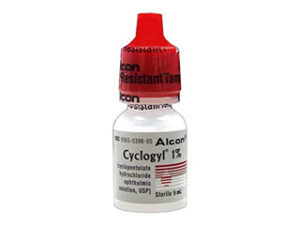
- Cyclopentolate: Another cycloplegic/dilating eye drop used in some refractive assessments.
- Phenylephrine: Often used as a pupil dilator; may be combined with other agents.
- Atropine (short- or long-acting regimens): Used in specific ophthalmic contexts (not always for routine examinations).
Your optometrist or ophthalmologist can explain why a particular medicine is chosen and what to expect based on your eye history.
Recent guidance and general best practice (Australia)
In Australia, eye examination practices commonly follow protocols to ensure adequate dilation while reducing risk. Recent clinical emphasis has included:
- Risk screening: Checking for glaucoma risk factors (e.g., narrow angles) before mydriatic/cycloplegic agents.
- Appropriate paediatric dosing: Adjusting technique and monitoring in children due to higher sensitivity.
- Patient counselling: Clear advice about not driving, sun protection, and expected temporary visual changes.
- Technique education: Using gentle instillation and nasolacrimal occlusion where suitable to reduce systemic effects.
If you have concerns about your personal risk profile, discuss them before your appointment.
Market and legal context in Australia
In Australia, eye medicines are regulated to support safe use. Availability can differ by brand, strength, and how the product is classified. Some ophthalmic medicines are used routinely in clinical settings and may have specific prescribing or supply pathways.
For online pharmacy orders, the safest approach is to ensure:
- the product is the correct one for your needs,
- the strength matches the instructions provided, and
- you receive clear counselling on timing, driving safety, and side effects.
If you are unsure whether a particular product is appropriate for you, speak with a pharmacist.
Delivery and availability
Tropicamide eye drops may be available through approved pharmacy supply channels in Australia. Availability can depend on the brand and stock levels.
- Dispatch: Orders are typically dispatched within business days (timing varies).
- Packaging: Eye medicines are usually packaged to protect the bottle/solution and provide clear labelling.
- Temperature considerations: Store the bottle as directed on the label to maintain effectiveness.
Before ordering, check the product name, strength, and expiry date. If you need help confirming the right product, contact customer support or a pharmacist.
Storage and handling
Follow the storage directions on the product label. Common guidance for eye drops includes:
- Keep the bottle tightly closed.
- Store at the recommended temperature (avoid excessive heat and direct sunlight).
- Check expiry date before use.
- Do not use if the solution looks discoloured or contaminated.
If you are using the drops for an examination and only need a short course, you may still want to keep the instructions and follow the expiry guidance. Discard any eye drops that are past expiry or that have been opened for longer than the manufacturer’s guidance (if provided).
FAQ: Tropicamide (Australia)
1) Why do I need tropicamide for an eye examination?
Tropicamide widens the pupil and temporarily affects focusing. This gives clinicians a better view of the retina and helps with accurate eye testing.
2) How long will my vision stay blurry?
Near vision blur and light sensitivity often last for several hours. Many people notice improvement within that window, but the time can vary with age and response. Plan to rest your eyes and avoid tasks that require clear close vision until your sight settles.
3) Can I drive after using tropicamide?
You may not be able to drive safely due to blurred vision and light sensitivity. It’s safest to arrange transport home and wear sunglasses if you go outside. Follow advice from your clinician or pharmacist.
4) What should I do if the light sensitivity is uncomfortable?
Use sunglasses outdoors, reduce exposure to bright light, and consider indoor lighting that is not too intense. This should lessen as the medicine wears off.
5) Can I use tropicamide with other eye drops?
Yes, but you should separate different drops by at least 5–10 minutes unless your clinician says otherwise. This helps prevent dilution and improves effectiveness.
6) Are there food or drink restrictions?
Food interactions are not usually an issue with eye drops. Alcohol isn’t known for a direct interaction, but it can worsen general coordination and vision problems, so avoid it around the time you need clear sight.
7) Is tropicamide safe for children?
It can be used in children under clinician guidance. Children may experience stronger effects or longer-lasting blur. Follow paediatric instructions carefully and seek advice if you notice unusual symptoms.
8) What are signs of a serious problem?
Get urgent medical advice if you develop severe eye pain, significant redness, sudden worsening vision, halos around lights with nausea/vomiting, or persistent severe headache.
9) What if I wear contact lenses?
You should ask a pharmacist or clinician for specific advice for your situation. Many examinations require removing contact lenses before instillation, with re-insertion after the effects settle and when told it’s safe.
10) What are common side effects?
The most common expected effects are blurred near vision and light sensitivity. Mild stinging or irritation may also occur briefly.
Summary
Tropicamide eye drops are used to temporarily dilate the pupil and relax focusing muscles, supporting eye examinations and certain diagnostic tests. The effects can cause blurred near vision and light sensitivity for several hours, so it’s wise to plan for reduced driving and close-up work immediately afterward. Most side effects are temporary, but seek urgent help if you experience severe pain, redness, or sudden vision changes.
If you’d like, share the product brand/strength you have and the reason you’re using it (e.g., examination or testing), and your pharmacist can help you understand what to expect for timing and aftercare.