

Flecainide (Antirhythmic Medicine) – Patient-Friendly Guide (Australia)
Flecainide is a medicine used to help control certain abnormal heart rhythms (arrhythmias). It belongs to a class of medicines called antiarrhythmics. This guide explains what flecainide is used for, how it works, how it behaves in the body, how to take it safely, and what to consider regarding food, alcohol, other medicines, and practical day-to-day use.
Always follow the directions provided by your healthcare professional and the product label. If you have any concerns—especially if you feel dizzy, faint, or experience new or worsening palpitations—seek medical advice promptly.
1. Basic Product Information
Active ingredient: Flecainide
Medicinal type: Antiarrhythmic (Class Ic)
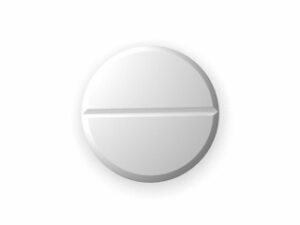
Available forms: Tablets (and in some brands, other formulations may exist depending on market availability)
Common brand names: Brand availability can vary by supplier and timeframe in Australia.
Flecainide is generally prescribed for people with specific rhythm problems where the expected benefit outweighs the risks. It requires careful selection of patients and monitoring in many cases.
2. What Flecainide Does (Mechanism of Action)
Flecainide helps restore and maintain a normal heart rhythm by affecting the heart’s electrical system. Specifically, it:
- Blocks sodium channels in heart muscle cells.
- Slows conduction of electrical impulses through the heart, which can prevent abnormal rhythm circuits (re-entrant arrhythmias).
- Does not typically act like some other antiarrhythmics that primarily focus on potassium channels or beta-blockade.
In practical terms, flecainide can reduce the frequency or intensity of certain fast irregular rhythms, particularly in selected people with certain types of atrial and supraventricular arrhythmias.
3. Pharmacokinetics (How the Body Handles Flecainide)
Pharmacokinetics describes what happens to a medicine as it is absorbed, distributed, metabolised, and eliminated. Understanding these factors helps explain dosing frequency and the importance of interactions.
Absorption
Flecainide is absorbed after oral dosing. The time to peak levels can vary between individuals.
Distribution
Flecainide distributes into body tissues, including the heart, where it exerts its effect. Blood levels can be influenced by kidney function and interacting medicines.
Metabolism and elimination
- Metabolism: Primarily metabolised by the liver.
- Elimination: Excreted via kidneys.
- In people with reduced kidney function, flecainide levels may build up more easily, increasing the risk of side effects.
Half-life (general concept)
Flecainide’s half-life is long enough that consistent dosing is important. Missing doses or changes in dosing may alter blood levels over time.
4. Typical Use and Indications
Flecainide is used for rhythm control in certain arrhythmias. The exact indication depends on your diagnosis, heart structure, underlying heart disease, and overall risk profile.
Commonly considered uses include:
- Paroxysmal (intermittent) supraventricular arrhythmias in selected patients
- Atrial arrhythmias such as atrial fibrillation/flutter in appropriate circumstances
- Some cases of re-entry rhythm problems (under cardiology guidance)
Flecainide is generally not suitable for everyone with atrial fibrillation or other arrhythmias. Suitability depends on factors such as the presence of structural heart disease and the results of ECG testing.
5. When to Take Flecainide (Timing and Dosing Routine)
Flecainide is usually taken at regular intervals to maintain effective blood levels. Your exact schedule will depend on the formulation and your clinical plan.
General timing tips
- Take your dose at the same times each day to help maintain steady levels.
- Use a daily reminder if you’re prone to forgetting medicines.
- If you miss a dose, follow the guidance on your medicine information leaflet or ask your pharmacist for advice. In general, do not take extra doses to “catch up” without medical guidance.
6. Food Interactions
Many people can take flecainide with or without food. However, it’s still wise to be consistent with how you take it. If your product instructions or your clinician have advised a specific approach (with meals or at a particular time), follow that.
What to watch
- Consistency matters: Try to take flecainide the same way each day (for example, always with meals or always on an empty stomach) unless advised otherwise.
- Grapefruit and certain foods: Some foods and drinks can affect drug-metabolising enzymes. While flecainide-specific food effects are not usually as prominent as with some other drugs, it’s still prudent to avoid large changes in diet and discuss supplements with your pharmacist.
If you’re unsure, ask your pharmacist whether your brand and schedule have any specific food instructions.
7. Alcohol and Medicine Interactions
Alcohol can affect your heart rate, blood pressure, and overall cardiovascular stability. With arrhythmia treatment, this may make symptoms harder to predict.
Practical advice
- If you choose to drink alcohol, do so in moderation and be alert for palpitations, dizziness, or faintness.
- Avoid binge drinking, especially if you notice alcohol triggers for your arrhythmia.
- If you take other medicines that affect heart rhythm, blood pressure, or the nervous system, the combined effect may be stronger.
Seek advice urgently if
- you feel faint or near-faint
- you have chest pain, severe shortness of breath, or worsening palpitations
- you develop severe dizziness or confusion
These symptoms can sometimes reflect a rhythm disturbance requiring prompt attention.
8. Other Medicine Interactions (Important Safety Topic)
Flecainide can interact with other medicines because many are metabolised or cleared in ways that can change flecainide levels. Interactions may raise risk of abnormal heart rhythms, slow heart rate, or conduction problems.
Always provide your pharmacist with a full list of medicines, including:
- prescribed medicines
- pharmacy medicines and supplements
- herbal products
- over-the-counter cold or cough medicines
Medication groups that may be relevant
| Medicine/Group | Why it matters | What to do |
|---|---|---|
| Other antiarrhythmics | May add to effects on heart conduction/rhythm | Cardiology review may be needed; do not combine unless advised |
| Medicines that affect heart rate or conduction | Higher risk of slow heart rate or block | Monitor ECG as directed and report symptoms promptly |
| Certain drugs that influence liver enzymes | May increase flecainide blood concentration | Ask your pharmacist whether any of your medicines could raise levels |
| Medicines that affect potassium and magnesium | Low potassium/magnesium can increase arrhythmia risk | Follow lab monitoring advice; report muscle cramps or weakness |
| Some antibiotics and antifungals | Can alter metabolism of flecainide | Tell your prescriber/pharmacist if starting or stopping these |
This is not a complete list. Your pharmacist can check interactions specific to your brand and other medicines.
9. Dosing: How Much and How Often?
Dosing of flecainide is individualised. It depends on the arrhythmia type, ECG findings, age, kidney/liver function, and interacting medicines. Your clinician will determine the most appropriate dose and monitoring schedule.
General dosing principles
- Start carefully: Flecainide often requires ECG assessment and careful titration in some settings.
- Do not self-adjust: Changing the dose without advice can increase the risk of rhythm complications.
- Kidney and liver considerations: Reduced organ function may require lower doses and closer monitoring.
- Watch for symptoms: Any new dizziness, faintness, or worsening palpitations should be taken seriously.
Practical dosing caution
If you have been instructed to begin treatment, ask your healthcare professional what monitoring is planned (for example, ECG checks) and when to seek help.
Note: Exact numeric dosing schedules should be confirmed with the product label and your clinician’s plan.
10. Safety Profile and Side Effects
Like all medicines, flecainide can cause side effects. Many people experience none or only mild effects, but some adverse reactions may be serious—particularly those affecting heart rhythm.
Common or mild side effects may include
- dizziness
- blurred vision or visual disturbances
- headache
- fatigue
- nausea
Serious side effects – seek urgent help if
- you faint, feel you might faint, or have severe dizziness
- your heart rhythm becomes much faster, irregular, or feels “out of control”
- you experience chest pain, severe shortness of breath, or signs of stroke (face drooping, arm weakness, speech trouble)
- you develop symptoms of heart block (for example, marked weakness with slow pulse)
These symptoms can sometimes indicate a rhythm problem requiring immediate assessment.
Who needs extra caution?
- people with structural heart disease or prior heart muscle problems
- those with significant conduction abnormalities on ECG
- people with impaired kidney function
- people taking multiple medicines that can interact
Your prescriber should evaluate suitability and risk before starting and may recommend periodic ECG and blood tests.
11. Practical Use Tips (Getting the Best Results Safely)
Before starting
- Ask whether you need baseline ECG monitoring.
- Tell your clinician if you have had previous fainting episodes, heart block, or major heart disease.
- Confirm which medicines you should avoid or adjust.
During treatment
- Track symptoms: Note palpitations frequency, triggers (alcohol, stress, sleep loss), and any dizziness or shortness of breath.
- Don’t stop suddenly: Stopping flecainide can potentially allow the rhythm problem to return. Always seek advice before changes.
- Attend follow-ups: Regular reviews and ECGs (if advised) help keep treatment safe.
- Stay hydrated: Dehydration can worsen some rhythm issues and contribute to dizziness.
If you miss a dose
Follow the guidance provided with your specific product. If unsure, contact your pharmacist. In general, do not double up without advice.
12. Alternative Options (Discuss With Your Cardiology Team)
There are different strategies for rhythm control and rate control depending on the type of arrhythmia and your health. Alternatives may include medicines and non-medicine treatments.
Possible alternative medication approaches
- Other antiarrhythmics (chosen based on your diagnosis and heart condition)
- Rate control medicines (help control how fast the heart beats rather than restoring rhythm)
- Stroke risk reduction measures in some atrial fibrillation patients (if appropriate)
Non-medicine options
- Cardioversion (procedure to restore rhythm in some cases)
- Catheter ablation (a procedure to treat certain rhythm circuits)
- Lifestyle and trigger management (sleep, stress, alcohol moderation, and managing thyroid or electrolyte issues)
Your cardiology team will weigh benefits and risks of each option. If flecainide isn’t suitable or doesn’t control symptoms, other choices may be considered.
13. Flecainide in Australia: Market and Legal/Regulatory Context
In Australia, medicines are regulated under national systems that classify medicines based on safety and prescription requirements. Flecainide is typically classified as a medicine that requires appropriate clinical oversight due to its ability to affect heart rhythm.
The availability of brands, pack sizes, and formulation types can vary. Online pharmacy services may provide information about availability and typical delivery timeframes.
Why clinical oversight matters
- antiarrhythmic medicines require careful selection of patients
- ECG monitoring may be necessary
- interactions can affect drug levels and safety
14. Recent Guidance and Monitoring Considerations
Clinical guidance for arrhythmia management evolves over time, and your healthcare professional may follow updated cardiology recommendations and local protocols. While the underlying pharmacology of flecainide remains consistent, monitoring practices (such as ECG timing, lab checks, and interaction screening) may be refined as evidence changes.
To stay current:
- attend follow-up appointments and any ECG/lab monitoring plans
- ask your pharmacist to review medication interactions, especially when you start or stop antibiotics, antifungals, or heart medicines
- report side effects promptly rather than waiting for the next visit
15. Delivery and Availability (Online Pharmacy Information)
Availability of flecainide products may depend on supply chains and specific brands/formulations. When ordering online, you can typically choose a delivery option based on your location.
What to expect
- Order processing: Orders are usually processed during business hours.
- Delivery times: Delivery timeframes vary by state and courier service; check the website’s delivery estimate.
- Packaging: Medicines are typically dispatched in protective packaging to prevent damage.
- Stock updates: Some items may be temporarily unavailable; substitutions are typically not offered without appropriate consent or suitability checks.
If you need an urgent supply, contact customer service to confirm the most reliable option.
16. Frequently Asked Questions (FAQ)
How does flecainide help with abnormal heart rhythms?
Flecainide slows electrical conduction in the heart by blocking sodium channels. In suitable arrhythmias, this can reduce abnormal rhythm episodes and help maintain a more stable rhythm.
Can I take flecainide with food?
In many cases, flecainide can be taken with or without food. It’s best to follow the directions on your medicine information leaflet and be consistent with how you take it day to day.
What alcohol should I avoid while taking flecainide?
There’s no single “safe” amount for everyone. Alcohol can trigger palpitations and affect blood pressure. If you drink, do so in moderation and stop if you notice symptoms such as dizziness or worsening palpitations. Discuss with your clinician if you’re unsure.
Is flecainide safe for everyone with atrial fibrillation?
Not necessarily. Suitability depends on factors such as heart structure, ECG findings, and other health conditions. Your cardiology team will determine whether flecainide is appropriate for your specific diagnosis.
What should I do if I feel dizzy or my pulse feels very slow?
If you feel faint, very unwell, or have severe dizziness, seek urgent medical attention. Otherwise, contact your healthcare provider promptly for advice. Don’t change or stop flecainide without guidance.
Can flecainide interact with other medicines?
Yes. Flecainide may interact with other drugs—especially those that affect heart rhythm, drug metabolism, or electrolyte balance. Provide your pharmacist with a complete medication list, including supplements and over-the-counter products.
What if I miss a dose?
Follow the instructions included with your medicine. If you’re unsure, ask your pharmacist. In general, avoid doubling up without advice.
Do I need monitoring while taking flecainide?
Many people require monitoring such as ECG checks and sometimes blood tests, particularly during initiation or after dose changes. The exact schedule depends on your individual situation.
What are safer “alarm symptoms” to watch for?
Get urgent help if you have fainting, chest pain, severe shortness of breath, neurological symptoms (stroke-like signs), or a major change in your heartbeat pattern that worries you.
17. Summary
Flecainide is an antiarrhythmic medicine used to manage specific abnormal heart rhythms in selected patients. It works by slowing electrical conduction in the heart. Because it can affect heart rhythm and interacts with other medicines, careful dosing, monitoring, and awareness of symptoms are essential.
If you have questions about taking flecainide, interactions with your current medicines, or what symptoms to watch for, speak with your pharmacist or healthcare professional.