Terramycin (Oxytetracycline) — Patient-Friendly Guide
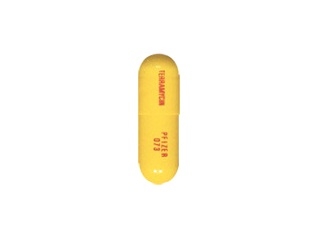
Terramycin is a brand of oxytetracycline, an antibiotic from the tetracycline group. It has been used for decades to treat certain bacterial infections in humans (and in some settings, depending on local regulations, animals). This guide explains what Terramycin is, how it works, how it behaves in the body, typical uses, important timing and food interactions, safety considerations, and practical tips for using it safely.
Basic product information
| Item | Details |
|---|---|
| Medicine | Terramycin |
| Active ingredient | Oxytetracycline |
| Medicine type | Antibiotic (tetracycline class) |
| Common forms | Capsules or tablets (form depends on local availability). Eye/skin formulations may exist in other product forms. |
| Key importance | Works against susceptible bacteria; not effective for viral infections. |
| How it’s taken | Oral dosing schedules vary by condition; timing and interaction avoidance are important. |
Important: Brand availability and exact presentation (tablet/capsule strength, and any alternative formulations) can vary by market and manufacturer. Always check the specific package instructions and strength for your product.
Mechanism of action: how Terramycin treats infections
Oxytetracycline works by inhibiting bacterial protein synthesis. More specifically, it binds to the bacterial 30S ribosomal subunit, blocking the attachment of transfer RNA (tRNA) to the ribosome. Without proper protein production, bacteria cannot grow and multiply effectively.
The effect is generally described as bacteriostatic (it stops or slows bacterial growth), though the overall outcome depends on the infection site, bacterial susceptibility, and the immune response.
- Targets: susceptible bacteria
- Not for: viral illnesses such as common colds and influenza
- Best results: correct dosing, correct duration, and avoiding absorption-interfering substances
Pharmacokinetics: how oxytetracycline behaves in the body
Understanding pharmacokinetics can help explain why timing and food interactions matter with tetracyclines like oxytetracycline.
Absorption
Oxytetracycline can be absorbed through the gastrointestinal tract, but absorption may be reduced by: multivalent cations such as calcium, magnesium, aluminium, and iron. This is why taking it with dairy products, antacids, and supplements that contain these minerals can lower effectiveness.
Distribution
Tetracyclines distribute into many body tissues and fluids. They may concentrate in certain tissues and can bind to tissues with high mineral content. This is one reason they require extra caution during childhood and pregnancy.
Metabolism
Oxytetracycline has limited metabolism. Much of the activity relates to the parent drug.
Elimination
The drug is primarily eliminated via the kidneys (urinary excretion), though some elimination may occur through other routes. Kidney function may therefore affect drug levels.
Why this matters: If doses are missed or if absorption is reduced by food or mineral-containing products, the antibiotic level may be too low to work effectively.
Typical use and indications
Oxytetracycline may be used for infections caused by susceptible bacteria, depending on the condition and local treatment recommendations. Indications can differ between products and settings, and susceptibility varies by region and over time.
Common types of infections
In general, tetracyclines have historically been used for susceptible organisms such as:
- Some respiratory tract infections
- Some skin and soft tissue infections
- Some genitourinary infections (where appropriate and susceptible)
- Some infections caused by certain bacteria where oxytetracycline is considered suitable
Note on acne: Other tetracyclines (e.g., doxycycline) are more commonly used for acne in many settings. Oxytetracycline may not be the first choice for acne management depending on guidelines and availability.
When antibiotics may not help
- If symptoms are due to a virus, antibiotics do not work.
- If the bacteria causing the infection are resistant to oxytetracycline, it may not work.
- If dosing is inconsistent or absorption is reduced, effectiveness may be reduced.
Dosing overview and timing
Dosing depends on the specific condition, the severity of infection, and patient factors such as kidney function and age. Always follow the written instructions provided with your specific product and the advice from a qualified healthcare professional.
General dosing principles for tetracyclines
- Take at evenly spaced times to maintain effective levels.
- Finish the course even if you feel better (unless told otherwise).
- Use the full dose you were instructed—do not double up if you miss a dose without advice.
- Stay upright after taking oral tablets/capsules (see safety tips below).
Timing with meals
Oxytetracycline can be affected by food and minerals. Many patients are advised to take it with water and avoid taking it with dairy products or mineral supplements close to the dose.
Missed dose
If you miss a dose, take it as soon as you remember. If it is close to the next dose, skip the missed dose and continue on schedule. Avoid taking extra doses to compensate unless instructed.
Practical note: Because tetracyclines interact with many common products, creating a consistent routine (e.g., taking a dose on waking and another mid/late afternoon) can help reduce missed doses.
Food interactions: what to avoid and what to choose
The absorption of oxytetracycline may be reduced by substances that contain multivalent cations. This can lower antibiotic effectiveness.
Avoid taking close to your dose
- Dairy products (milk, yoghurt, cheese) due to calcium
- Antacids containing aluminium or magnesium
- Iron supplements and multivitamins containing iron
- Calcium supplements
- Magnesium supplements
- Some laxatives or products that contain mineral salts
How much time to separate?
A common recommendation is to take oxytetracycline at least 2 hours before or 4–6 hours after mineral-containing products (this can vary). For the best approach, check your pack instructions and pharmacist advice.
What can you eat?
- Plain foods without high mineral supplements are generally easier to manage.
- Keep your diet consistent during treatment so any absorption effect is predictable.
If you’re unsure whether a specific food or supplement contains minerals that may interfere, ask a pharmacist.
Alcohol and medicine interactions
Alcohol
Moderate alcohol use may not directly “cancel” oxytetracycline, but it can increase the risk of side effects such as stomach upset, dizziness, or worsening dehydration. Alcohol may also affect adherence—missing doses can reduce treatment effectiveness.
- Best practice: limit or avoid alcohol during the course of treatment.
- Seek advice: if you have liver disease, heavy alcohol use, or experience concerning symptoms.
Common medicine interactions
Some medicines can reduce oxytetracycline absorption or increase the risk of side effects. Not all interactions are shown here—always check with a pharmacist for your specific medicine list.
Medicines that may reduce effectiveness
- Antacids containing aluminium or magnesium
- Iron, calcium, magnesium supplements
- Multivitamins containing minerals
- Some bile acid–binding resins (may bind tetracyclines)
Medicines that may alter risk or effects
- Oral retinoids (e.g., isotretinoin): increased risk of certain rare adverse effects
- Warfarin or other blood thinners: antibiotics can affect gut bacteria and may influence warfarin effect (monitoring may be required)
- Diuretics and kidney-affecting medicines: caution may be needed, especially if kidney function is reduced
- Other antibiotics or antimicrobial combinations: may increase risk of side effects or be unnecessary depending on infection
Tip: Keep a list of all medicines and supplements you take (including vitamins and over-the-counter antacids) and review it with a pharmacist before starting oxytetracycline.
Safety profile: common side effects and important warnings
Like all antibiotics, Terramycin (oxytetracycline) can cause side effects. Many are mild and manageable, but some require urgent medical attention.
Common side effects
- Nausea
- Stomach upset or cramps
- Diarrhoea
- Headache
- Skin rash (varies in severity)
- Teeth staining risk in children exposed during tooth development
Serious but less common warnings
- Severe or persistent diarrhoea (especially if watery or bloody) — could indicate antibiotic-associated colitis. Seek urgent medical advice.
- Allergic reactions such as swelling of the face/lips, difficulty breathing, or widespread hives. This is an emergency.
- Severe sun sensitivity (photosensitivity) — skin may burn more easily under sunlight.
- Oesophageal irritation — tetracyclines can cause oesophagitis if tablets/capsules lodge in the throat.
- Changes in blood tests — may occur with long or higher-dose treatment (monitoring may be considered by clinicians).
Special populations
- Pregnancy: Tetracyclines are generally avoided in pregnancy due to potential effects on foetal development and bones/teeth.
- Breastfeeding: Tetracyclines may be avoided; discuss options with a healthcare professional.
- Children: Oxytetracycline is generally not recommended for children where tooth development may be affected, unless specifically advised.
- Kidney impairment: Because elimination involves the kidneys, dose adjustment may be considered.
- Existing liver disease: Additional caution may be needed.
Oesophageal irritation: how to prevent it
To reduce the risk of throat/oesophagus irritation:
- Take the tablet/capsule with a full glass of water.
- Do not lie down immediately after taking it—stay upright for at least 30 minutes.
- If you experience pain or difficulty swallowing, seek medical advice promptly.
Seek urgent help if you develop signs of anaphylaxis (trouble breathing, swelling), severe skin reactions, or severe diarrhoea.
Practical use tips for getting the best results
- Use a consistent routine: taking doses at similar times each day helps you maintain effective levels.
- Separate minerals: keep dairy, antacids, and mineral supplements away from your oxytetracycline dose.
- Hydrate well: drink water regularly, especially if you have stomach upset.
- Protect from sun: consider sunscreen and protective clothing if you get easily sunburnt.
- Track side effects: if diarrhoea or rash begins, monitor and contact a healthcare professional if symptoms are significant.
- Don’t skip doses: stopping early may allow infection to return.
What to do if you miss a dose
Refer to the package instructions. In general, take it when you remember unless it’s close to the next dose. Do not double up.
Driving and machinery
Oxytetracycline may cause headache or dizziness in some people. If you feel unwell or dizzy, avoid driving or operating machinery.
Alternative options
The best alternative depends on the infection being treated, local resistance patterns, and your personal health history. Antibiotic selection is often guided by susceptibility testing where available.
Antibiotic alternatives in the same general “class”
- Doxycycline (tetracycline-class; often preferred in some infections for dosing convenience)
- Minocycline (tetracycline-class; used for certain infections and sometimes acne)
Other antibiotic classes
For different infections, clinicians may choose antibiotics from other groups such as penicillins, cephalosporins, macrolides, or others. The choice depends on the type of bacteria and your allergy history.
If you’re changing from oxytetracycline due to side effects or lack of response, it’s important to seek advice rather than switching on your own.
Australia: market and legal context
In Australia, availability and classification of medicines can vary depending on product type, strength, formulation, and intended use. Antibiotics are regulated and supply may be restricted to ensure safe use. Online pharmacy listings typically include information on how to order, expected delivery, and any required checks based on local requirements.
As antibiotic resistance is an ongoing concern, Australian healthcare systems encourage responsible antibiotic stewardship. This means:
- Using antibiotics only when they are likely to help
- Choosing the right antibiotic for the bacteria involved
- Using the right dose and duration
- Not using leftover antibiotics
Requirements for supply can differ between product formulations and may include patient eligibility checks. Always follow the ordering and information prompts provided during purchase.
Recent guidance: responsible antibiotic use
Across Australia and internationally, guidance emphasises reducing unnecessary antibiotic exposure. Tetracyclines like oxytetracycline should only be used when appropriate for the suspected or confirmed infection type. Clinicians may recommend alternative approaches such as symptom management, watchful waiting, or testing, depending on the presentation.
Practical stewardship reminders
- Do not use for viral illness (antibiotics won’t help colds or flu).
- Complete the course as instructed to reduce relapse and resistance risk.
- Seek review if not improving within a clinically expected timeframe.
- Avoid reusing leftover antibiotics for a new illness.
Delivery and availability (Australia)
Availability of Terramycin (oxytetracycline) may vary depending on stock levels and supplier arrangements. Online pharmacies typically provide:
- Delivery options: standard and express shipping may be offered depending on your location.
- Packaging: medicines are dispatched in secure, appropriate packaging.
- Tracking: tracking details may be provided once your order is dispatched.
- Timing: delivery time depends on order processing and courier schedules.
When you place an order, check the expected delivery window shown on the product page and at checkout. If the product is temporarily out of stock, the website may offer alternatives or restock notifications.
FAQ
Is Terramycin the same as oxytetracycline?
Yes. Terramycin is a brand name that contains the antibiotic oxytetracycline. Always verify the active ingredient and strength shown on the pack.
What is oxytetracycline used for?
It is used for certain infections caused by bacteria that are susceptible to oxytetracycline. The exact indication depends on the infection type and treatment recommendations.
Can I take Terramycin with dairy?
It’s generally best to avoid dairy close to your dose because calcium can reduce absorption. Consider separating your antibiotic dose from dairy by several hours (follow your pack/pharmacist advice).
Can I take it with vitamins or mineral supplements?
Mineral-containing supplements (iron, calcium, magnesium) can interfere with absorption. Use separation timing and check labels. Ask a pharmacist if you’re unsure.
How long does it take to start working?
Many people notice some improvement within a couple of days, but this depends on the infection severity, the bacteria involved, and whether the medicine is absorbed well. If you are not improving as expected, seek advice promptly.
What should I do if I miss a dose?
Take it when you remember unless it’s near the next scheduled dose. Do not double up. Follow the instructions on the pack or your pharmacist’s guidance.
What side effects should I watch for?
Common effects include nausea, stomach upset, and diarrhoea. Seek medical help urgently if you develop severe diarrhoea, signs of allergy (rash with swelling or breathing difficulty), severe skin reactions, or persistent vomiting.
Is it safe to drink alcohol while taking Terramycin?
It’s generally advisable to limit or avoid alcohol to reduce side effects and support adherence. If you have liver disease or experience significant symptoms, speak with a pharmacist or clinician.
Can I take antacids with Terramycin?
Some antacids can interfere with absorption. If using an antacid, separate it from your oxytetracycline dose and check the product instructions for timing. Ask a pharmacist for a personalised schedule.
Who should be extra cautious?
Children, pregnant or breastfeeding individuals, and people with kidney or liver problems may require extra caution or alternative treatment. Always consult relevant guidance and seek professional advice if you fall into these groups.
Are there alternatives if Terramycin doesn’t suit me?
Yes. Depending on the infection, other tetracyclines or antibiotics from different classes may be used. Discuss options with a healthcare professional if treatment needs to change.