
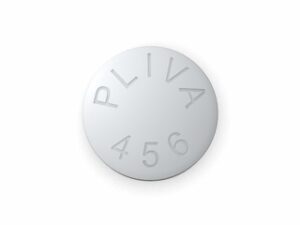

Etodolac (Non-steroidal anti-inflammatory medicine) – Patient Guide (Australia)
Etodolac is a medicine in the non-steroidal anti-inflammatory drug (NSAID) family. It is used to help reduce pain, inflammation and stiffness, commonly in conditions such as arthritis. This guide explains how etodolac works, how it behaves in the body, how to take it safely, and what to consider regarding food, alcohol, and other medicines.
Note: Brand names, tablet strengths and exact instructions can vary. Always follow the instructions on the product label or supplied medication information.
Basic product information
| Category | Details |
|---|---|
| Medicine type | NSAID (anti-inflammatory pain relief) |
| Active ingredient | Etodolac |
| Common formulations | Tablets (various strengths; immediate or extended-release depending on brand) |
| Typical uses | Arthritis-related pain and inflammation, and some acute pain states as advised |
| How it helps | Reduces inflammation and pain by lowering certain prostaglandins |
How etodolac works (mechanism of action)
Etodolac works mainly by inhibiting cyclo-oxygenase (COX) enzymes—particularly COX-1 and COX-2. These enzymes help produce prostaglandins, natural chemicals in the body that contribute to:
- Inflammation and swelling
- Pain sensitivity
- Fever (NSAIDs can reduce fever in general, although etodolac is used primarily for pain/inflammation)
- Protection of the stomach lining and regulation of blood flow to the kidneys
By reducing prostaglandin formation, etodolac can lessen pain, stiffness, and swelling—especially in chronic inflammatory conditions such as arthritis.
Pharmacokinetics: what happens in the body
Pharmacokinetics describes how a medicine is absorbed, distributed, metabolised, and eliminated.
- Absorption: Etodolac is absorbed after oral administration. Taking it with food may affect the speed of absorption, but does not necessarily reduce overall exposure.
- Distribution: It distributes into body tissues where anti-inflammatory effects are needed, including inflamed joints.
- Metabolism: The liver metabolises etodolac into inactive or less active forms.
- Elimination: The medicine (and its metabolites) are eliminated mainly via the kidneys and through metabolic pathways. Kidney function can influence safe use.
- Half-life: The duration of effect depends on the formulation (immediate vs extended-release) and an individual’s metabolism and kidney/liver function.
Practical meaning for you: Many people find etodolac works over several hours, but the exact dosing interval depends on the product type and strength. If you take an extended-release version, it is designed to release more slowly to support longer symptom control.
Typical uses (indications)
In Australia, etodolac is commonly used for conditions where inflammation and pain are prominent. Indications may vary depending on product registration and local medical advice. Typical uses include:
- Osteoarthritis (pain and stiffness in joints)
- Rheumatoid arthritis (inflammatory joint disease)
- Other inflammatory arthropathies where an NSAID is appropriate
Your treating clinician or pharmacist may also recommend it for other painful inflammatory conditions where NSAID treatment is suitable. Always use it for the specific reason it was recommended to you.
Who should be cautious or avoid etodolac
Etodolac may not be suitable for everyone. Seek personalised advice if you have any of the following:
- History of stomach ulcers, gastrointestinal bleeding, or perforation
- NSAID allergy (including aspirin or other COX inhibitors) or asthma triggered by NSAIDs
- Significant kidney disease or reduced kidney function
- Serious liver disease
- Uncontrolled high blood pressure or significant heart disease
- History of cardiovascular events where NSAID risk is a concern
- Pregnancy (especially later pregnancy—NSAIDs can be harmful in the third trimester)
- Breastfeeding (ask a clinician/pharmacist for guidance)
Urgent warning signs: Stop use and seek urgent medical help if you experience severe stomach pain, vomiting blood, black/tarry stools, sudden weakness on one side, chest pain, shortness of breath, or signs of an allergic reaction (e.g., facial swelling, wheezing, rash).
Dosing and timing (how to take etodolac)
Dosing depends on the specific product and your symptoms. Always follow the instruction on the label and any provided medication information.
General dosing principles
- Use the lowest effective dose for the shortest time that controls your symptoms.
- Take at the same times each day to maintain consistent symptom control.
- If you are using an extended-release formulation, do not crush or split unless the product instructions specifically allow it.
- Do not take extra doses to “catch up” if one is missed—follow label guidance.
Typical timing options
Many people take etodolac as:
- Once or twice daily (depending on immediate-release vs extended-release formulation and clinician/pharmacist directions)
Example schedules (illustrative only):
- Immediate-release products may be prescribed more than once per day.
- Extended-release products are often taken once daily to maintain longer symptom coverage.
Tip: If morning stiffness is a problem, taking your dose in the morning may help. If pain worsens later in the day, an evening dose may be more effective—confirm the best timing with your pharmacist, especially if you’re using multiple medicines.
Food interactions and what to eat
Food can influence how quickly etodolac works and how it affects your stomach.
- Taking with food (or after meals) may reduce stomach irritation.
- Taking on an empty stomach may lead to faster onset for some people, but can increase gastrointestinal discomfort for others.
Best practice for many patients: Take etodolac with a meal or soon after food, especially if you’ve had stomach sensitivity with NSAIDs.
Hydration matters: Drinking adequate water supports kidney health, particularly when using NSAIDs, especially in older adults or those taking diuretics.
Alcohol and medicine interactions
Alcohol
Combining NSAIDs like etodolac with alcohol can increase the risk of stomach irritation and gastrointestinal bleeding. It may also worsen dizziness or drowsiness in some people.
- If you choose to drink, consider limiting alcohol and avoiding heavy drinking.
- Avoid alcohol if you have any history of ulcers or GI bleeding.
Common medicine interactions
It’s important to check for interactions with other medicines and supplements. Many interactions relate to stomach bleeding risk, kidney function, or blood pressure control.
Tell your pharmacist/doctor if you use any of the following:
- Other NSAIDs (e.g., ibuprofen, naproxen, diclofenac) — increases GI and kidney risk
- Aspirin (unless specifically advised by a clinician)
- Blood thinners such as warfarin or other anticoagulants — higher bleeding risk
- Antiplatelet medicines such as clopidogrel
- Corticosteroids (e.g., prednisone) — increased risk of stomach ulcer/bleeding
- SSRIs/SNRIs (some antidepressants) — increased bleeding tendency
- ACE inhibitors (e.g., enalapril) and ARBs (e.g., losartan) — combined effects can stress kidneys
- Diuretics (e.g., hydrochlorothiazide, furosemide) — may increase kidney risk when paired with NSAIDs
- Lithium — NSAIDs can increase lithium levels
- Methotrexate — NSAIDs may increase methotrexate toxicity
- Digoxin — levels can be affected in some cases
- Selective COX-2 inhibitors — generally avoid using together
Supplements to mention: Some supplements (for example, high-dose fish oil, vitamin E, or herbal products that affect bleeding) may increase bleeding risk. Always disclose supplements.
Indications vs “symptom relief”: what to expect
Etodolac is intended to treat conditions with inflammation. It may:
- Reduce joint pain and swelling
- Improve mobility and stiffness
- Support daily function in arthritis
It does not “cure” arthritis. If you have chronic inflammatory disease, your overall treatment plan may include other medicines (such as disease-modifying therapies) that target the underlying condition. NSAIDs like etodolac generally provide symptomatic relief.
Safety profile: common side effects and serious risks
Like other NSAIDs, etodolac can cause side effects. Many are mild, but some are serious. Use caution and monitor how you feel.
Common (often mild) side effects
- Indigestion, stomach discomfort, nausea
- Heartburn
- Mild dizziness or headache
- Fluid retention (swelling of hands/feet in some people)
Less common but important
- Increased blood pressure
- Changes in kidney function (more likely in dehydration or with certain medicines)
- Elevated liver enzymes
Seek urgent help if you develop
- Signs of bleeding: vomiting blood, black/tarry stools, unusual bruising
- Severe allergic reaction: facial swelling, trouble breathing, widespread rash
- Serious skin reactions: blistering or peeling skin
- Chest pain, sudden shortness of breath, or weakness on one side
- Severe abdominal pain or fainting
Risk-reduction tips
- Do not combine with other NSAIDs.
- Take with food if you have stomach sensitivity.
- Check the rest of your medication list for hidden NSAIDs (some cold/flu products contain pain relievers).
- Stay hydrated and avoid dehydration (especially during hot weather or with vomiting/diarrhoea).
- Use the lowest effective dose.
Practical use tips for everyday life
When to take it
- Choose a routine time that fits your day and helps with consistent symptom control.
- If you’re using extended-release, do not take it more frequently than intended.
How to take tablets safely
- Swallow with water.
- Follow any instructions about splitting/crushing based on the specific product.
- Keep tablets in their original packaging to protect from moisture and light.
Monitoring
- If you use etodolac for more than a short course, discuss monitoring with your pharmacist or clinician—especially if you have kidney risk factors or cardiovascular risk.
- Watch for stomach symptoms (new pain, persistent indigestion, black stools) and report them promptly.
Missed dose
If you forget a dose, take it when you remember unless it is close to the next scheduled dose. Do not double up. Refer to your product’s consumer medicines information or ask a pharmacist.
Alternative options
If etodolac is not suitable or isn’t effective enough, there are other approaches. Alternatives depend on your diagnosis, other medical conditions, and risk factors.
Other medicines (NSAID options)
- Other NSAIDs such as ibuprofen, naproxen, or diclofenac (oral or topical forms depending on condition)
- COX-2 selective inhibitors may be considered in some circumstances (depending on local guidance and availability)
Non-NSAID pain and inflammation options
- Paracetamol (acetaminophen) for pain relief (not anti-inflammatory in the same way as NSAIDs)
- Topical NSAIDs (such as gels) for localized joint pain, which may reduce stomach side effects for some people
- For some conditions: targeted therapies recommended by your clinician for underlying disease
Non-medicine options
- Physiotherapy and exercise programs
- Heat/cold therapy
- Weight management and joint-support strategies
- Splinting or assistive devices for certain conditions
Important: Do not switch between NSAIDs on your own without advice. Using two NSAIDs at the same time generally increases risk.
Market and legal context for Australia
In Australia, availability and prescribing requirements depend on the specific product, strength, and regulatory classification. Medicines information and supply practices are designed to help ensure correct use, appropriate screening for contraindications, and safe counselling.
When purchasing medicines online, reputable Australian pharmacy sites follow regulatory expectations for:
- Customer safety checks (including medicine history and interactions)
- Providing accurate, up-to-date consumer medicines information
- Ensuring correct identity and integrity of the product
- Clear delivery terms, tracking, and customer support
Always check product details on the website for the exact strength and formulation being supplied, as instructions may differ.
Recent guidance and best-practice considerations
Regulatory and clinical guidance across countries consistently emphasises that NSAIDs (including etodolac) can increase risk of:
- Gastrointestinal bleeding and ulceration
- Kidney problems (especially with dehydration or in older adults)
- Cardiovascular events in some people
Best-practice recommendations commonly include:
- Use the lowest effective dose for the shortest duration
- Avoid combining with other NSAIDs
- Assess risk factors (stomach, kidney, cardiovascular) before longer-term use
- Consider gastro-protection strategies in higher-risk patients, if recommended
Your pharmacist can help you review risk factors and identify safer options if needed.
Delivery and availability (online pharmacy in Australia)
Etodolac availability may vary by strength and formulation. When ordering online in Australia, a pharmacy typically provides:
- Product pages showing active ingredient, strength, dosage form and pack size
- Estimated delivery times based on location
- Tracking and dispatch updates (where available)
- Packaging that protects medicines during transit
Delivery tips:
- Ensure your contact details are correct for delivery updates.
- If you need to receive temperature-sensitive items (less common for tablets), follow the pharmacy’s storage and delivery instructions.
- If you live in a remote area, check delivery timelines early.
If your order is delayed or unavailable, a reliable pharmacy should contact you with options or alternatives.
Frequently Asked Questions (FAQ)
1) What is etodolac used for?
Etodolac is an NSAID used to reduce pain, inflammation and stiffness—most commonly in arthritis-related conditions such as osteoarthritis and rheumatoid arthritis.
2) How quickly does etodolac work?
Many people notice symptom relief within the first day. The exact timing depends on the formulation (immediate vs extended-release), whether it’s taken with food, and your individual response.
3) Can I take etodolac with food?
Yes. Taking it with a meal or soon after food can reduce stomach irritation for many people. If you find it upsets your stomach, food is usually a good first adjustment (unless your product instructions advise otherwise).
4) Can I take paracetamol (acetaminophen) with etodolac?
In general, paracetamol is often used alongside NSAIDs for additional pain relief. However, it’s important to confirm safe combinations for your situation and to avoid exceeding daily maximum paracetamol doses (from all sources).
5) Is it safe to drink alcohol while taking etodolac?
Alcohol can increase the risk of stomach irritation and bleeding when combined with NSAIDs. If you drink, consider keeping it minimal and avoid alcohol entirely if you have a history of ulcers or GI bleeding.
6) What should I avoid while taking etodolac?
- Avoid combining with other NSAIDs (including ibuprofen, naproxen, or diclofenac).
- Avoid “double dosing” or taking extra tablets.
- Be cautious with blood thinners, corticosteroids, and certain antidepressants—ask a pharmacist about interaction risk.
7) What are the warning signs of a serious side effect?
Seek urgent help for signs of gastrointestinal bleeding (black/tarry stools, vomiting blood), severe allergic reactions (swelling, wheezing, widespread rash), severe abdominal pain, or signs of cardiovascular problems (chest pain, sudden breathlessness, weakness on one side).
8) Should I take etodolac if I have kidney problems?
Caution is required. NSAIDs can affect kidney function, especially in people with existing kidney disease, dehydration, or when used with certain medicines. Discuss with your pharmacist or clinician before starting or continuing.
9) Can etodolac be used during pregnancy?
NSAIDs—including etodolac—are generally not recommended in later pregnancy. If you are pregnant, planning pregnancy, or breastfeeding, seek personalised advice early.
10) What if I miss a dose?
Take it when you remember unless it’s close to the next dose. Do not double up. Check the product instructions or ask a pharmacist if you’re unsure.
11) Are there alternatives if etodolac doesn’t suit me?
Yes. Alternatives may include other NSAIDs (or topical NSAIDs), paracetamol, and non-drug approaches such as physiotherapy and lifestyle measures. The best option depends on your condition and risk profile.
When to talk to a pharmacist
Contact a pharmacist for advice if:
- You’re starting etodolac for the first time
- You have a history of ulcers, bleeding, kidney disease, heart disease, or high blood pressure
- You take medicines that increase bleeding risk or affect kidneys
- Your symptoms worsen or you experience any concerning side effects
For safe use: Keep a written list of all your medicines and supplements and bring it (or share it online) when speaking with a pharmacist.