
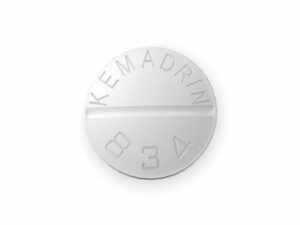
Isordil (Isosorbide Dinitrate) – Patient Information (Australia)
Isordil contains isosorbide dinitrate, a medicine used to treat and prevent certain types of heart-related chest discomfort (angina). It works by improving blood flow to the heart muscle, reducing the workload on the heart, and helping relieve symptoms.
This page explains how Isordil works, when it is used, common dosing patterns, what to expect, and important safety considerations—written for a patient-friendly understanding in the context of Australia.
Quick product overview
| Category | Details |
|---|---|
| Medicinal ingredient | Isosorbide dinitrate |
| Medicine type | Nitrate vasodilator (anti-angina medicine) |
| Common forms | Typically tablets and/or sublingual formulations (brand presentations may vary by product availability) |
| How it helps | Relaxes blood vessels to improve blood flow and reduce cardiac workload |
| Common use | Prevention of angina attacks; sometimes used for other cardiac conditions as advised by your clinician |
Note: Product strength and dosing schedules can vary depending on the exact Isordil presentation. Always follow the directions provided with your specific product and seek clarification if unsure.
How Isordil works (mechanism of action)
Isosorbide dinitrate is a nitrate. In the body, it is converted into compounds that release nitric oxide. Nitric oxide helps relax smooth muscle in blood vessel walls.
This leads to:
- Vasodilation (widening of blood vessels)
- Reduced “preload” by mainly venous dilation, which lowers the amount of blood returning to the heart
- Reduced “afterload” by arterial dilation to a lesser extent, which can lower resistance the heart pumps against
- Improved oxygen supply to the heart muscle and reduced oxygen demand
For angina, the goal is to keep the heart’s oxygen needs in balance with oxygen supply, thereby decreasing the frequency and severity of chest discomfort.
Pharmacokinetics (how the body processes it)
Pharmacokinetics describes how a medicine is absorbed, distributed, metabolised, and eliminated.
Absorption
- Absorption depends on the formulation (e.g., oral tablet vs sublingual route).
- Some nitrate forms have relatively fast onset; others are designed for longer symptom control.
Distribution
- Isosorbide dinitrate and its active metabolites distribute through the body, particularly affecting the cardiovascular system.
Metabolism
- It is metabolised mainly in the liver.
- Metabolites may contribute to the clinical effect.
Elimination
- Excretion occurs mainly through the kidneys as metabolites.
- In people with significant kidney or liver impairment, drug levels and effects may change, and closer monitoring may be needed.
Important practical point: Nitrate effects can decrease if taken continuously without a “nitrate-free” period. This is related to developing tolerance (see Safety section).
What Isordil is used for (indications)
Isordil is commonly used for:
- Angina pectoris: prevention of angina attacks and reduction of symptom frequency.
- Chronic management of angina in combination with other heart medicines, depending on your personal treatment plan.
Doctors may also consider nitrate medicines in certain other cardiovascular conditions based on clinical assessment. Your clinician will advise the most appropriate use for your situation.
When and how to take it (timing and typical use)
Isordil dosing schedules are designed to provide symptom control while reducing the risk of tolerance. The exact timing depends on your specific formulation.
Typical approach for angina prevention
- Regular dosing is usually needed for prevention (not only when symptoms occur).
- Many regimens include a nitrate-free interval (often overnight) to help maintain effectiveness.
Onset of benefit
- Some forms may start working within minutes, while others may take longer to reach full effect.
- If you have been given advice about using it for symptom relief, follow that guidance.
Practical tip: Keep a simple record of when you take your tablets and whether symptoms occur. This can help your clinician adjust dosing if needed.
Dosing information (general guidance)
Doses vary by formulation and individual patient factors. The information below is general and should not replace the instructions supplied with your medicine.
- Your clinician or pharmacist may start you on a lower dose and adjust gradually.
- For long-term prevention, dosing schedules are often divided during the day with a nitrate-free period.
- For sublingual or fast-acting forms, instructions may differ significantly from oral long-acting regimens.
If you miss a dose:
- Take it when you remember unless it is close to the next dose.
- Do not take double doses to make up for a missed dose.
- If you are unsure, ask your pharmacist for advice specific to your product.
Do not stop suddenly without advice: Angina control may worsen if therapy is changed abruptly.
Food interactions
Food can influence comfort and absorption of some medicines. For Isordil, there are generally no strict dietary restrictions for most people.
- Taking with food: Some people prefer taking tablets with food or after meals to reduce stomach discomfort (if it occurs).
- Do not over-supplement: Avoid taking additional vasodilating substances (such as high-dose supplements with nitrate-like effects) unless advised.
Grapefruit and similar products: There is not a commonly highlighted grapefruit-specific interaction for isosorbide dinitrate, but individual metabolic differences exist. If you use herbal products or multiple supplements, discuss them with your pharmacist.
Alcohol interactions
Alcohol can increase the risk of side effects such as:
- Dizziness or feeling faint (especially when standing)
- Low blood pressure
- Headache
Recommendation: Limit alcohol and avoid binge drinking. If you notice light-headedness, stop alcohol and speak to your clinician.
Medicine interactions (important)
Certain medicines can interact with Isordil by increasing the risk of low blood pressure or other adverse effects. Tell your healthcare professional about all medicines you take, including over-the-counter products and supplements.
Key interaction: erectile dysfunction medicines
Very important: Do not use or do not combine nitrates like Isordil with certain erectile dysfunction (ED) medicines, because this can cause a dangerous drop in blood pressure.
- Examples include sildenafil, tadalafil, and vardenafil.
If you use ED medicines, discuss with your clinician how to manage timing and safety.
Other blood-pressure–lowering medicines
- Medicines that reduce blood pressure may add to Isordil’s effect, increasing risk of dizziness and fainting.
- Examples can include certain diuretics, antihypertensives, and other vasodilators.
Riociguat (for pulmonary hypertension)
- Combination with nitrates is generally contraindicated or avoided due to significant blood pressure lowering.
- If you take riociguat, seek urgent guidance from your clinician.
Other potential interactions
- Some medicines may affect liver enzymes or vascular tone, potentially changing nitrate effects.
- Always include your pharmacist when reviewing your complete medicine list.
Safety profile: common side effects and what to do
Like all medicines, Isordil can cause side effects. Many are related to blood vessel relaxation (vasodilation).
Common side effects
- Headache (often the most common)
- Dizziness or light-headedness
- Flushing
- Low blood pressure (hypotension), sometimes with feeling faint
- Nausea
What to do:
- Move slowly from sitting or lying to standing.
- If you feel dizzy, sit or lie down until the sensation passes.
- If headaches are persistent, discuss dose timing or alternatives with your pharmacist or doctor—sometimes adjustments help.
Less common but important risks
- Severe hypotension (very low blood pressure)
- Fainting
- Worsening angina symptoms if dosing/tolerance issues arise
- Tolerance (reduced effectiveness over time if used continuously)
Tolerance and “nitrate-free” periods
With continuous exposure, the body may develop tolerance, meaning the medicine becomes less effective. To reduce this risk, many treatment regimens include a nitrate-free interval (often at night). Do not change your schedule without professional advice.
Allergy and severe reactions
- Seek urgent medical help if you develop signs of a serious allergic reaction (e.g., swelling of face/lips, severe rash, difficulty breathing).
When to seek urgent help
Get urgent medical attention or call emergency services if you experience:
- Chest pain that is new, severe, or not relieved as directed
- Fainting or collapse
- Severe dizziness with weakness
- Symptoms of severe low blood pressure (e.g., confusion, collapse)
Practical use tips (patient-friendly)
- Keep to a consistent schedule: Many people benefit most when doses are taken at the recommended times.
- Stand up carefully: Rise slowly to reduce dizziness.
- Track symptoms: Record frequency of angina episodes and when they occur relative to dosing.
- Hydration matters: Dehydration can worsen dizziness and low blood pressure.
- Do not double up: If you miss a dose, follow “missed dose” guidance; avoid extra doses.
- Carry a medicine list: Include all medicines and doses for emergency use.
- Check expiry: Use only within the expiry date on the pack.
Storage: Store tablets as directed on the packaging (commonly at room temperature, protected from moisture and out of reach of children).
Alternative options for angina
Angina treatment often involves a combination of lifestyle measures and medicines. Alternatives may be considered depending on your symptoms, heart function, and other conditions.
Common alternatives (classes)
- Beta blockers (e.g., metoprolol, bisoprolol) to reduce heart rate and oxygen demand
- Calcium channel blockers (e.g., amlodipine, diltiazem) to improve blood flow and reduce workload
- Other nitrates (different formulations such as isosorbide mononitrate or topical patches, depending on availability)
- Antiplatelet and cholesterol medicines (e.g., aspirin and statins) to address underlying cardiovascular risk
Important: Replacement choices depend on your diagnosis and medical history. Discuss options with your clinician or pharmacist rather than switching on your own.
Australia: market, legal and clinical context
In Australia, medicines are supplied under the Therapeutic Goods Administration (TGA) framework. Medicines like Isordil are typically dispensed through licensed pharmacies according to local supply rules and product registration.
Clinical management of angina in Australia commonly follows evidence-based guidelines and may involve:
- Risk assessment (e.g., cardiovascular risk factors)
- Medicines for symptom relief and prevention
- Medicines that target risk (antiplatelets, statins, blood pressure control)
- Lifestyle measures (smoking cessation, diet, exercise plan)
Recent guidance (general trends): Australian practice continues to emphasise safe use of nitrates, preventing tolerance with nitrate-free intervals, and avoiding dangerous interactions—particularly with ED medicines and pulmonary hypertension therapies.
Delivery and availability (Australia)
Availability may vary by strength and formulation (e.g., tablets vs sublingual forms). Many online pharmacies in Australia can:
- Confirm stock status for your specific product and strength
- Provide estimated delivery timeframes across Australian states and territories
- Offer discreet packaging and tracking (where available)
Delivery considerations:
- Allow additional time for processing and delivery during public holidays.
- Check whether the pharmacy requires verification steps depending on your circumstances and product category.
If you need a specific strength or formulation that is temporarily unavailable, ask about alternatives or comparable nitrate options.
FAQ
1) How quickly does Isordil work?
Timing depends on the formulation. Some nitrate products begin working within minutes, while others are designed for steadier prevention over hours. Check your pack instructions and ask your pharmacist about your specific product.
2) Can I take Isordil only when I feel chest pain?
For many people, Isordil is used to prevent angina episodes by taking it regularly. However, some regimens may differ. Follow the schedule you were given and do not change it without advice.
3) Why do I get headaches with nitrates?
Headache is a common effect of nitrate vasodilation. It often improves as your body adjusts. If headaches are severe or persistent, discuss dose adjustment or alternatives with your pharmacist or clinician.
4) What should I do if I feel dizzy after taking Isordil?
Sit or lie down immediately. When you feel better, stand up slowly. If dizziness continues, or you faint, seek urgent medical advice and contact your healthcare provider.
5) Can I drink alcohol while using Isordil?
Alcohol may increase dizziness and low blood pressure. It’s best to limit alcohol and avoid heavy drinking. If you notice side effects, stop alcohol and speak to your healthcare professional.
6) Are there foods I should avoid?
There are typically no specific food restrictions, but taking your dose consistently (with or after food if recommended for comfort) can help. If you have a special diet or digestive issues, ask your pharmacist.
7) Can I take Isordil with erectile dysfunction medicines?
No—nitrates can interact dangerously with ED medicines such as sildenafil, tadalafil, and vardenafil. If you use ED medicines, discuss safe timing and alternatives with your clinician before combining therapies.
8) What is nitrate tolerance?
Nitrate tolerance is when the medicine becomes less effective if taken continuously without breaks. Many treatment schedules include a nitrate-free period to help maintain benefit. Do not alter your schedule without medical advice.
9) What if I miss a dose?
If you remember later, take it unless it is close to your next dose. Don’t take a double dose. Ask your pharmacist for guidance specific to your product.
10) Is Isordil safe for everyone?
Not always. People with certain blood pressure conditions, specific heart rhythm problems, or interactions with medicines like ED drugs or riociguat may not be suitable for nitrates. Always review your health history and current medicines with your pharmacist or clinician.
Summary
Isordil (isosorbide dinitrate) is a nitrate medicine used primarily to help prevent angina by relaxing blood vessels and improving the balance between oxygen supply and demand in the heart. It can be very effective when taken as directed, but safety considerations are important—especially the risk of low blood pressure and interactions with certain medicines.
If you have questions about your dosing schedule, side effects, or potential interactions, speak with your pharmacist. For urgent symptoms such as severe or worsening chest pain, seek immediate medical help.