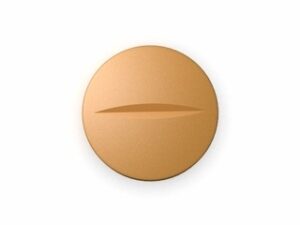
Sotalol (Sotalol Hydrochloride) – Patient-Friendly Guide
Sotalol is a medicine used to treat certain heart rhythm problems (arrhythmias). It belongs to the group of medicines known as antiarrhythmics, with effects on the electrical activity of the heart. Because sotalol can influence heart rate and rhythm in a significant way, it requires careful dosing and monitoring in many people.
This guide explains how sotalol works, how it is handled by the body, typical uses, practical tips for taking it, important interactions (including alcohol), and what to know about safety and availability in Australia.
Basic product information
| Feature | What to know |
|---|---|
| Generic name | Sotalol |
| Common form | Sotalol tablets (strengths vary by brand) |
| Medicinal class | Antiarrhythmic; potassium channel blocker (Class III) with beta-blocking properties (Class II) |
| How it’s used | To help prevent certain abnormal heart rhythms and reduce episodes of arrhythmia |
| Common considerations | Heart rate and ECG (QT interval) monitoring; kidney function affects dosing |
How sotalol works (mechanism of action)
Sotalol helps stabilise the heart’s electrical system. It does this mainly by:
- Blocking potassium channels (Class III antiarrhythmic effect), which can prolong the heart’s electrical recovery time. This may help prevent abnormal rhythm circuits from sustaining.
- Reducing the effect of adrenaline on the heart (beta-blocker activity), which can slow heart rate and reduce excitability.
Because the medicine can change electrical timing, sotalol can sometimes cause an unwanted rhythm called torsades de pointes (a type of ventricular tachycardia). This risk is part of why ECG monitoring and electrolyte management (especially potassium and magnesium) are important.
Typical use in clinical practice
Sotalol is commonly used to treat and prevent certain clinically significant arrhythmias, often when other options are unsuitable or have not been effective.
Common indications include:
- Atrial fibrillation and atrial flutter (in selected patients), to help maintain normal rhythm or reduce recurrence
- Ventricular arrhythmias (for example, certain sustained ventricular tachycardias), depending on risk profile and monitoring needs
- Some patients may be considered for rhythm control where careful specialist assessment supports sotalol use
Suitability depends on your specific heart rhythm type, other medical conditions, current medications, ECG findings (including QT interval), and kidney function.
Pharmacokinetics (how the body handles sotalol)
Understanding pharmacokinetics helps explain dosing frequency and why kidney function matters.
- Absorption: Sotalol is absorbed after you take a tablet. Overall absorption is generally reliable, but individual factors can affect levels.
- Distribution: It distributes into body tissues and acts on cardiac electrical pathways.
- Elimination: Sotalol is primarily cleared by the kidneys. Reduced kidney function can lead to higher drug levels, increasing side effects risk.
- Half-life: The medication has a relatively long half-life. In people with normal kidney function, dosing is typically scheduled to maintain stable levels.
- Steady state: Steady drug levels are reached after several days of consistent dosing, which is why early ECG checks and dose adjustments may occur.
If you have kidney impairment, your prescriber may adjust the dose and/or dosing schedule. It is important not to change doses without medical guidance.
When and how to take sotalol (timing and routine)
Sotalol is often taken twice daily, but your exact schedule depends on the prescribed strength and your health profile. Consistency matters because rhythm stability can depend on maintaining appropriate drug levels.
Practical timing tips
- Take sotalol at the same times each day (e.g., morning and evening) to help keep drug levels steady.
- If you miss a dose, follow your medication instructions. In general, avoid doubling up unless specifically directed.
- Keep track of doses using a daily planner, blister pack, or phone reminder.
- Do not suddenly stop the medicine without medical advice—abrupt changes can affect heart rhythm control.
If you are starting or increasing sotalol, you may be asked to have additional monitoring (such as an ECG) to check your response.
Food interactions (what to know)
In many people, sotalol can be taken with or without food. However, food-related effects can vary between formulations and individuals. To stay safe:
- Take sotalol consistently in relation to meals (either always with food or always on an empty stomach), unless your instructions say otherwise.
- If you notice stomach upset or other symptoms, discuss whether timing with meals is appropriate for you.
- Avoid large swings in hydration and electrolyte intake, particularly if you experience diarrhoea or vomiting.
The most important “interaction” with electrolytes tends to involve conditions and medicines that lower potassium or magnesium (see interactions below).
Alcohol and medicine interactions
Alcohol
Alcohol can affect heart rhythm, blood pressure, hydration, and medication tolerability. While occasional small amounts may not cause immediate problems in every person, alcohol may increase the risk of dizziness, fainting, or palpitations—especially if you have low blood pressure or are sensitive to beta-blocking effects.
- Consider limiting alcohol or avoiding it until you know how sotalol affects you.
- If you experience dizziness, light-headedness, or worsening palpitations after drinking, stop and seek medical advice.
Key medicine interactions (talk to your pharmacist/doctor)
Sotalol has a significant interaction potential, mainly due to its effect on cardiac electrical activity and because other medicines may also influence heart rate, blood pressure, and the QT interval.
Common interaction categories include:
- Other antiarrhythmics (e.g., class I and class III agents) – may increase risk of abnormal rhythms and QT prolongation.
- Medicines that prolong the QT interval (some antidepressants, antipsychotics, certain antibiotics/antifungals, and others) – combined use may raise torsades risk.
- Beta-blockers (including some eye drops) – can overly slow heart rate or affect blood pressure.
- Calcium channel blockers (especially verapamil and diltiazem) – may add to effects on heart rate/conduction.
- Diuretics (water tablets) – can lower potassium and magnesium, increasing arrhythmia risk.
- Electrolyte-affecting medicines (e.g., steroids in some situations) – may contribute to low potassium/magnesium.
- Medicines affecting kidney function (indirectly) – because sotalol is renally cleared, anything that changes kidney function can affect levels.
Tell your pharmacist about all medicines and supplements you use, including “occasional” medications such as cold/flu remedies, as some can contain decongestants that affect heart rate and blood pressure.
Indications and who should be cautious
Sotalol may be considered when the expected benefit outweighs the risks for maintaining or controlling rhythm. Your healthcare team will assess suitability, including ECG measurements and kidney function.
Extra caution may be needed if you have:
- Kidney impairment (dose adjustment is often required)
- A history of torsades de pointes or significant QT prolongation
- Low potassium or magnesium (or risk factors such as persistent diarrhoea/vomiting)
- Slow heart rate or certain heart conduction disorders (e.g., heart block)
- Low blood pressure or symptoms such as fainting
- Conditions that may affect breathing (sotalol can have beta-blocking effects, which may be relevant to people with certain respiratory conditions)
Never start or change sotalol without appropriate assessment, because baseline ECG and ongoing monitoring help prevent serious complications.
Dosing overview (how dose is chosen)
Dosing of sotalol is individualised. It is influenced by:
- The type of arrhythmia being treated
- Your ECG results (especially QT interval)
- Kidney function (creatinine clearance/eGFR)
- Heart rate and blood pressure response
- Use of interacting medicines
Typical regimens are often taken twice daily, but the exact strength and dose schedule depend on your situation. In many cases, clinicians start with a dose and then adjust carefully based on response and safety monitoring.
Monitoring that commonly accompanies dosing changes
- ECG to evaluate QT interval
- Heart rate and blood pressure checks
- Blood tests for electrolytes (potassium and magnesium), particularly if you are at risk of imbalances
- Kidney function assessments to ensure clearance is adequate
Safety profile: side effects and when to seek help
Like all medicines, sotalol can cause side effects. Many are mild, but some are serious—especially those related to heart rhythm. Always seek urgent help if you experience symptoms that may indicate a dangerous rhythm or fainting.
Common side effects
- Dizziness or feeling light-headed
- Fatigue
- Slow heart rate (bradycardia)
- Shortness of breath with exertion (may be relevant in some respiratory conditions)
- Digestive changes (nausea, stomach discomfort)
Serious risks (seek medical help urgently)
Get urgent medical attention if you have:
- Fainting or near-fainting
- Severe or worsening palpitations (feeling like the heart is racing, fluttering, or “skipping” strongly)
- Chest pain, severe breathlessness, or sudden collapse
- Symptoms of serious allergic reaction (swelling of face/lips, difficulty breathing, hives)
These symptoms can signal rhythm instability or low blood pressure. Your clinician may adjust dose or review interacting medicines to improve safety.
Managing side effects
- If you feel dizzy or unusually tired, avoid driving and operating machinery until you feel steady.
- Stay hydrated and report ongoing diarrhoea/vomiting promptly, as electrolyte loss can increase risk.
- Don’t stop sotalol suddenly without advice—discontinuation can worsen rhythm control.
Practical use tips (getting the best results safely)
- Attend ECG monitoring appointments, especially after starting treatment or dose changes.
- Keep electrolytes stable: If you are at risk of low potassium/magnesium (e.g., diuretics, vomiting, diarrhoea), discuss whether blood tests or supplements are needed.
- Review all medicines regularly: Bring a list of current medicines to appointments.
- Check before using OTC products: Some cough/cold medicines and decongestants may affect heart rate or blood pressure.
- Maintain a consistent routine: Taking sotalol at similar times each day helps reduce fluctuations.
- Know your warning signs: Ask your healthcare team which symptoms in your case require urgent attention.
Alternative options for arrhythmia management
Depending on your rhythm type, severity, and overall health, there are other options for preventing or managing arrhythmias. Alternatives may include medicines, procedures, or device-based therapies.
Possible alternatives (examples, may vary by person):
- Other antiarrhythmics (choice depends on arrhythmia type and ECG/QT considerations)
- Rate control medicines (used when rhythm conversion is not pursued)
- Catheter ablation for certain atrial arrhythmias or re-entrant circuits
- Lifestyle and trigger management (e.g., reducing excessive caffeine or alcohol if these trigger episodes)
- In select cases, devices (such as pacemakers or defibrillators) may be relevant to prevent complications
A cardiologist or specialist team can help compare benefits and risks of sotalol versus other strategies for your specific diagnosis.
Sotalol in Australia: market, legal and prescribing context
In Australia, medicines are regulated by the Therapeutic Goods Administration (TGA) and dispensed under Australia’s medicines scheduling framework. Sotalol is typically available through regulated channels and is generally used under clinician guidance due to its potential for serious cardiac side effects and the need for monitoring.
Availability, brand names, strengths, and pack sizes can vary. Online pharmacies may provide medicines only in line with applicable Australian regulations and customer eligibility requirements.
Recent guidance and monitoring considerations
Ongoing clinical practice emphasises careful monitoring when using antiarrhythmic medicines. Common themes include:
- ECG monitoring to assess QT interval and overall rhythm response, particularly during initiation and dose titration.
- Electrolyte checks (potassium and magnesium) where there is risk of depletion.
- Kidney function review because dosing may need adjustment for reduced renal clearance.
- Medication reconciliation to avoid known QT-prolonging or bradycardia-enhancing combinations.
Guidance can evolve as new safety information becomes available. Always follow the monitoring plan discussed with your healthcare professional.
Delivery and availability (online pharmacy)
Online pharmacies in Australia may offer sotalol subject to stock availability and regulatory requirements. Delivery options vary by provider, and delivery times can depend on your location and shipping service.
- Check stock status on the product page before ordering.
- Confirm your exact strength and formulation (different strengths may require different dosing schedules).
- Allow time for processing and dispatch, especially if stock needs to be replenished.
If you need the medicine urgently (for example, if you are at risk of running out), contact the pharmacy service to ask about delivery options.
Storage and handling
- Store tablets at room temperature in a dry place, protected from moisture.
- Keep in the original packaging and follow any label instructions.
- Keep out of reach of children.
- Do not use tablets after the expiry date on the pack.
FAQ about sotalol (Australia)
1) What is sotalol used for?
Sotalol is used to help manage certain abnormal heart rhythms. It works by influencing the heart’s electrical signals to help prevent recurrence of arrhythmias in selected patients.
2) How quickly does sotalol start working?
Some effects on heart rhythm and rate may occur after starting, but stable drug levels typically develop over several days. Your clinician may schedule ECG checks during initiation or after dose changes to confirm safety and effectiveness.
3) Can I take sotalol with food?
Many people can take sotalol with or without food. The safest approach is to take it consistently in the same way each day, unless your instructions advise otherwise.
4) What should I do if I miss a dose?
Follow the instructions provided with your medicine. In general, avoid taking double doses to “catch up” unless directed by a healthcare professional. If you’re unsure, contact your pharmacist for tailored advice.
5) What are the most important interactions?
Interactions can include other medicines that affect heart rhythm or the QT interval, medicines that slow heart rate, and medicines that lower potassium or magnesium. Always provide your pharmacist with a complete list of medicines and supplements.
6) Is alcohol safe with sotalol?
Alcohol may worsen dizziness or palpitations and can affect hydration. It’s best to keep alcohol minimal and discuss your situation with your clinician, particularly if you’ve experienced dizziness or rhythm changes.
7) Does sotalol affect kidney function?
Sotalol is mainly cleared by the kidneys. Kidney impairment can increase blood levels and risk of side effects. Your clinician may adjust the dose and monitor kidney function.
8) Why do I need ECG monitoring?
Sotalol can affect the electrical timing of the heart. ECG monitoring helps check your QT interval and ensures the medicine is being used safely, especially during starting or dose adjustments.
9) What symptoms mean I should seek urgent help?
Seek urgent medical care if you faint, have severe chest pain, sudden severe shortness of breath, or experience intense worsening palpitations. These can be signs of a dangerous rhythm or blood pressure problem.
10) Are there alternatives to sotalol?
Yes. Alternatives can include other antiarrhythmic medicines, rate-control strategies, ablation procedures, and in some cases device therapies. The best option depends on the specific rhythm, your risk factors, and your ECG and kidney function.
Important note
This information is designed to help you understand sotalol and prepare for safe use. It does not replace advice from a healthcare professional. If you have questions about suitability, dosing, monitoring, or interactions, speak with your pharmacist or treating clinician.