
Rogaine (Minoxidil) – Patient Information (Australia)
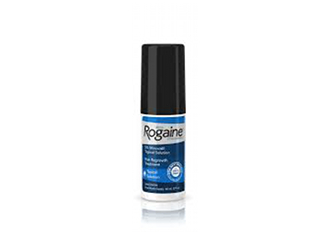
Rogaine is a well-known brand of minoxidil, a medicine used to help treat certain types of hair thinning on the scalp. This guide explains how Rogaine works, how to use it effectively, what to expect, common side effects, interactions, and practical tips to get the best results. It is written for general information and is designed to be easy to understand.
In Australia, Rogaine is available through pharmacies and other legitimate retail channels. Availability, pack sizes, and labeling may vary depending on the product strength and form (for example, foam vs solution).
Product overview
| Topic | Details |
|---|---|
| Brand | Rogaine |
| Active ingredient | Minoxidil |
| Common forms | Foam or solution for scalp application (strength varies by product) |
| Typical use | Hair thinning/baldness (male and female pattern hair loss) |
| How it works | Helps prolong the growth phase of hair follicles and supports thicker hair over time |
| Time to see results | Often 3–6 months for early improvement; full effect can take 12 months |
| Where to apply | Dry scalp to affected areas |
How Rogaine works (mechanism of action)
Minoxidil is a hair growth support medicine. When applied to the scalp, it helps hair follicles work more effectively. The exact mechanism is complex, but key points include:
- Prolonging the growth (anagen) phase: Hair grows in cycles. Minoxidil helps extend the active growth stage, which can support thicker, longer-lasting hair.
- Effects on follicle signalling: It may influence growth factors and cellular activity around hair follicles.
- Increased follicle activity: In people with pattern hair loss, follicles can become miniaturised over time. Minoxidil may help reverse some of this miniaturisation.
- Not a “quick fix”: Because hair cycles take time, improvements develop gradually rather than overnight.
Rogaine does not permanently “cure” hair loss. If treatment is stopped, benefits may gradually fade over time as hair cycles return to their previous pattern.
Pharmacokinetics (how the body handles minoxidil)
When minoxidil is applied to the scalp, only a small amount is absorbed through the skin into the bloodstream compared with oral minoxidil. Absorption can vary depending on:
- Skin condition (for example, inflammation, irritation, or broken skin)
- Whether the scalp is wet or damp at application
- Amount applied and frequency
- Product type and strength
Once absorbed, minoxidil is distributed through the body and later metabolised. It is eliminated mainly through the kidneys. Because systemic absorption is generally low with scalp use, most people experience scalp-local effects rather than whole-body effects—however, rare systemic side effects can occur.
If you develop unusual symptoms such as chest pain, significant dizziness, swelling of hands/feet, or fainting, seek medical help promptly.
What Rogaine is indicated for
Rogaine is typically used for hair loss due to pattern hair loss, including:
- Male pattern hair loss: Thinning around the crown and/or hairline (and other common pattern areas).
- Female pattern hair loss: Thinning with a broader part/crown thinning pattern (often with preserved frontal hairline in many cases).
Rogaine is generally not intended for sudden patchy hair loss conditions, hair loss from scalp diseases (like severe dermatitis), or hair loss due to nutritional deficiencies or hormonal causes unless those are being addressed.
Typical use and timing
How to plan treatment
For best results, use Rogaine consistently. Hair growth responses are gradual. A common expectation timeline is:
- Weeks 0–4: No clear improvement in many people; some may notice increased shedding.
- Months 1–3: Shedding may continue for a short time, then settle for many.
- Months 3–6: Early signs of improvement (some thickness, reduced thinning).
- Months 6–12: Continued improvement; results often stabilise around this time.
- After 12 months: Maintain treatment to preserve gains.
Timing within the day
Use the product at the same times each day if your label recommends once or twice daily. Choose a routine you can sustain. It helps to:
- Apply to the scalp when it is dry
- Allow the product to dry before styling hair
- Wash hands after application
Dosing (general guidance)
Dosing depends on the specific Rogaine product strength and whether the regimen is once or twice daily. Always follow the instructions on your package or label.
Common dosing patterns (examples):
- Once-daily use: Some strengths and formulations are used once per day.
- Twice-daily use: Other strengths and formulations are used twice per day.
Key dosing principles:
- Do not exceed the recommended dose.
- Use enough to cover the affected areas, not necessarily the whole scalp.
- Consistency is more important than “extra” amounts.
- If you miss a dose, apply it when you remember unless it’s close to the next scheduled dose—then continue normally.
Practical step-by-step: how to apply Rogaine
Proper application helps reduce waste, irritation, and the risk of unnecessary absorption.
Before you start
- Check your product label for foam vs solution directions.
- Use on the scalp only (avoid eyes, lips, and other body areas).
- Ensure the scalp is dry before applying.
Application tips
- Part the hair to expose the thinning areas.
- Apply the measured amount to the scalp (as directed).
- Gently spread using fingertips or the product applicator until the targeted area is covered. Avoid rubbing vigorously if your scalp is sensitive.
- Let it dry before putting on hats, going to bed, or styling (depending on label instructions).
- Wash hands thoroughly after use. If another person is in the household, avoid skin contact with the application area until it is dry.
After application
- Do not wash the scalp immediately unless the product directions specify otherwise.
- Avoid swimming or heavy sweating soon after application if the label advises waiting.
- If you use hair products (gel, wax, sprays), wait until the minoxidil has fully dried.
Food interactions
Rogaine is applied to the scalp. Because it is not taken by mouth for hair loss treatment in this form, food interactions are not a typical concern. You do not need to avoid specific foods when using scalp minoxidil.
That said, general health factors can influence hair loss. If you have dietary concerns, low iron, low protein intake, or recent weight loss, discuss with a healthcare professional—addressing underlying causes can improve outcomes.
Alcohol and medicine interactions
Alcohol
Some minoxidil topical products contain alcohol or alcohol-like solvents. If you drink alcohol, it typically does not directly interact with scalp application. However, alcohol may affect your overall cardiovascular status and can worsen side effects such as dizziness in susceptible individuals.
- If you notice light-headedness or palpitations after using Rogaine, avoid alcohol and seek medical advice.
- If your product stings or irritates your scalp more than usual, consider checking the formulation and application technique with a pharmacist.
Medicine interactions (important)
Systemic absorption is generally low, but interactions are still possible. Tell a healthcare professional or pharmacist about all medicines you use, including:
- Medicines for high blood pressure or heart conditions
- Diuretics (“water tablets”)
- Other vasodilators
- Medicines that may affect the cardiovascular system
- Any topical medicines you apply to the scalp
If you are using medicines that already lower blood pressure, you may be more sensitive to rare systemic effects. While most people using topical minoxidil do not experience major systemic issues, caution is sensible if you have cardiovascular conditions or dizziness.
If you develop swelling of feet/ankles, rapid heartbeat, chest discomfort, severe dizziness, or fainting, stop using the product and seek urgent medical help.
Safety profile and possible side effects
Most side effects are mild and affect the scalp. Still, it’s important to know what to watch for.
Common side effects (usually scalp-related)
- Scalp irritation, redness, itching, or dryness
- Flaking or mild rash
- Burning or stinging sensation at application sites
- Increased shedding in the first weeks (often called “initial shedding”)
- Dryness or changes in how the hair feels
Initial shedding: what it means
Some people notice increased hair shedding during the first 2–8 weeks. This can be part of the normal transition in hair growth cycles and may not mean the treatment is failing. If shedding is heavy, persistent, or associated with scalp pain, consult a pharmacist or healthcare professional.
Less common but important side effects (systemic)
These are uncommon, but you should be aware of them:
- Light-headedness or dizziness
- Palpitations or fast heartbeat
- Swelling of hands, feet, or lower legs
- Shortness of breath
- Unusual weight gain due to fluid retention
Allergic reactions
Seek medical help if you develop signs of allergy such as swelling of the face/lips, hives, or difficulty breathing.
When to stop and get advice
- Severe or worsening scalp irritation
- Persistent symptoms despite reducing irritation and following label instructions
- Any systemic symptoms like chest pain, fainting, or significant swelling
Who should use caution
Rogaine topical minoxidil is widely used, but caution may be needed if you have certain conditions. Consider speaking with a pharmacist or healthcare professional before use if you:
- Have heart disease or a history of cardiovascular problems
- Have low blood pressure or experience dizziness easily
- Have scalp conditions such as severe dermatitis or open wounds
- Are using other medications that may affect blood pressure or circulation
- Are pregnant or breastfeeding (safety for topical use in these situations should be discussed with a clinician)
Practical use tips for better results
- Start with realistic expectations: hair regrowth is gradual. Improvement usually takes months.
- Apply to the correct area: target the thinning zones rather than only the hairline or only the crown—use your product instructions and pattern of loss.
- Use consistently: skipping doses can reduce results.
- Be gentle with your scalp: avoid harsh scratching while applying.
- Consider foam if irritation is an issue: some users find foam less irritating than solution with alcohol-based solvents (depending on the product available).
- Don’t “double up”: extra application won’t speed growth and may increase irritation.
- Keep up maintenance: when you stop, gains may fade gradually.
- Track progress: take photos every 4–6 weeks in the same lighting to see changes objectively.
- Avoid contact transfer: allow the product to dry, and wash hands thoroughly. Keep it away from children and pets.
Alternative options
Depending on your hair loss pattern and preferences, there may be other treatment options. Alternatives include:
- Other minoxidil brands (same active ingredient, different formulation/strength)
- Prescription options for androgenetic alopecia in some settings (discuss suitability with a healthcare professional)
- Low-level laser therapy devices (evidence varies; consider cost and expectations)
- Hair fibres or styling solutions for cosmetic appearance
- Scalp treatments if hair loss is linked to inflammation or scalp conditions
- Hair transplantation for selected cases
If you’re unsure whether your hair loss is pattern-related, it can help to confirm the cause before choosing a long-term treatment plan.
Market and legal context for Australia
In Australia, topical minoxidil products for hair loss have historically been supplied through pharmacy channels. Rules may differ by product strength, formulation, and whether there are specific packaging or consumer-advice requirements. Product labels and availability can vary by manufacturer.
For online purchase, choose reputable sellers that provide:
- Genuine stock and clear product information
- Correct strength and formulation (foam vs solution)
- Australian labeling and instructions
- Clear delivery estimates and returns/refunds policy
Recent guidance (general consumer advice)
Over time, Australian pharmacy guidance commonly emphasises:
- Following the product label dose and application instructions exactly
- Allowing enough time for results (months, not days)
- Understanding initial shedding as part of the growth-cycle transition
- Seeking advice if severe scalp irritation or systemic symptoms occur
Always check the most current product leaflet and local pharmacist advice for the specific Rogaine item you purchase.
Delivery and availability
Rogaine (minoxidil) is commonly available in Australia via pharmacies and approved online retailers. Delivery timing depends on:
- Your location (metro vs regional)
- Stock availability and carrier service level
- Any processing time required for order verification
When ordering online, ensure you select the correct product strength and form (foam/solution) and confirm the dosing instructions match your intended regimen. Keep the box and leaflet for reference.
FAQ – Frequently asked questions
How long does it take to work?
Many people notice changes after 3–6 months. More noticeable improvements often occur by 12 months. Consistency matters.
Will I shed more hair at the start?
Some shedding is common in the first weeks. This may reflect hair shifting cycles. If shedding is accompanied by severe scalp discomfort or does not improve, seek advice.
Can I use Rogaine on my hairline or all over my scalp?
Apply to the affected thinning areas as described on your product label. Avoid applying to non-target areas unless instructed, and keep it off the face/eyebrows.
Is it safe to use with hair dye or styling products?
You can often style your hair as usual, but apply Rogaine to dry scalp and let it fully dry before using hair products. If you experience irritation, pause styling products for a short period and consult a pharmacist.
What if I miss a dose?
Apply the next dose at your usual time. Do not apply extra to “catch up.”
What happens if I stop using Rogaine?
The benefits can fade over time after stopping, because minoxidil supports the growth cycle only while you use it.
Can I use Rogaine with other scalp treatments?
Be cautious. If you use medicated shampoos, anti-dandruff treatments, or other topical scalp products, allow appropriate time between products to reduce irritation. If you’re unsure, ask a pharmacist.
Does minoxidil affect my blood pressure?
With topical scalp use, systemic absorption is typically low, but rare systemic side effects have been reported. If you have cardiovascular conditions or experience dizziness, palpitations, or swelling, seek medical advice.
Is foam or solution better?
Both contain minoxidil, but some users find foam less irritating and cleaner to use. Your best choice depends on your scalp sensitivity and the product instructions for your specific situation.
Can children or pets be exposed?
Minoxidil should be kept out of reach of children. Keep the application area covered or allow it to dry fully before anyone touches it. If you have pets, take extra care to prevent licking or contact with product residue.
What should I do if I get scalp irritation?
Stop and seek advice if irritation is severe. If mild, verify you are applying the correct amount to dry scalp, avoid rubbing aggressively, and consider switching formulation (for example, foam) if available and suitable.
Summary
Rogaine (minoxidil) is a topical hair loss treatment commonly used for male and female pattern hair loss. It supports hair follicle activity and helps hair grow thicker over time. Results are gradual—often starting around 3–6 months—and maintenance is typically needed to preserve gains. Most side effects are mild and scalp-related, though rare systemic reactions can occur. Use the product consistently, apply to dry scalp, follow the label dose, and seek advice if you experience significant irritation or concerning symptoms.