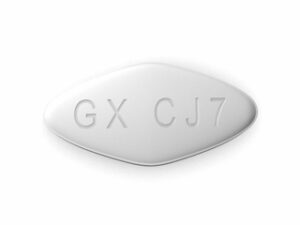
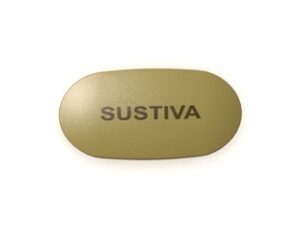

Dolutegravir (DTG) – Patient-Friendly Information (Australia)
Dolutegravir is an antiretroviral medicine used to treat HIV (Human Immunodeficiency Virus). It belongs to a class of medicines called integrase strand transfer inhibitors (INSTIs). This guide explains what dolutegravir does, how it works, how it’s taken, key interactions (including food and alcohol), safety considerations, and what you can expect in Australia regarding availability and current guidance.
Please note: this page is general health information. Individual needs vary, so always follow the instructions provided by your healthcare professional and the medicine label.
Quick product overview
| Category | Details |
|---|---|
| Generic name | Dolutegravir |
| Drug class | Integrase strand transfer inhibitor (INSTI) |
| Common uses | HIV treatment in combination with other antiretroviral medicines |
| How it’s usually taken | By mouth, often once daily or twice daily depending on regimen and circumstances |
| Key food consideration | Generally can be taken with or without food (special considerations with iron/calcium/magnesium/antacids) |
| Monitoring | Regular HIV care visits; may include blood tests for viral load and safety labs |
| Availability | Supplied in Australia as branded or generic formulations and in combination products |
How dolutegravir works (mechanism of action)
HIV replicates inside human cells using enzymes that help convert viral genetic material into forms the virus can use. Dolutegravir blocks an essential step in this process. Specifically, it inhibits the integrase enzyme, which HIV needs to insert viral DNA into the DNA of the infected human cell.
By stopping this DNA “integration” step, dolutegravir helps prevent the virus from establishing new infection cycles. When combined with other antiretroviral medicines, it can reduce the amount of virus in the body to undetectable levels for many people.
Pharmacokinetics (how the body processes it)
Pharmacokinetics describes how the body absorbs, distributes, metabolises, and eliminates dolutegravir. While your exact response depends on the regimen and individual factors, these points help explain typical use:
- Absorption: Dolutegravir is absorbed after oral dosing. Absorption can be affected by some medicines, especially those that contain certain minerals (e.g., iron, calcium, magnesium) or antacids.
- Distribution: It distributes into tissues where HIV can persist.
- Metabolism: Dolutegravir is primarily metabolised by the liver (involving pathways such as UGT enzymes).
- Elimination: It is cleared by the body over time, with dosing intervals selected based on sustained drug levels.
- Half-life: Dolutegravir has a long enough duration of action to support common once-daily regimens for many patients, although some situations may require twice-daily dosing.
Clinically, the most important “pharmacokinetic” consideration for patients is timing with mineral supplements and antacids, because these can reduce absorption and lower effectiveness.
Typical use and treatment goals
Dolutegravir is used to treat HIV infection. It is generally taken as part of a combination antiretroviral regimen. Combination therapy helps:
- Suppress HIV rapidly to low/undetectable viral loads
- Reduce the risk of developing drug resistance
- Improve long-term health outcomes
Many people use dolutegravir-based regimens for:
- Starting treatment for HIV (first-line regimens may include dolutegravir depending on guidelines and eligibility)
- Switching regimens when changing therapy for tolerability, convenience, or viral control
- Managing resistance considerations in specific clinical contexts (your prescriber decides based on history and test results)
Indications (when dolutegravir is used)
Dolutegravir is indicated for the treatment of HIV-1 infection in combination with other antiretroviral medicines. The specific regimen depends on factors such as previous treatment history, resistance testing, viral load, and other health conditions.
In practice, your healthcare team determines whether dolutegravir is appropriate based on:
- Whether you are starting HIV treatment or changing treatment
- Results of genotype resistance testing (where relevant)
- Your overall medical situation, including liver/kidney function and other medicines
- Your circumstances such as pregnancy planning and contraception needs (see safety section)
Dosing: common schedules and timing
The exact dose depends on the formulation and the overall regimen. Typical adult schedules include:
- Once daily dosing is common for many adults in standard regimens.
- Twice daily dosing may be used in certain situations (for example, specific clinical scenarios or regimens).
For many patients, dosing is simple: take dolutegravir at the same time each day. If you take it twice daily, aim for roughly 12 hours apart.
How to take it:
- Swallow tablets/capsules whole unless your formulation specifically advises otherwise.
- Do not skip doses. If you miss one, follow the advice given with your medication or from your healthcare provider.
- If you experience vomiting shortly after taking a dose, ask your healthcare provider for advice on whether to repeat the dose.
Special timing: minerals, supplements, and antacids
Dolutegravir can bind with certain minerals in the gut, potentially reducing absorption. Pay special attention to medicines and supplements such as:
- Iron supplements
- Calcium (including some supplements)
- Magnesium (including some antacids)
- Antacids containing aluminium/magnesium
- Multivitamins that contain minerals
Practical approach (follow product-specific guidance):
- Take dolutegravir and mineral-containing products with an interval as advised on the medicine label or provided by your clinician.
- In many regimens, taking dolutegravir at the same time as mineral supplements is discouraged.
- If you need antacids, timing separation is often recommended.
Because exact spacing can vary by formulation and regimen, confirm the timing with your pharmacist. This is one of the most common reasons for “low drug levels” and reduced HIV suppression.
Food interactions (what to know about taking with meals)
Dolutegravir can usually be taken with or without food. For many people, this makes it convenient and easier to stay consistent.
However, food-related considerations still matter indirectly when food includes mineral-rich supplements or when you take multiple products together. Key points:
- General meals: Usually no special meal restrictions.
- Mineral supplements: Taking dolutegravir together with supplements containing iron, calcium, magnesium can reduce absorption.
- Antacids: Antacid use may require timing separation.
If you’re unsure, ask your pharmacist to check the interaction for your specific supplement or antacid brand and schedule.
Alcohol and medicine interactions
Alcohol is not typically an automatic “do not use” with dolutegravir, but it can affect your overall health and treatment consistency. Important considerations:
- Treatment adherence: Alcohol may make it easier to miss doses or take them at inconsistent times.
- Liver health: If you have liver disease or hepatitis co-infection, alcohol may worsen liver function. Discuss your specific risk with your healthcare team.
- Other medicines: Alcohol can interact with other medications you may take for HIV-related or unrelated conditions (sleep, anxiety, pain, nausea, etc.).
If you drink alcohol, it’s generally best to keep it moderate and predictable, and to ensure you can maintain your dosing schedule. If you’re planning to change your alcohol use, ask a clinician for personalised advice.
Medicine interactions (beyond food)
Dolutegravir can interact with other medicines through effects on absorption or metabolism. Some medicines may reduce dolutegravir levels, while others may increase side effects or change drug concentrations.
Examples of medicines that commonly require extra review:
- Anticonvulsants (some seizure medicines can affect drug levels)
- Rifampicin and related tuberculosis medicines (may lower levels)
- Certain antibiotics or antifungals (depending on type)
- St John’s wort (herbal product; may reduce effectiveness)
- Metformin (may require dose adjustment depending on regimen)
- Other antiretrovirals (your regimen is planned to avoid problematic overlaps)
Always provide your pharmacist or healthcare provider with a complete list of:
- Prescription medicines
- Over-the-counter medicines
- Herbal products and supplements
- Recreational substances
This helps prevent interactions that could reduce HIV suppression or increase side effects.
Safety profile: what to expect
Like all medicines, dolutegravir can cause side effects. Many people tolerate it well, especially when it’s part of a stable HIV regimen. Report any symptoms to your healthcare team—especially if they are severe, persistent, or worsening.
Common or reported side effects
- Headache
- Nausea
- Diarrhoea
- Fatigue
- Sleep disturbance (some people report insomnia or unusual dreams)
- Skin changes (rash can occur; see urgent warning below)
Important warnings (seek urgent medical advice if…)
- Severe allergic reaction signs: swelling of face/lips/tongue, trouble breathing, or widespread hives
- Serious rash, especially with fever, blisters, mouth sores, or eye pain
- Signs of liver problems: yellowing of skin/eyes, dark urine, severe abdominal pain
Kidney and laboratory considerations
Dolutegravir may affect certain laboratory markers, such as serum creatinine, without necessarily causing true kidney damage in the same way as some other drugs. Your healthcare provider will interpret results in context.
Pregnancy and family planning
Dolutegravir has been widely used in people with HIV, including during pregnancy. Current guidance can change as more evidence becomes available. If you are pregnant, planning pregnancy, or could become pregnant, discuss dolutegravir with your healthcare team promptly.
Do not stop HIV treatment without medical advice—maintaining viral control is important for health outcomes.
Drug resistance and missed doses
Taking dolutegravir consistently supports effectiveness. Missed doses can increase the risk of viral rebound and resistance. If you’re having trouble remembering doses, ask about reminder strategies, blister packs, or other adherence supports.
Practical use tips for day-to-day success
- Choose a routine time: Link dosing to a daily habit (e.g., morning after brushing teeth).
- Set reminders: Phone alarms or medication reminder apps can help avoid missed doses.
- Plan around supplements: If you take iron/calcium/magnesium, map out the timing and keep a consistent schedule.
- Keep a medication list: Include all supplements and over-the-counter products; show it at appointments.
- Track side effects: Note when symptoms start and how severe they are—this helps your clinician decide what to do.
- Do not double up automatically: If you miss a dose, follow the missed-dose guidance provided for your specific medicine.
If you travel, bring enough doses for the trip and keep them in your carry-on if possible to reduce disruption.
Alternative options
There are multiple antiretroviral medicines used in HIV treatment. Alternatives to dolutegravir (within INSTI and other classes) include medicines such as:
- Other integrase inhibitors: e.g., raltegravir, elvitegravir (typically used in combination products), and bictegravir (class alternatives)
- Other antiretroviral classes: e.g., NNRTIs (non-nucleoside reverse transcriptase inhibitors) and boosted protease inhibitors
The “best” alternative depends on factors including resistance history, previous treatment, co-existing conditions (like hepatitis), pregnancy considerations, and drug–drug interaction risks. Your healthcare team selects a regimen designed for both effectiveness and safety.
Australia market and legal context (overview)
In Australia, antiretroviral medicines are regulated and supplied through the healthcare system and approved channels. Availability depends on whether you are using a standalone product or a combination formulation.
Key points in the Australian context:
- Regulatory approval: Medicines used in Australia must be registered and supplied according to Australian regulatory requirements.
- Quality and supply: Reputable pharmacies supply medicines that meet Australian standards for quality, storage, and distribution.
- Prescriber guidance: HIV treatment must be guided by specialist or appropriately trained clinicians, with ongoing monitoring.
- Ongoing national guidance: Australian clinical guidance evolves with new evidence. Your healthcare team will use current recommendations.
Availability and funding can vary based on eligibility programs and specific patient circumstances. Your pharmacy can help you understand ordering timelines and delivery options.
Recent guidance and clinical approach (what’s changed)
HIV treatment guidelines continue to emphasise:
- Rapid viral suppression with effective regimens
- High adherence to minimise resistance risk
- Patient-centred regimens balancing efficacy, tolerability, and convenience
- Careful review of interactions (including minerals/antacids and key drug classes)
- Special attention to pregnancy planning and updates to evidence-based recommendations
“Recent guidance” can refer to updates in clinical recommendations for preferred regimens, dosing details in special populations, and interaction management (particularly with tuberculosis therapies and mineral supplements). Your healthcare professional and pharmacist can confirm the latest regimen considerations for your situation.
Delivery and availability in Australia
Many online pharmacies in Australia offer home delivery of HIV medicines, subject to appropriate verification and supply procedures. Delivery availability can depend on:
- Your location (metro vs regional)
- Stock status and packaging availability
- Standard dispatch times and courier schedules
- Requirements for cold-chain shipping (most tablets do not require cold storage, but confirm with the product label)
What to expect when ordering:
- Stock checks: If an item is temporarily unavailable, the pharmacy may provide an estimated restock date.
- Dispatch timing: Orders are usually dispatched within business days where stock is available.
- Tracking: Many pharmacies provide tracking details once your parcel is on the way.
- Packaging: Medicines are shipped in secure packaging to protect tablets/capsules during transport.
For the fastest assistance, have your preferred dosing schedule and any supplement/antacid list available when speaking with a pharmacist.
FAQ
1) Can I take dolutegravir with food?
Yes, dolutegravir can usually be taken with or without food. However, mineral-containing supplements (iron/calcium/magnesium) and antacids can affect absorption, so timing separation may be needed.
2) What if I forget a dose?
Missed-dose advice depends on how long it has been since your scheduled time and your dosing frequency. Follow the instructions provided with your specific medicine or ask your pharmacist for personalised missed-dose advice.
3) How do I manage iron, calcium, or magnesium supplements?
Take dolutegravir and mineral supplements at separated times as recommended for your regimen. Because exact timing can vary, confirm the interval for your specific product with a pharmacist.
4) Does alcohol affect dolutegravir?
Alcohol is not usually directly contraindicated with dolutegravir, but it may affect adherence and overall health. If you have liver disease or other medical conditions, discuss alcohol with your healthcare team.
5) What side effects are most common?
Commonly reported effects include headache, nausea, diarrhoea, fatigue, and sleep disturbance. If you develop a rash or any symptoms that worry you, contact your healthcare team promptly.
6) Can dolutegravir cause a serious allergic reaction?
Serious allergic reactions are uncommon but can occur. Seek urgent medical advice if you develop swelling of the face/lips/tongue, trouble breathing, or widespread hives.
7) Is dolutegravir used for children as well?
Dolutegravir may be used in paediatric treatment under specialist guidance, with dosing based on age/weight and formulation. This information is general and does not replace clinical dosing advice.
8) What other medicines should I be careful with?
Interactions can occur with certain seizure medicines, tuberculosis therapies (e.g., rifampicin), antacids, and supplements containing minerals. Provide your full medication list to your pharmacist so interactions can be checked.
9) Will dolutegravir cure HIV?
Dolutegravir is effective at controlling HIV and can reduce viral load significantly. HIV treatment typically requires long-term therapy to maintain control.
10) Where can I get help if I’m struggling to stay on schedule?
Speak with your pharmacist or HIV clinic. They can help with adherence strategies, check interactions that might affect timing, and discuss options if side effects are impacting your ability to take the medicine regularly.
Key takeaways
- Dolutegravir is an INSTI used to treat HIV in combination with other antiretroviral medicines.
- Works by inhibiting integrase, preventing HIV from integrating into human cell DNA.
- Generally can be taken with or without food, but minerals and antacids can reduce absorption.
- Adherence is crucial for long-term viral suppression and resistance prevention.
- Check drug interactions—especially with tuberculosis medicines, seizure medications, and mineral supplements.
- Seek urgent help for severe rash, allergic symptoms, or signs of liver problems.
If you’d like, tell us what formulation you have (tablet strength) and which supplements/antacids you use, and we can help you understand the safest timing approach to support your dosing routine.