Testosterone Topical (Gel / Solution) – Patient Guide (Australia)
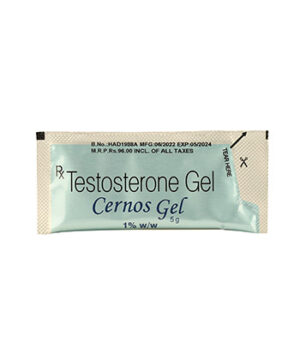
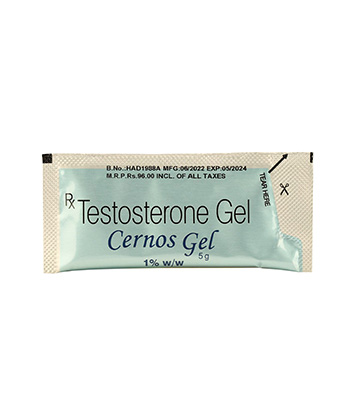
Testosterone topical is a medicine applied to the skin to replace or supplement testosterone in the body. It is commonly used for men who have testosterone levels that are persistently low due to medical causes. This guide explains how it works, how it’s used, expected effects, safety information, and what to consider in everyday life.
Note: Product strengths and brands vary. Always follow the instructions provided with your specific product and any clinician guidance relevant to your situation.
Basic product information
- Medicine name: Testosterone topical (typically a gel or solution applied to the skin)
- Therapeutic category: Androgen (testosterone replacement therapy)
- Common forms: Topical gel or solution (applied to the shoulders/upper arms and/or abdomen depending on the brand)
- Strengths: Vary by brand (e.g., “X mg” per measured dose)
- Typical dosing schedule: Once daily, usually at the same time each day
- Who it’s for: Adult men with clinically confirmed hypogonadism (low testosterone)
How testosterone works (mechanism of action)
Testosterone is an androgen hormone. When applied through the skin, it is absorbed into the bloodstream and helps restore testosterone levels. Testosterone then:
- Supports the development and maintenance of male sexual characteristics
- Helps maintain libido, erectile function, and sexual performance in many men (effects vary)
- Supports muscle mass and strength
- bone density over time
- Influences energy levels and mood (some changes may take weeks)
- May improve haematological parameters (including red blood cell production), which is why monitoring is important
Topical testosterone provides replacement rather than “boosting” for everyone. The goal is to bring testosterone into a healthy, individual target range.
Pharmacokinetics (absorption, distribution, metabolism, excretion)
After applying testosterone to the skin, absorption into the bloodstream occurs through the skin layers.
- Absorption: Testosterone is absorbed gradually from the application site.
- Time to steady levels: Many men reach relatively stable levels after repeated daily use (often within about 2–4 days, depending on product and person).
- Peak levels: Blood levels may rise after application and then decline toward the next dose.
- Metabolism: Testosterone is metabolised in the liver and in other tissues; it can be converted to estradiol (via aromatase) and to dihydrotestosterone (DHT) (via 5α-reductase), depending on tissue.
- Excretion: Metabolites are eliminated primarily via the urine (and to some extent faeces).
Practical implication: Because blood levels can vary across the day, it’s often recommended that blood tests are timed consistently (e.g., just before the next dose, depending on clinician instructions).
Typical use in everyday terms
Testosterone topical is used to treat symptoms and conditions associated with low testosterone confirmed by medical evaluation. Common symptoms may include:
- Reduced sex drive (libido)
- Erectile dysfunction
- Low energy, fatigue
- Loss of muscle mass and strength
- Increased body fat
- Reduced bone density (osteoporosis or risk of fractures)
Improvements don’t happen overnight. Many men notice changes in libido or energy within weeks, while muscle and bone-related improvements typically take months.
Indications (what it is used for)
In Australia, testosterone topical is used for androgen deficiency in adult men with confirmed hypogonadism. Your clinician will assess both symptoms and blood test results before treatment is considered.
Indications may include:
- Primary hypogonadism (testicular causes)
- Secondary hypogonadism (pituitary/hypothalamic causes)
- Documented testosterone deficiency with associated clinical symptoms
Important: Testosterone therapy is not intended for use in women or in men with testosterone deficiency symptoms due to non-hormonal causes. It is not a general “male enhancement” product.
Dosing and timing (general guidance)
General dosing pattern
- Frequency: Usually once daily
- Time of day: Apply at about the same time each day
- Starting dose: Determined by the product strength and your testosterone blood levels
- Adjustment: Dose may be adjusted based on symptoms and blood tests
Timing relative to your day
Most topical regimens aim to provide consistent daily testosterone exposure. A consistent routine helps maintain stable blood levels.
- Apply at a time that fits your schedule and allows time for the gel to dry before clothing.
- Plan blood tests (if ordered) at a consistent time relative to your last application.
Example schedule (illustrative)
- Morning (e.g., 7–9am): Apply testosterone topical
- Drying time: Ensure skin is fully dry before dressing
- Ongoing: Avoid washing the area too soon after application
Always follow the exact instructions for your specific product.
Practical use tips (how to apply safely and correctly)
How to apply
- Apply to clean, dry, intact skin (avoid broken, irritated, or shaved areas unless your product instructions allow it).
- Use the measured dose recommended for your product.
- Spread it evenly over the approved application area (commonly upper arms/shoulders and/or abdomen depending on brand).
- Allow it to dry fully before getting dressed or contacting others.
Important transfer precautions
Testosterone topical can transfer to another person through skin-to-skin contact. This is especially important with:
- Children
- Pregnant women (to avoid unintended hormone exposure)
- Partners or household members who may have skin contact with the treated area
To reduce transfer risk:
- Cover the application site with clothing after the gel has dried.
- Avoid skin-to-skin contact with others on the treated area until sufficient time has passed (follow product instructions for the recommended waiting period).
- Wash your hands thoroughly after application.
- Do not share towels or clothing that may contact the treated area.
Bathing and washing
- Follow the product instructions for bathing or showering timing after application.
- Keep the application site protected if your routine involves heavy sweating soon after application.
Missed dose
If you miss a dose:
- Apply it when you remember only if you are still within the same day and close to your usual time.
- If it is nearly time for your next dose, skip the missed dose.
- Do not apply double the amount.
When in doubt, ask your pharmacist or clinician for product-specific advice.
Safety profile and important precautions
Like all medicines, testosterone topical can cause side effects. Not everyone experiences them, but you should know what to watch for and what monitoring may be needed.
Common side effects
- Application site reactions (redness, irritation, itching)
- Headache
- Acne or oily skin
- Changes in mood (e.g., irritability)
- Fluid retention (swelling, feeling “puffy”)
- Increased libido in some men
Serious side effects (seek urgent medical advice)
- Signs of blood clot (e.g., sudden pain/swelling in a leg, chest pain, shortness of breath)
- Severe allergic reaction (swelling of face/lips, difficulty breathing, widespread rash)
- Severe worsening symptoms of prostate-related issues (see below)
- Symptoms of high blood pressure or worsening heart failure (e.g., marked shortness of breath, significant leg swelling)
Prostate and urinary symptoms
Testosterone may potentially worsen symptoms of benign prostatic hyperplasia (BPH) or affect prostate health. Tell your clinician if you notice:
- Difficulty starting urination
- Weak urine stream
- Increased night-time urination
- Frequent or urgent urination
Blood monitoring (haematocrit/haemoglobin)
Testosterone can stimulate red blood cell production. This can lead to increased haematocrit. Your clinician may monitor:
- Haematocrit/haemoglobin
- Testosterone levels (to ensure appropriate dosing)
- Other relevant blood tests (product- and person-dependent)
Sleep apnoea
Testosterone may worsen obstructive sleep apnoea in some individuals. Seek medical advice if you snore loudly with breathing pauses or feel excessively tired despite rest.
Fertility considerations
Testosterone therapy can reduce sperm production in some men, potentially affecting fertility. If you are planning children, discuss options with your clinician before starting or continuing therapy.
Gynecomastia (breast enlargement)
Testosterone can be converted to oestrogen in the body. This may lead to breast tenderness or enlargement in some men. Report symptoms promptly.
Alcohol interactions
Moderate alcohol use is not generally listed as a direct “contraindication” for testosterone topical. However:
- Excess alcohol can negatively affect overall hormone balance, liver health, sleep quality, and cardiovascular risk.
- Heavy drinking may make it harder to monitor changes in energy, mood, or sexual function.
Practical advice: If you drink alcohol, aim for moderate amounts and tell your clinician about your typical intake, especially if you have liver disease or cardiovascular conditions.
Medicine interactions (important considerations)
Food interactions
Food interactions: Because testosterone topical is absorbed through the skin rather than taken by mouth, food usually does not directly affect absorption. There are still general health considerations:
- Maintaining a consistent diet can help with weight and metabolic health.
- Some people experience appetite or mood changes; stay mindful of overall nutrition.
Alcohol and medicine combinations
Alcohol may increase the risk of side effects from some medicines. If you take other medications, consider:
- Potential effects on blood pressure and fluid balance.
- Potential liver effects if you have liver disease or take medicines that affect the liver.
- Sleep disruption, which can indirectly affect wellbeing and symptom control.
Other medicine interactions
Always check with a pharmacist if you are taking multiple medicines, including:
- Oral anticoagulants (“blood thinners”) (warfarin is a classic example). Testosterone can affect coagulation in some cases, requiring closer monitoring of INR where relevant.
- Corticosteroids or other hormonal therapies (combined hormone effects may occur).
- Medicines for seizures or certain other drugs that affect liver enzymes (these may influence hormone metabolism).
- Diabetes medicines: testosterone can affect insulin sensitivity in some men; monitoring may be needed.
Important: Drug interactions depend on your exact medicines and health conditions. For personalised safety, review your full medication list with a pharmacist.
Monitoring and follow-up (what to expect)
Testosterone therapy works best with appropriate monitoring. Your clinician may check:
- Testosterone levels to confirm they are in the desired range
- Haematocrit/haemoglobin to reduce the risk of blood thickening
- Liver function if relevant to your medical history
- Lipid profile depending on your cardiovascular risk
- Prostate health (e.g., PSA and symptom review) where appropriate
Adjustment may involve changing the dose, timing, or switching brands/formulations if skin absorption or tolerability is an issue.
Dose adjustment: common practical reasons
- Low testosterone levels on blood tests despite good adherence
- High testosterone levels or side effects indicating possible overexposure
- Skin irritation or inconsistent absorption due to application technique
- Changes in routine such as increased sweating, bathing schedule, or clothing habits
Alternative options
If testosterone topical is not suitable due to skin reactions, lifestyle constraints, or treatment goals, other options may be considered. Alternatives may include:
- Intramuscular testosterone injections
- Long-acting testosterone preparations (depending on availability)
- Subcutaneous or implantable options (availability varies)
- For specific infertility or fertility goals: selected medical approaches that preserve or support sperm production may be considered (these are clinician-led decisions)
Your clinician or pharmacist can advise on which alternative best matches your symptoms, monitoring needs, and preference.
Market and legal context for Australia (patient-friendly overview)
In Australia, testosterone-containing medicines are regulated as prescription medicines and are supplied through appropriate channels. Supply and use are subject to Australian medicines and therapeutic goods requirements, including product quality, labelling, and safety monitoring.
Important: Avoid using unapproved or “non-brand” products obtained from unofficial sources. Testosterone products should be from legitimate supply chains with clear labelling of dose and ingredients.
Reputable monitoring: Ongoing treatment typically includes periodic blood tests and clinical review to ensure benefits outweigh risks.
Recent guidance (general direction): Australian clinical practice generally emphasises confirmed diagnosis (symptoms plus repeated testosterone testing), appropriate dosing, and regular monitoring for prostate health and haematocrit. Clinicians may also consider cardiovascular risk and sleep apnoea history when deciding on therapy.
Delivery and availability (online pharmacy)
Availability of testosterone topical depends on the brand, strength, and local regulatory requirements. If it is offered online, delivery is typically arranged to eligible Australian addresses following standard verification processes.
- Dispatch time: Often within 24–48 hours of order processing (varies by supplier and stock).
- Shipping: Standard and express options may be offered depending on location.
- Cold chain: Most testosterone topical products do not require refrigeration, but always check the product label.
- Packaging: Medicines are normally packed securely to protect from damage and to support privacy.
If you have urgent timing needs, contact customer support to confirm dispatch timelines.
Safety in special populations
Pregnancy and breastfeeding
Testosterone topical is for adult men with testosterone deficiency. It is not intended for women. Transfer to a pregnant person should be avoided.
Children
Keep out of reach of children. Avoid any transfer to children through skin contact.
Elderly men
Older men may have higher baseline risk factors (e.g., prostate enlargement, cardiovascular disease). Monitoring is especially important. Dosing may need careful adjustment.
FAQ
1) How long does it take to work?
Some improvements (such as libido or energy) may be noticeable within 2–6 weeks. Muscle strength and body composition often take 3–6 months or longer. Bone density changes may take 6–12 months or more.
2) What should I do if I miss a dose?
Apply when you remember on the same day if it’s close to your usual time. If it’s near the next dose, skip the missed dose—don’t apply double. Ask a pharmacist if you’re unsure.
3) Can women or children touch the treated area?
To reduce transfer risk, avoid skin-to-skin contact with others on the treated site until enough time has passed and the area is properly covered. Keep treated skin covered and wash hands after applying.
4) Will I gain muscle quickly?
Testosterone can support muscle maintenance and growth, but results vary and typically require appropriate resistance training and adequate protein intake. Fatigue and energy improvements may help you train more consistently.
5) Does food affect testosterone topical?
Food usually has little direct effect on topical testosterone absorption because it’s absorbed through the skin. Follow application instructions consistently.
6) Can I drink alcohol while using it?
Moderate alcohol use is not typically a direct interaction concern, but excessive alcohol can harm health and may worsen some symptoms. If you take other medicines or have liver/cardiovascular issues, discuss alcohol intake with a pharmacist.
7) What are the most important side effects to monitor?
Watch for application site irritation, worsening urinary symptoms, signs of fluid retention, and symptoms that may suggest increased red blood cell count. You should also attend scheduled monitoring blood tests.
8) How do I minimise skin irritation?
Apply to clean, dry, intact skin; avoid applying to broken or inflamed areas; allow the product to dry before dressing; and follow the product’s approved application sites. If irritation continues, seek advice—your dose or brand may need adjustment.
9) Can I exercise or shower after applying?
Follow the product label about drying time and when bathing/showering is allowed. Avoid contact with the product and follow timing guidance to prevent transfer and ensure proper absorption.
10) Is it safe to drive or operate machinery?
Testosterone topical is not usually associated with driving impairment. However, if you experience dizziness or mood changes, be cautious until you know how the medicine affects you.
Summary
Testosterone topical is used to treat clinically confirmed testosterone deficiency in adult men. It works by delivering testosterone through the skin, helping improve symptoms and supporting muscle, bone, and sexual health. Because transfer to others can occur, safe handling and skin coverage are crucial. Regular monitoring of blood levels and related health parameters helps maximise benefits and reduce risks.
Always read the product label for specific application instructions (including drying and transfer precautions). If you have questions about side effects, interactions, or how to use your particular brand, speak with a pharmacist.
Quick reference (typical product overview)
| Feature | What to know (general) |
|---|---|
| Form | Topical gel/solution applied to skin |
| How often | Usually once daily |
| Best approach | Apply at the same time each day; allow it to fully dry |
| Main benefit | Restores testosterone to reduce symptoms of androgen deficiency |
| Key safety point | Prevent transfer to others; wash hands after application |
| Monitoring | Blood tests and clinical review are important for safety and dose accuracy |