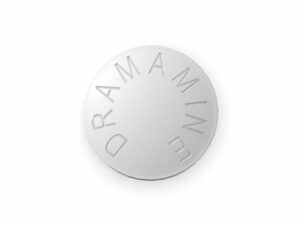


Antivert (Meclizine) – Patient-Friendly Guide
Antivert contains meclizine, a medicine used to help control symptoms of dizziness and vertigo. It is commonly used for people who feel “spinning” sensations, unsteadiness, or motion-related nausea.
This guide explains how Antivert works, typical uses, timing, food and alcohol interactions, practical tips, and important safety information. It is written for customers in Australia.
Basic product information
- Medicine: Antivert
- Active ingredient: Meclizine
- Medicinal class: Antihistamine (H1-receptor antagonist) with anti-vertigo effects
- Common dosage forms: Tablets (brand strength varies by product)
- Typical use: Vertigo, dizziness, motion sickness–type symptoms
Note: Always check the strength on your specific pack (for example, 25 mg or similar) and follow the dose instructions provided by your pharmacy or product label.
How Antivert (Meclizine) works (mechanism of action)
Meclizine is an antihistamine that helps calm the nervous system pathways involved in dizziness and nausea.
- Reduces signals from the inner ear: Vertigo often originates in balance organs (inner ear). Meclizine can help lessen inappropriate signals that trigger spinning sensations.
- Anticholinergic and central effects: Meclizine can decrease nausea and improve stability by acting on receptors in the brain that influence motion sensitivity.
- Anti-vestibular effect: By dampening vestibular (balance) signalling, it may reduce vertigo symptoms and related nausea.
In many people, symptoms improve after the medicine takes effect, but the cause of vertigo (for example, inner ear conditions) still needs appropriate evaluation if symptoms persist or worsen.
Pharmacokinetics (how your body handles it)
Pharmacokinetics describe what the body does to the medicine—how it is absorbed, metabolised, and eliminated.
- Absorption: Meclizine is absorbed after oral dosing, with effects generally occurring within a few hours.
- Onset of action: Many users notice symptom relief within 1–3 hours after taking a dose (timing can vary).
- Distribution: It acts in the central nervous system (brain), which explains common side effects such as drowsiness.
- Metabolism: Meclizine is metabolised mainly in the liver.
- Elimination: Metabolites are eliminated primarily via urine (and to a lesser extent by other routes).
Practical takeaway: Because it works on the brain’s balance and nausea pathways, consistent dosing schedules can help during ongoing symptoms (such as vertigo attacks). For single events (such as planned travel), it’s typically taken before the situation that triggers symptoms.
Typical use and common indications
Antivert (meclizine) is used to relieve symptoms associated with:
- Vertigo (a spinning sensation)
- Dizziness including motion-related unsteadiness
- Nausea and vomiting related to vertigo or motion sensitivity
- Motion sickness–type symptoms for some people
Important: Meclizine treats symptoms such as dizziness and nausea. It does not address every underlying cause of dizziness. Seek medical advice if dizziness is sudden, severe, or accompanied by red-flag symptoms.
When and how quickly it works (timing)
Timing can make a big difference—especially for travel or situations that trigger symptoms.
For vertigo/dizziness symptoms
- Take the dose when symptoms start or as advised by your dosing plan.
- Relief may begin within 1–3 hours, with improvement varying between individuals.
For motion-related symptoms (e.g., travel)
- Consider taking it about 1 hour before travel or the activity likely to trigger symptoms.
- Allow it time to start working before the journey begins.
Tip: Plan your dose timing so you’re not driving or operating machinery until you know how Antivert affects you.
Food interactions
Food interactions with meclizine are generally limited, and many people can take it with or without food. However, food may influence how comfortable you feel while the medicine is working.
- Taking with food: May be helpful if you find that the tablet upsets your stomach.
- Taking on an empty stomach: Some people prefer it for consistent absorption, but nausea and stomach discomfort can occur in sensitive individuals.
Practical advice: Choose the option that suits your comfort. If you notice stomach upset, try taking it with a light meal or snack.
Alcohol and medicine interactions
Alcohol
It’s best to avoid or limit alcohol while using Antivert because the combination can increase:
- Drowsiness and sedation
- Dizziness or impaired coordination
- Risk of falls in older adults
Safety tip: If you do drink alcohol, keep it minimal and be extra cautious with driving and tasks requiring alertness.
Other medicines that may interact
Meclizine can enhance the effects of other medicines that cause sedation or affect the central nervous system.
Be especially cautious if you are taking:
- Other sedating antihistamines
- Sleeping tablets or medicines for anxiety
- Opioid pain medicines
- Muscle relaxants
- Some antidepressants that can cause drowsiness
- Anti-nausea medicines that may also sedate
Always check labels: Over-the-counter “cold and flu” products often contain antihistamines that may add to drowsiness.
If you take multiple medicines, it’s wise to ask your pharmacist whether they may increase sedation when combined with meclizine.
Dosing: typical adult use
Dosing depends on the reason for use, your age, other health conditions, and the exact tablet strength available in your product pack.
Always follow the directions on the product label or the dosing plan provided by a healthcare professional.
Common adult dosing patterns (general guidance)
- For many adults, meclizine is taken as 25 mg doses (or the pack-strength equivalent) to manage vertigo symptoms.
- Dosing frequency often ranges from once daily up to three times daily, depending on symptoms and prescriber/pharmacist advice.
Because product strengths and instructions can vary by country and formulation, please refer to your specific pack or label.
Missed dose
- If you miss a dose, take it when you remember unless it is close to the next dose.
- Do not take extra doses to make up for a missed one.
Children
Use in children should only be undertaken with careful attention to age and product suitability. Always refer to the product label and seek appropriate advice if you are unsure.
Safety profile: who should be cautious
Antivert (meclizine) is generally well tolerated when used correctly, but like all medicines it can cause side effects. Some people—particularly older adults—may be more sensitive to drowsiness and balance effects.
Common side effects
- Drowsiness or tiredness
- Dry mouth
- Constipation
- Blurred vision
- Headache
- Fatigue
Less common but important reactions
- Allergic reactions (rash, itching, swelling, trouble breathing)
- Urinary retention (difficulty passing urine), especially in people with prostate enlargement
- Confusion or marked sedation, particularly in older adults
Seek urgent medical help if you develop signs of an allergic reaction or severe adverse effects.
When to be extra cautious
- Older adults: Higher risk of falls and confusion from sedation
- Glaucoma: Some antihistamines can worsen narrow-angle glaucoma
- Enlarged prostate / urinary problems: Possible urinary retention
- Respiratory conditions: Caution if you have breathing problems or use medicines that depress breathing
- Liver impairment: Talk to a pharmacist for advice on suitability and dosing
Practical use tips (how to take Antivert safely)
- Test your response first: Your first dose may cause drowsiness. Consider taking it when you don’t need to drive or do hazardous tasks.
- Stay hydrated: Dizziness and vomiting can dehydrate you. Sip fluids if you’re nauseated.
- Reduce fall risks: If you feel unsteady, use handrails and avoid sudden head movements.
- Move slowly: Stand up gradually from sitting or lying positions.
- Check for duplicate ingredients: Some cold/flu products contain antihistamines; combining can increase side effects.
- Don’t “stack” sedating products: Avoid combining with alcohol or other sedatives unless a clinician advises it.
Driving and machinery: Because meclizine can cause drowsiness, avoid driving or operating machinery until you know how it affects you.
What to do if symptoms persist or worsen
Dizziness and vertigo can have many causes, ranging from inner ear issues to blood pressure changes or neurological conditions. Seek urgent medical attention if dizziness is accompanied by:
- Weakness or numbness on one side of the body
- Difficulty speaking or facial drooping
- Severe headache that is sudden or unusual
- Chest pain or shortness of breath
- Fainting or severe confusion
- Persistent vomiting or inability to keep fluids down
- New hearing loss or severe ear pain
If symptoms last longer than expected, recur frequently, or interfere with daily life, ask a healthcare professional for an assessment.
Alternative options (depending on cause and symptoms)
Because dizziness and vertigo have different causes, alternatives may include non-medicine strategies as well as other medicines. Options your pharmacist or clinician may discuss include:
Non-medicine/supportive approaches
- Hydration and rest
- Balance and vestibular rehabilitation exercises (especially for certain inner ear disorders)
- Trigger management (e.g., limiting rapid head movements)
Medicine alternatives (examples)
- Other anti-vertigo or anti-nausea medicines (choice depends on your symptoms and health profile)
- Medicines targeting specific inner ear conditions may be recommended if an underlying diagnosis is found
Important: Don’t switch medicines without advice, especially if you’re taking other medications that affect alertness.
Australia market and legal context (what you should know)
Medicines in Australia are regulated under the Therapeutic Goods Administration (TGA) and are classified based on how they can be supplied (for example, certain medicines may be “pharmacy-only” or otherwise restricted depending on the product and formulation).
Availability may vary by brand, pack size, and formulation. Online pharmacy services in Australia may supply eligible products based on their regulatory classification and the required customer checks.
Product suitability: If you are unsure whether Antivert is appropriate for your situation, a pharmacist can help you compare options and check for potential interactions and contraindications.
Recent guidance and ongoing safety considerations
Guidance for dizziness/vertigo treatment continues to emphasise safety, appropriate dosing, and awareness of sedation risks—particularly in older adults. Key practical points often reinforced by health authorities and pharmacists include:
- Use the lowest effective dose for the shortest time needed.
- Avoid alcohol and other sedating substances while taking meclizine.
- Be cautious with driving or operating machinery due to drowsiness.
- Seek medical evaluation if symptoms suggest a serious underlying cause.
Always follow the instructions on your specific Australian product label and consult a healthcare professional for personal advice.
Delivery and availability (online pharmacy in Australia)
Antivert (meclizine) may be available through qualified online pharmacy services depending on current stock levels and product classification.
Typical online purchase and delivery considerations include:
- Stock availability: Products may be subject to supply changes.
- Delivery timeframes: Vary by metro vs regional areas and by courier services.
- Packaging: Medicines are usually shipped in protective packaging to prevent damage.
- Payment and customer verification: Some products may require standard pharmacy customer checks.
If delivery timing is important (for example, travel within days), check stock and estimated dispatch times before ordering.
Comparison table: quick reference
| Category | Antivert (Meclizine) |
|---|---|
| Active ingredient | Meclizine |
| What it helps with | Vertigo-related dizziness, nausea, and motion sensitivity |
| How it works | Antihistamine effects that calm vestibular (balance) pathways |
| Typical onset | Often within 1–3 hours (varies) |
| With food | Usually can be taken with or without food; take with food if stomach upset occurs |
| Alcohol | Avoid or limit—can increase drowsiness and dizziness |
| Common side effect | Drowsiness, dry mouth, constipation |
| Caution | Older adults, glaucoma, urinary retention risk, other sedating medicines |
FAQ – Antivert (Meclizine)
1) How long does Antivert take to work?
Many people notice symptom relief within 1–3 hours. Timing varies depending on the person, the cause of vertigo, and whether symptoms are ongoing.
2) Can I take Antivert with food?
Yes. Many people can take it with or without food. If you experience stomach discomfort, taking it with a light meal or snack may help.
3) Can I drink alcohol while taking meclizine?
It is generally recommended to avoid or limit alcohol because it can increase sedation, dizziness, and the risk of falls. If you do drink, be cautious and avoid driving.
4) Will Antivert make me sleepy?
Possibly. Drowsiness is a common side effect. Until you know how it affects you, avoid driving and risky activities.
5) Is Antivert only for vertigo?
Antivert is commonly used for vertigo-related dizziness and associated nausea. It may also help with symptoms linked to motion sensitivity for some people.
6) What should I do if my dizziness gets worse?
If dizziness worsens, persists, or comes with red-flag symptoms (such as weakness, speech difficulty, severe headache, chest pain, or fainting), seek urgent medical attention. Otherwise, contact a pharmacist or clinician for assessment.
7) Can I take other antihistamines with Antivert?
Combining antihistamines can increase the risk of excessive drowsiness and other side effects. It’s best to check with a pharmacist if you plan to use other antihistamine products (including many cold/flu formulations).
8) Is Antivert suitable for older adults?
Older adults should use caution due to higher sensitivity to drowsiness and fall risk. If you’re an older adult, consider asking a pharmacist for advice on the safest approach.
9) What if I miss a dose?
If you miss a dose, take it when you remember unless it is almost time for your next dose. Do not take extra to compensate.
10) Where can I buy Antivert in Australia?
Antivert (meclizine) availability depends on the product’s regulatory classification and current stock. It may be available through eligible Australian online pharmacy services and retail options that supply the medicine according to Australian regulations.
Summary
Antivert (meclizine) is an antihistamine used to relieve symptoms of vertigo, including dizziness and nausea. It works by calming the balance and nausea pathways in the nervous system. Relief often begins within a few hours, and it’s commonly taken before travel to reduce motion-related symptoms. Because meclizine can cause drowsiness, it’s important to avoid alcohol and be cautious with driving and machinery. If dizziness is severe, sudden, or accompanied by concerning symptoms, seek urgent medical help.
Always read the package label for the specific strength and instructions for your product, and ask a pharmacist if you have questions about interactions or suitability.