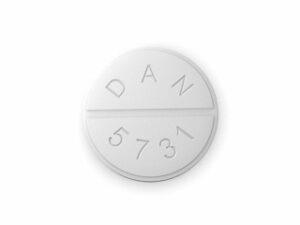


Phenazopyridine (Urinary Tract Pain Relief) — Patient Information (Australia)
Phenazopyridine is a medicine used to relieve pain, burning, urgency, and discomfort associated with lower urinary tract irritation (often felt during urination). It works locally in the urinary tract to provide symptom relief while the underlying cause is being addressed.
This page explains how phenazopyridine works, how to use it safely, common interactions (including with alcohol and other medicines), and what to expect. It is written for patients in Australia.
| Product (Generic Name) | Phenazopyridine |
|---|---|
| Common purpose | Relieves urinary tract pain and burning symptoms |
| Where it acts | Local effect on the urinary tract lining |
| Key benefit | Fast, targeted symptom relief (not an antibiotic) |
| How it’s taken | Oral tablets (dose varies by product strength) |
| Important notes | Use for short-term symptom relief; seek medical advice for persistent or severe symptoms |
Basic product information
Phenazopyridine is a urinary analgesic (a medicine that helps relieve pain). In Australia, it may be available in specific brands and strengths depending on supply and pharmacy listing.
- Generic name: phenazopyridine
- Type: urinary tract pain reliever
- Not for: treating the infection itself
- Typical duration: short-term use only (commonly a few days)
How phenazopyridine works (mechanism of action)
Phenazopyridine helps relieve the burning pain and irritation associated with urination by acting directly in the urinary tract.
It has a local analgesic effect on the lining of the urinary tract. This can reduce discomfort even when the underlying cause (such as infection, inflammation, or irritation) is still present.
Important: phenazopyridine is not an antibiotic and does not cure bacterial infections.
Pharmacokinetics (how the body processes it)
After oral dosing, phenazopyridine is absorbed and metabolised. Its metabolites are eliminated from the body, mainly via the kidneys. Because it affects the urinary tract and is cleared by renal mechanisms, kidney function plays a significant role in safety.
- Absorption: taken by mouth and absorbed sufficiently to exert local urinary tract effects.
- Metabolism: metabolised in the body (including in the liver).
- Excretion: elimination largely occurs through the urine.
- Urine colour change: a well-known effect is orange-red urine, which is expected when taking phenazopyridine.
What it’s used for (typical use)
Phenazopyridine is commonly used for temporary relief of symptoms such as:
- burning sensation when passing urine
- pain or discomfort in the bladder/urethra
- urinary urgency
- frequent urination due to lower urinary tract irritation
Many people use it to help while waiting for assessment or while an underlying condition is treated. It may be used alongside other medicines if recommended by a healthcare professional, but it does not replace treatment aimed at the underlying cause.
Timing: when to take it and when you’ll feel better
Symptom relief is often noticeable within a relatively short period after a dose. However, the exact “speed” can vary between individuals and depending on the product formulation.
- Start: take as directed on your product label or pharmacy instructions.
- During symptoms: use to manage burning pain and urgency while symptoms persist.
- Review: if symptoms are not improving within a short time, get medical advice promptly.
Indications and when it may be appropriate
Phenazopyridine is indicated for short-term relief of dysuria and related urinary tract discomfort from lower urinary tract irritation.
It may be considered when you have symptoms such as burning and pain with urination, especially if you’re waiting for confirmation of the cause or seeking appropriate treatment for the underlying issue.
Not suitable for all causes: symptoms like fever, back/flank pain, or feeling very unwell may suggest an infection that needs urgent evaluation. Phenazopyridine can mask discomfort without treating serious causes.
Dosing (general guidance)
Dosing depends on the strength of the tablet and local product instructions. Always follow the directions provided on the package or by your pharmacist.
General adult dosing approach
Many products are taken up to three times daily for short-term symptom relief, but the exact schedule can vary by formulation.
- Take with water.
- Space doses evenly across the day unless your product directions specify otherwise.
- Do not exceed the recommended daily dose.
- Use for the shortest time possible and re-check if symptoms persist.
Missed dose
If you miss a dose, take it when you remember unless it’s close to your next dose. Do not take extra doses to make up for the missed one.
Children
Use in children should be guided by product directions and professional advice. Because dosing varies by age and strength, check with your pharmacist.
Food interactions and what to eat
Phenazopyridine may be taken with or without food, depending on the specific product instructions. However, food can help reduce potential stomach upset for some people.
- If you experience nausea, consider taking it with a meal or snack.
- Stay well hydrated unless your clinician has advised fluid restriction.
There are no special “must avoid” foods generally required, but maintaining good hydration can support urinary tract comfort.
Alcohol interactions
It’s generally advisable to be cautious with alcohol while using medicines for urinary symptoms. Alcohol can worsen dehydration and may aggravate bladder irritation in some people.
- Avoid binge drinking while symptoms are present.
- Moderate intake and monitor how your urinary symptoms respond.
- If you have liver or kidney conditions, discuss alcohol use with a healthcare professional.
Interactions with other medicines
Phenazopyridine can interact with certain medicines and may increase risks in specific health situations. Always provide your pharmacist with a list of all medicines you take, including:
- prescription medicines
- over-the-counter medicines
- herbal products
- vitamins and supplements
Key interaction considerations
- Kidney function: people with impaired renal function may be at higher risk of accumulation and side effects. Inform your pharmacist if you have kidney disease or reduced kidney function.
- Medicines affecting blood cells: phenazopyridine has the potential (in rare cases) to affect blood components. Caution is important if you take medicines that influence blood clotting or blood cell function.
- Ongoing treatment for infection or inflammation: phenazopyridine may be used for symptom relief alongside other treatments, but ensure you understand the role of each medicine.
If you are unsure about a specific medicine interaction, ask your pharmacist. This information cannot cover every possible product interaction.
Safety profile: common and serious side effects
What’s expected
- Orange-red urine: a common and expected effect. It can stain clothing/underwear.
- Possible mild stomach upset: nausea or discomfort in some people.
Seek urgent medical advice if you experience
Stop taking phenazopyridine and seek prompt medical attention if you develop symptoms that could indicate a serious reaction. Examples include:
- swelling of the face, lips, tongue, or throat
- trouble breathing or wheezing
- severe rash, blistering, or peeling skin
- persistent vomiting or inability to keep fluids down
- signs of liver problems (e.g., yellowing of eyes/skin, dark urine beyond the expected orange-red)
- severe or worsening illness
Less common but important risks
Phenazopyridine should generally be used only for short-term symptom relief. Rare adverse effects can include changes in blood cells or kidney/liver-related complications, especially with higher doses or longer use, or if you have existing risk factors.
Who should take extra care
- Kidney impairment: increased risk of side effects; discuss before use.
- Liver impairment: may increase risk; discuss before use.
- History of blood disorders: ask a healthcare professional for advice.
- Pregnancy or breastfeeding: speak with a healthcare professional before use to weigh risks and benefits.
- G6PD deficiency (favours special caution): phenazopyridine may pose increased risk in certain blood conditions.
Practical use tips
- Hydrate well: drinking water can help flush the urinary tract and may ease discomfort.
- Know about urine colour: expect orange-red urine. This is not usually dangerous, but it can affect interpretation of urine tests.
- Protect fabrics: phenazopyridine may stain laundry; consider wearing dark-coloured underwear or using a protective pad if needed.
- Do not ignore red flags: burning may occur with more serious issues; do not rely solely on symptom relief.
- Short course only: if symptoms persist beyond the short-term recommended period, seek advice.
When to seek medical advice
Because phenazopyridine only relieves symptoms, it’s important to seek medical care if you have signs of a condition that requires targeted treatment.
- fever or chills
- back/flank pain (pain in the side or lower back)
- blood in the urine (beyond expected staining)
- symptoms lasting more than a few days or not improving
- recurrent urinary symptoms
- pregnancy, diabetes, immunosuppression, or known kidney problems
- severe pain or feeling unwell
Alternative options for urinary discomfort
Treatment depends on the cause of urinary symptoms. While phenazopyridine addresses pain and burning, alternatives or supportive approaches may include:
- Urinary alkalinising agents (where appropriate): may reduce acidity-associated discomfort.
- Pain relief medicines such as paracetamol or ibuprofen (if suitable for you) for general discomfort.
- Hydration and comfort measures: increased water intake, heat packs to ease bladder discomfort.
- Addressing underlying infection or inflammation: if an infection is suspected, the cause usually needs specific treatment rather than symptom relief alone.
- Non-medicine measures: avoid bladder irritants (e.g., caffeine and alcohol), practice good hygiene, and consider urinating after sexual activity if that’s a trigger for you.
If you’re unsure which option fits your symptoms, a pharmacist can help guide you to the most appropriate product and duration.
Market and legal context for Australia
In Australia, access to medicines is regulated to help ensure safety and appropriate use. Depending on the brand and formulation, phenazopyridine may be supplied through pharmacies in line with Australian scheduling and pharmacy practices.
Product availability can vary by state, supplier listing, and supply conditions. Online pharmacies typically provide information on ordering, delivery, and safe use guidelines, and may ask for relevant health questions before dispatch.
Recent guidance and “what to watch for”
While guidance can change, a common clinical focus in recent years has been:
- encouraging short-term symptom relief approaches rather than prolonged use of urinary analgesics
- reinforcing that symptom-relief medicines don’t treat infections
- prompt assessment for red-flag symptoms (fever, flank pain, worsening condition)
- stressing safe use with kidney/liver risk factors and awareness of urine colour changes affecting tests
If you have kidney or liver conditions, or if you experience recurrent symptoms, consider speaking with a healthcare professional for personalised advice.
Delivery and availability (Australia)
Phenazopyridine may be available through selected pharmacies and online retailers across Australia. Availability can depend on stock levels, formulation, and schedule rules for that product.
- Ordering: select your preferred strength/pack size according to product listings.
- Dispatch: timelines depend on your location and stock availability.
- Packaging: items are usually packed to protect tablets from moisture and handling.
- Delivery: standard and express options may be offered; check the checkout page for estimated times.
For the latest stock and delivery estimates, refer to the product page and delivery information at checkout.
How to store phenazopyridine
- Store at the temperature stated on the pack.
- Keep out of reach of children.
- Keep tablets in their original packaging to protect from moisture.
- Check the expiry date and do not use after expiry.
FAQ
1) Does phenazopyridine treat a urinary tract infection?
No. Phenazopyridine provides symptom relief (burning, pain, urgency) but does not treat the underlying cause, such as a bacterial infection. If infection is suspected, appropriate treatment should be considered.
2) Will phenazopyridine make my urine change colour?
Yes. It commonly turns urine orange to reddish. This is expected. It can stain fabrics and may affect the appearance of urine tests.
3) How long can I take phenazopyridine?
It’s intended for short-term relief. Use only for the duration recommended on the product label and by pharmacy advice. If symptoms persist beyond that short period or worsen, seek medical advice.
4) Can I take it with food?
Usually you can. If it upsets your stomach, take it with a meal or snack. Always follow the instructions on the pack.
5) Is it safe to drink alcohol while using phenazopyridine?
It’s best to limit alcohol while you’re experiencing urinary symptoms. Alcohol can worsen irritation and dehydration. If you have liver/kidney conditions or take other regular medicines, ask a pharmacist for personalised advice.
6) Who should avoid phenazopyridine or seek advice first?
People with kidney or liver impairment, certain blood disorders, those who are pregnant or breastfeeding, and those with complex medication regimens should seek advice before use.
7) What should I do if my symptoms don’t improve?
Stop relying on symptom relief and seek medical advice promptly—especially if you have fever, back/flank pain, worsening pain, or blood in urine.
8) Can I drive or operate machinery?
Phenazopyridine is not commonly associated with impaired driving. However, individual reactions vary. If you feel unwell, avoid driving or operating machinery until you feel better.
9) What are the most important side effects to watch for?
Watch for signs of allergy or serious reactions (swelling, trouble breathing, severe rash), as well as persistent nausea/vomiting, yellowing of skin/eyes, or other severe symptoms. Orange-red urine alone is usually expected.
10) Is urine colour change dangerous?
Orange-red urine is expected. It becomes concerning only if you notice other symptoms such as jaundice, severe illness, or symptoms that suggest a serious reaction.