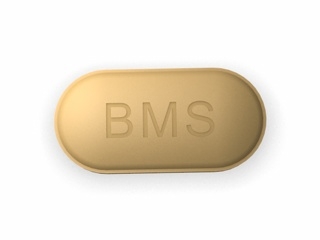
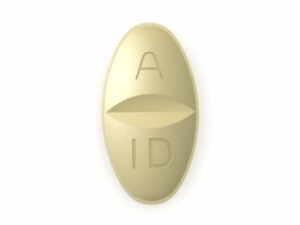

Isosorbide (Isosorbide mononitrate / Isosorbide dinitrate) – Patient Information (Australia)
Isosorbide is a medicine used to help relieve symptoms caused by reduced blood flow to the heart. In Australia, products containing isosorbide (most commonly as isosorbide mononitrate or isosorbide dinitrate) are widely used in cardiovascular care. This page explains how it works, how to take it safely, what to expect, and when to seek medical help.
Note: Brand names and exact strengths can vary. Always follow the instructions provided with your specific product and the advice of your treating healthcare professional.
Quick Overview
- What it is: Nitrate medicines used to prevent and relieve angina (chest pain).
- Common forms: Tablets, extended-release tablets, and other formulations depending on the product.
- How it helps: Widens blood vessels to improve blood flow and reduce the heart’s workload.
- Typical uses: Angina prevention; sometimes used for specific heart conditions as advised.
- Key safety points: Can cause headache and low blood pressure; avoid combining with PDE-5 inhibitors and be cautious with alcohol.
Basic Product Information
Isosorbide refers to a class of nitrate medicines used in the management of cardiovascular conditions. The most commonly encountered isosorbide medicines include:
- Isosorbide mononitrate
- Isosorbide dinitrate
These medicines are available in different strengths and release patterns. Some products are designed to release medicine gradually (often labelled as modified release or extended release), which supports longer-lasting symptom control.
| Topic | What to know |
|---|---|
| Therapeutic group | Nitrate vasodilators |
| Common purposes | Prevention/relief of angina symptoms |
| Onset (typical) | Often within minutes to 1 hour depending on formulation and dose |
| Duration (typical) | Varies by formulation; extended-release forms last longer |
| Most common side effects | Headache, dizziness, flushing, low blood pressure |
How Isosorbide Works (Mechanism of Action)
Isosorbide is a nitric oxide–related vasodilator. It helps relax the smooth muscle in blood vessel walls, leading to:
- Wider arteries and veins (vasodilation)
- Reduced venous return to the heart (less “preload”)
- Lower cardiac workload, which can reduce the oxygen demand of the heart
- Improved blood flow to the heart muscle
In angina, these effects can help prevent chest discomfort by improving the balance between the heart’s oxygen supply and demand.
Pharmacokinetics (How the Body Handles It)
Pharmacokinetics describes how the medicine is absorbed, distributed, metabolised, and eliminated. While exact values vary between individuals and formulations, general patterns include:
- Absorption: Isosorbide is absorbed from the gastrointestinal tract. Extended-release preparations may have slower, more sustained absorption.
- Distribution: It circulates in the bloodstream and can reach target tissues involved in vessel relaxation.
- Metabolism: Nitrates are metabolised mainly in the liver to active and inactive metabolites. The body’s handling is influenced by liver function and other medicines.
- Elimination: Metabolites are cleared primarily via the kidneys. Clearance may differ with kidney function.
Important practical implication: Because some formulations are modified or extended release, the dosing schedule matters. Do not crush or split extended-release tablets unless your specific product instructions allow it.
Typical Use and Indications
Isosorbide is used to manage angina, a condition where the heart doesn’t receive enough oxygen-rich blood. It may be used:
- To prevent angina attacks (longer-term control)
- To reduce frequency and severity of chest pain episodes in people with stable angina
- As part of broader cardiovascular therapy for selected patients, depending on their overall condition and risk factors
Your prescriber may also recommend isosorbide for other heart-related indications in specific circumstances. Always follow the plan provided to you.
Timing: When and How to Take Isosorbide
The correct timing depends on your exact product:
- Immediate/short-acting formulations: Often taken on a schedule that provides relief during expected activity or symptom-prone periods.
- Extended-release formulations: Usually taken once or twice daily, with a consistent daily schedule. Follow the dosing instructions closely.
A key concept with nitrate medicines is nitrate-free intervals (for some regimens) to reduce tolerance. Your healthcare professional will advise the appropriate schedule for your specific product.
Practical timing tips
- Take your dose at roughly the same time(s) each day.
- If you miss a dose, do not double unless your product instructions or clinician advice says to.
- If your angina symptoms change (more frequent, more severe, or occurring at rest), seek prompt medical advice.
How to Take Isosorbide (Dosing Guidance)
Dosing varies widely by:
- Whether you are using isosorbide mononitrate or isosorbide dinitrate
- The strength and formulation (immediate vs extended-release)
- Your symptoms, blood pressure, and response to treatment
- Other medications (e.g., other vasodilators or blood pressure medicines)
Because precise dosing should be individualised, use the dose written on your specific product label. If you are unsure, check your information leaflet or speak with your pharmacist.
Typical dose adjustment concepts
- Start low and adjust: Many patients begin with a lower dose to reduce side effects such as dizziness or headache.
- Titrate based on response: Your clinician may adjust dose to achieve symptom control with acceptable side effects.
- Watch for low blood pressure: If you feel faint, treatment may need adjustment.
Food Interactions (Can You Take It With Meals?)
In general, isosorbide can be taken with or without food for many patients, but individual product instructions may differ.
- With food: Some people find taking isosorbide after a meal improves tolerance (for example, reducing nausea or stomach upset if it occurs).
- Empty stomach: If your product instructions allow it, taking it without food is often possible, but you may be more likely to feel dizziness if you are sensitive.
Best practice: Follow the directions on your medicine label. If your clinician advised “take with food” or “take on an empty stomach,” follow that advice.
Alcohol and Medicine Interactions
Alcohol
Alcohol can contribute to low blood pressure and can worsen side effects like dizziness or light-headedness from isosorbide. If you choose to drink alcohol, do so cautiously and consider limiting intake—especially when starting or adjusting your dose.
Other medicines that may interact (important)
Some combinations can be dangerous. Seek medical advice (or contact your pharmacist) before combining isosorbide with the medicines below:
- PDE-5 inhibitors (used for erectile dysfunction or pulmonary hypertension), such as sildenafil, tadalafil, vardenafil, or similar medicines. Combining with nitrates can cause a significant drop in blood pressure.
- Riociguat (for certain pulmonary conditions). Nitrate combinations may also lower blood pressure.
- Other blood pressure–lowering medicines (e.g., antihypertensives, other vasodilators). Additive blood pressure lowering may increase dizziness or fainting risk.
- Some medicines affecting liver enzymes may influence isosorbide metabolism, potentially changing blood levels.
- Routinely used “angina rescue” nitrates: Your regimen should be planned carefully to prevent excessive dosing and low blood pressure.
Always provide your pharmacist with a complete list of your medicines and supplements, including herbal products.
Safety Profile: Common, Serious, and When to Get Help
Like all medicines, isosorbide can cause side effects. Most are manageable, but some require urgent attention.
Common side effects
- Headache (very common, especially at the start)
- Dizziness or light-headedness
- Flushing
- Nausea
- Low blood pressure (may present as feeling faint)
Serious symptoms (seek urgent help)
Contact emergency services or seek urgent medical care if you experience:
- Fainting or severe dizziness
- Signs of an allergic reaction (swelling of face/lips, difficulty breathing, rash)
- Severe or persistent chest pain that doesn’t improve as expected or is different from your usual angina pattern
- Unusually slow heartbeat or symptoms of shock (very unwell, cold clammy skin)
Tolerance and reduced effect (nitrate tolerance)
With ongoing nitrate therapy, the effect can sometimes diminish due to “tolerance.” Clinicians often prevent this by using appropriate dosing intervals and nitrate-free periods when suitable for the patient.
Do not change your schedule without medical advice.
Practical Use Tips (How to Get the Best Results Safely)
- Start-up effects: Headaches are common when beginning nitrates. They often lessen after your body adjusts, but inform your healthcare professional if they’re severe.
- Stand up slowly: If you feel dizzy, rise slowly from sitting or lying positions to reduce the risk of falls.
- Keep track of symptoms: Note when angina occurs, what triggers it, and how quickly it responds to your treatment plan.
- Don’t stop suddenly: If your routine changes, speak with your clinician rather than stopping abruptly.
- Travel and activity planning: If you’re using an extended-release regimen, ensure it covers the times you’re most active.
- Use a safe pain plan: Your angina action plan should specify what to do during chest pain and when to seek urgent help. Keep it accessible.
Alternative Options
Depending on your diagnosis and overall cardiovascular plan, healthcare providers may consider alternative medications or strategies. Alternatives can include:
- Other nitrate preparations (e.g., different isosorbide forms or short-acting nitrates depending on the regimen)
- Beta-blockers (reduce heart rate and oxygen demand)
- Calcium channel blockers (help relax blood vessels and can reduce angina)
- Other anti-anginal medicines as appropriate to your health profile
- Lifestyle measures such as smoking cessation, exercise programs (as advised), weight management, and controlling blood pressure and cholesterol
The best alternative depends on your symptoms, blood pressure, heart rhythm, and other conditions. Discuss options with your clinician.
Market and Legal Context for Australia
Medicines in Australia are regulated under the national framework administered through the Australian health system. Availability varies by:
- Product classification (how it’s scheduled and whether it requires a prescription)
- Strength and formulation
- Prescriber assessment and medication review needs
For cardiovascular medicines like isosorbide, healthcare professionals consider your medical history, blood pressure, and interaction risks (particularly with erectile dysfunction medicines and pulmonary hypertension medicines). In the online pharmacy setting, appropriate safety checks and customer information steps help ensure safe supply.
Important: Australia’s medicine supply rules aim to prevent misuse and dangerous interactions. If an online pharmacy requires additional steps (e.g., identity confirmation or clinical screening), this is part of safety and compliance.
Recent Guidance and Ongoing Safety Considerations
While specific updates depend on the product and regulatory announcements, general contemporary guidance for nitrates includes:
- Reviewing interactions, particularly with PDE-5 inhibitors and medicines that lower blood pressure.
- Monitoring symptoms and blood pressure during dose changes.
- Reducing fall risk by advising patients about dizziness and careful position changes.
- Managing nitrate tolerance using appropriate dosing schedules with nitrate-free intervals where suitable.
If you are starting isosorbide or your dose is changing, consider asking your pharmacist about a personal plan for headaches, dizziness, and what to do if chest pain differs from usual.
Delivery and Availability (Online Pharmacy in Australia)
Availability and delivery options vary by supplier, but many online pharmacies in Australia offer:
- Home delivery or parcel pickup (depending on the service)
- Tracking once the order is dispatched
- Secure packaging appropriate for medicines
- Customer support for product questions and general medicine safety
Delivery times depend on your location and order processing. To avoid delays, ensure details such as your address and contact information are correct.
Some products may have limited stock at times. If a specific strength or formulation is unavailable, you may be offered an alternative that matches your therapeutic need (subject to safety checks and availability).
FAQ: Frequently Asked Questions
1) What is Isosorbide used for?
Isosorbide is used mainly to manage angina—helping prevent chest pain episodes and improving symptom control in people with reduced blood flow to the heart.
2) How long does it take to work?
Many patients notice effects within minutes to about an hour, but timing depends on the formulation (immediate vs extended-release) and your individual response. If your chest pain does not improve as expected, follow your angina action plan and seek medical advice.
3) Can I take isosorbide with food?
Usually yes, but follow your product label instructions. If you get nausea or stomach discomfort, taking it after a meal may help.
4) Why do I get headaches after starting isosorbide?
Headaches are a common nitrate side effect. They may lessen as your body adjusts. If headaches are severe or persistent, speak with your pharmacist or clinician.
5) Can I drink alcohol while taking isosorbide?
It’s best to limit alcohol. Alcohol can worsen dizziness and low blood pressure. If you drink, do so cautiously and avoid heavy or binge drinking.
6) What should I do if I feel dizzy?
Sit or lie down immediately. Stand up slowly. If dizziness is frequent, severe, or you feel faint, contact your healthcare professional for advice about adjusting treatment.
7) Are there medicines I must not combine with isosorbide?
Yes. Avoid combining isosorbide with PDE-5 inhibitors (such as sildenafil or tadalafil) and consider interaction checks with other medicines that affect blood pressure or pulmonary conditions (e.g., riociguat). Always confirm with a pharmacist if you’re unsure.
8) What if I miss a dose?
Take it when you remember unless it’s close to the next dose. Do not double your dose. If you’re unsure, ask your pharmacist.
9) Can I stop isosorbide suddenly?
Don’t stop suddenly without advice. If stopping is needed, your clinician can guide a safer plan to reduce risk of symptom worsening.
10) What are signs that my angina may be getting worse?
Seek prompt medical advice if chest pain becomes more frequent, more severe, starts at rest, lasts longer than usual, or is accompanied by shortness of breath, sweating, nausea, or fainting.
Need more support? If you have questions about your specific isosorbide product, interactions, or how to manage side effects, speak with a pharmacist. They can help you check safety with your current medicines and advise on practical steps tailored to you.