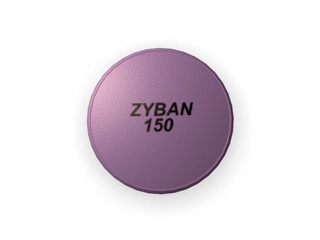
Zyban (Bupropion) – Patient-Friendly Guide (Australia)
Zyban contains bupropion. In Australia, it is widely used to help people stop smoking (smoking cessation). It works in the brain to reduce cravings and withdrawal symptoms. Some people may also be treated for depression with bupropion products, but this guide focuses on Zyban for smoking cessation.
This page explains how Zyban works, when to take it, what interactions to watch for, safety considerations, and practical tips for quitting smoking. Always follow the instructions provided by your healthcare professional and the product information for your specific situation.
Key product information
| Feature | Details |
|---|---|
| Medicine | Zyban |
| Active ingredient | Bupropion |
| Common purpose in Australia | Smoking cessation support (reduce cravings/withdrawal) |
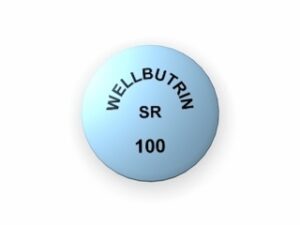
| Typical formulation | Usually as sustained-release (SR) tablets (longer acting) |
| How it’s taken | Oral tablets, usually once or twice daily depending on stage and plan |
| Onset for quitting support | Often begins before your chosen quit date, with effects building over days |
How Zyban works (mechanism of action)
Zyban (bupropion) is thought to help smoking cessation by influencing brain chemicals involved in cravings and withdrawal. While nicotine has direct effects on the brain, bupropion does not act like nicotine. Instead, it may:
- Reduce cravings and lessen the urge to smoke.
- Alleviate withdrawal symptoms such as irritability, restlessness, and depressed mood.
- Affect neurotransmitters including dopamine and noradrenaline, which may help with mood and reward pathways.
Zyban is commonly paired with a structured quit plan, behavioural support, and practical coping strategies. For many people, the combination improves quit rates.
Pharmacokinetics (how the body handles bupropion)
“Pharmacokinetics” describes how the medicine is absorbed, processed, and eliminated. Key points relevant to patients include:
- Absorption: Bupropion is absorbed after oral dosing.
- Metabolism: It is metabolised primarily in the liver.
- Active metabolites: One important metabolite is hydroxybupropion, which may contribute to overall effect.
- Elimination: The medicine and metabolites are cleared mainly via the kidneys.
- Sustained-release effect: The SR formulation helps maintain drug levels over the dosing interval, supporting a once- or twice-daily schedule (depending on the regimen).
Practical takeaway: because bupropion is long-acting in many regimens, it is important to take it consistently at the recommended times and avoid changing the dose schedule without advice.
What Zyban is used for
Indication (typical use)
Zyban is used to help people stop smoking by reducing cravings and withdrawal symptoms. It is intended as part of a quit attempt and is most effective when combined with behavioural strategies.
Who may benefit
- People who want to quit and are willing to set a quit date
- Those who have tried quitting before and found cravings or withdrawal difficult
- People seeking a non-nicotine medication option (i.e., not a nicotine replacement product)
Timing: when to start and when to quit
A common Zyban approach uses a lead-in period before your chosen quit date. This lets the medicine build enough effect to support quitting.
- Start before the quit date: You typically begin Zyban about 1–2 weeks prior to quitting.
- Choose a quit date: Pick a date within that lead-in period.
- Continue after quitting: Continue taking Zyban for the planned course (often several weeks to months), as advised in your regimen.
Your exact schedule may vary depending on your dose, tolerability, and individual health factors. If you miss a dose, follow the directions provided with your medicines and speak with your pharmacist for advice.
Dosing guidance (general, for patient education)
Dosing is personalised. The information below is a general patient overview of how dosing is commonly structured. Your prescribing clinician and the product label should guide the exact schedule.
Typical regimen for smoking cessation
- Weeks 1–2 (building phase): A lower starting dose is commonly used to improve tolerability.
- After that (target dosing): The dose is often increased to the full maintenance level.
- Ongoing period: Continue at the recommended dose for the duration of the cessation program.
Because Zyban has safety considerations (including seizure risk at higher exposures), it’s crucial not to:
- increase your dose to “make it work faster”
- take extra tablets if you miss one
- use multiple bupropion products at the same time
Important practical dosing notes
- Swallow whole: Do not crush, break, or chew sustained-release tablets (unless your product instructions say otherwise).
- Consistent timing: Take doses at similar times each day.
- Spacing: If taken twice daily, doses are usually spaced to reduce insomnia risk.
Food interactions and taking Zyban
Food can affect how some medicines are absorbed, and stomach tolerance can vary. For Zyban, common advice is:
- Take with or without food: Many people can take bupropion SR with or without food.
- To reduce stomach upset: If you experience nausea, taking with a light meal may help.
- Avoid heavy meals if it makes you feel unwell: If you notice discomfort, try a consistent routine.
Always follow the specific instructions on your packaging and seek pharmacist advice if you have a history of reflux, gastritis, or swallowing difficulties.
Alcohol and medicine interactions
Alcohol
Alcohol and bupropion may increase risk of side effects. It’s especially important to be cautious if you:
- drink heavily
- have liver problems
- have a history of seizures
- are planning to reduce or stop alcohol abruptly
In general, avoid binge drinking. If you consume alcohol, discuss amounts with your pharmacist or doctor, as guidance can vary with health history and other medicines.
Important medicine interactions
Zyban can interact with several classes of medicines. Some key interaction categories to mention include:
- Medicines that lower seizure threshold: Some antidepressants, antipsychotics, stimulants, certain antibiotics (e.g., some quinolones), and some anti-malarials may increase seizure risk.
- Other bupropion-containing products: Avoid duplicate therapy that increases total bupropion exposure.
- Monoamine oxidase inhibitors (MAOIs): These require careful timing and are generally contraindicated or not used together.
- Medicines affecting liver enzymes: Some medicines can alter bupropion levels by affecting metabolism.
- Nicotine replacement products: Often can be used together under supervision if cravings are difficult, but you should discuss the plan.
- Levodopa (Parkinson’s disease): May increase side effects like tremor.
- Opioids and medicines for opioid dependence: Some combinations require extra caution; consult advice.
Tell your healthcare professional about all medicines and supplements you take, including: prescribed medicines, pharmacist-only products, herbal preparations, vitamins in high dose, and recreational substances.
Safety profile: key warnings and side effects
Like all medicines, Zyban can cause side effects. Most are mild to moderate, but some require urgent attention. Your risk can be higher if you have certain medical conditions or take interacting medicines.
Common side effects
- Dry mouth
- Nausea or upset stomach
- Headache
- Difficulty sleeping (insomnia) or vivid dreams
- Increased sweating
- Tremor or restlessness
- Reduced appetite
Less common but important
- Changes in mood: mood changes may occur. Anyone with a history of depression or bipolar disorder should seek advice promptly if mood worsens.
- Seizure risk: Bupropion is associated with an increased risk of seizures, particularly at higher doses or in people with risk factors.
- High blood pressure: Some people may experience increased blood pressure; monitoring may be needed.
- Allergic reactions: rare but can include rash, swelling, or breathing difficulty.
When to seek urgent help
Seek urgent medical attention if you experience any of the following:
- Seizure, fainting, or severe confusion
- Signs of a serious allergic reaction (swelling of face/lips/tongue, trouble breathing, widespread rash)
- Severe agitation, hallucinations, or extreme mood changes
- Chest pain, severe headache, or sudden neurological symptoms
Who should avoid or use with caution
Zyban may not be suitable for everyone. Extra caution or avoidance may apply if you have:
- a current or past seizure disorder
- eating disorders such as bulimia or anorexia
- a history of significant head injury
- certain medications that raise seizure risk
- significant liver impairment (dose adjustments may be required)
- use of substances that increase risk (including heavy alcohol use or abrupt cessation)
Discuss your medical history thoroughly with your pharmacist or doctor before starting.
Practical use tips for quitting successfully
Medication works best when it is matched with a quitting plan. Here are practical tips many people find helpful:
1) Prepare your environment
- Remove cigarettes, lighters, and ashtrays from your home and car.
- Plan “smoke-free routes” for high-craving times (e.g., after meals or during driving).
- Stock up on alternatives (sugar-free gum, water, toothpicks) to manage hand-to-mouth habits.
2) Know your high-craving moments
- Cravings often peak and pass—use urge management: delay, distract, breathe slowly, and keep going.
- Identify triggers: stress, alcohol, coffee, certain people, or specific locations.
3) Use coping strategies
- Short delay: Tell yourself “I’ll wait 10 minutes,” then reassess.
- Physical reset: Drink water, take a brief walk, or do breathing exercises.
- Support: Tell friends/family you’re quitting and ask for encouragement.
4) Improve sleep when starting
- Zyban can cause insomnia in some people—if so, take doses as scheduled and avoid late dosing.
- Limit caffeine late in the day, especially during the first 1–2 weeks.
5) Track progress
- Keep a simple log: cravings, triggers, and what helped.
- If you slip, treat it as feedback—adjust your plan rather than giving up.
Alternative options for smoking cessation (Australia)
Zyban is one option among several evidence-based approaches. Your best choice depends on preferences, health history, and what has worked for you before. Common alternatives include:
- Nicotine Replacement Therapy (NRT): patches, gum, lozenges, inhalers, or sprays. NRT provides nicotine gradually to reduce withdrawal while you focus on behavioural change.
- Varenicline (where suitable): targets nicotine receptors to reduce cravings and reward from smoking.
- Behavioural support: counselling, coaching, and structured quit programs (often through pharmacies and community services).
- Combination therapy: some people benefit from combining medications (for example, NRT plus another agent), but this should be decided with professional guidance.
Discuss options with your pharmacist or doctor to find a safe plan tailored to you.
Recent guidance and updates (Australia)
In Australia, smoking cessation care commonly includes:
- encouraging an active quit attempt with a clear plan
- considering evidence-based medications alongside behavioural support
- individualising choice based on safety factors, comorbidities, and prior experiences
Product availability and advice may be updated over time by regulators and prescribing standards. Always refer to the latest information from the Australian prescribing authority and your healthcare professional, and ensure you use the correct brand and formulation.
Market and legal context in Australia (patient overview)
Medicines like Zyban (bupropion) are regulated by the Australian Government and are supplied through appropriate channels based on their classification. Supply is intended to support safe use, and healthcare professionals may need to check:
- suitability based on medical history
- potential drug interactions
- dose appropriateness
- any contraindications or safety warnings
Online pharmacies in Australia typically require patient details so a pharmacist can verify safe and appropriate supply. Requirements may vary between providers and products.
Delivery and availability (online pharmacy)
Availability can vary depending on brand stock and formulation strength. When ordering online:
- Check the exact product: Ensure you are selecting Zyban and the correct strength/formulation listed.
- Allow processing time: Some orders may be dispatched after pharmacist review.
- Shipping times: Delivery depends on your location and courier schedules across Australia.
If your product is temporarily out of stock, the pharmacy may offer alternatives (such as another bupropion brand or another cessation option), depending on local availability and clinical appropriateness.
For the most accurate timeframe, check the delivery information displayed at checkout and contact customer support if you have urgent needs.
Food, drink, and lifestyle summary
- Food: Often taken with or without food; taking with a light meal may reduce nausea.
- Caffeine: If insomnia occurs, reduce late-day caffeine.
- Alcohol: Use caution; avoid heavy or binge drinking and discuss with a healthcare professional if you drink regularly.
- Smoking: Set a quit date; aim to be smoke-free by then. If you slip, adjust your plan promptly.
FAQ about Zyban (Bupropion) for quitting smoking
1) When will Zyban start helping?
Many people begin noticing changes in cravings and withdrawal within days, but the support often builds during the lead-in period. Following the recommended schedule before your quit date is usually important for best effect.
2) What should I do if I miss a dose?
Missed-dose instructions vary by regimen and dosing frequency. In general, do not double up to “catch” the dose unless your pharmacist or the product instructions specifically advise it. Contact your pharmacist for guidance if you are unsure.
3) Can I drink alcohol while taking Zyban?
Alcohol may increase the chance of side effects and may be risky depending on your health history. It’s safest to discuss your alcohol intake with a pharmacist or doctor. Avoid binge drinking and be cautious, especially during the start of treatment.
4) Can Zyban be used with nicotine patches or gum?
Some people may use a combination approach under professional guidance. If cravings remain strong, speak to your pharmacist about whether NRT alongside Zyban is suitable for you.
5) Will Zyban replace nicotine?
No. Zyban is not a nicotine product. It helps reduce cravings and withdrawal by acting on brain pathways involved in reward and mood.
6) What side effects are most common?
Common effects include headache, dry mouth, nausea, sweating, and sleep disturbance. If side effects become troublesome, don’t stop abruptly without advice—speak with your pharmacist or clinician to adjust your plan.
7) Is Zyban only for people with depression?
Zyban (bupropion) is used for smoking cessation in many people. Bupropion can also be prescribed for depression in some settings, but the smoking cessation plan and dosing schedule are specific to your aim.
8) Can I take other antidepressants or anxiety medicines with Zyban?
Some combinations may be safe, but many require careful checking due to interaction risk (including seizure risk and effects on mood). Always tell your pharmacist about every medicine you take, including supplements.
9) What if I have trouble sleeping?
Insomnia is possible, especially early on. Avoid late caffeine, keep a consistent bedtime routine, and take your doses according to the prescribed times. If sleep problems are significant, contact your pharmacist.
10) How long do I need to take Zyban?
Typical treatment duration for cessation is planned over multiple weeks to support the “craving window” and early relapse prevention. The exact duration depends on your individual response and tolerance.
Bottom line
Zyban (bupropion) can be a helpful non-nicotine medication for supporting a quit attempt in Australia. It works by reducing nicotine cravings and withdrawal symptoms through effects on brain neurotransmitters. Success is often highest when you combine the medicine with a clear quit date, behavioural coping strategies, and careful attention to safety—especially medication and alcohol interactions.
If you have questions about suitability, side effects, or interactions, speak with your pharmacist before starting.