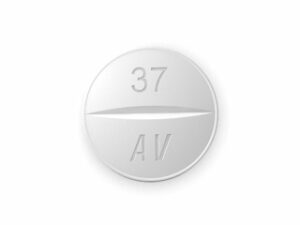
Actos (Pioglitazone) – Patient Information (Australia)
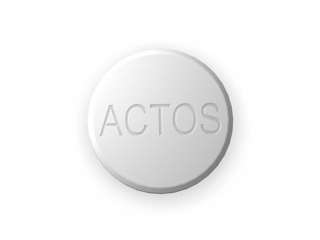
Actos contains pioglitazone, a medicine used to improve blood sugar control in adults with type 2 diabetes. It belongs to the class of medicines called thiazolidinediones (TZDs). Actos works by improving how your body responds to insulin, which can help lower blood glucose levels over time.
This guide is written to be patient-friendly and focuses on how Actos works, how it’s usually taken, common safety considerations, and what to discuss with your healthcare professional.
Key Product Information
- Active ingredient: Pioglitazone
- Brand name: Actos
- Medicine class: Thiazolidinedione (TZD)
- Used for: Type 2 diabetes (often when other medicines are insufficient)
- Common forms: Oral tablets (strengths vary by market)
Important: Your dosing plan should be individualised by your doctor. Always follow the instructions on your medicine label.
How Actos Works (Mechanism of Action)
In type 2 diabetes, the body either does not make enough insulin, cannot use insulin effectively, or both. Pioglitazone improves insulin sensitivity, primarily by acting on PPAR-γ (peroxisome proliferator-activated receptor gamma)—a receptor involved in how your body stores and uses fat and how cells respond to insulin.
Key effects include:
- Improved insulin sensitivity in fat and muscle tissue
- Reduced insulin resistance, helping the body use circulating insulin more effectively
- Gradual reduction in blood glucose, typically improving fasting and overall glucose measures
Unlike medicines that stimulate the pancreas to release insulin, Actos mainly enhances how the body responds to insulin. Because of this, it may take longer to see full benefit compared with some other diabetes medicines.
Typical Use in Diabetes
Actos is used for type 2 diabetes in adults as part of a broader diabetes management plan, which usually includes:
- Dietary changes and healthy eating
- Regular physical activity
- Weight management where appropriate
- Self-monitoring of blood glucose (if advised)
- Other diabetes medicines when needed
It may be used:
- Alone in some people who cannot tolerate or do not have sufficient control with lifestyle alone
- In combination with other diabetes medicines (for example, metformin or certain other therapies) when additional glucose lowering is required
Timing: When to Take Actos and How Fast It Works
Actos is taken by mouth once daily. Many people take it at the same time each day to help build a routine.
When you may notice results
- Some improvement can occur within a few weeks
- Full effect is often assessed after several weeks (and sometimes up to a few months) because changes in insulin sensitivity can develop gradually
Consistency matters
Try to take your tablet every day as directed. Missing doses may reduce the benefit.
If you miss a dose: Take it when you remember unless it is close to the time of the next dose. Do not take double doses.
Food Interactions
Actos tablets can generally be taken with or without food. Food is not expected to significantly reduce effectiveness.
However, to help maintain good blood sugar control:
- Try to keep meal timing and carbohydrate intake consistent
- Monitor glucose according to your plan, especially after dose changes
Alcohol and Medicine Interactions
Alcohol can affect blood glucose and may increase the risk of complications for people with diabetes. It can sometimes cause blood sugar to become too low (hypoglycaemia), particularly when combined with certain diabetes medicines.
- With Actos alone: hypoglycaemia risk is typically lower than with some other diabetes medicines, but alcohol can still destabilise glucose levels.
- If you take Actos with insulin or medicines that can cause hypoglycaemia (such as sulfonylureas): alcohol may increase the risk of low blood sugar.
General guidance: If you drink alcohol, do so cautiously and consider discussing a safe limit with your healthcare professional. Avoid binge drinking and stay alert to symptoms of hypoglycaemia (see FAQ).
Pharmacokinetics (What the Body Does to Pioglitazone)
Pharmacokinetics describes how the body absorbs, distributes, metabolises, and eliminates pioglitazone.
- Absorption: Pioglitazone is absorbed after oral dosing.
- Metabolism: It is metabolised mainly in the liver.
- Elimination: It is cleared through metabolic processes and eliminated primarily via the body’s usual pathways (including bile and urine), with metabolites contributing to activity.
- Half-life: Pioglitazone and its metabolites may persist for a long time, which is one reason once-daily dosing can be effective.
Because metabolism involves the liver, your doctor may check liver function and consider other liver-related conditions before and during treatment.
Indications (When Actos Is Used)
Actos is indicated for the management of type 2 diabetes mellitus in adults, usually when blood glucose levels are not adequately controlled with lifestyle measures and/or other treatments.
It may be used:
- As part of combination therapy
- In people who need improved insulin sensitivity
Exact suitability depends on your overall health profile, including heart function, liver health, and other risk factors.
Dosing: Typical Starting and Adjustment (General Information)
Doses may vary by country formulation and your individual response. Below are common principles used in diabetes care. Your local prescribing details should be followed.
Typical approach
- Starting dose: Often a low-to-moderate dose to assess response and tolerability
- Adjustment: Your doctor may increase the dose gradually if additional glucose control is needed
- Once daily: Usually taken once per day
Monitoring during treatment
- Blood glucose (and/or HbA1c) to judge effectiveness
- Weight and signs of fluid retention
- Liver function tests according to your clinician’s plan
Do not change your dose without medical advice.
Safety Profile: Important Risks and Side Effects
Like all medicines, pioglitazone can cause side effects. Many are mild and improve as your body adjusts, but some require urgent medical attention.
Common side effects
- Weight gain
- Swelling (oedema), often in ankles/legs
- Upper respiratory tract symptoms in some people
- Muscle or joint discomfort (varies)
Serious or important potential risks
-
Fluid retention and heart failure risk:
Actos can cause fluid retention. It may worsen symptoms in people who have existing heart failure or are at risk.
- Seek urgent medical care if you develop sudden weight gain, worsening breathlessness, swelling in legs/feet, or trouble lying flat due to breathing.
-
Hypoglycaemia:
Actos alone has a lower risk of causing low blood sugar than some other diabetes medicines. However, risk can increase when used with insulin or medicines that also lower glucose (such as sulfonylureas).
- Discuss how to recognise and manage low blood sugar.
-
Liver effects:
Because pioglitazone is metabolised in the liver, doctors may monitor liver function.
- Report symptoms such as unusual fatigue, dark urine, yellowing of the eyes/skin, or persistent nausea.
- Bone fractures: There may be an increased risk of fractures in some patients (particularly with long-term use). Your healthcare professional can help weigh benefits and risks based on your history.
- Bladder concerns: People with a history of bladder cancer or active bladder problems should discuss suitability carefully with their clinician. Report symptoms like blood in urine or painful urination promptly.
Who should use Actos with extra caution?
- People with heart failure or a history of heart problems
- People with liver disease or abnormal liver tests
- Those at higher risk of fractures
- People with active bladder symptoms or relevant medical history
Practical Use Tips (How to Get the Best Results)
- Take it at the same time each day to maintain consistent levels.
- Track your weight—rapid or unexplained weight gain can indicate fluid retention. Report it.
- Watch for swelling in legs/ankles and changes in breathing.
- Keep up lifestyle changes—diet and exercise remain essential regardless of medication.
- Understand your hypoglycaemia plan if you use Actos with insulin or hypoglycaemia-causing drugs.
- Attend follow-up visits so your clinician can review glucose results and side effects.
- Review medicines regularly (including over-the-counter products and supplements) with your pharmacist or doctor.
Lab and monitoring reminder: If you are advised to have blood tests (for example, liver function), schedule them promptly and bring results to your appointments.
Medicine Interactions (General Overview)
Interactions can occur when medicines affect each other’s absorption, metabolism, or effects.
- Other glucose-lowering medicines: may increase the risk of hypoglycaemia when combined, depending on the regimen.
- Medicines affecting liver metabolism: because pioglitazone is metabolised in the liver, other drugs may influence its levels.
- Heart-related medicines: can be relevant if you have fluid balance concerns.
Always tell your healthcare professional about all medicines you take, including herbal products, vitamins at high doses, and any recent changes.
Alternative Options (If Actos Isn’t Suitable)
Diabetes treatment is individual. If Actos isn’t appropriate or isn’t achieving your targets, your clinician may consider other options, such as:
- Metformin (often first-line for type 2 diabetes)
- Sulfonylureas (may help but can increase hypoglycaemia risk)
- DPP-4 inhibitors
- SGLT2 inhibitors
- GLP-1 receptor agonists
- Insulin (when needed for adequate glucose control)
- Other TZDs (where available and appropriate)
Your doctor will choose alternatives based on your kidney function, heart risk, weight goals, glucose patterns, and side-effect history.
Market and Legal Context for Australia
In Australia, medicines are regulated under the Therapeutic Goods Administration (TGA) framework. Availability, indications, and prescribing practices follow national medicines scheduling and healthcare regulations.
Actos (pioglitazone) is provided through appropriate healthcare channels and should be used in line with Australian product information and clinical guidance.
Online pharmacy note: The way you obtain medicines may depend on your region and the pharmacy’s services. Ensure any supplier complies with Australian regulations and requires appropriate patient information for safety.
Recent Guidance and Ongoing Clinical Considerations
Diabetes management guidance in Australia emphasises:
- Individualised treatment targets based on patient characteristics and comorbidities
- Safety monitoring, especially for medicines with specific risk profiles
- Cardiovascular and kidney risk assessment when choosing diabetes therapies
- Minimising hypoglycaemia risk in suitable regimens
Because pioglitazone can cause fluid retention, clinicians may particularly consider heart failure status and fluid balance when choosing a TZD. Ongoing evidence and safety monitoring continue to shape prescribing decisions.
If you’d like, speak with your healthcare professional about how Actos fits into the latest approach for your specific risk profile (including heart and kidney health).
Delivery, Availability, and What to Expect (Australia)
Actos availability may vary by strength and pack size. Many online pharmacies can provide medicines directly to eligible Australian customers, subject to stock availability and regulatory requirements.
- Availability: Often depends on current stock levels and requested strengths
- Dispatch times: Vary by pharmacy and location
- Delivery: Typical delivery times depend on your address and courier services
- Packaging: Medicines are normally shipped in secure, tamper-evident packaging
Storage: Store tablets as directed on the packaging—typically at room temperature and away from excessive heat and moisture.
FAQ: Actos (Pioglitazone)
1) What is Actos used for?
Actos is used to help manage type 2 diabetes by improving insulin sensitivity. It can be used alone or with other diabetes medicines depending on your glucose control and overall health.
2) How long does it take to work?
Some people notice changes within the first few weeks, but the full effect is often evaluated after several weeks to a few months. Continue taking it as prescribed and use your doctor’s recommended monitoring schedule.
3) Can I take Actos with food?
Yes. Actos can generally be taken with or without food. Choose a routine you can stick with daily.
4) Does Actos cause low blood sugar?
Actos alone generally has a lower risk of hypoglycaemia than some other diabetes medicines. Risk increases when used with insulin or medicines such as sulfonylureas. Ask your healthcare professional about your specific risk and what to do if you feel unwell or shaky.
5) What are warning signs I should watch for?
Seek urgent medical advice if you develop:
- Sudden weight gain or worsening swelling
- Shortness of breath, especially when lying down
- Yellowing of skin/eyes or dark urine
- Blood in urine or painful urination
6) Is weight gain common?
Weight gain can occur with pioglitazone. Part of this may be related to fluid retention. Monitoring your weight and reporting rapid changes is important.
7) Can I drink alcohol while taking Actos?
Alcohol can affect blood sugar and may increase risks, especially if you’re also taking insulin or other hypoglycaemia-causing medicines. If you choose to drink, do so cautiously and discuss safe limits with your healthcare professional.
8) Are there people who should not use Actos?
Suitability depends on your medical history, including heart failure risk, liver health, and bladder-related issues. Discuss your history with your healthcare professional to confirm it’s appropriate for you.
9) What should I do if I miss a dose?
Take the missed dose when you remember unless it’s close to the next scheduled dose. Do not take a double dose.
10) What are good diabetes “basics” alongside Actos?
Medication works best alongside:
- A diabetes-appropriate diet
- Regular exercise
- Managing weight if advised
- Regular monitoring and follow-up
Summary
Actos (pioglitazone) helps improve insulin sensitivity for adults with type 2 diabetes. It works gradually and is commonly used as part of a broader treatment plan. Because of potential risks such as fluid retention and heart failure worsening, and because it is metabolised in the liver, it requires thoughtful monitoring and discussion with your healthcare professional.
If you have questions about whether Actos is suitable for you—or how it fits with your other medications—speak with your pharmacist or clinician.
| Feature | What to know |
|---|---|
| Medicine | Actos (pioglitazone) |
| Type 2 diabetes role | Improves insulin sensitivity to lower blood glucose |
| How to take | Usually once daily by mouth; with or without food |
| Time to effect | Gradual; full benefit assessed over weeks to months |
| Key safety considerations | Fluid retention, heart failure risk, liver monitoring, fracture risk in some patients, and bladder-related precautions |
| Alcohol | Use cautiously; risks may increase with combination diabetes therapies |