Altace (Ramipril) – Patient-Friendly Medicine Information (Australia)
Altace is a medicine containing ramipril, a type of medicine known as an ACE inhibitor (angiotensin-converting enzyme inhibitor). It is commonly used to treat certain heart and blood pressure conditions and to reduce the risk of cardiovascular events in people at higher risk.
This page explains how Altace works, how it is taken, key safety considerations, and practical tips to help you use your medicine safely.
1) Basic product information
- Brand name: Altace
- Active ingredient: Ramipril
- Medicine class: ACE inhibitor
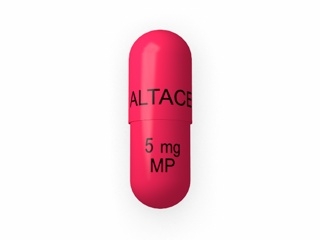
- Common forms: Tablets of different strengths (your specific strength should match what is dispensed)
- What it’s used for: Blood pressure control, heart failure management, and prevention of certain cardiovascular complications
- Country context: Available in Australia through the usual medicine supply channels
2) How Altace works (mechanism of action)
Ramipril helps lower strain on the heart and blood vessels by blocking an enzyme called ACE.
Normally, ACE plays a role in the body’s renin–angiotensin–aldosterone system, which helps regulate blood vessel tone, blood pressure, and fluid balance. When ACE is inhibited:
- Less angiotensin II is produced — a substance that tightens blood vessels
- Blood vessels relax, lowering blood pressure and improving blood flow
- Reduced aldosterone effects — which helps the body hold on to less salt and water
- In the heart, this can reduce workload and may improve symptoms and outcomes in certain conditions
3) Pharmacokinetics (how your body handles ramipril)
“Pharmacokinetics” describes what happens after you take a dose—how the medicine is absorbed, converted, distributed, and eliminated.
- Absorption: Ramipril is absorbed after oral dosing. Peak levels in the blood generally occur within a few hours.
- Conversion (“activation”): Ramipril is converted in the body to its active metabolite, ramiprilat.
- Onset: Blood pressure effects typically develop within hours, with more consistent benefits building over days.
- Half-life: The active metabolite has a longer duration, supporting once- or twice-daily use depending on the regimen.
- Elimination: Primarily via the kidneys. This is important for people with reduced kidney function.
Why this matters: Because ramipril is processed and cleared by the body (especially the kidneys), dosing and monitoring may be different if you have kidney impairment or dehydration.
4) Typical use: what Altace is commonly prescribed for
Altace is used in several cardiovascular settings, including:
- High blood pressure (hypertension): Helps lower blood pressure and reduce cardiovascular risk.
- Heart failure: Particularly to improve symptoms and reduce hospitalisation risk in suitable patients.
- Post-heart attack (following certain events): May help reduce the risk of subsequent cardiovascular events.
- High-risk cardiovascular disease: For people with known cardiovascular disease or diabetes with additional risk factors, to help lower the chance of stroke or heart complications.
5) Timing: when to take Altace
Many people take Altace once daily, often at the same time each day. Some regimens may involve more frequent dosing depending on the condition and response.
Practical timing tips
- Choose a consistent time: Morning or evening—pick what best fits your routine.
- Be mindful with the first dose: ACE inhibitors can cause light-headedness in some people, especially when starting or increasing the dose.
- If you miss a dose: Take it when you remember unless it’s close to the next dose. Do not double up.
Do not stop or adjust without advice from a healthcare professional, even if you feel well—blood pressure and heart protection benefits depend on regular use.
6) Food interactions: can you take Altace with meals?
Altace can generally be taken with or without food. Food is unlikely to create clinically important interactions for most people.
Tip: If you notice nausea or dizziness, try taking it with a meal or at a different time of day, and discuss persistent side effects with a healthcare professional.
7) Alcohol and medicine interactions
Alcohol
Alcohol may increase the risk of dizziness or low blood pressure when combined with antihypertensive medicines such as ramipril.
- Keep alcohol intake modest.
- Avoid “catch-up” drinking if you’re already prone to light-headedness.
Common medicine interactions to be aware of
Ramipril can interact with other medicines that affect blood pressure, kidney function, and potassium levels. It’s particularly important to review your full list of medicines (including over-the-counter and herbal products).
| Medicine / category | Why it matters | What to consider |
|---|---|---|
| Potassium supplements and salt substitutes containing potassium | May raise potassium too high (hyperkalaemia) | Avoid unless specifically advised; potassium may need monitoring |
| Diuretics (especially potassium-sparing types) | Can affect hydration, kidney function, and potassium | Your doctor may adjust doses and monitor blood tests |
| Other blood pressure medicines (e.g., ARBs, beta-blockers, calcium channel blockers) | May further lower blood pressure | Generally used safely under monitoring; watch for dizziness |
| NSAIDs (e.g., ibuprofen, naproxen) and high-dose aspirin | Can reduce kidney function and reduce antihypertensive effect | Use cautiously, especially if dehydrated or older; discuss pain relief options |
| Medicines affecting potassium (certain heart failure medicines) | May increase potassium risk | Close monitoring of potassium and kidney function |
| Lithium | ACE inhibitors may increase lithium levels | Requires specialist monitoring |
| Immunosuppressants (certain types) | May raise infection/low blood cell risks | Monitoring may be needed |
Always check: If you start a new medicine (including supplements), ask your pharmacist whether it is safe with ramipril.
8) Indications: who is Altace for?
Altace is indicated for people with specific cardiovascular conditions, commonly including:
- Hypertension (high blood pressure)
- Heart failure or left ventricular dysfunction, as part of appropriate treatment plans
- After myocardial infarction (heart attack), to improve long-term cardiovascular outcomes in selected patients
- High cardiovascular risk, such as people with established cardiovascular disease or certain risk profiles
Suitability depends on your overall health, kidney function, blood pressure, and other medicines you take.
9) Dosing information: how ramipril is typically taken
Dosing varies based on the condition being treated, your blood pressure, age, kidney function, and how you respond to therapy. Your dispensed dose should match the exact instructions provided by your healthcare professional.
General dosing principles
- Starting dose: Often low to reduce the chance of dizziness or low blood pressure.
- Gradual adjustment: The dose may be increased over time based on blood pressure and blood test results.
- Kidney function matters: People with reduced kidney function may need different dosing intervals and more monitoring.
- Electrolytes matter: Potassium levels are commonly checked because ACE inhibitors can raise potassium.
Missed dose
- If you miss a dose, take it when you remember.
- If it’s near the next dose, skip the missed dose.
- Do not double to make up for the missed dose.
If you’re unsure what to do after missing a dose, speak with your pharmacist.
10) Safety profile: important risks and what to watch for
Altace can be very effective, but it has important safety considerations. Most people tolerate ramipril well, especially with appropriate monitoring.
Common side effects
- Dizziness or light-headedness (especially when starting or increasing dose)
- Dry cough (a known ACE inhibitor effect)
- Fatigue or headache
- Low blood pressure symptoms such as weakness
Serious but less common side effects (seek urgent help)
- Angioedema: swelling of face, lips, tongue, or throat; trouble breathing or swallowing. This can be life-threatening.
- Severe allergic reactions
- Significant kidney problems: reduced urine output, sudden swelling, or abnormal lab results
- High potassium symptoms (may be subtle): muscle weakness, unusual heart rhythm sensations
Seek urgent medical attention if you develop swelling of the face or difficulty breathing.
Monitoring that may be recommended
- Blood pressure (home readings may help)
- Kidney function (creatinine/eGFR)
- Potassium levels
- Sometimes other electrolytes depending on your situation
When extra caution is needed
- Dehydration (e.g., vomiting/diarrhoea, poor fluid intake)
- Renal artery stenosis or known kidney disease
- History of angioedema
- Low blood pressure or frailty
11) Practical use tips for safer, smoother treatment
- Stay hydrated appropriately: Avoid dehydration, especially during hot weather or illness. Ask a clinician if you should temporarily pause in certain situations (many people are advised to follow “sick day” rules for ACE inhibitors).
- Use a blood pressure log: Record readings at consistent times to help your clinician adjust dose safely.
- Be cautious with salt substitutes: These often contain potassium and may increase hyperkalaemia risk.
- Watch for cough: A persistent dry cough can occur. Do not stop abruptly without discussing options.
- Stand up slowly: Helps reduce dizziness from blood pressure changes.
- Know your medicines: Keep a list of all prescriptions, over-the-counter products, and supplements.
- Attend blood test appointments: Early monitoring helps prevent complications.
12) Alternative options (talk to your healthcare professional)
Depending on your diagnosis, response, and side effects, clinicians may consider other medicines. Alternatives to ramipril may include:
- ARBs (angiotensin receptor blockers) such as losartan, valsartan, or telmisartan (often used if an ACE inhibitor cough occurs)
- Other antihypertensives depending on the cause and target (e.g., calcium channel blockers, thiazide-type diuretics, beta-blockers)
- Diuretics for fluid management in selected heart failure patients
Important: Alternatives are not interchangeable. Your clinician will choose based on kidney function, potassium levels, blood pressure goals, and overall cardiovascular risk.
13) Market and legal context in Australia
In Australia, medicines like Altace are supplied within the framework of the Australian Register of Therapeutic Goods (ARTG) and regulated under national medicines legislation. Availability and supply arrangements are managed to support safe use, including pharmacist involvement and medicine tracking where applicable.
Because ramipril affects blood pressure and kidney function, safe prescribing and appropriate monitoring are emphasised in Australia. Always obtain medicines from reputable suppliers and follow local product instructions and advice.
Note: Online pharmacies in Australia typically require verification steps according to the relevant legal and professional standards for safe supply.
14) Recent guidance and monitoring considerations (general)
While guidance can evolve, current best-practice medication safety commonly includes:
- Assessing kidney function and potassium before and after starting ACE inhibitors, and after dose changes.
- Reviewing “interacting medicines” such as NSAIDs, potassium supplements, and certain diuretics.
- Recognising ACE inhibitor cough and considering alternative therapy if it affects quality of life.
- Managing “sick day” dehydration risk: clinicians may advise temporary changes during vomiting/diarrhoea or significant dehydration to reduce kidney stress—follow your clinician’s specific advice.
If you want up-to-date information for your personal situation, ask your pharmacist or clinician about monitoring schedules and safety steps.
15) Delivery and availability (online pharmacy information)
Altace is typically available through pharmacy supply channels, and online pharmacies may offer:
- Home delivery across Australia where permitted by law and logistics
- Discreet packaging
- Tracking information for shipped orders (where available)
- Restock updates if a particular strength is temporarily unavailable
Ordering tip: If you require a specific strength (e.g., 1.25 mg, 2.5 mg, 5 mg, 10 mg, depending on availability), check the product strength and quantity carefully before purchase.
For exact delivery timeframes, delivery fees, and availability of specific strengths, refer to the store’s product listing and checkout information.
16) FAQ
Is Altace the same as ramipril?
Yes. Altace is a brand name that contains ramipril as the active ingredient.
How quickly will I feel the effects?
Blood pressure may start to change within hours. More stable effects and long-term cardiovascular benefits develop over days to weeks, depending on your condition and overall treatment plan.
Can I take Altace with food?
Generally, yes. Altace can usually be taken with or without food. If you feel unwell after taking it, try taking it with a meal and discuss persistent issues.
What if I get a dry cough?
A dry, persistent cough is a known potential side effect of ACE inhibitors. If it bothers you or doesn’t go away, speak with your healthcare professional. They may suggest an adjustment or an alternative medicine class.
Should I avoid salt substitutes?
Be cautious. Many salt substitutes contain potassium, which can raise potassium levels when combined with an ACE inhibitor. Ask your pharmacist if a product is safe for you.
What should I do if I’m vomiting or have diarrhoea?
Dehydration can stress the kidneys and worsen side effects like low blood pressure. Many clinicians recommend specific “sick day” actions for ACE inhibitors. Follow the advice provided to you by your healthcare professional; if you’re unsure, contact a clinician promptly.
Can I drink alcohol while taking Altace?
Alcohol may increase dizziness or low blood pressure. If you drink, keep it modest and avoid situations that could make you feel faint. If you notice light-headedness, reduce or avoid alcohol and seek advice.
Do I need blood tests?
Often, yes. Monitoring kidney function and potassium is commonly recommended, especially after starting or increasing the dose.
What happens if I miss a dose?
Take it when you remember unless it is close to the next dose. Do not double up.
Are there any warning signs I should not ignore?
Yes. Seek urgent help if you develop swelling of the face, lips, tongue, or throat, or trouble breathing. Also seek medical advice for severe dizziness, fainting, or signs of kidney problems.
17) Summary
Altace (ramipril) is an ACE inhibitor used in Australia to treat high blood pressure, heart failure, and certain high-risk cardiovascular conditions. By helping relax blood vessels and support healthier heart function, it can reduce the risk of cardiovascular complications for many people. Safe use includes consistent daily timing, attention to food and alcohol effects, and regular monitoring—especially kidney function and potassium levels.
If you have questions about your specific dose, side effects, or interactions with other medicines, speak with your pharmacist or healthcare professional.