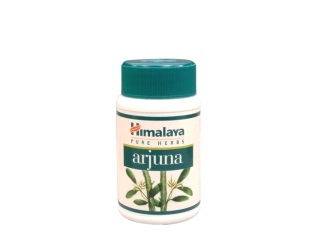

Arjuna (Terminalia arjuna) – Patient-Friendly Guide (Australia)
Arjuna is a herbal medicine widely used in Australia to support cardiovascular and general wellbeing. It is derived from the Terminalia arjuna tree, traditionally used in Ayurvedic practice. Many people take Arjuna to support healthy blood flow and heart function, and as part of a lifestyle approach that includes regular activity and a balanced diet.
This guide explains how Arjuna works, how it is typically used, what to expect, common safety considerations, and practical tips to get the best experience from your product.
Basic product information
- Medicine name: Arjuna
- Active ingredient (source): Terminalia arjuna (commonly bark extract, depending on the brand/formulation)
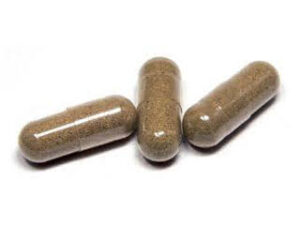
- Common form: Capsules, tablets, or powders (brand-dependent)
- Category: Herbal medicine / traditional remedy (product classification depends on the specific Australian listing)
- Typical strengths: Vary by manufacturer and extract standardisation
- Who it is for: Adults seeking traditional support for cardiovascular health (see indications and suitability below)
Because products differ by manufacturer, always read your specific product label for the exact ingredient, strength, and directions. If you have other conditions or take medicines regularly, check for suitability (see “Safety profile” and “Interactions”).
What is Arjuna used for?
Arjuna is commonly used to support cardiovascular health. People may use it as a complementary approach for:
- Supporting healthy heart function and blood circulation
- Helping maintain healthy blood pressure as part of overall cardiovascular care
- Supporting overall stamina and wellbeing (traditional use)
- Complementing lifestyle measures such as exercise, healthy eating, and stress management
Some products are marketed for traditional indications. In Australia, the allowed claims depend on whether the product is listed as a listed medicine or a registered medicine, and the specific approved wording on the label. For that reason, always rely on the instructions and indications printed on your package or provided by your pharmacy.
Mechanism of action (how Arjuna may work)
The exact mechanisms of herbal medicines can vary between formulations. However, Arjuna is believed to support cardiovascular health through several potential pathways:
- Antioxidant activity: The bark contains naturally occurring plant compounds (including tannins and polyphenols) that may help reduce oxidative stress.
- Support for vascular function: Arjuna may support healthy blood vessel function, which can contribute to healthy blood flow.
- Potential effects on inflammation: Some constituents may help modulate inflammatory signals involved in cardiovascular health.
- Traditional cardiotonic support: In traditional systems, Arjuna has been used to support heart strength and circulation. Modern research continues to explore these effects.
Importantly, herbal medicines are not identical to pharmaceutical medicines. Effects—if they occur—typically develop gradually and are best considered part of a broader health plan.
Pharmacokinetics (absorption, distribution, metabolism, elimination)
Pharmacokinetics for Arjuna can vary by product (for example, extract type and standardisation), and data may be limited compared with prescription medicines. In general, herbal constituents:
- Absorption: Active compounds may be absorbed through the gastrointestinal tract, with variable bioavailability.
- Metabolism: Plant-derived compounds are often metabolised in the liver and/or gut, producing metabolites that may contribute to overall effects.
- Excretion: Metabolites are then eliminated primarily through bile and/or kidneys (route varies by compound).
- Variability: Food, gut health, and individual differences can influence absorption and effects.
For patients, this means results may be influenced by how regularly you take the product, your diet, and your overall health. Following the labelled dose and timing is generally the most practical approach.
Typical use and timing
Arjuna is usually taken on a consistent daily schedule. Many people take it once or twice per day depending on the label directions. A steady routine helps maintain exposure and supports gradual, ongoing benefits.
- Start date: Begin when you can take it reliably each day.
- Consistency: Take at the same times each day if possible.
- How soon to expect changes: Some people notice wellbeing changes within weeks, while cardiovascular effects (if any) may take longer.
If you are using Arjuna for cardiovascular support, it is reasonable to reassess after a few weeks, but continue taking it as directed for ongoing support rather than stopping and starting frequently.
Indications (what it may be used for)
“Indications” are the specific conditions for which the product is intended, based on the approved label and listing category in Australia. Because labels can differ between brands and versions, always check your packaging for the exact indications.
In general, Arjuna products are commonly used for:
- Traditional support for heart health and healthy circulation
- Support for healthy blood pressure within a broader lifestyle approach
- General wellbeing and stamina (traditional use; product-specific claims vary)
Dosing (how to take Arjuna)
Dosing depends on the product strength and formulation. Always follow the directions on your label or the advice provided by your pharmacy. The information below is general guidance and may not match your exact product.
Common dosing patterns
- Once daily: Some formulations are taken as a single daily dose.
- Twice daily: Others are taken morning and evening.
- With meals or as directed: Some labels recommend taking with food; others allow with or without food.
Example timing (general)
- If once daily: Take at a consistent time, e.g., after breakfast.
- If twice daily: Take after breakfast and after dinner, spacing doses by about 10–12 hours.
Do not exceed the labelled dose. If you miss a dose, take it when you remember unless it is close to your next dose. If so, skip the missed dose and continue your schedule.
Food interactions
Many patients wonder whether they should take Arjuna with meals. In practice, food interactions are often mild for herbal products, but they can still affect absorption and tolerance.
- Taking with food: If your stomach is sensitive, taking Arjuna with meals may reduce the chance of mild nausea or stomach upset.
- Empty stomach: Some people prefer empty stomach dosing if the label permits; however, this may increase gastrointestinal discomfort.
- Consistency matters: Stick to the approach you find works best for you and matches the label directions.
If your product label specifically instructs “with food” or “on an empty stomach,” follow those instructions.
Alcohol and medicine interactions
Herbal medicines can interact with other products and may affect how safely you can combine them with alcohol. While there is no single rule that fits every Arjuna formulation, these precautions are generally sensible:
Alcohol
- Moderation is recommended: Limit alcohol while starting Arjuna, especially if you are also taking cardiovascular medicines.
- Watch for dizziness: Alcohol can affect blood pressure and coordination. If you feel light-headed, avoid alcohol and seek advice.
Interactions with other medicines
Arjuna may potentially affect cardiovascular-related parameters and therefore may interact with medicines used for heart or blood pressure conditions. Because the exact interaction profile depends on your product and other medicines, speak with your pharmacist if you take any of the following:
- Blood pressure medicines (e.g., ACE inhibitors, ARBs, beta blockers, calcium channel blockers, diuretics)
- Anticoagulants and antiplatelet medicines (e.g., warfarin, apixaban, rivaroxaban, clopidogrel, aspirin)
- Cholesterol-lowering medicines (e.g., statins)
- Diabetes medicines (in case of additive effects on glucose in some individuals)
- Other herbal supplements targeting cardiovascular health
Also mention any regular medications, vitamins, and supplements to your pharmacist. If you develop new symptoms (e.g., unusual bruising, bleeding, marked dizziness, fainting, or stomach symptoms), stop and seek medical advice promptly.
Safety profile and precautions
Arjuna is generally used by many adults as a complementary herbal medicine, but it is still important to consider safety. Safety depends on the specific formulation, your health history, and any other medicines you take.
Who should seek advice first?
- Pregnant or breastfeeding (safety data may be limited; seek professional advice)
- Children and adolescents (adult dosing is not automatically appropriate)
- People with low blood pressure or history of fainting
- People with heart rhythm problems or significant cardiovascular disease
- People scheduled for surgery or with clotting concerns
- People with liver or kidney conditions (extra caution is advised with many herbal products)
- Anyone taking multiple medicines, especially cardiovascular or blood thinning medicines
Possible side effects
Not everyone will experience side effects. Reported or possible effects may include:
- Gastrointestinal upset: nausea, abdominal discomfort, or loose stools in some people
- Headache or mild dizziness (less common; consider interactions or dosing timing)
- Allergic reactions: rash, itching, swelling (seek urgent help if severe)
When to stop and get help urgently
- Swelling of face/lips/throat, breathing difficulty
- Uncontrolled bleeding or unusual bruising
- Severe or persistent dizziness/fainting
- Yellowing of skin/eyes, dark urine, or severe abdominal pain (possible liver-related symptoms)
Long-term use
If you plan to use Arjuna for months, it is wise to review your health goals with a pharmacist or doctor, especially if you have cardiovascular risk factors. Ongoing monitoring of blood pressure and overall wellbeing is a prudent approach.
Practical use tips
- Choose reputable products: Use a recognised brand supplied through legitimate Australian channels.
- Be consistent: Take it at the same times daily.
- Track your routine: If you’re also changing diet or exercise, keep notes so you can understand what’s helping.
- Monitor blood pressure: If you take blood pressure medicines, check your blood pressure regularly and discuss results with your pharmacist.
- Stay hydrated: Adequate hydration supports overall cardiovascular function.
- Look out for side effects early: Many mild side effects reduce when you take the product with food or adjust timing (as permitted by the label).
If you are using Arjuna alongside other supplements, avoid “stacking” too many products with overlapping intended effects at the same time without advice.
Alternative options
If Arjuna isn’t suitable for you—or if you prefer a different approach—there are other options commonly used for cardiovascular wellbeing. Choice depends on your health situation and what you’re trying to achieve.
Possible alternative categories
- Other herbal/cardiovascular supplements: Some people consider ingredients like hawthorn (where appropriate) or omega-3 fatty acids. Product availability and claims vary.
- Nutrition-focused options: Maintaining a heart-healthy diet (e.g., Mediterranean-style) can be highly effective.
- Lifestyle measures: Regular aerobic exercise, reduced added sugars, managing stress, and avoiding smoking are key.
- Discuss prescription medicines: If you have high blood pressure, cholesterol, or cardiovascular disease risk, professional management may be needed.
Your pharmacist can help you compare alternatives based on your goals, existing conditions, and the products you already take.
Market and legal context for Australia
In Australia, herbal products may be supplied as listed medicines or registered medicines depending on their evaluation and quality. The permissible claims and label directions are determined by regulatory requirements.
When choosing an Arjuna product online in Australia, look for:
- Correct Australian labelling including ingredients, dosage directions, indications (if applicable), and warnings
- Batch and expiry information for traceability
- Quality standards such as tested potency and contaminants (varies by brand)
- Clear listing status or approved medicine category text
If you are unsure whether a product is suitable or what claims are supported on its label, check with your pharmacy before use.
Recent guidance and responsible use
Herbal medicine safety guidance commonly emphasises:
- Reading the label carefully and using only as directed
- Reviewing interactions with other medicines, especially cardiovascular medicines
- Using reputable sources to reduce the risk of counterfeit or non-standard products
- Seeking professional advice if you have chronic conditions, are pregnant/breastfeeding, or experience side effects
Pharmacists may advise a “start low, monitor” approach for new herbal supplements—particularly if you have complex medical history. If you have high blood pressure or heart conditions, ensure your overall management plan is coordinated.
Delivery, availability, and what to expect
Arjuna is typically available through Australian pharmacies and online retailers carrying permitted products. Availability can vary by brand and formulation, and stock can change.
- Delivery: Delivery time depends on your location and the supplier’s courier service.
- Packaging: Products are supplied in sealed containers with labels and expiry dates.
- Storage: Follow the label. Many herbal products should be kept in a cool, dry place away from sunlight.
- Returns: Returns policies vary. Check the online pharmacy’s terms before purchasing.
If you need help selecting the correct Arjuna product strength or formulation for your goals, contact your pharmacy—your pharmacist can guide you on reading the label and choosing an appropriate option.
FAQ
1) What is Arjuna made from?
Arjuna is derived from Terminalia arjuna, traditionally used as an herbal bark extract. The exact preparation (e.g., powder vs extract, and standardisation) depends on the brand.
2) How long does it take to work?
Herbal benefits may be gradual. Some people notice changes in wellbeing within a few weeks, while cardiovascular-related effects (if any) may take longer. Consistency and regular use as directed are important.
3) Can I take Arjuna with food?
Many people can take Arjuna with meals to improve tolerance, but follow your product’s label directions. If your label specifies a particular timing (with or without food), use that guidance.
4) Can Arjuna interact with blood pressure medicines?
Possibly. Because Arjuna may influence cardiovascular parameters, it’s important to speak with your pharmacist if you take medicines for blood pressure, heart rhythm, or circulation—especially if you monitor blood pressure.
5) Is it safe to drink alcohol while taking Arjuna?
Moderate alcohol use may be acceptable for some people, but it’s best to be cautious. Alcohol can affect blood pressure and wellbeing, and adding multiple influences at once can increase side effects like dizziness. If you feel unwell, avoid alcohol and seek advice.
6) What side effects should I watch for?
Possible side effects include mild gastrointestinal upset and, less commonly, headache or dizziness. Seek urgent help for signs of allergy, significant bleeding, fainting, or severe symptoms.
7) Who should not take Arjuna without professional advice?
People who are pregnant or breastfeeding, children and adolescents, those with low blood pressure or significant heart conditions, and those taking anticoagulants/antiplatelet medicines should seek advice before use.
8) What if I miss a dose?
Take it when you remember unless it’s close to your next dose. If close, skip the missed dose and continue your routine. Don’t double up.
9) Can I take Arjuna long-term?
Some users take herbal products for extended periods. If you plan long-term use, consider periodic check-ins with a pharmacist or doctor, particularly if you have chronic health conditions or take other medicines.
10) How should I store Arjuna?
Store according to the label—typically in a cool, dry place away from direct sunlight. Keep out of reach of children.
Quick reference table
| Topic | Patient-friendly summary |
|---|---|
| What it is | Herbal medicine derived from Terminalia arjuna |
| Common use | Traditional support for heart health and circulation (label claims vary by product) |
| How it may work | May support antioxidant activity, vascular function, and cardiovascular wellbeing |
| Timing | Take consistently each day as directed; many take it morning and/or evening |
| Food effects | Often taken with or after meals for comfort; follow your label |
| Alcohol | Use with caution; limit alcohol when starting and monitor for dizziness or wellbeing changes |
| Drug interactions | Check with your pharmacist if you take blood pressure, blood thinning, heart, or cholesterol medicines |
| Safety | May cause mild GI upset in some people; seek urgent help for allergic reactions or serious symptoms |
| Australia availability | Available through permitted channels; ensure compliant labelling and reputable brands |
Important: This information is general. For advice tailored to you—especially if you have medical conditions or take other medicines—consult a pharmacist. Always read the product label for the exact directions and warnings for your specific Arjuna product.