
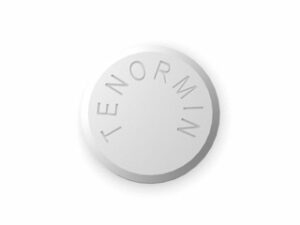
Atenolol: Patient-Friendly Guide (Australia)
Atenolol is a well-established medicine used to treat certain heart and circulation conditions. It belongs to a group of medicines called beta-blockers. This guide explains what atenolol does, how it works, how it is used, what to watch for, and practical tips to help you take it safely.
If you have any questions or feel unwell after starting atenolol, speak with your doctor or pharmacist. This information is intended to help you understand the medicine and is not a substitute for personalised advice.
Quick Product Snapshot
- Medicine name: Atenolol
- Medicine type: Beta-blocker
- Common forms: Tablets (strengths vary by brand/generic product)
- How it is used: Usually once daily for many indications (your schedule may vary)
- Key effects: Slows heart rate, reduces strain on the heart, helps control blood pressure
- Common side effects: Fatigue, dizziness, slower heart rate, cold hands/feet
What Is Atenolol Used For?
Atenolol is used to treat a range of cardiovascular conditions. The best choice of medicine depends on your specific diagnosis, other health conditions, and how your body responds.
Common indications
- High blood pressure (hypertension): helps lower blood pressure and reduce cardiovascular risk.
- Angina (chest pain due to reduced blood flow to the heart): helps reduce the frequency and severity of attacks in some people.
- Heart rhythm problems: may be used for some cases of fast heart rate (for example, certain supraventricular arrhythmias) as determined by a clinician.
- After a heart attack (in selected patients): beta-blockers may be used to support long-term heart protection.
- Other specialist uses: your doctor may use atenolol for additional heart-related conditions based on clinical judgement.
How Atenolol Works (Mechanism of Action)
Atenolol is a selective beta-1 (β1) blocker. “Beta-1” receptors are mainly found in the heart. By blocking these receptors, atenolol helps to:
- Slow the heart rate
- Reduce the force of heart muscle contraction
- Lower the heart’s workload
- Reduce demand for oxygen, which can help with angina symptoms
Over time, reducing strain on the heart and affecting blood vessels contributes to improved blood pressure control and overall cardiovascular stability.
Pharmacokinetics: How the Body Handles Atenolol
Understanding pharmacokinetics can help you anticipate how quickly atenolol may start working and how long its effects may last. Individual results vary.
Absorption and onset
- Oral absorption: atenolol is absorbed after swallowing tablets.
- Onset of effect: many people notice benefit within hours, though full effect on blood pressure or angina control may take longer.
Distribution and metabolism
- Distribution: atenolol reaches the circulation and targets beta-1 receptors.
- Metabolism: atenolol is relatively less extensively metabolised by the liver compared with some other beta-blockers.
Elimination and half-life
- Elimination: atenolol is mainly cleared by the kidneys.
- Half-life: its duration supports once-daily dosing for many patients.
- Kidney function matters: if you have kidney impairment, your prescriber may adjust the dose.
Typical Dosing and Timing
Dosing depends on the condition being treated, age, other medications, kidney function, and how well you tolerate the medicine. Always follow the dosing instructions on your dispensing label.
Common dosing patterns (general guidance)
- Once daily: frequently used for blood pressure and some heart conditions.
- Twice daily: may be used in some circumstances depending on the indication and response.
When to take atenolol
Many people take atenolol at the same time each day to maintain steady levels. The “best” time can vary:
- If you feel dizzy or tired after the dose, taking it at night may help.
- If it affects your sleep, taking it earlier in the day may be considered.
- For heart rhythm or angina control, timing may be aligned with your usual symptoms or daily routine.
Do not change your timing or stop suddenly without medical advice. Stopping beta-blockers abruptly may cause worsening symptoms in some people.
Dose adjustment and kidney function
Because atenolol is cleared mainly via the kidneys, dose adjustments may be required for people with reduced kidney function. Your clinician may monitor blood pressure, heart rate, symptoms, and occasionally kidney-related blood tests.
Food Interactions: What to Expect
Food may influence the absorption of some medications. For atenolol, taking it with or without food is generally acceptable for many people. However, for consistency:
- Try to take atenolol the same way each day (always with food or always without food), unless your pharmacist advises otherwise.
- If you experience nausea or stomach upset, taking atenolol with food may reduce discomfort.
If you are taking other medicines at the same time (for example, for cholesterol, diabetes, or blood thinning), ask your pharmacist whether any timing separation is helpful.
Alcohol and Medicine Interactions
Alcohol can affect blood pressure and heart rate and may increase feelings of dizziness or light-headedness when combined with medicines that slow the heart.
With atenolol
- Increased dizziness: alcohol may worsen dizziness, especially when standing up.
- Lower blood pressure: both atenolol and alcohol can lower blood pressure in some people.
- Fatigue: combined effects can make you feel more tired.
If you drink alcohol, consider keeping intake moderate and monitor how you feel. Avoid driving or operating machinery if you feel unsteady.
Medicine Interactions: Important Considerations
Atenolol can interact with other medicines that influence heart rate, blood pressure, and heart rhythm. Always tell your pharmacist about all medicines you take, including over-the-counter products and herbal supplements.
Common interaction areas
- Other medicines that slow the heart: Combining beta-blockers with other rate-slowing medicines can increase risk of an excessively slow heart rate or low blood pressure.
- Calcium-channel blockers (some types): certain calcium-channel blockers can further affect heart rate and conduction when used together.
- Antiarrhythmics: additional rhythm medicines may require careful monitoring.
- Diabetes medicines: beta-blockers can sometimes mask symptoms of low blood sugar (hypoglycaemia), such as rapid heartbeat or tremor.
- Clonidine (if used): stopping clonidine abruptly or changing therapy can cause blood pressure swings; any transition should be planned.
- Other blood pressure medicines: the combination may increase the chance of dizziness from low blood pressure.
- Non-steroidal anti-inflammatory drugs (NSAIDs): some NSAIDs may reduce the blood pressure-lowering effect of antihypertensives in some people.
Herbal and supplement interactions
Some supplements may affect blood pressure or heart rhythm. Speak with a pharmacist before combining atenolol with products such as:
- Stimulants (including some “energy” products)
- Herbal preparations marketed for stress, weight loss, or heart health
Safety Profile: Who Should Be Cautious?
Atenolol is generally well-tolerated, but it may not be suitable for everyone. Discuss your medical history with a clinician, especially if you have:
Key cautions
- Slow heart rate (bradycardia) or certain heart conduction problems
- Heart block (where electrical signals in the heart are slowed)
- Uncontrolled heart failure or severe circulation problems
- Severe asthma or chronic lung disease (beta-blockers can potentially affect breathing in sensitive individuals, though atenolol is more beta-1 selective than non-selective options)
- Diabetes (beta-blockers may mask some warning signs of hypoglycaemia)
- Poor peripheral circulation (may worsen coldness or discomfort in hands and feet)
- Reduced kidney function (dose adjustment may be necessary)
Common side effects
- Fatigue or low energy
- Dizziness (especially when standing up quickly)
- Slower heart rate
- Cold hands/feet
- Sleep disturbances or vivid dreams (some people)
- Nausea or mild stomach discomfort
Less common but important symptoms
- Shortness of breath, wheezing, or worsening breathing symptoms
- Fainting or severe light-headedness
- Chest pain that worsens or changes pattern
- Marked swelling or sudden weight gain (possible fluid retention/heart-related changes)
When to seek urgent help
Seek urgent medical attention if you experience severe symptoms such as fainting, severe breathing difficulty, or chest pain with concerning features.
Practical Use Tips for Everyday Life
These tips can make treatment smoother and help you identify any issues early.
- Measure your pulse and blood pressure: especially during the first few weeks or after a dose change.
- Stand up slowly: to reduce dizziness from possible low blood pressure.
- Track symptoms: note changes in angina frequency, breathlessness, dizziness, or exercise tolerance.
- Stay consistent: take at the same time each day and maintain a consistent routine.
- Don’t stop suddenly: beta-blockers should be stopped gradually under clinician guidance.
- Keep a medication list: include all your medicines, supplements, and dose times for appointments.
Alternative Options (Other Beta-Blockers and Choices)
Atenolol is one option within the beta-blocker family. Alternative treatments may be considered depending on your diagnosis, response, and tolerability.
Beta-blocker alternatives (examples)
- Metoprolol
- Bisoprolol
- Carvedilol
- Propranolol (for certain conditions)
Non–beta-blocker alternatives for similar goals
- ACE inhibitors or ARBs for blood pressure and heart protection in selected patients
- Calcium-channel blockers (depending on your heart rhythm and other factors)
- Other antianginal medicines if angina symptoms persist
Your clinician will select alternatives based on your specific clinical needs. Switching should be planned to maintain symptom control and avoid complications.
Australia Market and Legal Context
In Australia, medicines containing atenolol are regulated under the national medicines framework. Availability in online pharmacies depends on pharmacy policies, the product type, and applicable health requirements.
Pharmacist involvement: Australian consumers can generally access medicines through a pharmacy supply chain with checks to support safe use. Pharmacists may ask questions about your health, current medicines, and suitability.
Brand and generic products: Atenolol may be supplied as a generic medicine or under different brand names, depending on availability. Strengths, tablet appearance, and packaging can vary between products.
Recent Guidance and Monitoring (What to Expect)
Clinical guidance and best-practice recommendations evolve over time. In general, atenolol is used as part of broader cardiovascular risk management, which may include:
- Regular blood pressure monitoring
- Heart rate and symptom review after starting or dose changes
- Assessment of kidney function where relevant
- Lifestyle measures such as smoking cessation, healthy diet, and physical activity tailored to your condition
Beta-blocker therapy should be individualised, balancing benefits (heart rate control, blood pressure lowering, angina protection) with tolerability (tiredness, dizziness, breathing effects in some people).
Delivery and Availability (Online Pharmacy)
Online pharmacies in Australia commonly provide delivery to metro and regional areas (subject to service availability, location, and product constraints). Availability can vary by tablet strength and brand.
What to check before ordering
- Strength and quantity: confirm the correct atenolol strength and pack size.
- Product details: generic products may look different from the brand you previously used.
- Delivery timing: delivery estimates may vary based on your postcode.
- Stock updates: some strengths may sell out temporarily.
If you require urgent medicine supply or have specific access needs, contact the pharmacy to discuss delivery options.
Dosing Summary Table (General Reference)
The table below provides a general overview of common dosing patterns. Your exact dose should follow the instructions provided by your clinician and dispensing label.
| Purpose | Typical approach | Timing | Notes |
|---|---|---|---|
| High blood pressure | Often once daily | Same time each day | Dose may be adjusted based on blood pressure readings and tolerance. |
| Angina (chest pain) | May be once or twice daily | Aligned to symptom pattern | Your prescriber may tailor dosing to reduce attack frequency. |
| Fast heart rate/arrhythmias (selected cases) | Condition-dependent | Often regular daily schedule | Heart rate monitoring is important after starting or changing dose. |
| After heart attack (selected patients) | Condition-dependent | Regular dosing schedule | Clinicians may monitor for side effects and ensure adequate therapy. |
Food, Alcohol, and Lifestyle: A Practical Checklist
- Take consistently: with food or without food—choose what suits you and keep it steady.
- Rise slowly: to reduce dizziness.
- Limit alcohol: if it makes you feel light-headed or more tired.
- Don’t skip doses: if you miss one, follow your pharmacist’s advice or the instructions on your medicine information sheet.
- Keep appointments: dose changes often require monitoring.
FAQ About Atenolol
1) How quickly will atenolol start working?
Many people feel effects within hours, such as slower heart rate. Blood pressure control and angina improvement may take longer and depend on dose and consistency.
2) Should I take atenolol in the morning or at night?
Either may be appropriate. If you experience dizziness or fatigue after taking it, night-time dosing may help. Use the timing recommended by your clinician and follow the label instructions.
3) What should I do if I miss a dose?
Guidance depends on how close you are to your next dose. Generally, do not double up without advice. Check the consumer medicine information leaflet provided with your product or speak with a pharmacist.
4) Can I stop atenolol suddenly?
No—do not stop abruptly unless a clinician tells you to. Stopping suddenly can worsen symptoms in some people (for example, increasing heart rate or angina).
5) Will atenolol mask low blood sugar symptoms?
It can. Beta-blockers may reduce awareness of some hypoglycaemia symptoms, such as fast heartbeat or tremor. If you have diabetes, monitor blood glucose carefully and discuss hypoglycaemia management with your pharmacist or clinician.
6) Are there any restrictions with exercise?
Many people can exercise while taking atenolol, but you may notice changes in heart rate response. Start gently, monitor how you feel, and seek advice if you experience dizziness, chest pain, or unusual shortness of breath.
7) Does atenolol affect breathing?
Beta-blockers can potentially affect breathing in sensitive individuals, particularly those with asthma or certain lung conditions. If you notice wheezing or breathing difficulty, seek medical advice promptly.
8) Can I take other cold or allergy medicines?
Some cold and allergy medicines contain ingredients that can raise heart rate or blood pressure (for example, decongestants). Ask a pharmacist before using them to ensure safety with atenolol.
9) What side effects should I expect at the start?
Early side effects can include fatigue, dizziness, and feeling your pulse is slower. These often improve as your body adjusts, but contact a clinician if symptoms are severe or worsening.
10) How should I store atenolol?
Store tablets according to the instructions on the packaging, typically at room temperature, protected from moisture and out of reach of children.
Medication Safety Reminder
Always read the consumer medicine information provided with your atenolol product. If you have concerns about dosing, interactions, or side effects, speak with a pharmacist. Keep an updated list of your medicines and bring it to health appointments so your care team can review safety regularly.