
Atomoxetine: Patient-Friendly Medicine Information (Australia)
Atomoxetine is a medicine used to treat attention difficulties associated with Attention-Deficit/Hyperactivity Disorder (ADHD). It belongs to a group of medicines commonly referred to as non-stimulant ADHD treatments. It is used by children, adolescents, and adults depending on individual circumstances and clinical assessment.
This page is designed to help you understand what atomoxetine is, how it works, how it behaves in the body, typical use, and important safety considerations. Always follow advice from your healthcare professional and the information on the specific product label.
Quick product overview
| Category | Details |
|---|---|
| Medicine name | Atomoxetine |
| Common brands in Australia | Often supplied as Strattera® and generics (availability may vary) |
| Medicinal class | Selective norepinephrine reuptake inhibitor (SNRI-like mechanism for ADHD) |
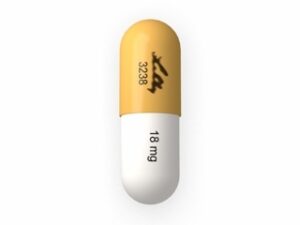
| Typical form | Capsules (strengths vary); exact strengths depend on product |
| How it’s taken | Oral; once or twice daily depending on the prescribed regimen |
| Onset | Some benefits may start within days to weeks; full effect often takes several weeks |
| Monitoring | Weight, growth (children), blood pressure, heart rate, mental health symptoms |
What is atomoxetine?
Atomoxetine is a non-stimulant medicine used to help manage symptoms of ADHD, such as inattention, impulsivity, and hyperactivity. Unlike some stimulant medicines, atomoxetine is not considered a controlled psychostimulant in the same way (regulatory details can vary by jurisdiction and product), and it may be preferred when stimulants are not suitable or not tolerated.
How atomoxetine works (mechanism of action)
Atomoxetine works by increasing the availability of norepinephrine in the brain. It is a selective inhibitor of the norepinephrine transporter, meaning it blocks the reuptake of norepinephrine from the synaptic space. This can help improve attention, impulse control, and activity regulation.
While the medicine acts on norepinephrine pathways, the clinical result is generally improved ADHD symptom control rather than a direct sedating or activating effect.
Pharmacokinetics: how the body processes atomoxetine
Pharmacokinetics describes how the body absorbs, distributes, metabolises, and eliminates a medicine. Understanding this can help explain timing, dose adjustments, and interactions.
Absorption and onset
Atomoxetine is absorbed after oral dosing. Peak blood levels typically occur about 1 to 2 hours after taking a dose (depending on individual factors and formulation).
Metabolism
Atomoxetine is primarily metabolised by the liver enzyme system, especially CYP2D6. People vary in CYP2D6 activity due to genetics, which can affect blood levels and response.
- Fast metabolisers may have lower plasma concentrations.
- Poor metabolisers may have higher plasma concentrations and a greater risk of side effects.
Half-life and duration of effect
Atomoxetine has a relatively long elimination half-life, roughly about 5 to 20 hours depending on metabolic status. This is why once-daily or twice-daily regimens are used in practice.
Excretion
Metabolites are mainly eliminated via urine. Liver and kidney function can influence handling of the medicine, so clinicians may adjust dosing in some cases.
Typical use and clinical goals
Atomoxetine is used to improve ADHD symptoms. It may be considered when a person:
- Does not tolerate stimulant medicines
- Has a clinical reason to avoid stimulants
- Benefits from a medicine taken regularly over time
- Requires additional symptom control for core ADHD features
Important note about response time
Atomoxetine is not usually an “instant” medicine. Many people notice changes gradually. Clinical review commonly occurs over the first few weeks, with longer-term adjustment as needed.
Indications: what it is used for
In Australia, atomoxetine is indicated for treatment of ADHD in children, adolescents, and adults, based on approved product information and clinical guidelines.
Suitability depends on individual assessment, including symptom history, impact on daily functioning, and screening for co-existing conditions such as anxiety, mood symptoms, or learning difficulties.
Dosing: how it’s commonly taken
Dosing is individualised. Your doctor or prescriber will determine the starting dose, how fast it’s increased, and whether you take it once daily or twice daily. The information below describes typical patterns found in practice; it is not a substitute for the regimen provided for you.
General dosing approach
- Start low and titrate: Dose is often increased gradually to reduce side effects.
- Target daily dose: Clinicians aim for an effective dose based on age, response, and tolerability.
- Once vs twice daily: Either may be used depending on symptom control and side effects.
Timing and missed doses
Follow your specific label instructions. If you miss a dose:
- Take it when you remember unless it is close to the next dose.
- Do not take a double dose to “catch up”.
- If you are unsure, ask your pharmacist or check your medicine’s consumer medicine information (CMI).
Example schedules (for understanding)
Many people take atomoxetine in the morning or morning and late afternoon/evening to balance side effects such as nausea. The most suitable timing is personal.
- Once daily: often taken in the morning.
- Twice daily: may be split across morning and late afternoon/early evening.
When to expect benefits
Symptom improvement can occur in stages:
- Early changes: some people notice effects within days to 2 weeks.
- Greater effect: commonly seen over several weeks as dose titration completes.
- Ongoing optimisation: clinicians may adjust dose based on benefit and tolerability.
If you feel no benefit after an adequate trial at an appropriate dose (as determined by your prescriber), you may need a review.
Food interactions: can you take atomoxetine with meals?
Food can affect comfort and absorption for some people. As a general practical point:
- Atomoxetine can typically be taken with or without food.
- If you experience nausea or stomach upset, taking it with food may help.
- Try to take it consistently at the same time(s) each day.
Always check the specific product CMI for the exact recommendation for your brand and formulation.
Alcohol interactions
It’s best to be cautious with alcohol while taking atomoxetine. Alcohol may worsen side effects such as:
- drowsiness or dizziness
- concentration difficulties
- mood changes
There is no universal “safe” alcohol amount. If you choose to drink, do so in moderation and monitor how you feel. If you have anxiety, depression, or mood instability, discuss alcohol use with your healthcare professional.
Medicine interactions: key considerations
Atomoxetine can interact with other medicines, especially those that affect liver enzymes or heart rate/blood pressure. Tell your pharmacist about all medicines and supplements you use, including:
- Prescription medicines
- Over-the-counter products
- Herbal supplements
- Smoking cessation aids
Common interaction themes
- CYP2D6 inhibitors: Some medicines can increase atomoxetine levels, raising side effect risk. Examples include certain antidepressants and other drugs that inhibit CYP2D6 (your pharmacist can check specifics).
- CYP2D6 inducers: Some medicines could reduce atomoxetine levels and effectiveness.
- Medicines affecting heart rhythm or blood pressure: Atomoxetine may influence heart rate and blood pressure, so caution is needed with other cardiovascular medicines.
- Other psychoactive medicines: Interactions may affect mood, sleep, or anxiety symptoms.
MAO inhibitors and specific exclusions
Atomoxetine should not be used with certain medicines that affect monoamine oxidase (MAO). Your clinician will screen for this during prescribing.
Stimulants and combination approaches
Some individuals may be treated with a combination strategy under clinical supervision. Combining atomoxetine with other ADHD medicines can increase the need for monitoring (e.g., blood pressure, heart rate, sleep, appetite, and mood).
Safety profile: side effects and warning signs
Like all medicines, atomoxetine can cause side effects. Many are mild and improve over time, particularly when dose changes are done gradually. If you experience severe symptoms or worrying changes, seek urgent medical advice.
Common side effects
- Nausea, upset stomach, reduced appetite
- Dry mouth
- Headache
- Sleep changes (often insomnia or restlessness)
- Increased heart rate
- Feeling tired or dizzy in some people
- Mood changes (varies; some people feel more irritable)
Less common but important risks
- Blood pressure changes and heart rate increases (especially early in treatment or with dose increases)
- Allergic reactions (rash, swelling, trouble breathing)
- Liver problems (uncommon): signs may include yellowing of skin/eyes, dark urine, severe fatigue, or upper abdominal pain
- Urinary retention in rare cases
- Sexual dysfunction (can occur with norepinephrine-focused medicines)
Black box–style mental health concerns
ADHD treatments, including atomoxetine, have been associated with rare but serious changes in mood and behaviour in some people. Seek urgent help if you notice:
- New or worsening suicidal thoughts
- Severe agitation, unusual behaviour changes
- Mania-like symptoms (e.g., extremely elevated mood, decreased need for sleep)
If you are concerned about mental health symptoms, contact your healthcare professional promptly.
Practical use tips (day-to-day guidance)
These tips can help you use atomoxetine safely and more comfortably:
- Stick with a routine: Take it at the same time(s) daily to maintain consistent levels.
- Track side effects: Note nausea, sleep changes, appetite, and mood for the first few weeks.
- Manage nausea: Consider taking with food if your stomach feels upset.
- Watch sleep: If insomnia occurs, discuss timing adjustments with your pharmacist or prescriber.
- Monitor appetite and weight: Especially important for children and adolescents.
- Hydration and oral comfort: Dry mouth can be managed with regular water and sugar-free chewing gum.
- Avoid abrupt stops: If you want to stop or change treatment, talk to your clinician first.
Safety in children, adolescents, and older adults
Atomoxetine is used across age groups, but monitoring priorities may differ. In children and adolescents, regular review of height/weight growth and appetite is important. In adults, monitoring often emphasises blood pressure, heart rate, sleep, and mood.
Older adults may be more sensitive to side effects affecting blood pressure or balance. Dosing decisions should be individualised.
Driving, machinery, and alertness
Atomoxetine can cause dizziness or sleep disturbances in some people. If you feel unsteady or drowsy, avoid driving or operating machinery until you know how the medicine affects you.
Withdrawal and stopping atomoxetine
Atomoxetine is not typically associated with classic withdrawal syndromes, but symptoms can return if treatment is stopped. Always consult your healthcare professional before stopping, tapering, or switching medicines.
Alternative options for ADHD (non-atomoxetine)
Depending on the individual, alternative treatments may include:
- Other non-stimulant options: such as certain medicines approved for ADHD (availability depends on local guidance and patient needs)
- Stimulant medicines: commonly used first-line for many people; suitability depends on medical history
- Behavioural and educational strategies: often combined with medication for best outcomes
- Psychological interventions: particularly for organisational skills and coping with ADHD-related challenges
Your healthcare professional can help compare the pros and cons of each option, including side effects, onset time, and interaction profiles.
Australia: market and legal context
In Australia, medicines for ADHD are regulated and dispensed according to Therapeutic Goods Administration (TGA) requirements and state/territory pharmacy rules. Atomoxetine-containing products are available through authorised channels and are supplied in accordance with applicable scheduling.
For online pharmacy purchases, availability and supply processes may require verification of eligibility and compliance with Australian regulations. Your chosen provider should clearly display information about product sourcing, authenticity checks, and delivery timeframes.
Recent guidance and clinical trends
Clinical practice in ADHD in Australia typically emphasises:
- Comprehensive assessment and diagnosis
- Shared decision-making about medication options
- Regular follow-up for response and adverse effects
- Monitoring of cardiovascular parameters and growth in younger patients
- Attention to comorbid anxiety, depression, and learning/behavioural concerns
Guidance can evolve over time. If you want the most current recommendations, speak with a clinician or check reliable Australian health resources.
Delivery and availability in Australia
Availability of specific strengths and formulations may vary. When ordering online, you may be offered different brands or pack sizes depending on stock and supply schedules.
What to expect
- Stock checks: Products may show estimated availability at checkout.
- Dispatch times: Delivery time depends on your location and courier service.
- Packaging: Medicines should arrive in appropriate, labelled packaging.
- Cold chain: Atomoxetine typically does not require refrigeration, but always follow product instructions.
Storage at home
- Store below 25°C unless your product label states otherwise.
- Keep in the original container.
- Protect from moisture and excessive heat.
- Keep out of reach of children.
Interactions checklist (before you start)
Before starting atomoxetine, it’s helpful to review the following with your pharmacist or clinician:
- Current medicines and supplements (including herbal products)
- Any history of heart problems, fainting, or significant blood pressure issues
- History of liver disease
- Any previous allergic reactions to medicines
- Sleep and anxiety/mood history
- Whether you drink alcohol and how often
FAQ about atomoxetine
1. How long does it take for atomoxetine to work?
Some people notice improvement within days to a couple of weeks, but full benefits commonly take several weeks. Your prescriber may adjust the dose during the first phase to achieve the best balance between symptom control and side effects.
2. Should I take atomoxetine in the morning or evening?
Many people take it in the morning. If insomnia or restlessness occurs, your clinician may recommend adjusting the timing. Your personalised schedule on the label is the best guide.
3. Can I take atomoxetine with food?
Yes, atomoxetine is typically taken with or without food. If you experience nausea, taking it with food may help.
4. What if I miss a dose?
Take it when you remember unless it is close to the next dose. Do not take a double dose. If unsure, ask your pharmacist.
5. Will atomoxetine make me feel “high” or act like a stimulant?
Atomoxetine is a non-stimulant ADHD medicine. People often do not experience the same “rush” associated with some stimulant medicines. Effects are generally more gradual and focused on core ADHD symptoms.
6. Can I drink alcohol while taking atomoxetine?
Alcohol should be used cautiously. It may worsen dizziness, drowsiness, or mood changes. If you choose to drink, do so in moderation and monitor how you feel. If you are unsure, ask your pharmacist.
7. Does atomoxetine interact with antidepressants?
Some antidepressants can affect liver enzymes (particularly CYP2D6), potentially changing atomoxetine levels. Always check your specific medicines with your pharmacist to confirm interaction risks.
8. Are there any signs that mean I should get medical help urgently?
Seek urgent help for allergic reactions (swelling, rash, breathing difficulty), severe mood changes, suicidal thoughts, fainting, chest pain, severe abdominal pain, or signs of liver problems (yellowing eyes/skin, dark urine).
9. Can atomoxetine affect blood pressure or heart rate?
It can. Clinicians commonly monitor blood pressure and pulse, especially during dose changes or in those with cardiovascular risk factors.
10. What are common alternatives to atomoxetine?
Alternatives may include other non-stimulant ADHD medicines, stimulant medicines, and combined behavioural or educational supports. The best option depends on your symptoms, medical history, and side effect profile.
Important final reminders
This information is intended as general education. Your individual needs may differ based on age, medical history, and other medicines. For the safest and most effective use of atomoxetine, follow the instructions provided by your healthcare professional and the consumer medicine information for your specific product.