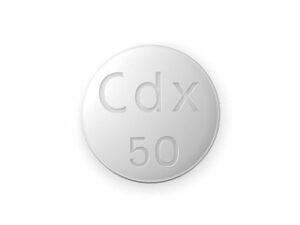
Bicalutamide (Australia) — Patient-Friendly Medicine Information
Bicalutamide is a medicine used to treat certain hormone-driven cancers, most commonly prostate cancer. It works by blocking the effect of male hormones (androgens) on cancer cells. This page explains how bicalutamide works, how it is taken, important safety information, and what to expect during treatment.
Always use this information alongside the advice of a healthcare professional. Individual needs vary, especially for dosing, combination therapy, and monitoring.
Basic product information
- Generic name: Bicalutamide
- Common brand examples: May vary by manufacturer and market availability
- Medicine type: Non-steroidal anti-androgen
- Common form: Oral tablets (strengths may vary by product)
- How it is supplied: Typically dispensed in blister packs or bottles depending on local supply
In Australia, bicalutamide is regulated medicine; availability and product details depend on brand and supplier. Your pharmacist can confirm the exact strength you have been provided.
How bicalutamide works (mechanism of action)
Bicalutamide belongs to a group of medicines called anti-androgens. It blocks androgen receptors in the body—meaning it prevents androgens such as testosterone and dihydrotestosterone from stimulating prostate cancer cells.
Important points:
- Blocks receptor activity: It interferes with the “signal” androgens need to support cancer growth.
- Does not directly “remove” testosterone: That role is usually handled by other therapies such as luteinizing hormone-releasing hormone (LHRH) medicines in combination regimens.
- Used alone or with other hormone therapy: Depending on the stage and treatment plan, it may be used as monotherapy or alongside other treatments.
Pharmacokinetics (how the body handles it)
Pharmacokinetics describes absorption, distribution, metabolism, and elimination. The following is a general overview:
- Absorption: Bicalutamide is absorbed after oral dosing. Tablet absorption can vary between individuals.
- Distribution: It binds to plasma proteins, including albumin. It is distributed throughout the body.
- Metabolism: It is primarily metabolised in the liver. This is one reason liver-related monitoring may be recommended in some patients.
- Elimination: Metabolites are eliminated mainly through urine and faeces. Bicalutamide has a long half-life, which supports once-daily dosing in many regimens.
Individual pharmacokinetics can be influenced by factors such as liver function, age, co-medications, and smoking status (via liver enzyme activity).
Typical uses and indications
Bicalutamide is indicated for treatment of prostate cancer where androgen blockade is appropriate. Common clinical uses include:
- Advanced or metastatic prostate cancer: Often used with other androgen-lowering therapy (e.g., LHRH medicines) as part of combined hormonal treatment.
- Locally advanced prostate cancer: May be used in some settings as part of hormone-based strategies.
- Some non-metastatic settings: In selected patients, it may be used depending on treatment goals and disease characteristics.
Whether you are prescribed bicalutamide alone or in combination depends on cancer stage, risk category, prior treatments, and overall health.
Dosing and timing
Common dosing regimens are typically once daily. However, the exact dose may vary by product strength, cancer stage, and treatment plan.
Typical adult dosing (general)
- Often 50 mg once daily (common in combination regimens, such as with an LHRH medicine)
- Often 150 mg once daily (in some monotherapy regimens, where indicated)
Your healthcare professional will specify the correct dose for your situation. Do not change the dose without medical advice, and do not miss doses—consistency helps maintain steady hormone blockade.
When to take it
- Take it at the same time each day to help you remember.
- It can generally be taken with or without food (see “Food interactions” below for details).
- If you forget a dose, take it when you remember unless it is close to the time for the next dose. Do not take two doses at once.
Food interactions
Most people can take bicalutamide with or without food. Food is not usually considered a major interaction.
Practical tips:
- Choose a routine that suits you—many people take it with breakfast or dinner.
- If you notice stomach upset, try taking it after a meal.
- Keep track of any new supplements or “herbal” products you start, and discuss them with your pharmacist.
Alcohol interactions
Moderate alcohol intake is not typically listed as a direct interaction with bicalutamide for all patients. However, alcohol can affect the liver and overall wellbeing—bicalutamide is metabolised in the liver, and some patients may experience liver enzyme changes.
Safer approach:
- Limit alcohol, especially if you have known liver disease or elevated liver enzymes.
- Avoid binge drinking.
- If you develop symptoms such as unusual tiredness, dark urine, yellowing of the skin/eyes, or severe nausea, seek medical advice promptly.
Medicine interactions (important)
Interactions can occur because bicalutamide is processed through liver enzymes. Always tell your healthcare team about all medicines, supplements, and vitamins you take.
Notable interaction considerations
- Liver metabolism medicines: Some medicines may change how quickly the body metabolises bicalutamide.
- Blood thinners (anticoagulants): If you take medicines such as warfarin, you may need closer monitoring. Changes in bleeding risk can occur with interacting medicines.
- Other hormone treatments: Combining therapies is common in prostate cancer care; doses and monitoring schedules are typically adjusted by your clinician.
- Medicines causing liver stress: Co-use of hepatotoxic medicines (medicines that can harm the liver) may increase liver-related risk.
If you start or stop any medicine during treatment, ask your pharmacist whether it may affect bicalutamide.
Safety profile and side effects
Like all medicines, bicalutamide can cause side effects. Many are related to changes in hormone signalling. Not everyone experiences them, and the severity varies between individuals.
Common side effects
- Hot flushes
- Breast tenderness and/or breast enlargement
- Decreased libido (reduced sexual desire)
- Erectile dysfunction
- Fatigue or low energy
- Nausea or stomach discomfort
- Reduced muscle strength or body composition changes (often described with androgen blockade)
Less common but important side effects
- Liver changes (elevated liver enzymes): Some patients may experience abnormal liver function tests. Rarely, serious liver injury can occur.
- Breast pain or persistent breast changes: Discuss promptly with your healthcare team.
- Shortness of breath, chest pain, or severe weakness: Seek urgent medical help if symptoms are severe or unexplained.
Seek urgent medical advice if
- Yellowing of the skin or eyes (jaundice)
- Dark urine
- Severe nausea/vomiting with general ill-feeling
- Severe abdominal pain
- Easy bruising or unusual bleeding (especially if you take blood thinners)
Who should use extra caution?
- Liver disease or past liver problems
- Patients taking multiple medicines that can affect the liver
- People with a history of significant medication reactions
Practical use tips
- Take it every day: Consistent use supports steady hormone blockade.
- Use a reminder: Phone alarms, pill organisers, or calendar reminders can help.
- Monitor symptoms: Track hot flushes, mood changes, fatigue, and any breast tenderness. Bring concerns to your clinician.
- Ask about blood tests: Your healthcare team may monitor liver function and other parameters. Attend scheduled appointments.
- Manage side effects: Lifestyle measures (e.g., cooling strategies for hot flushes, gentle exercise to reduce fatigue) can help.
- Protect skin and reduce fall risk: If you feel weak or lightheaded, take precautions to prevent falls.
If you ever stop taking bicalutamide abruptly, it may affect hormone control. Always discuss changes with your healthcare professional.
Alternative options
Depending on cancer stage and overall treatment goals, other therapies may be considered. Alternatives can include:
- Other anti-androgens: e.g., medicines with different profiles (choice depends on treatment plan)
- Androgen deprivation therapy (ADT): medicines that lower testosterone production (commonly LHRH or GnRH-based therapies)
- Combination hormonal approaches: used to improve disease control in selected patients
- Non-hormonal prostate cancer treatments: radiotherapy, chemotherapy, or other systemic agents may be appropriate in some settings
Your clinician can explain which options suit your specific diagnosis, stage, and prior treatments.
Recent guidance and monitoring considerations (Australia)
In Australia, prostate cancer management follows guidance from specialist oncology/urology pathways and evolving clinical evidence. While recommendations can change as new studies are published, commonly emphasised themes include:
- Individualised treatment planning: Decisions depend on risk category, disease extent, and patient preferences.
- Regular monitoring: Clinicians may monitor symptoms, blood counts, prostate-specific markers (where used), and liver function in patients receiving anti-androgens.
- Side-effect management: Hot flushes, fatigue, sexual health concerns, metabolic changes, and bone health are important quality-of-life issues to address early.
- Medication review: Given drug–drug interaction risk (especially with medicines affecting liver enzymes), medication lists are reviewed regularly.
For the most current clinical advice, consult your specialist and local healthcare resources.
Market and legal context for Australia
In Australia, bicalutamide is supplied under regulated medicine frameworks. Availability may depend on:
- Product brand and strength
- Supply chain timing and distribution to pharmacies
- Patient eligibility and clinical suitability based on prescriber assessment
Online pharmacies in Australia generally provide medicines with compliance to local rules. The exact ordering process, required documents, and delivery timelines can differ between providers. Speak with your pharmacist to confirm availability and any steps required for your order.
Delivery and availability
Availability of bicalutamide can change over time depending on supplier stock. For online pharmacy orders:
- Check stock status on the product page before placing your order.
- Delivery times: typically vary by location and courier schedules across Australia.
- Packaging: Medicines are usually dispatched in tamper-evident packaging.
- Order tracking: Many services provide tracking updates after dispatch.
If a strength or brand is temporarily unavailable, your pharmacist may be able to advise on alternative equivalent options (subject to suitability).
Summary table (at-a-glance)
| Feature | Bicalutamide (general) |
|---|---|
| Medicine type | Non-steroidal anti-androgen |
| Main action | Blocks androgen receptors to reduce androgen-driven cancer growth |
| Common use | Prostate cancer (often advanced or locally advanced settings; sometimes with other hormonal therapy) |
| Typical timing | Once daily; same time each day for consistency |
| Food effects | Usually can be taken with or without food |
| Alcohol considerations | Use caution; may increase liver-related risk in some patients |
| Key safety topic | Possible liver enzyme changes; seek help for jaundice or severe symptoms |
| Monitoring | May include liver function blood tests and follow-up appointments |
FAQ about bicalutamide
1) What is bicalutamide used for?
Bicalutamide is used for prostate cancer by blocking androgen receptor activity. It may be used alone or as part of combined hormone-based treatment depending on your cancer stage and treatment plan.
2) How long does bicalutamide take to work?
Some hormone-related effects may be noticed earlier, but overall cancer response is assessed over weeks to months. Your clinician will monitor progress using scheduled follow-ups and relevant tests.
3) Can I take bicalutamide with food?
Yes. It is generally taken with or without food. If it upsets your stomach, taking it after a meal may help.
4) Is it safe to drink alcohol while taking bicalutamide?
Moderate alcohol may be acceptable for some people, but caution is advised—especially if you have liver issues. Consider limiting alcohol and seek medical advice if you develop symptoms that could indicate liver problems.
5) What are the most common side effects?
Common side effects include hot flushes, breast tenderness or breast enlargement, reduced libido, erectile dysfunction, and fatigue. Not everyone will experience all effects.
6) Should I stop taking bicalutamide if I feel unwell?
Do not stop suddenly without advice. If you develop serious symptoms—particularly signs of liver problems—contact a healthcare professional promptly.
7) Does bicalutamide interact with other medicines?
Yes, interactions can occur. Tell your pharmacist about all medicines and supplements you take, especially blood thinners and medicines that may affect liver metabolism.
8) What monitoring might be needed?
Your healthcare team may schedule liver function blood tests and other monitoring based on your overall health and treatment plan. Attend these appointments.
9) What if I miss a dose?
Take the missed dose when you remember unless it is near the time for the next dose. Do not double up. If you are unsure, ask your pharmacist for guidance.
10) What alternative treatments exist if bicalutamide is not suitable?
Alternatives depend on your cancer stage and treatment goals and may include other anti-androgens, androgen deprivation therapy, radiotherapy, chemotherapy, or other systemic options. Discuss suitability with your healthcare professional.
Disclaimer: This information is intended for general educational purposes and does not replace individual medical advice. For questions about side effects, interactions, or whether bicalutamide is right for your situation, speak with your pharmacist or healthcare professional.