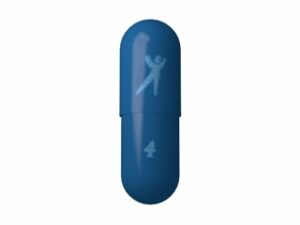
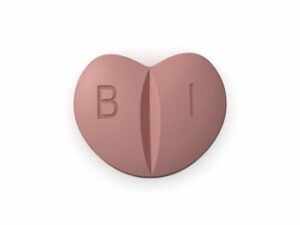
Bisoprolol (Australasia): Patient-Friendly Medicine Information
Bisoprolol is a medicine commonly used to help control certain heart and blood pressure conditions. It belongs to a group of drugs known as beta-blockers. People often take it long-term, so it’s helpful to understand how it works, how to take it safely, what to expect, and when to seek medical help.
This information is written for patients and carers in Australia. It is general guidance and does not replace advice from your healthcare professional.
Basic product information
| Category | Details |
|---|---|
| Medicine name | Bisoprolol |
| Medicinal group | Beta-blocker (selective beta-1 blocker) |
| Common forms | Tablets (immediate-release and/or modified-release, depending on brand) |
| Typical dosing range | Varies by condition and patient factors (e.g., 1.25 mg to 10 mg or more per day depending on regimen) |
| How it’s supplied in Australia | Prescription medicine (available via eligible channels such as pharmacies and authorised online pharmacies) |
How bisoprolol works (mechanism of action)
Bisoprolol is a beta-1 selective (cardio-selective) beta-blocker. In simple terms, it helps the heart beat with less force and at a slower rate.
- Slows the heart rate by reducing signals from the nervous system to the heart.
- Reduces the heart’s workload by lowering blood pressure and the force of contraction.
- Helps stabilise heart rhythm in certain rhythm problems.
- In some heart failure regimens, it can improve symptoms and outcomes over time by improving how the heart functions.
Because it is beta-1 selective, it tends to have less effect on the airways than non-selective beta-blockers, but sensitivity varies between individuals.
Pharmacokinetics (how the body handles bisoprolol)
Pharmacokinetics describes what happens to the medicine after you take it.
- Absorption: Bisoprolol is absorbed from the gastrointestinal tract. The speed and amount absorbed can depend on formulation (immediate vs modified release) and individual factors.
- Distribution: It distributes throughout the body, including the cardiovascular system.
- Metabolism: It is metabolised partly by the liver and also cleared by the kidneys. The balance of these pathways can vary between people.
- Elimination: The medicine is eliminated from the body over time. In most individuals, dosing is once daily for many indications, but this can differ by regimen and formulation.
- Onset and duration: Some effects on heart rate and blood pressure may be felt within hours; full stabilisation for some conditions may take days to weeks.
Modified-release vs immediate-release: Some brands are designed to release medicine slowly over the day. If your tablet is modified-release, it should usually be taken as directed and not crushed or split unless your pharmacist or product instructions advise it is safe.
What bisoprolol is used for (indications)
Bisoprolol is used for a range of cardiovascular conditions, including:
- High blood pressure (hypertension): To lower blood pressure and reduce cardiovascular risk.
- Angina (chest pain due to heart disease): To reduce the frequency and severity of angina episodes.
- Heart rhythm conditions: In some cases, to help control heart rate and rhythm (e.g., certain tachyarrhythmias).
- Heart failure (in selected patients): Commonly as part of a broader treatment plan. It may help improve symptoms and reduce hospitalisations when used appropriately.
Your exact indication determines the best dose, whether it’s taken once or twice daily, and how slowly it should be increased.
Typical dosing and timing
Important: Always follow your prescriber’s dosing plan and the instructions on the specific product you have been given. Doses vary by condition and your health profile.
Common dosing patterns
- Once daily: Many patients take bisoprolol once daily, often in the morning or evening.
- Twice daily: Some regimens may use divided dosing, especially if using immediate-release forms or during early adjustment.
How to take it
- Try to take your dose at the same time each day.
- Swallow tablets with water.
- If you miss a dose, follow the advice in your medicine leaflet or pharmacy guidance (many people are advised not to double up). If you’re unsure, ask a pharmacist.
Starting and dose adjustment
For some conditions—particularly heart failure—bisoprolol is usually started at a low dose and increased slowly. This helps your body adapt and reduces the chance of side effects like low heart rate or dizziness.
Food interactions and eating
In many people, bisoprolol can be taken with or without food. However, practical consistency can help:
- If your leaflet or pharmacist has advised taking it with food, follow that instruction.
- If you experience stomach discomfort, taking it with a meal may help.
- For modified-release products, avoid changing how you take the tablet unless the product instructions clearly allow it (e.g., crushing may alter the release pattern).
Grapefruit and similar foods: Unlike some other beta-blockers, grapefruit juice is generally not a major concern for bisoprolol, but it’s still wise to avoid sudden large changes in diet without checking with your pharmacist if you take multiple interacting medicines.
Alcohol interactions
Alcohol can affect blood pressure and heart rate. When combined with bisoprolol, it may increase the risk of:
- Dizziness or light-headedness, especially when standing
- Feeling faint or falls
- Potential worsening of fatigue
If you choose to drink alcohol, consider keeping it modest and monitor how you feel—particularly when you’re starting bisoprolol or if your dose has recently changed.
Medicine interactions (common and important)
Bisoprolol interacts with certain medicines and can have additive effects with others that slow heart rate or lower blood pressure.
Medicines that may increase the risk of slow heart rate or low blood pressure
- Other heart-rate lowering drugs (e.g., some antiarrhythmics such as amiodarone; other beta-blockers)
- Some calcium channel blockers (particularly verapamil or diltiazem) which can also slow the heart
- Digoxin (may increase effects on heart rate)
- Clonidine (stopping clonidine suddenly can cause rebound effects; any changes must be coordinated)
Medicines that may affect blood pressure
- Antihypertensives (e.g., ACE inhibitors, ARBs, diuretics, other agents): effects may be additive
- Alpha-blockers (e.g., tamsulosin or doxazosin): can increase dizziness/light-headedness
Medicines that may mask symptoms of low blood sugar
- If you have diabetes, bisoprolol can mask some warning signs of hypoglycaemia (for example, rapid heartbeat). It may still cause sweating or other symptoms, so monitoring blood glucose carefully is important.
Non-prescription medicines and supplements
Even over-the-counter products can matter. Tell your pharmacist about anything you take, including:
- Decongestants (some cold/flu products containing pseudoephedrine or phenylephrine) which can raise heart rate and blood pressure.
- Non-steroidal anti-inflammatory drugs (NSAIDs) taken regularly (e.g., ibuprofen, naproxen): these may reduce the blood pressure-lowering effect for some people and may affect kidney function in at-risk patients.
- Herbal products (e.g., those marketed for heart health, or “natural” sedatives/relaxants): interaction potential varies.
Safety profile and side effects
Like all medicines, bisoprolol can cause side effects. Many are dose-related and improve as your body adjusts, especially when the dose is increased slowly.
Common side effects
- Fatigue or tiredness
- Dizziness or light-headedness (especially when standing)
- Slow heart rate (bradycardia)
- Cold hands or feet
- Sleep changes (some people experience insomnia or vivid dreams)
Less common but important effects
- Worsening shortness of breath (more likely in people with asthma or chronic lung disease)
- Low blood pressure symptoms (fainting, severe dizziness)
- Digestive symptoms such as nausea
Seek urgent medical help if you experience
- Fainting or severe dizziness
- Chest pain that is new or worsening
- Breathing difficulty that is significant
- Signs of an allergic reaction such as facial/lip swelling, hives, or trouble breathing
Do not stop suddenly
Stopping bisoprolol abruptly may cause rebound effects, including worsening angina, increased heart rate, or blood pressure changes. If you need to stop, it’s usually reduced gradually under medical guidance.
Practical use tips (day-to-day)
- Track how you feel: Especially during the first weeks and after any dose changes, pay attention to dizziness, fatigue, and exercise tolerance.
- Check pulse if advised: Your healthcare professional may suggest monitoring your heart rate. If you notice a very slow pulse or symptoms like faintness, contact your clinician promptly.
- Stand up slowly: If you feel light-headed, rise gradually from sitting/lying positions.
- Stay consistent with timing: Using a consistent time helps maintain steady effect.
- Carry a medication list: Include bisoprolol and dose, plus other medicines and allergies.
- Discuss driving and work safety: If bisoprolol makes you dizzy, avoid high-risk tasks until you know how it affects you.
What to expect after starting bisoprolol
Many people notice improvements in heart rate and blood pressure within days. For angina, you may see fewer chest pain episodes over time. For heart failure, benefits can take weeks to months, particularly as treatment is optimised.
Some early side effects (fatigue, mild dizziness) can occur. If symptoms are persistent or severe, speak with your pharmacist or doctor. Dose adjustment may be required.
Alternative options (if bisoprolol isn’t suitable)
Alternative treatments depend on the condition being treated, your medical history, and side effect tolerance. Common alternatives may include:
- Other beta-blockers: Such as metoprolol, atenolol, carvedilol, or nebivolol (choice depends on the clinical scenario and formulation).
- Non-beta-blocker cardiovascular medicines: For hypertension or angina, options can include ACE inhibitors, ARBs, calcium channel blockers, diuretics, nitrates, or other antianginal medicines.
- For heart rhythm issues: Alternative rate/rhythm strategies may involve different drug classes or procedures depending on the diagnosis.
Only your healthcare professional can decide whether a switch is appropriate. Never change or stop bisoprolol on your own.
Market and legal context for Australia
In Australia, bisoprolol is regulated under the country’s medicines framework. It is generally supplied as a prescription medicine through licensed pharmacies. Online pharmacies may offer delivery only when products are supplied through authorised services and legal pathways.
When ordering from an online pharmacy:
- Ensure the pharmacy is licensed and operates within Australian requirements.
- Verify that the correct medicine name, strength, and dosing instructions are provided.
- Keep packaging/labels to confirm the exact product type (immediate vs modified release).
For Australians, medicines advice and safety monitoring are part of routine healthcare. If you have concerns about quality, availability, or side effects, contact your pharmacist or a local healthcare service.
Recent guidance and monitoring (general)
Guidance for bisoprolol and beta-blockers generally focuses on:
- Appropriate selection for the clinical indication (e.g., heart failure or angina).
- Slow initiation and careful titration where required, especially in heart failure.
- Monitoring of heart rate, blood pressure, symptoms, and overall tolerance.
- Avoiding abrupt withdrawal unless there is an urgent medical reason.
- Reviewing interacting medicines (for example, certain antiarrhythmics, calcium channel blockers, or decongestants).
Because recommendations can evolve and may differ by condition and patient group, always follow the most current advice provided by your clinician or pharmacist.
Delivery and availability (Australia)
Bisoprolol is commonly available through Australian pharmacies. Online pharmacy delivery is often available within standard courier timeframes, subject to stock availability and location.
- Availability: Many strengths and brands are stocked regularly, but availability can vary, particularly for modified-release products.
- Packaging: Products are typically supplied in original manufacturer packaging with pharmacy labels.
- Storage: Store at room temperature as directed on the label; keep out of reach of children.
If you require a specific strength or formulation (e.g., modified-release), confirm the exact product before ordering.
FAQ about bisoprolol
1) How long does bisoprolol take to work?
Some effects on heart rate and blood pressure may begin within hours of the dose. Full benefits for conditions like angina or heart failure may take days to weeks (and longer for heart failure as doses are optimised).
2) What time of day should I take bisoprolol?
Many people take it once daily and can choose morning or evening based on tolerability. If you get dizziness after your dose, taking it at night may help. Choose a consistent time and follow your specific instructions.
3) Can I stop bisoprolol if I feel better?
No—do not stop suddenly. Even if you feel better, bisoprolol may still be needed to prevent symptoms and reduce risk. If stopping is considered, it should usually be gradually reduced under professional guidance.
4) Can I take bisoprolol with food?
Often yes. Many formulations can be taken with or without food. If your product leaflet or pharmacist advises taking it with food, follow that guidance.
5) Can I drink alcohol while taking bisoprolol?
Alcohol may increase dizziness and lower blood pressure. If you drink, do so cautiously and in small amounts—especially when starting or adjusting the dose.
6) Will bisoprolol affect exercise?
Some people feel less energetic at first. Over time, many adjust. If you notice severe breathlessness, fainting, or chest pain, seek medical advice promptly.
7) Is bisoprolol safe for people with asthma or breathing problems?
Because bisoprolol is beta-1 selective, it may be better tolerated than non-selective beta-blockers. However, it can still affect airways in some people. If you have asthma or COPD, discuss risk and monitoring with your pharmacist or doctor.
8) Does bisoprolol interact with cold and flu medicines?
Some cold and flu products contain decongestants that can raise heart rate and blood pressure. Check with a pharmacist before using any decongestant-containing products.
9) What should I do if I miss a dose?
Do not double up unless your product instructions or pharmacist advises it. Many people are advised to take the missed dose when they remember if it’s close to the scheduled time, or skip it if it’s nearly time for the next dose. If unsure, ask your pharmacist.
10) How do I know if I’m getting too low a heart rate?
Low heart rate can be normal for some patients, especially if the medicine is working well. However, symptoms matter: fainting, severe dizziness, unusual weakness, or very slow pulse with discomfort should be discussed with your healthcare professional.
Summary
Bisoprolol is a cardio-selective beta-blocker used to treat conditions such as high blood pressure, angina, certain heart rhythm issues, and in selected patients, heart failure. It works by slowing the heart and reducing its workload. Many people take it once daily, often with or without food, but timing and tolerability can vary. Because it can affect heart rate and blood pressure—and can interact with other medicines—safe use involves careful dose adjustment, avoiding abrupt stopping, and seeking advice if you experience concerning symptoms.
If you have questions about your specific product strength, whether it is immediate-release or modified-release, or how to manage interactions with other medicines you take, your local pharmacist can help.