
Budecort (Budesonide) – Patient Information (Australia)
Budecort contains budesonide, a corticosteroid medicine used to reduce inflammation in the airways. Depending on the product form you receive (commonly an inhaler for inhaled lung conditions or an oral form for some gut conditions), Budecort helps manage long-term inflammatory diseases and prevent symptoms from worsening.
This guide is designed to help you understand how Budecort works, how to use it effectively, and what to expect regarding safety and interactions. Always follow the instructions provided with your specific Budecort product.
Quick overview
- Active ingredient: Budesonide
- Class: Corticosteroid (anti-inflammatory)
- Common uses: Asthma (inhaled), inflammatory airway conditions; some forms are used for inflammatory bowel conditions
- Key benefit: Reduces airway inflammation to improve breathing and reduce flare-ups
- Important note: Budecort is usually for long-term control, not for immediate relief of sudden attacks (unless your specific plan says otherwise)
Basic product information
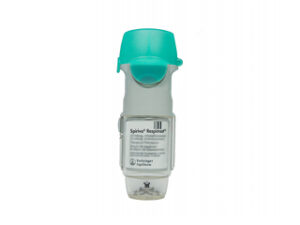
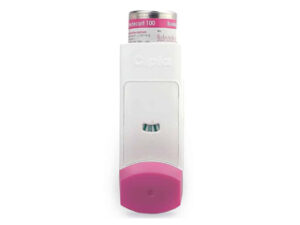
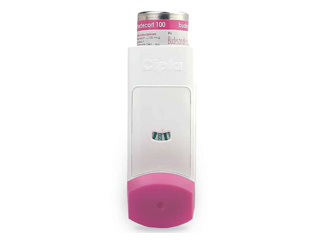
Budecort is available in multiple presentations. In Australia, you may see Budecort under different strengths and device types. Examples include:
- Inhaled budesonide (often used for asthma and other chronic lung inflammation)
- Oral/enteric forms (used in certain inflammatory bowel conditions depending on product and strength)
Because strength and instructions vary by product, check the label for your exact formulation and dose. If you’re unsure which Budecort you have, contact your pharmacist.
| Feature | What it means for you |
|---|---|
| Medicinal ingredient | Budesonide (a corticosteroid) |
| Therapeutic role | Anti-inflammatory medicine to control symptoms over time |
| Where it works | Inhaled forms act mainly in the lungs; some forms target the GI tract |
| Onset | May start improving symptoms within days; maximum benefit can take longer (often 1–2 weeks or per clinician advice) |
| Not a rescue medicine | For sudden breathing symptoms, use your prescribed reliever plan (if provided) |
How Budecort works (mechanism of action)
Budesonide is a steroid that reduces inflammation by acting on cells and signalling pathways involved in airway inflammation. It helps:
- Decrease inflammatory chemical messengers (such as cytokines and chemokines)
- Reduce swelling and mucus in airways
- Improve airway responsiveness, helping symptoms such as wheeze and shortness of breath
- Lower the likelihood of flare-ups when used regularly
Because budesonide targets inflammation, it is most effective when taken consistently according to your treatment plan.
Pharmacokinetics (how the body handles it)
“Pharmacokinetics” describes absorption, distribution, metabolism, and elimination. Budesonide has characteristics that often make it a good option for inhaled or gut-targeted steroid therapy.
Absorption
- Inhaled budesonide: A portion reaches the lungs; some may be swallowed after inhalation.
- Oral/enteric forms (if applicable): Absorption depends on the formulation designed to act within the GI tract.
Metabolism
Budesonide is extensively metabolised in the liver to less active metabolites. This “first-pass” metabolism can contribute to a lower risk of whole-body steroid effects compared with some other corticosteroids when used appropriately.
Elimination
Metabolites are eliminated primarily via the kidneys and bile. The overall steroid effect depends on the delivered dose and your underlying condition rather than rapid drug removal.
Typical uses and indications
Budecort is used to treat inflammatory conditions. The exact indication depends on the product form and strength. Common indications include:
- Asthma and other chronic inflammatory airway diseases (inhaled budesonide forms)
- Croup in some clinical settings (depending on local product and age group)
- Inflammatory bowel disease such as Crohn’s disease or ulcerative colitis in selected patients (for certain oral formulations)
- Other inflammatory conditions only when specifically indicated for your product
If you tell your pharmacist what Budecort you have (including strength and form), they can help confirm the expected use.
How and when to take Budecort (timing)
Timing instructions can differ by formulation and individual plan. The general principles are:
- Use regularly for control, even when you feel well.
- Rinse after inhaled use (if your product is an inhaler or nebulised form) to reduce the risk of oral side effects like thrush or hoarseness.
- Consistent time of day: many people take budesonide in the morning and/or evening depending on dose schedule. If you take it once daily, it’s often taken at the same time each day.
- Do not stop suddenly without advice if you’ve used it for a prolonged period.
If you are using an inhaler (practical timing)
- Take your dose at the time(s) instructed on your label.
- If you also use a reliever inhaler (such as a short-acting bronchodilator), your asthma action plan may specify the order.
- Allow the right technique and time between steps (especially if using a spacer).
If you are using an oral/enteric form (practical timing)
- Follow the label regarding whether to take with food or on an empty stomach.
- Take exactly as directed—do not change dose timing on your own.
Food interactions
Food effects depend on the formulation. In general, for many oral corticosteroids, food can influence absorption. For inhaled budesonide, food is usually not a major factor because most of the active drug is delivered to the lungs.
General guidance
- Inhaled Budecort: Usually can be used regardless of meals.
- Oral/enteric Budecort: Follow the product directions on food timing (some formulations may require taking consistently with or without food).
If you’re unsure, check your packaging instructions or ask a pharmacist.
Alcohol and medicine interactions
Alcohol does not usually have a direct interaction with budesonide, but it can affect overall health, sleep, and adherence—especially in asthma or inflammatory conditions where infections and irritation may worsen symptoms.
Alcohol considerations
- Moderation is recommended, especially if your breathing symptoms are not well controlled.
- Be cautious with alcohol if you experience dizziness, fatigue, or stomach upset.
- If you have liver disease, discuss alcohol use with your clinician/pharmacist, as budesonide is metabolised in the liver.
Medication interactions (key examples)
Budesonide interactions are most important with medicines that affect liver enzymes responsible for steroid metabolism (often via the CYP system). This can change budesonide levels and the risk of steroid side effects.
- Strong CYP3A4 inhibitors (examples may include some antifungals and certain antibiotics): can increase budesonide exposure.
- Some HIV protease inhibitors may increase steroid levels.
- Other corticosteroids (systemic steroids) may add to steroid effects.
- Immunosuppressants may increase infection risk when combined.
- Diuretics and other asthma medicines generally do not have a direct interaction with budesonide, but your overall plan should consider your full medication profile.
Always tell your pharmacist about all medicines you use, including non-prescription products and herbal supplements.
Dose information (general guidance)
Budesonide dosing depends on the condition being treated, your age, severity, and the specific product strength and device. This section provides general concepts rather than a personal dose.
General dose principles
- Start and maintenance: Treatment often begins at a dose intended to control symptoms, then adjusted if needed.
- Use the prescribed strength: Different strengths and devices deliver different amounts.
- Do not double up if you miss a dose—follow missed-dose guidance on the label or ask your pharmacist.
Children and special populations
Children may require different dosing and inhalation technique training. Elderly people or those with liver impairment may require closer monitoring. If you are in either group, ask your pharmacist for tailored advice.
If you want, you can check the exact product strength and dosing schedule on your package or medication instructions and share it with your pharmacist for confirmation.
Safety profile and side effects
Like all medicines, budesonide can cause side effects. Many people tolerate it well, especially when used at the lowest effective dose and with correct inhaler technique. Side effects vary by formulation and dose.
Common side effects (often related to route)
- Inhaled forms: hoarseness, throat irritation, dry mouth, cough, and occasionally oral thrush (especially if the mouth is not rinsed after use).
- Oral forms: stomach discomfort, nausea, and headache may occur.
Less common but important risks
- Systemic corticosteroid effects (more likely with high doses or long-term use): changes in sleep, mood, fluid retention, weight change, and increased blood sugar.
- Adrenal suppression (your body’s cortisol production can be affected with higher or prolonged dosing). Do not stop abruptly after regular use—tapering may be needed.
- Eye effects (for long-term use): cataracts or glaucoma can be risk factors in some patients.
- Infection risk: steroids can reduce immune responses. Seek advice if you develop fever or serious infection symptoms.
- Bone health: long-term corticosteroid exposure may affect bone density. Clinician assessment may include calcium/vitamin D and monitoring.
When to seek urgent help
Get urgent medical help (or contact local emergency services) if you experience:
- Severe breathing difficulty, worsening wheeze, or an asthma attack that does not respond to your reliever
- Swelling of the face/lips, hives, or trouble swallowing (possible allergy)
- High fever with significant illness symptoms or signs of serious infection
- Severe chest pain or unexpected severe weakness
Practical use tips (getting the best results)
Proper technique is one of the biggest factors in whether inhaled Budecort works effectively. The tips below can help maximise benefit and reduce side effects.
Inhaler technique essentials
- Use the correct device: Budecort may come with different inhaler types. Follow your device instructions.
- Check the mouthpiece/seal for cleanliness and proper fit.
- Coordination matters (for some inhaler types): start inhalation at the right time to ensure medication reaches the lungs.
- Consider a spacer if recommended: spacers can improve delivery to the lungs and reduce throat deposition.
- Rinse and spit after inhalation: reduces the risk of oral thrush and hoarseness.
- Track your symptoms: if you need your reliever more often, your control may be inadequate.
Adherence tips
- Pair a dose with a daily routine (e.g., after brushing teeth or before bedtime).
- Keep your inhaler visible and accessible.
- If you regularly forget, ask your pharmacist about memory aids or review your schedule.
Storage
- Store as directed on the packaging (commonly at room temperature, away from moisture and direct sunlight).
- Check expiry dates; discard expired medicines according to local guidance.
Managing missed doses
If you miss a dose, take it as soon as you remember unless it’s close to the time for your next dose. Do not take double doses to make up for a missed one.
The exact missed-dose advice can vary by product schedule (once vs twice daily). If you’re unsure, contact your pharmacist.
Alternative options
Depending on your condition and severity, clinicians may use different anti-inflammatory strategies. Alternatives may include:
- Other inhaled corticosteroids (for similar anti-inflammatory effects)
- Combination inhalers that include a corticosteroid plus a long-acting bronchodilator (for some patients with persistent symptoms)
- Non-steroidal controllers (for selected patients, depending on diagnosis and response)
- Leukotriene receptor antagonists (for some asthma plans)
If you’re considering switching from Budecort to an alternative, discuss it with your clinician/pharmacist. Switching may require a stepwise adjustment to maintain control and reduce risk of flare-ups.
Australia market and legal context (plain-language)
In Australia, medicines are regulated by the Therapeutic Goods Administration (TGA). The availability of Budecort depends on the specific product and its classification, which may be: prescription-only medicines or available under certain pharmacy arrangements for specific indications and strengths.
For online pharmacy services, product supply and dispensing are conducted according to Australian laws and pharmacy requirements. Your order may be subject to eligibility checks and medicine verification processes to ensure safe supply.
Always use Budecort only for the intended condition and follow the instructions on the package and any provided action plan.
Recent guidance (what clinicians typically focus on)
Clinical practice commonly emphasises:
- Using the lowest effective dose to control symptoms
- Correct inhaler technique and regular review of symptom control
- Managing risk of steroid side effects by monitoring for oral thrush, adrenal suppression (in higher dose regimens), and long-term effects when appropriate
- Asthma action plans that outline what to do during flare-ups, including when to use relievers and when to seek urgent care
Guidance can vary by condition and by patient. If you have asthma or another chronic inflammatory condition, ask your clinician about an updated written action plan.
Delivery and availability (online pharmacy)
Budecort may be available for delivery across Australia via licensed pharmacy services, subject to stock levels and product availability. Availability can change based on manufacturer supply, device type, and strength.
What to expect when ordering online
- Product verification: your pharmacy may confirm product details and suitability before dispatch.
- Packaging: medicines are typically shipped in sealed packaging with clear labelling.
- Delivery timeframes: vary by region and courier service; tracking may be provided.
- Cold chain: usually not required for budesonide products, but always follow packaging storage instructions.
If you need urgent supply for a condition such as asthma, contact the pharmacy to confirm dispatch timelines.
FAQ
1. Is Budecort the same as a “reliever” inhaler?
Generally, Budecort is an anti-inflammatory controller. It is designed to reduce airway inflammation over time. Many people still require a reliever medicine for sudden symptoms, as part of an asthma action plan. Your personal plan will specify which inhalers to use and when.
2. How quickly does Budecort start working?
Some improvement can be noticed within days, but the full benefit can take longer—often around 1–2 weeks, depending on your condition and dose. Continue using it regularly unless your clinician advises changes.
3. Can I stop Budecort once I feel better?
Do not stop suddenly after regular use without advice. In some situations, tapering may be needed to reduce the risk of adrenal suppression. If symptoms improve, your clinician may adjust the dose or frequency rather than stopping abruptly.
4. Will Budecort cause weight gain?
Weight changes can occur with corticosteroids, but the risk depends on the dose, duration, and route. Inhaled budesonide at appropriate doses typically has less whole-body exposure than oral steroids. If you notice significant weight gain or swelling, discuss it with your pharmacist or clinician.
5. What should I do to prevent thrush with inhaled Budecort?
Rinse your mouth with water after each dose and spit it out (do not swallow). If your doctor has recommended a spacer, use it—spacers can reduce steroid deposition in the mouth. Report persistent white patches in the mouth, painful swallowing, or persistent hoarseness.
6. Are there food restrictions?
For inhaled budesonide, food usually isn’t a major concern. For oral/enteric formulations, follow the specific package instructions about food timing. If you have a particular formulation, your pharmacist can clarify the correct routine.
7. Can I drink alcohol while taking Budecort?
There is usually no direct interaction, but moderation is sensible—especially if your breathing condition is unstable or you have liver issues. Alcohol may also affect sleep and symptom perception, which can indirectly affect asthma control.
8. What medicines commonly interact with budesonide?
Medicines that affect liver enzymes (such as some antifungals, certain antibiotics, and some HIV medicines) may increase budesonide levels. Always tell your pharmacist about all medicines and supplements you take.
9. What if I miss a dose?
Take it when you remember unless it’s near the next dose. Do not take double doses. If you’re unsure, ask your pharmacist for guidance based on your specific product schedule.
10. When should I seek medical attention?
Seek urgent help if you have severe breathing problems, symptoms rapidly worsening, or you’re concerned about a serious infection. If your reliever isn’t helping or you require it much more frequently, contact your clinician promptly.
Disclaimer
This information is general and intended to help you understand Budecort (budesonide). It does not replace personalised advice from a healthcare professional. For questions about your specific Budecort form, strength, dose schedule, or interactions, consult your pharmacist.