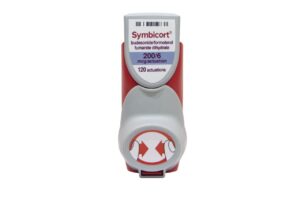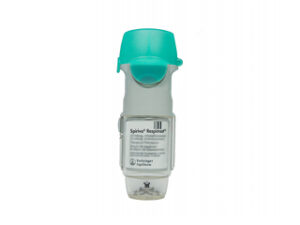
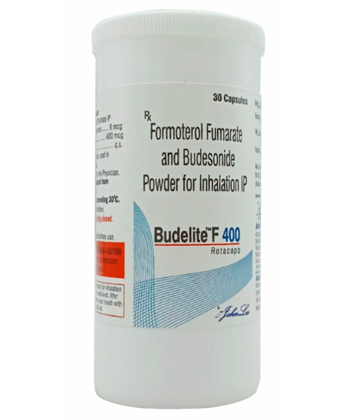
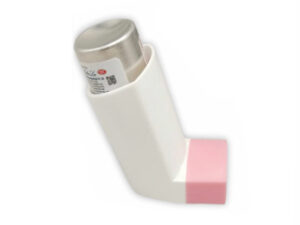
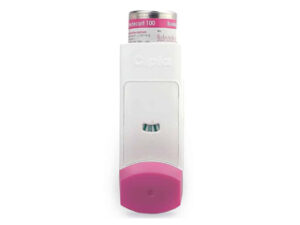
Budesonide/Formoterol Rotacaps (Inhalation Capsules) – Patient Information (Australia)
Budesonide/formoterol Rotacaps are inhaled medicines used to help control breathing problems such as asthma and chronic obstructive pulmonary disease (COPD). They contain two active ingredients working together: budesonide (a corticosteroid) and formoterol (a fast-acting long-acting bronchodilator).
This page is written in patient-friendly language to help you understand what the medicine does, how it’s used, and what to consider for safe, effective use in Australia.
At a Glance (Basic Product Information)
- Medicine name: Budesonide + Formoterol Rotacaps (inhalation capsules/rotacaps)
- Active ingredients: Budesonide (inhaled steroid) + Formoterol (LABA)
- Form: Inhalation via a suitable Rotacap device (capsules are punctured and inhaled)
- Common uses: Asthma control (often including “maintenance and reliever” approaches where appropriate), and COPD symptom control
- How it works: Reduces airway inflammation (budesonide) and relaxes airway muscles (formoterol)
Note: Strengths and dosing regimens can vary by product. Always follow the regimen provided for your specific strength and condition.
How Budesonide/Formoterol Works (Mechanism of Action)
Breathing difficulties in asthma and COPD commonly involve two key problems:
- Airway inflammation and swelling (more common in asthma; also occurs in COPD)
- Airway narrowing due to tight airway muscles and mucus
Budesonide and formoterol act in complementary ways:
- Budesonide (inhaled corticosteroid): reduces inflammation in the airways. Over time, it helps lower airway sensitivity and can reduce flare-ups. It is not a quick “reliever” for an immediate attack, but it provides longer-term control.
- Formoterol (long-acting beta2 agonist, LABA): relaxes smooth muscle in the airways and helps keep airways open. Formoterol has a relatively fast onset compared with some other LABAs, so it can help both control symptoms and provide rapid relief of breathlessness in many regimens.
Using the two medicines together improves symptom control and helps reduce the risk of exacerbations compared with using either medicine alone for many people.
Pharmacokinetics (How the Body Handles the Medicines)
“Pharmacokinetics” describes what happens after you inhale a medicine—how much is absorbed, how fast it works, and how it is processed in the body.
Absorption
- Inhaled delivery: Most of the medicine is deposited in the lungs, with a smaller fraction swallowed and absorbed through the gut.
- Lung deposition: Deposition varies with technique, inhalation speed, and device use. Correct inhaler technique improves delivery to the lungs.
Distribution
- After absorption, both drugs distribute into body tissues. Local lung effects occur while the medicine is present in airway tissue.
Metabolism
- Budesonide is extensively metabolised in the liver (predominantly by enzymes such as CYP3A4).
- Formoterol is also metabolised, with elimination through urine and faeces.
Elimination
- Medicines are cleared from the body over time; the duration of effect depends on drug properties and airway deposition.
The key practical point: consistent daily use supports long-term control (especially for the steroid component), while formoterol’s effects can be noticeable sooner for symptom relief.
Typical Use in Asthma and COPD
Asthma
Budesonide/formoterol is used to improve long-term asthma control and reduce the likelihood of symptoms and flare-ups. Many treatment strategies in asthma involve using an inhaled corticosteroid-containing combination to manage both daily symptoms and, in some plans, reliever needs.
COPD
In COPD, the medicine helps relieve breathlessness and improve symptoms. It may also reduce exacerbation risk when used as part of a broader COPD management plan.
If you’re unsure whether your specific regimen is intended for maintenance only or includes reliever use as well, ask your pharmacist or clinician for clarification.
When to Take It (Timing and Onset)
Many patients use budesonide/formoterol twice daily for ongoing control. Some regimens may allow additional doses for symptoms according to a personalised plan.
- Onset: Formoterol can start working relatively quickly after inhalation, helping with short-term breathlessness.
- Longer-term benefit: Budesonide’s anti-inflammatory benefits build over days to weeks.
- Consistency matters: Even if you feel better, stopping suddenly can lead to worsening control.
Practical tip: Keep a regular routine (for example, morning and evening) and use a checklist or phone reminder if helpful.
Food Interactions
Because this is an inhaled medicine, food interactions are generally not a major concern. A small portion may be swallowed, but typical dietary habits do not usually affect effectiveness significantly.
If you have a sensitive stomach, you may find it helpful to take your dose at a consistent time relative to meals. However, follow your prescribed timing unless a clinician advises otherwise.
Alcohol and Medicine Interactions
Alcohol
There is no specific “hard rule” that prohibits alcohol with budesonide/formoterol for most people. However, alcohol can worsen asthma or COPD symptoms for some individuals by irritating airways, affecting sleep, or interfering with breathing.
- If alcohol reliably makes your breathing worse, consider limiting it.
- Avoid alcohol if you’re currently unwell or recovering from a flare-up.
Other medicines (important interactions)
Interactions can occur, particularly with medicines that affect heart rhythm, potassium levels, or liver metabolism enzymes. Tell your pharmacist about all medicines you use, including:
- Beta-blockers (for example some medicines for heart disease): can reduce bronchodilator effect
- Other LABA or long-acting bronchodilators: may increase risk of side effects if combined
- Diuretics (“water tablets”) such as some loop/thiazide diuretics: can lower potassium, which may increase potential for rhythm issues with beta2 agonists
- Antiarrhythmics or medicines that affect heart rhythm: may increase risk of heart-related side effects
- CYP3A4 inhibitors (affecting budesonide metabolism), such as some antifungals or antibiotics: may increase budesonide levels
- Oral steroids or other steroid medicines: combined steroid exposure may increase systemic steroid effects
If you’re prescribed a new medicine (including antibiotics/antifungals), ask whether it could interact with your inhalers.
Indications (What It Is Used For)
Budesonide/formoterol Rotacaps are indicated for:
- Asthma for improving and maintaining control of symptoms
- COPD to reduce symptoms and help manage the condition
Your exact regimen depends on your diagnosis, severity, previous treatments, and whether you’re using a plan that includes reliever doses. If your asthma plan includes “single inhaler reliever/maintenance,” follow your written action plan closely.
Dosing (Typical Adult Schedules – Example Guidance)
Dosing varies by product strength and whether it’s for asthma or COPD, and by individual response. Always use the prescribed dose and frequency for your specific rotacap strength.
| Condition | Typical pattern | Important notes |
|---|---|---|
| Asthma | Often twice daily as maintenance; some plans allow extra doses for symptoms as directed | Use only within your personalised asthma plan. Do not exceed your maximum daily dose. |
| COPD | Often twice daily maintenance | Follow your COPD plan. If symptoms worsen quickly, seek medical advice as instructed. |
What if you miss a dose?
- Take it when you remember if it’s close to your next dose time.
- Do not double up to make up for a missed dose.
- If you miss doses frequently, discuss options with your pharmacist to improve adherence.
How to use Rotacaps correctly (general steps)
- Place one capsule into the Rotacap device (do not swallow the capsule).
- Load and pierce the capsule using the device mechanism as directed.
- Breathe out gently away from the device, then seal lips around the mouthpiece.
- Inhale strongly and steadily through the mouth to draw the powder into your lungs.
- Hold breath briefly (if comfortable), then breathe out.
- Close the device and store capsules safely away from moisture.
If your technique is incorrect, less medicine may reach your lungs, which can reduce benefit and increase side effects. Pharmacists can demonstrate technique.
Safety Profile (Common and Serious Side Effects)
Like all medicines, budesonide/formoterol can cause side effects. Many are mild and improve as your body adjusts. Report severe symptoms promptly.
Common side effects
- Throat irritation or hoarseness
- Cough or mild airway irritation after inhalation
- Headache
- Tremor or a feeling of shakiness (more linked to formoterol)
- Palpitations or a fast heartbeat in some people
- Oral thrush (candidiasis) may occur with inhaled steroids
How to reduce thrush risk
- Rinse your mouth with water after each dose.
- Spit out the water (do not swallow).
- Use a spacer only if your specific device/plan allows (ask your pharmacist).
Less common but important risks
- Low potassium (hypokalaemia), especially with high doses or in combination with diuretics
- Raised blood sugar or effects related to steroid exposure (usually less than oral steroids, but still possible)
- Systemic steroid effects with long-term higher-dose use (for example, effects on adrenal function)
- Heart rhythm changes (rare, but seek help if you experience significant palpitations, dizziness, or fainting)
Seek urgent medical attention if
- Your breathing worsens rapidly or you are struggling to speak full sentences
- You experience chest pain, severe palpitations, fainting, or a severe allergic reaction (swelling of face/lips, hives, wheezing)
- Thrush or mouth irritation is persistent or severe
If you’re advised to use this medicine and you have a history of heart rhythm problems, diabetes, or low potassium, discuss risk monitoring with your pharmacist or doctor.
Practical Use Tips for Best Results
- Check inhaler technique regularly: Even experienced users benefit from periodic technique checks.
- Don’t open capsules early: Keep rotacaps in their protective packaging until ready to use to avoid moisture exposure.
- Use a consistent routine: Pair your dose with daily habits (brushing teeth, breakfast, dinner).
- Rinse and spit: Helps reduce steroid-related mouth problems like thrush.
- Know your action plan: Keep your written asthma/COPD plan visible. It guides when to increase doses and when to seek help.
- Track symptoms: Note triggers, nighttime symptoms, and how often you need extra relief (if your plan includes this).
- Watch for side effects: Report persistent tremor or palpitations—dose adjustments may be needed.
Alternative Options (What else might be considered)
Depending on your condition and response, your clinician may consider other inhaled therapies, such as:
- Inhaled corticosteroid (ICS) alone for certain asthma patients with milder disease
- Different ICS/LABA combinations (other molecules or strengths)
- ICS/LABA plus additional add-on therapies for specific asthma or COPD cases (for example, LAMA in COPD)
- Reliever medicines (often a short-acting beta2 agonist) if not using a single-inhaler strategy
Availability and suitability vary. If budesonide/formoterol isn’t working well for you, discuss: technique, adherence, triggers, inhaler device fit, and possible step-up or step-down therapy with your healthcare team.
Market and Legal/Regulatory Context for Australia
In Australia, inhaled medicines are regulated under the Therapeutic Goods Administration (TGA) framework. Medicines used for asthma and COPD typically require appropriate clinical assessment to choose the right product, strength, and dose schedule.
Your local pharmacy and healthcare providers can help ensure the correct medicine and device are selected and that your treatment aligns with current asthma and COPD management recommendations.
Treatment guidance for asthma and COPD in Australia is influenced by widely used clinical resources and seasonal/international updates. Always rely on your personalised action plan for day-to-day decisions.
Recent Guidance and Treatment Considerations (What patients should know)
Over recent years, asthma guidance has increasingly emphasised:
- Using an inhaled corticosteroid-containing strategy to reduce exacerbation risk
- Choosing a regimen that matches symptom pattern (daytime symptoms, night waking, activity limitation)
- Reviewing inhaler technique and adherence before escalating treatment
- Updating plans after flare-ups and during follow-up visits
For COPD, guidance commonly focuses on:
- Regular maintenance therapy to improve symptoms and reduce exacerbations
- Considering additional bronchodilators if symptoms persist
- Ensuring appropriate inhaler technique and addressing smoking cessation and vaccination
If you’ve had a recent flare-up or hospital visit, ask whether your current inhaler regimen still matches your needs.
Delivery and Availability (Online Pharmacy Information – Australia)
Budesonide/formoterol Rotacaps may be supplied through pharmacies depending on stock and availability. Online pharmacies generally provide:
- Clear product details (strength, pack size, and active ingredients)
- Discreet packaging for delivery
- Tracking updates once your order is dispatched
- Customer support for questions about use and inhaler technique
Delivery times vary based on location and stock status. If you need the medicine urgently, choose standard delivery options only if adequate stock is confirmed, and contact customer support for dispatch time estimates.
Storage: Store rotacaps as directed on the pack, generally in a dry place at room temperature, protected from moisture.
FAQ (Frequently Asked Questions)
1) Is budesonide/formoterol a reliever or a preventer?
It is primarily used for ongoing control (budesonide prevents inflammation over time). Formoterol can provide faster symptom relief than some other LABAs, depending on your specific regimen. Your written asthma/COPD plan explains how you should use it for symptoms.
2) Can I stop the medicine when I feel better?
Usually, no—stopping can lead to worsening symptoms or flare-ups. If you want to change treatment, discuss it with your pharmacist or clinician.
3) Why am I still getting breathless?
Common reasons include:
- Inhaler technique issues (medicine not reaching the lungs)
- Missed doses or inconsistent use
- Triggers such as smoke, allergens, or infections
- Disease progression (especially in COPD)
- Need for an adjusted plan or add-on therapy
If symptoms are persistent or worsening, seek advice according to your action plan.
4) What should I do if I get tremor or palpitations?
Mild tremor can be a formoterol-related side effect. However, if palpitations are strong, persistent, or accompanied by dizziness or chest pain, seek medical attention promptly and contact your pharmacist for guidance.
5) How do I prevent thrush from inhaled steroid?
Rinse your mouth with water and spit after every dose. Keep your technique correct. If thrush develops, seek advice for treatment.
6) Are there food restrictions?
No major food restrictions are typically required for this inhaled medicine. Still, follow your prescribed timing and action plan.
7) Can I take it with other asthma or COPD medicines?
Many people use additional inhalers depending on their plan. However, interactions can occur—especially with other bronchodilators, beta-blockers, and certain liver-metabolising medicines. Tell your pharmacist about all medicines you use.
8) What if my inhaler technique is hard to learn?
Ask a pharmacist to observe your technique. Rotacap devices require specific steps for correct capsule loading and inhalation flow.
9) How long does it take to work?
Formoterol can start helping relatively quickly for symptom relief. Budesonide benefits generally build over days to weeks for better control. If you’re not noticing improvement, review technique and adherence and seek advice.
10) Is it safe to use during pregnancy or breastfeeding?
Many inhaled asthma/COPD medicines are used during pregnancy when needed, but the safest choice depends on your condition and history. Discuss with a clinician—don’t stop without guidance.
Key Takeaways
- Budesonide/formoterol Rotacaps combine an anti-inflammatory steroid with a bronchodilator.
- Use it consistently for control; formoterol may provide faster symptom relief depending on your regimen.
- Rinse and spit after each dose to reduce thrush risk.
- Check technique and follow your asthma/COPD action plan for flare-ups.
- Seek urgent help if breathing worsens rapidly or you have concerning side effects such as chest pain or severe palpitations.
If you have questions about suitability, dosing, or side effects, contact a pharmacist. They can also review how to use the Rotacap device correctly for best results.