
Conjugated Estrogens (for Hormone Therapy)
Conjugated estrogens are medicines that contain a mixture of naturally occurring estrogens. They are used for hormone therapy to help relieve certain symptoms associated with menopause and other hormone-related conditions. This page provides practical, patient-friendly information about how conjugated estrogens work, how they are typically used, safety considerations, and what to discuss with your healthcare professional.
In Australia, availability, labelling details, and specific product presentation (for example, tablet strength and brand) may vary. Always follow the directions on your product pack or as advised by your healthcare professional.
Basic product information
| Category | Hormone therapy (estrogen medicine) |
|---|---|
| Active component | Conjugated estrogens (mixture of estrogen compounds) |
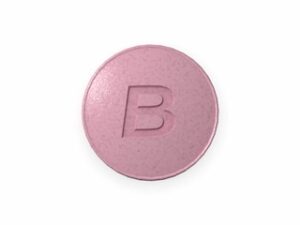
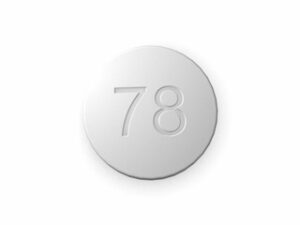
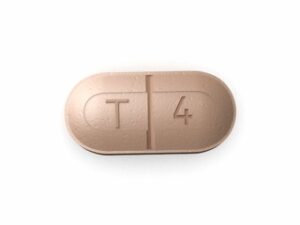
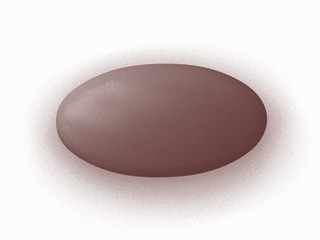
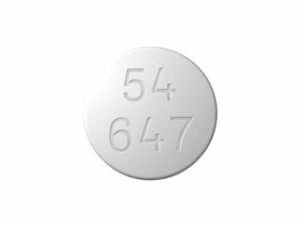
| Common forms | Oral tablets (product presentations vary) |
| Main uses | Relief of menopausal symptoms and treatment of certain estrogen-responsive conditions (see Indications) |
| Who typically uses it | People who need estrogen therapy due to menopause or other hormone-related circumstances |
How conjugated estrogens work (mechanism of action)
Estrogens are natural hormones that influence many body systems, including the reproductive tract, bones, skin, the brain, and the cardiovascular system. Conjugated estrogens act by binding to estrogen receptors in target tissues. This helps:
- Reduce menopausal symptoms such as hot flushes and night sweats.
- Support urogenital tissues (in some formulations/clinical contexts), which can help with discomfort related to lower oestrogen levels.
- Improve bone density over time by helping slow bone loss (osteoporosis risk reduction is a related benefit for eligible individuals).
- Regulate hormone-dependent processes in specific medical conditions where estrogen is indicated.
Because estrogens can stimulate the lining of the uterus (endometrium), people with a uterus may require additional treatment with a progestogen to help protect against endometrial overgrowth.
Pharmacokinetics (how the body handles the medicine)
Pharmacokinetics describes how the body absorbs, distributes, metabolises, and eliminates conjugated estrogens. While exact values can vary between individuals and product formulations, key concepts include:
- Absorption: Conjugated estrogens are absorbed after oral administration.
- Distribution: Estrogen compounds circulate in the bloodstream and bind to plasma proteins; they are distributed to target tissues.
- Metabolism: Estrogens are metabolised primarily in the liver and can also undergo metabolism in other tissues.
- Excretion: Metabolites and conjugated forms are eliminated mainly via urine and bile/faecal routes.
- Ongoing circulation: Some estrogen conjugates may be converted to active forms, contributing to sustained effects.
Individual response varies. If you have liver disease, kidney impairment, or take medicines that affect liver enzymes, your healthcare professional may advise closer monitoring or alternative options.
Typical use and timing
Conjugated estrogens are commonly used as part of hormone therapy regimens. The exact approach depends on your reason for treatment, your age, your time since menopause, and whether you have a uterus.
How timing is often handled
- Consistency matters: Take your dose at the same time each day (or as scheduled on your pack/plan).
- Start-up period: Some symptoms, like hot flushes, may improve within weeks; other effects (such as bone-related benefits) take longer.
- Review regularly: Many hormone therapy plans aim for the lowest effective dose for the shortest duration needed, with periodic review.
If you miss a dose, follow the guidance provided with your specific product and dosing schedule. If you are unsure, ask a healthcare professional or pharmacist for tailored advice.
Indications (what it’s used for)
Conjugated estrogens are used for certain estrogen-responsive conditions and for relief of menopause-related symptoms. Indications may include:
- Moderate to severe vasomotor symptoms associated with menopause (e.g., hot flushes, night sweats).
- Prevention of postmenopausal osteoporosis in people at risk when other options are not suitable.
- Hypoestrogenism in certain clinical situations where estrogen replacement is needed (for example, after premature menopause or ovarian failure—an individualised plan is essential).
- Some hormone-dependent conditions where estrogen is indicated (as determined by a healthcare professional).
The best treatment plan also considers your personal and family history (including cardiovascular disease and breast or uterine cancer risks), your symptom severity, and your preferences.
Dosing (general guidance)
Dosing varies by indication, age, the severity of symptoms, and whether you take a progestogen. This section provides general guidance; your pack instructions and healthcare professional’s plan take priority.
Common dosing patterns (examples)
- Starting dose: Often the lowest dose that can effectively control symptoms.
- Adjustments: Your healthcare professional may increase or decrease the dose based on symptom control and side effects.
- Regimen type: Some regimens are continuous, while others involve combined cycling strategies (particularly when a uterus is present).
People who have a uterus typically need progestogen protection alongside estrogen to reduce the risk of endometrial hyperplasia and related complications. Your clinician can confirm the appropriate regimen for you.
Mechanism-related considerations for uterus protection
Estrogen can stimulate the uterine lining. A progestogen counteracts this effect. If you have a uterus and use estrogen without adequate progestogen, your risk of endometrial problems can increase. If you have abnormal vaginal bleeding while on therapy, seek medical advice promptly.
Food interactions
Food can influence the absorption of some oral medicines. For conjugated estrogens, general practical guidance is:
- Take consistently: Choose a routine (with or without food) and stick to it unless your product instructions say otherwise.
- If nausea occurs: Some people find taking the dose with a meal helps reduce stomach upset.
- Grapefruit and herbal products: While no single universal rule applies to all estrogen products, grapefruit and certain herbal supplements may affect drug metabolism. Discuss supplements with your pharmacist.
For the most accurate advice, refer to the specific product’s consumer medicine information (CMI) or ask your pharmacist.
Alcohol interactions
Moderate alcohol intake does not usually directly prevent conjugated estrogens from working, but alcohol can affect the liver and may increase the risk of side effects for some people.
- General safety: If you drink alcohol, keep it moderate and consider your liver health.
- Liver concerns: Avoid excessive alcohol if you have liver disease or abnormal liver function tests, as estrogen metabolism occurs largely through the liver.
- Symptom overlap: Alcohol can worsen hot flushes or sleep disturbance in some individuals.
If you are unsure about your alcohol intake and personal risk profile, ask a healthcare professional for individualised guidance.
Interactions with other medicines
Conjugated estrogens can interact with other medicines, particularly those that affect liver enzymes involved in drug metabolism. This may change estrogen levels in your bloodstream and influence both effectiveness and side-effect risk.
Medicines that may affect estrogen levels
- Enzyme inducers (may reduce estrogen levels): certain medicines used for seizures (antiepileptics), some treatments for tuberculosis, and some other enzyme-inducing drugs.
- Antibiotics/antifungals (possible effects): certain medicines may influence estrogen metabolism depending on the agent.
- Herbal products (e.g., St John’s wort) may affect metabolism.
Medicines affected by estrogen
- Estrogens can influence levels of some medications. If you take medicines for thyroid disease, epilepsy, blood clotting disorders, or cardiovascular conditions, it’s important to review interactions.
Tell your pharmacist or healthcare professional about all medicines and supplements you use, including over-the-counter products.
Safety profile (important precautions)
Like all medicines, conjugated estrogens can cause side effects and may not be suitable for everyone. Safety depends on dose, duration, and your individual health history.
Common side effects
- Nausea or stomach discomfort
- Breast tenderness
- Headache
- Fluid retention or swelling
- Mood changes
- Vaginal spotting or bleeding (especially during early therapy or with regimen changes)
Seek urgent medical advice if you develop
- Symptoms of blood clots: sudden shortness of breath, chest pain, coughing blood, one-sided leg swelling/pain, or sudden weakness/numbness.
- Signs of stroke: sudden facial drooping, speech difficulty, or severe sudden headache.
- Severe allergic reaction: swelling of face/lips, rash with breathing difficulty.
- Unexplained vaginal bleeding that is heavy, persistent, or new after a period of stability.
- Yellowing of skin/eyes (jaundice) or severe abdominal pain.
Who may be at higher risk (discuss with a clinician)
Your healthcare professional will consider factors that can increase risk with estrogen therapy, such as a history of certain cancers, stroke or clotting disorders, uncontrolled hypertension, significant liver disease, or other serious conditions. Do not start or change therapy without medical advice.
In particular, people with a uterus may need a planned progestogen component. Therapy choices should be aligned with current guidelines and your personal risk.
Practical use tips
- Choose a daily routine: Take your dose at the same time each day to maintain steady hormone levels.
- Track symptom changes: Note improvements in hot flushes, sleep, mood, and any bleeding changes.
- Use reminders: Phone alarms or pill boxes can help prevent missed doses.
- Monitor bleeding: Any persistent or unusual vaginal bleeding should be discussed promptly.
- Attend screening: Keep up with recommended breast and cervical screening schedules.
- Review regularly: Have periodic reviews to assess whether you still need hormone therapy and what dose remains appropriate.
Alternative options
Hormone therapy is one approach to managing menopausal symptoms and related conditions. Depending on your needs and risk profile, alternatives may include:
Non-hormonal options
- Lifestyle strategies: keeping cool, layered clothing, smoking cessation, weight management, and reducing triggers for hot flushes.
- Non-hormonal medicines: some prescription options can reduce vasomotor symptoms for appropriate individuals.
- Vaginal moisturisers and lubricants for vaginal dryness/discomfort (particularly for localised symptoms).
Other hormone therapies
- Different estrogen forms (e.g., local or transdermal estrogen products in suitable cases).
- Combined regimens tailored to whether you have a uterus.
The “best” alternative depends on the exact symptoms, your medical history, and what you are aiming to achieve (symptom relief, bone protection, or both). Your clinician can help you compare benefits and risks.
Market and legal context for Australia
In Australia, medicines are regulated by the Therapeutic Goods Administration (TGA). Product availability, classification, and prescribing/dispensing requirements can differ by active ingredient, formulation, and strength.
For hormone therapies, safety monitoring and appropriate indications are emphasised in national guidance. Therapeutic decisions are typically individualised to balance symptom control with potential risks.
This website information is intended to support informed discussions with health professionals and does not replace clinical assessment.
Recent guidance and current considerations (high-level)
In recent years, clinical guidance internationally and within Australia has continued to emphasise:
- Individual risk assessment before starting hormone therapy.
- Use of the lowest effective dose and re-evaluation at regular intervals.
- Correct regimen selection for people with a uterus (including the need for progestogen protection).
- Consideration of route and timing in relation to cardiovascular and clot risk for eligible individuals.
Recommendations can evolve as new evidence emerges. If you are already using hormone therapy, it’s reasonable to review your plan with your healthcare professional, especially if your health status changes.
Delivery and availability (online pharmacy)
Conjugated estrogens may be available through Australian pharmacies, depending on brand and formulation. Availability can also vary by stock levels and supply chains.
- Ordering: Place your order online and review the product details carefully (strength, form, and quantity).
- Dispatch: Orders are typically dispatched after verification and processing.
- Delivery timeframes: Delivery speed depends on your location and the shipping option selected at checkout.
- Packaging: Medicines are sent in appropriate packaging to maintain product integrity.
If you need assistance confirming the correct product strength or regimen, contact our support team (or consult your pharmacist).
Frequently asked questions (FAQ)
1. What are conjugated estrogens used for?
They are used primarily for relief of moderate to severe menopause-related symptoms (such as hot flushes and night sweats) and for certain estrogen-responsive conditions, including prevention of osteoporosis in selected individuals. The specific indication depends on your health situation.
2. How long do the effects take?
Many people notice improvement in vasomotor symptoms within weeks. Bone health benefits typically take longer, often months to years. Your clinician can help set realistic expectations for your goals.
3. Can I take it with food?
Many people can take conjugated estrogens with or without food, but it’s best to follow the instructions on your pack. If you experience nausea, taking it with a meal may help. Keep your routine consistent.
4. Will I need a second medicine as well?
If you have a uterus, estrogen therapy often needs a progestogen to help protect the uterine lining. Your planned regimen should be confirmed by your healthcare professional.
5. What should I do if I miss a dose?
Advice varies depending on the dose schedule. Check your product instructions or ask your pharmacist for guidance. In general, do not double up without confirmed instructions.
6. Are there alcohol interactions?
Moderate alcohol may be compatible for some people, but alcohol can affect the liver and may worsen menopausal symptoms like hot flushes or sleep disturbance. If you have liver issues or drink regularly, discuss this with your clinician.
7. What medicines commonly interact with estrogen?
Medicines that affect liver enzyme activity can alter estrogen levels. This includes some seizure medicines, some tuberculosis medicines, and herbal products such as St John’s wort. Always tell your pharmacist about all medicines and supplements.
8. What side effects are most common?
Common side effects include breast tenderness, headache, nausea, and fluid retention. Some people may also experience spotting, especially early in treatment or after regimen changes.
9. When should I seek urgent help?
Seek urgent medical advice if you develop symptoms suggestive of a blood clot (for example, chest pain, sudden shortness of breath, or one-sided leg swelling), stroke symptoms, severe allergic reaction, or significant unexplained vaginal bleeding.
10. Is hormone therapy right for everyone?
No. Eligibility depends on your medical history, age, symptom severity, and individual risk factors. A personalised assessment is important before starting or continuing estrogen therapy.
11. What are my alternatives if I can’t use conjugated estrogens?
Alternatives may include non-hormonal treatments for hot flushes, local vaginal treatments for genitourinary symptoms, and other hormone formulations or routes depending on your circumstances.
12. How should I store the medicine?
Follow the storage instructions on the pack. Keep medicines out of reach of children and store at the recommended temperature and away from moisture where specified.
Important note
This information is general and may not reflect your exact situation. If you have questions about suitability, dosing, interactions, or side effects, speak with a pharmacist or healthcare professional. If you experience concerning symptoms—especially those related to clots, stroke, severe allergy, or unusual bleeding—seek urgent medical care.