
Cymbalta® (Duloxetine) — Patient Information (Australia)
Cymbalta® is a brand of duloxetine, a medicine used to treat several conditions involving pain and mood. It works by changing the way your nervous system processes signals, which can help reduce certain types of chronic pain and improve symptoms of depression and anxiety.
This guide explains how Cymbalta works, how it’s usually taken, what to expect, important safety information, and practical tips for use in Australia.
Basic product information
- Active ingredient: Duloxetine
- Brand: Cymbalta®
- Medicines type: Serotonin–norepinephrine reuptake inhibitor (SNRI)
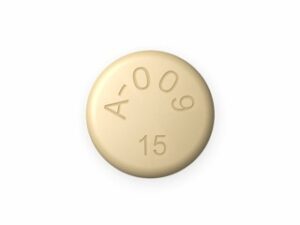
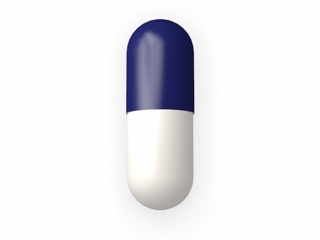
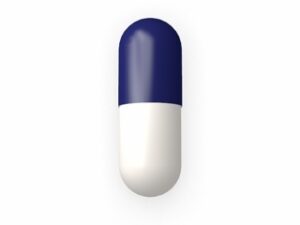
- Common formulations: Oral capsules with delayed-release (enteric-coated) properties
- Who it’s for: Adults for approved indications
- Brand availability in Australia: Generally available through pharmacies and pharmacy supply chains
Note: Exact tablet/capsule strengths may vary by product line and market listing. Your pharmacist can confirm the strength you have.
How Cymbalta works (mechanism of action)
Duloxetine affects two key brain chemicals: serotonin and noradrenaline (also called norepinephrine). These chemicals help regulate mood and pain pathways.
- SNRI action: Duloxetine blocks the reuptake of serotonin and noradrenaline, helping increase their levels in certain neural circuits.
- Pain modulation: By enhancing serotonin/noradrenaline signalling, duloxetine can reduce the “amplification” of pain in the nervous system.
- Mood and anxiety benefits: These same pathways are involved in regulating mood, stress response, and anxiety.
In many conditions, improvement may occur gradually over days to weeks, depending on the condition being treated.
Pharmacokinetics (how the body handles duloxetine)
Understanding pharmacokinetics can help explain why timing matters and why missed doses can affect you.
- Absorption: Duloxetine is absorbed after oral dosing. It is formulated to release gradually.
- Peak levels: Blood levels typically rise over several hours (peak concentration may occur within a few hours after dosing).
- Distribution: It distributes throughout the body, including the central nervous system.
- Metabolism: Duloxetine is mainly metabolised in the liver (largely via CYP enzymes).
- Elimination: Metabolites are excreted primarily via the kidneys.
- Half-life: The medicine has an elimination half-life that supports once- or twice-daily regimens depending on the indication and formulation.
Because duloxetine is handled by the liver and excreted by the kidneys, dose adjustments and extra caution may be needed in people with significant liver or kidney impairment.
Typical uses (indications)
Cymbalta is used for a range of conditions. Indications can vary by age group and country regulations, so it’s important to follow the approved Australian product information for your specific use.
Commonly approved indications in Australia include:
- Depression (major depressive disorder)
- Generalised anxiety disorder
- Chronic musculoskeletal pain (for example, chronic low back pain and certain types of chronic pain)
- Neuropathic pain (nerve pain), such as diabetic peripheral neuropathy and other neuropathic pain syndromes
- Fibromyalgia (pain associated with fibromyalgia in appropriate patients, per local listing)
Your pharmacist can help confirm whether your particular strength and formulation is appropriate for your diagnosis.
When and how to take Cymbalta (timing and practical use)
General timing tips
- Take it at the same times each day to maintain steady blood levels.
- Swallow whole with water. Do not crush, chew, or open capsules unless your product information advises otherwise.
- With or without food: Cymbalta can often be taken with or without food, but see food and meal effects below.
Starting and increasing doses
Many people begin at a lower dose to improve tolerability and then increase if needed. Your prescriber or clinician may titrate gradually. Don’t change your dose without medical advice, as sudden changes can increase side effects or trigger withdrawal-like symptoms.
Missed dose
- If you miss a dose, take it when you remember unless it’s close to the next dose.
- Don’t take a double dose to make up for a missed one.
If you’ve missed multiple doses, seek advice from your healthcare professional for the safest way to restart.
Dosing overview (adult regimens)
Dose schedules depend on the condition being treated and your individual situation (tolerability, other medicines, liver/kidney function). The following is a general overview rather than personalised instructions.
| Condition (example) | Typical daily approach | Notes on starting |
|---|---|---|
| Depression | Often once daily or divided regimens depending on local guidance and tolerability | Starting dose may be lower and increased gradually |
| Generalised anxiety disorder | Often once daily or divided regimens depending on response and tolerability | Clinicians typically monitor early side effects and response |
| Neuropathic pain (e.g., diabetic peripheral neuropathy) | Once daily or divided dosing depending on product instructions | Titration helps reduce nausea and dizziness |
| Chronic musculoskeletal pain / low back pain | Often once daily | Gradual increase may be used to improve tolerability |
| Fibromyalgia (where approved) | Often once daily | May require time to assess full benefit |
Important: Always follow the dosing instructions provided with your specific product and your healthcare plan. If you are unsure about the correct strength or timing for your capsules, ask your pharmacist.
How long until it works?
Response varies by condition:
- Depression/anxiety: Some people notice changes within 1–2 weeks; fuller benefit may take several weeks.
- Neuropathic pain: Pain relief may occur gradually; it may take a few weeks to judge effectiveness.
- Chronic pain: Ongoing assessment over weeks helps determine whether to continue or adjust treatment.
If you feel no benefit after an appropriate trial, or if side effects are difficult to manage, consult your clinician before changing anything.
Food interactions and what to watch
Food effects: Duloxetine can generally be taken with or without food. However, taking it with food may reduce common side effects such as nausea.
- If you experience stomach upset, consider taking it with a meal.
- Try to keep your dosing routine consistent (same time and similar meal pattern each day).
There are no commonly required “food restrictions,” but your overall diet and hydration can influence tolerability (for example, if you get dizziness or constipation).
Alcohol interactions
Mixing duloxetine with alcohol may increase the risk of side effects and can be particularly problematic for some people.
- Increased dizziness/drowsiness: Alcohol can worsen sedation, impaired coordination, and feelings of unsteadiness.
- Liver considerations: Duloxetine is processed by the liver, and alcohol may add stress to the liver in some circumstances.
- Safety risks: Avoid drinking heavily, and be cautious with regular alcohol use.
If you drink alcohol, discuss your pattern (especially heavy or regular use) with your healthcare professional to determine the safest approach.
Interactions with other medicines (key examples)
Cymbalta can interact with other medicines, including some over-the-counter products and supplements. Always tell your healthcare professional about everything you take.
Common interaction categories
- Other serotonergic medicines: Using duloxetine with other medicines that affect serotonin may raise the risk of serotonin syndrome.
- Monoamine oxidase inhibitors (MAOIs): Generally avoided in combination.
- Antidepressants and other SNRIs/SSRIs: Combining may increase adverse effects.
- Tramadol, some migraine medicines, and certain cough/cold medicines: May raise serotonin-related risk in combination.
- Blood thinning medicines: Some combinations can increase bleeding risk (for example, medicines affecting platelets or anticoagulants).
- Medicines that affect liver enzymes (CYP inhibitors/inducers): These can change duloxetine levels, affecting safety and effectiveness.
- Non-steroidal anti-inflammatory drugs (NSAIDs) or other medicines affecting bleeding: May increase bleeding risk when combined with SNRIs.
Practical safety advice
- Keep a list of medicines and doses you take.
- Check with your pharmacist before starting any new medicine, including supplements.
- If you’ve recently started or stopped a medicine, inform your clinician promptly.
This product information is general. Exact interactions depend on the specific medicines you use.
Safety profile and side effects
Like all medicines, duloxetine can cause side effects. Many are mild and improve over time, especially when starting at a lower dose and increasing gradually.
Common side effects
- Nausea
- Dry mouth
- Dizziness or light-headedness
- Headache
- Sleep changes (insomnia or sleepiness)
- Fatigue
- Constipation or other bowel changes
- Sweating
- Decreased appetite
- Sexual side effects (for example, reduced libido or difficulties)
Less common but important risks
- Increased blood pressure in some people
- Liver problems (risk may be higher with other liver stressors)
- Withdrawal symptoms if stopped suddenly (see stopping safely below)
- Hyponatraemia (low sodium), particularly in older adults or those on diuretics
- Bleeding risk may be increased when combined with certain medicines
Seek urgent medical advice if you notice
- Signs of serotonin syndrome (e.g., agitation, confusion, fever, sweating, fast heart rate, tremor, diarrhoea)
- Severe allergic reaction (swelling of face/lips, difficulty breathing)
- Yellowing of skin/eyes or severe abdominal pain (possible liver issues)
- Uncontrolled shaking, fainting, or severe dizziness
- Thoughts of self-harm or significant mood worsening
Stopping Cymbalta safely (withdrawal and tapering)
Duloxetine can cause symptoms if stopped abruptly, especially after long-term use or higher doses. These may include dizziness, irritability, “electric shock” sensations, nausea, headache, and sleep disturbances.
- Do not stop suddenly.
- Talk to a clinician about a gradual dose reduction plan.
- If side effects occur during tapering, the dose may need adjustment.
With a gradual taper, many people experience fewer difficulties.
Practical use tips for everyday life
- Manage nausea: taking your dose with food and staying hydrated can help.
- Dizziness: stand up slowly, and avoid driving or hazardous tasks if you feel unsteady, especially at the start.
- Sleep timing: if duloxetine makes you sleepy, you may prefer evening dosing; if it causes insomnia, daytime dosing may be preferable—ask your pharmacist for advice on timing.
- Missed dose routine: set an alarm or use a daily pill reminder.
- Track response: note pain levels, mood changes, and sleep over the first few weeks.
- Keep watch on blood pressure: if you have a history of hypertension, your clinician may monitor your readings.
Alternative options (if Cymbalta isn’t suitable)
Depending on the condition being treated, alternatives may include other antidepressants, pain-modifying medicines, and non-drug therapies. The best option depends on your diagnosis, other medical conditions, and current medicines.
Possible medication alternatives (examples)
- Other SNRIs: for certain pain and mood conditions
- SSRIs: sometimes used for depression and anxiety
- Tricyclic antidepressants (TCAs): occasionally used for neuropathic pain
- Anticonvulsants for nerve pain: such as pregabalin or gabapentin (depending on your condition and eligibility)
- Topical therapies: for certain localized pain syndromes
- Non-drug approaches: physiotherapy, exercise therapy, psychological therapies (e.g., CBT), sleep improvement, and self-management strategies
Don’t switch without medical advice—taper schedules and cross-tapering strategies can be important for safety.
Market and legal context for Australia
In Australia, prescription medicine availability and supply are governed by the Australian Government Department of Health, with medicines listed and regulated under the Therapeutic Goods Administration (TGA) framework. Pharmaceutical brands and strengths are listed according to approved indications and product information.
Pharmacists in Australia play a key role in safe dispensing, including checking for interactions, ensuring suitable directions, and advising on how to take the medicine.
For the most accurate information about the approved uses, contraindications, and dosing details, always refer to the approved consumer medicines information and speak with a pharmacist.
Recent guidance and practical updates (what to expect)
Guidance for antidepressants and pain-modifying medicines commonly emphasises:
- Gradual titration to reduce early side effects
- Careful monitoring during the first weeks for mood changes and tolerability
- Awareness of withdrawal symptoms and the need for planned tapering
- Medicines interaction checks, especially with other serotonergic drugs or bleeding-risk medicines
- Special caution in liver disease, significant kidney impairment, and older adults
Your healthcare professional may also review your personal risk factors (e.g., blood pressure, liver health, alcohol intake, and other medicines) before and during treatment.
Delivery and availability (online pharmacy)
Cymbalta is typically stocked through authorised distribution channels and may be available in various strengths depending on demand. Availability can vary by capsule strength and pharmacy supply.
- Stock checks: Many online pharmacies confirm availability before dispatch.
- Delivery: Delivery times depend on your location and carrier services across Australia.
- Cold chain: Cymbalta is generally not a temperature-sensitive medicine requiring cold chain, but packaging instructions should be followed.
- Packaging: Medicines are supplied in original packaging where possible to support safe identification.
If your preferred strength isn’t in stock, the pharmacy may suggest alternative options, including scheduling restocks or substituting equivalent strengths where appropriate.
FAQ
1. What is Cymbalta used for?
Cymbalta (duloxetine) is used for conditions such as depression, generalised anxiety disorder, and certain types of chronic pain including neuropathic pain and fibromyalgia (depending on local approved indications).
2. When should I take Cymbalta—morning or night?
Many people take it at a consistent time each day. If it makes you feel sleepy, evening dosing may suit you; if it disrupts sleep, morning dosing may be better. Ask your pharmacist for advice based on how it affects you.
3. Can I take Cymbalta with food?
Yes. It can usually be taken with or without food. If nausea happens, taking it with a meal may help.
4. What if I miss a dose?
Take the missed dose when you remember unless it’s close to the next dose. Don’t double up. If you’ve missed multiple doses, speak with a pharmacist for safe restart guidance.
5. How soon will I feel better?
Some people notice early changes within 1–2 weeks, but full benefit often takes several weeks. For pain conditions, improvement may be gradual.
6. Are there any alcohol restrictions?
It’s best to avoid heavy drinking. Alcohol can increase dizziness and may add risk to liver health. If you drink, discuss your pattern with a healthcare professional for individualised advice.
7. What medicines should I avoid?
You should check interactions with your pharmacist or clinician, especially with other antidepressants, serotonergic medicines, tramadol and certain cough/cold medicines, blood thinners, and medicines that affect liver enzymes.
8. Can I stop Cymbalta suddenly?
Stopping suddenly can cause withdrawal-like symptoms. A gradual taper plan is usually recommended—speak to a healthcare professional before discontinuing.
9. What side effects are most common?
Common side effects include nausea, dry mouth, dizziness, headache, sleep changes, fatigue, constipation, sweating, appetite changes, and possible sexual side effects.
10. Who should use extra caution?
Extra caution may be needed for people with liver disease, significant kidney impairment, uncontrolled blood pressure, a history of seizures, bleeding disorders, or those taking interacting medicines. Your pharmacist can help review your specific risk factors.
Always read the consumer medicine information provided with your product, and ask a pharmacist if you have questions about how Cymbalta fits your health needs.